
When a festive table is laid, the same scene plays out in many homes: large plates come down from the top kitchen shelf, the tablecloth is fetched from a bedroom cupboard, and the crystal glasses are packed away in a box somewhere. A dining room sideboard gathers all this in one place, so everything the table needs is a few steps away. But how useful a sideboard is depends on planning its size and interior around the actual tableware.
Position and clearance from the table
A sideboard usually stands against a wall parallel to the long side of the dining table. There needs to be enough space between table and sideboard for someone to pass behind a seated person and to open the sideboard's doors or drawers. The space a chair takes when pushed back and the swing of an opening door must be considered together. If there is not enough clearance, a sideboard with drawers or sliding doors is more comfortable than one with hinged doors.
A sideboard is also a serving surface: during a meal, dishes, drinks and desserts are placed on it. So it works best when its top lies on the route from the kitchen.
Height and depth
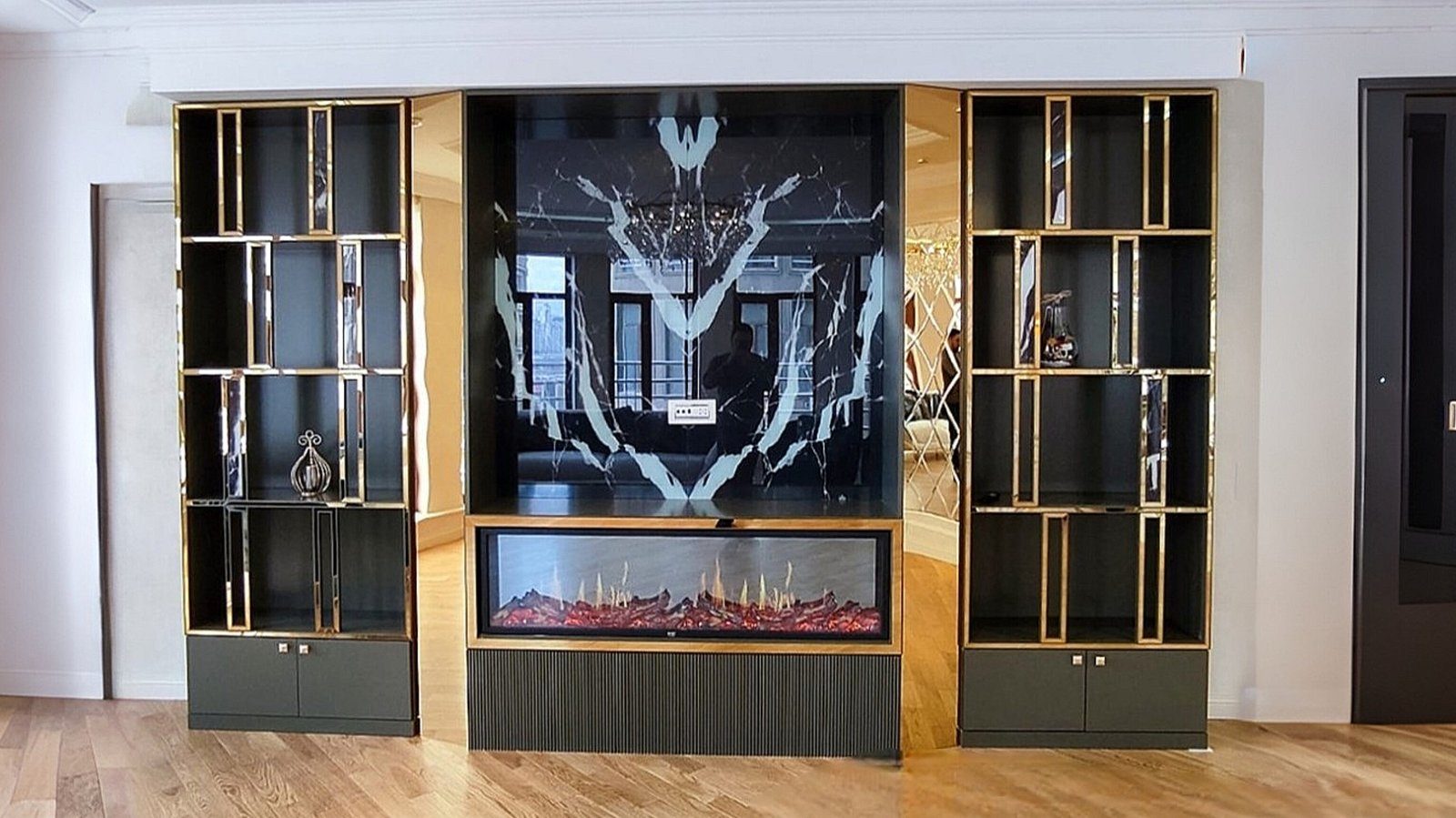
A classic sideboard may have two parts: a low base and a glazed display unit above. In contemporary interiors a long, low sideboard is more common, with a mirror, a painting or open shelves above it.
The base should be at a comfortable height as a serving surface, roughly a little above table height. Depth is chosen for the largest item to be stored: a large serving plate or tray should sit flat on the shelf. Too shallow and plates will not fit; too deep and the passage narrows and dishes at the back are hard to reach.
Interior layout: planning around tableware
The interior starts with a list of tableware. First write down the number and sizes of the sets to be stored: plates, bowls, glasses, tea set, cutlery.
- Plates: need sturdy shelves, and keeping a set in several low stacks rather than one tall one is safer. A pull-out shelf in a deep sideboard makes it easier to reach plates at the back.
- Glasses and stemware: shelves set to the height of the tallest glasses, with room to stop them clinking together.
- Cutlery: a shallow divided drawer, ideally with a soft lining.
- Tablecloths and napkins: wide shallow drawers, so cloths need less folding.
- Large trays and platters: vertical dividers so they can stand upright.
Being able to adjust shelf heights in each section matters, because tableware changes over the years.
Moisture and odour inside a sideboard are worth considering too. In a cabinet that stays shut for long periods, tablecloths and napkins that are rarely used can pick up a stale smell. Leaving a small ventilation gap between drawers and emptying and airing the sideboard once or twice a year solves this. Silverware is kept in a separate closed compartment or a special cloth bag so humidity does not tarnish it.
The display section: showing and protecting
Crystal, porcelain or heirloom pieces are often kept to be seen. A glass-fronted display cabinet serves this purpose and keeps them dust-free. With glass shelves, light reaches down to the lower shelves. LED lighting inside the display brings out the sparkle; a type housed in a profile that does not give off heat is chosen here.
A display cabinet is not meant for heavy loads. If heavy sets will stand on glass shelves, the glass thickness and supports should be chosen accordingly.
Matching the sideboard to the rest of the room
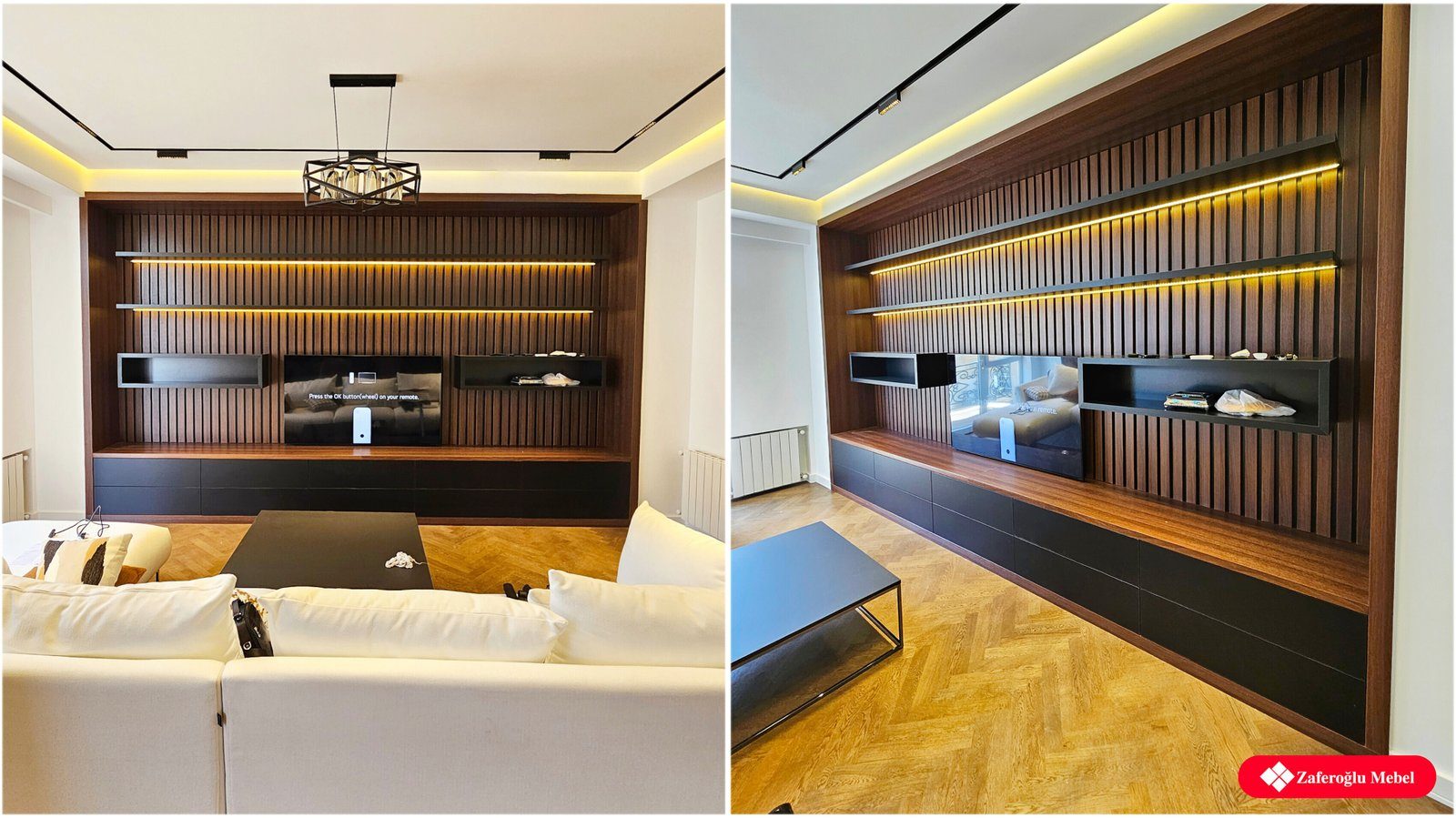
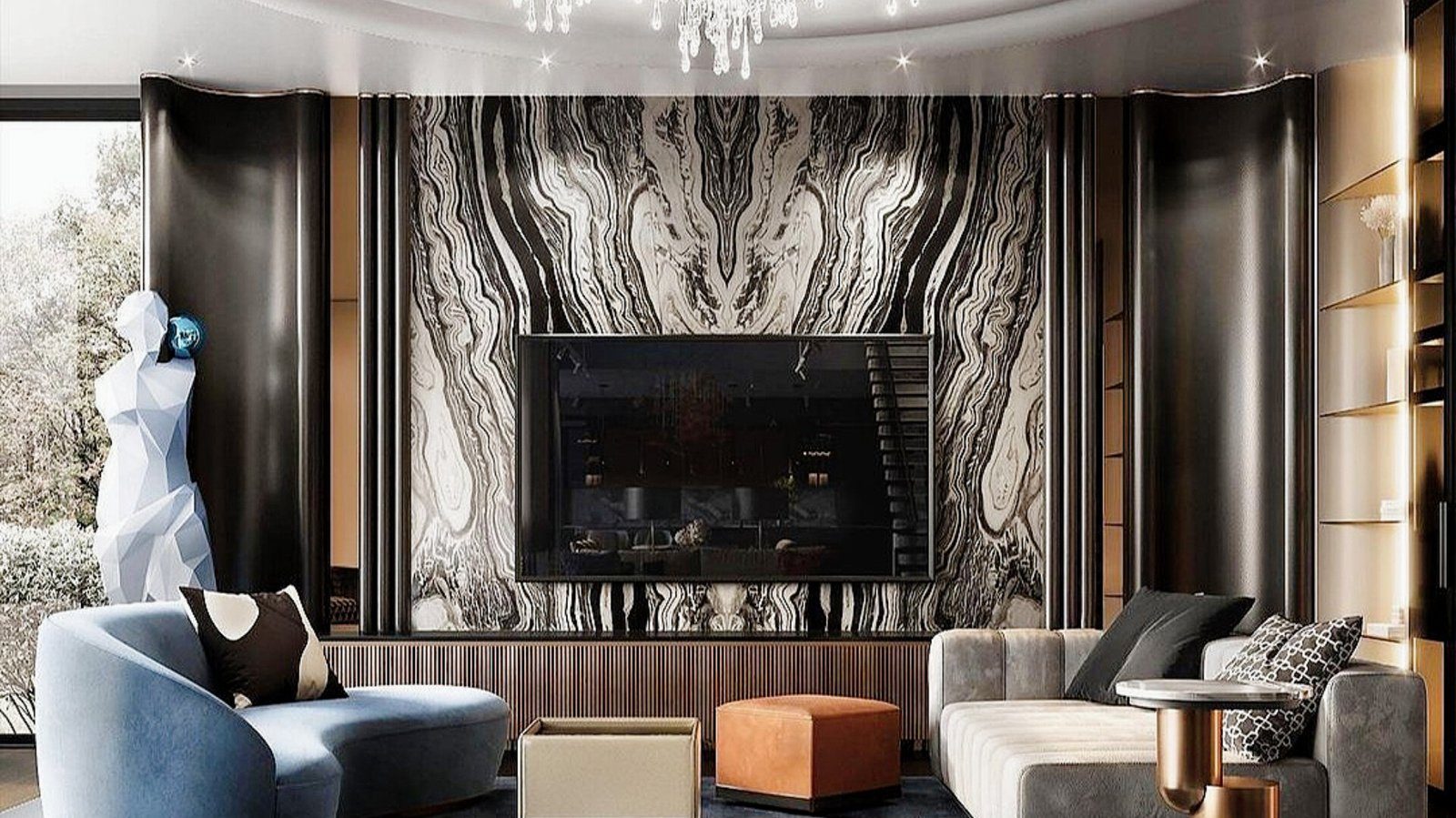
The dining area is often combined with the living room. In that case the sideboard should share a decor or style with the TV unit and other storage furniture so the room looks unified. Keeping the sideboard at the same height as the TV unit links the two zones visually.
A link can also be made between the table top and the sideboard top, such as the same wood decor or the same stone-effect surface.
A checklist before choosing
- Is there a list of tableware sets and the size of the largest piece?
- Is there space between table and sideboard for passing and opening doors?
- Is a display section needed, and what will it show?
- Is a socket needed near the serving top, for example for tea or coffee?
- Will a heavy sideboard be fixed to the wall?
For a sideboard from Zaferoglu Mebel, the interior can be arranged in the design around the plates, glasses and serving dishes you keep and the space available in the room.