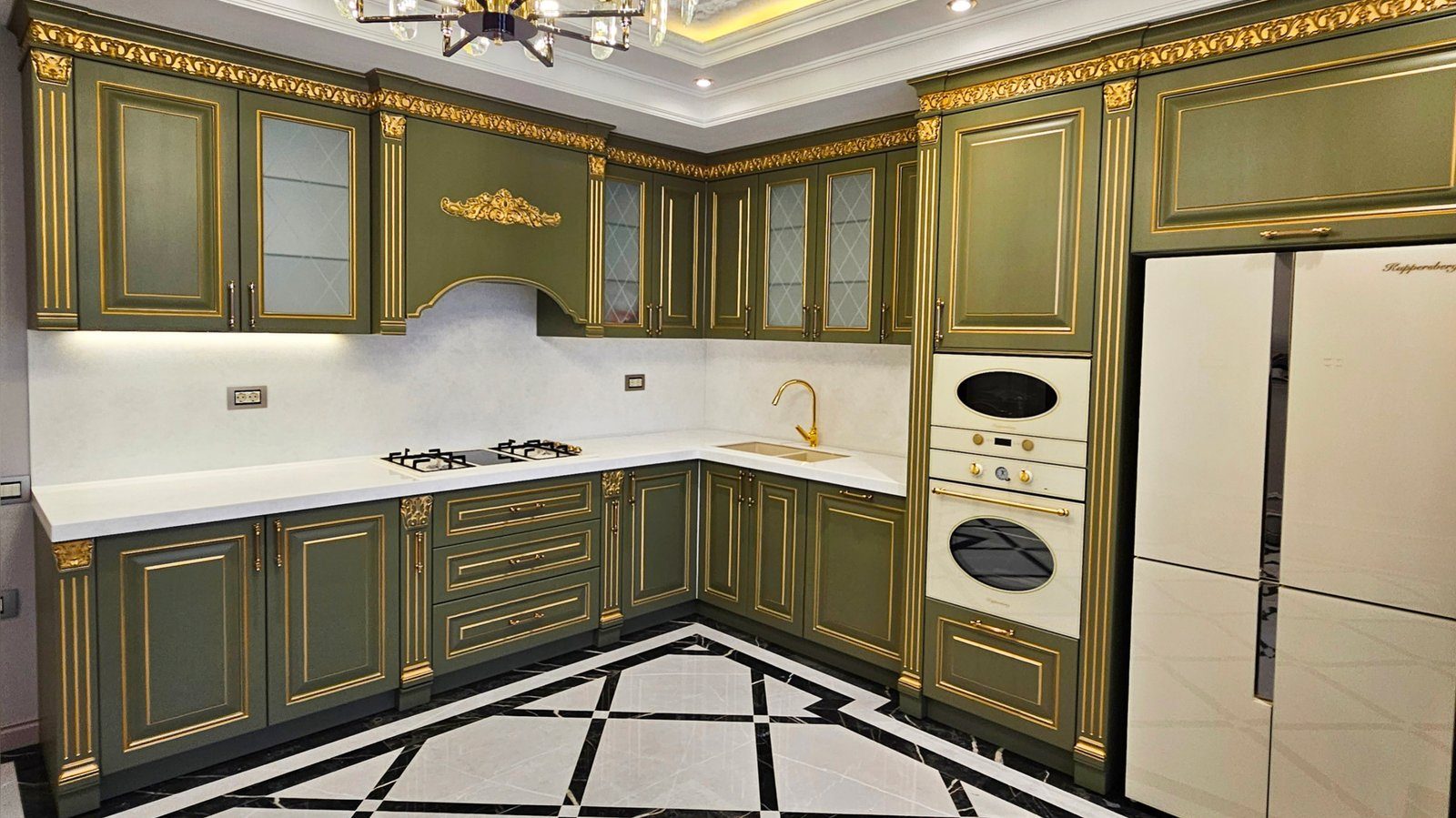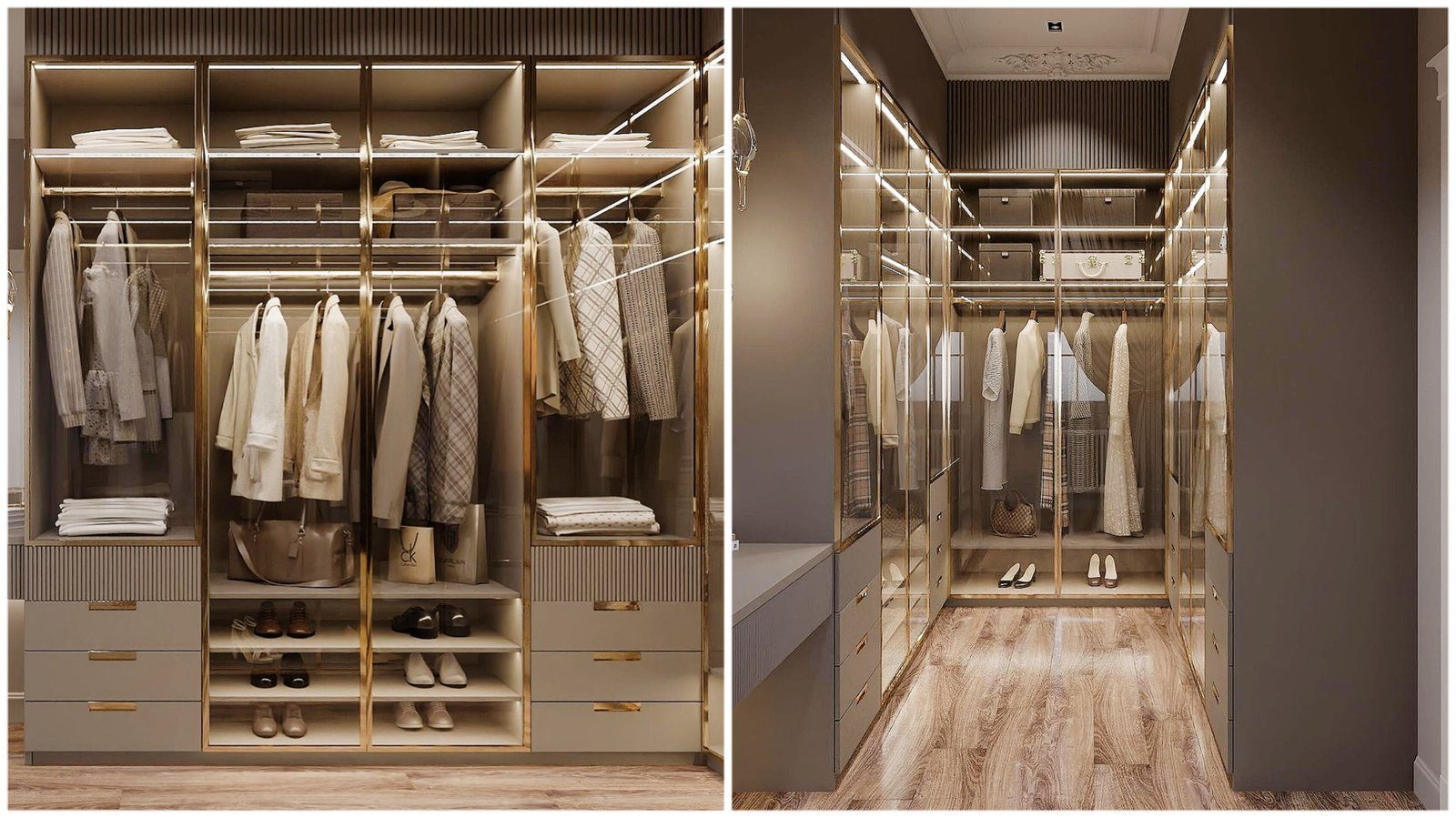

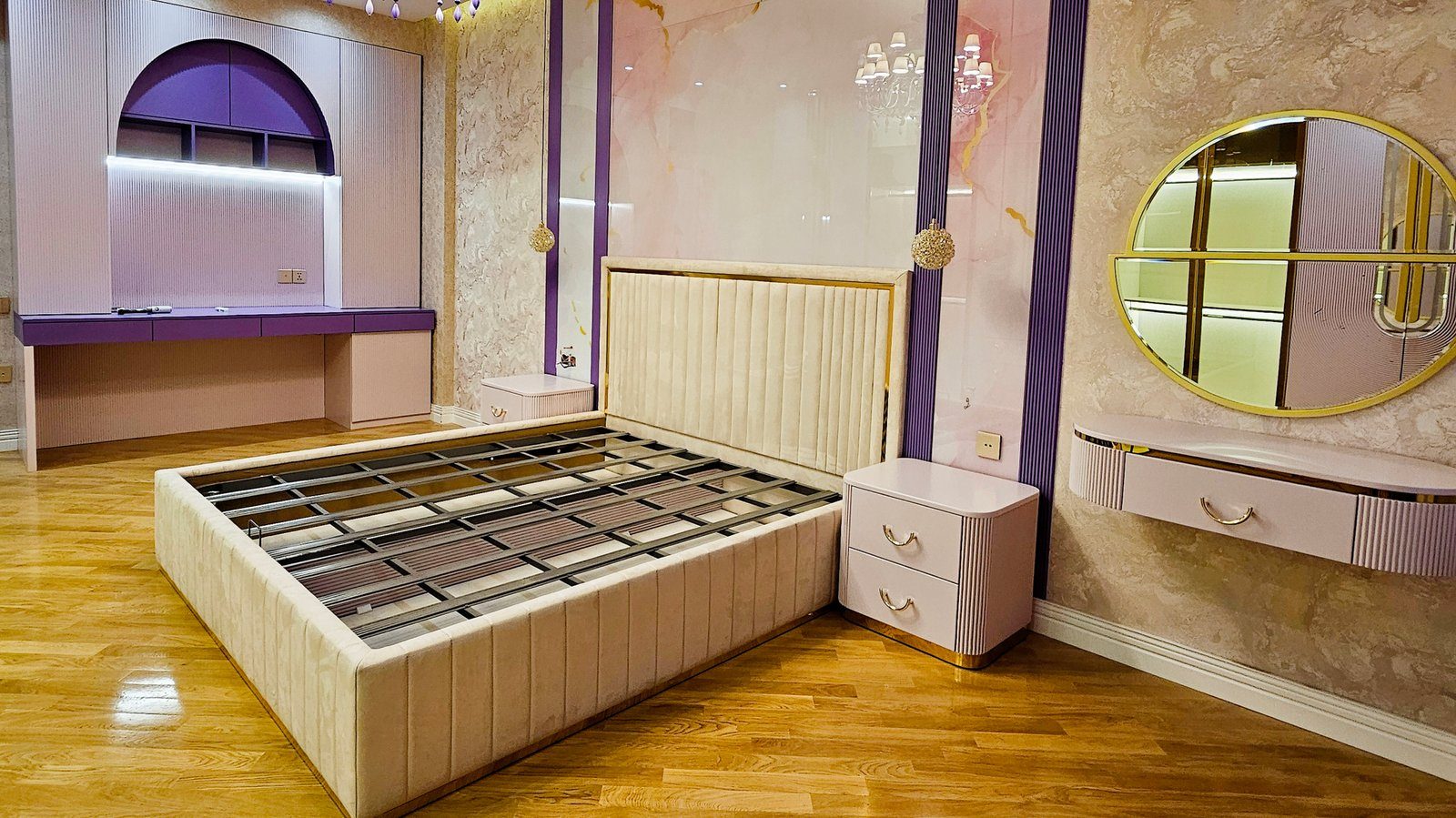
Solid wood furniture is often presented as furniture for life, and to a degree that is true. A well-made table or chest of drawers can serve for decades and, when scratched, can be sanded and refinished. But solid wood has a characteristic many buyers are unaware of: it “breathes” with the humidity of the air. Construction that ignores this movement, or the wrong conditions at home, leads to cracks, warping and sticking doors.
The real advantages of solid wood
Solid wood furniture is made from whole or glued-up timber boards, with no decorative surface layer as on panel materials. That has several practical consequences:
- Repairability. Scratches and stains can be sanded out and the piece re-oiled or re-lacquered. With thin surface layers this is very limited.
- Strong joints. Wood holds screws and nails well, and traditional wood joints carry heavy loads.
- A unique look. Every board has its own grain, and the colour deepens with time.
- Tactile quality. The natural texture of oiled solid wood can be felt by hand.
Solid wood is heavy and expensive and takes more labour to work. That is why modern furniture often uses it only for visible and load-bearing parts — tabletops, legs, frames — while the rest of the carcass is made from board materials.
Why wood moves
Wood is hygroscopic: when humidity rises it absorbs moisture and swells, and when the air dries it releases moisture and shrinks. The movement is not the same in every direction. Along the grain, that is along the length of a board, the change is barely noticeable. Across the grain it is much greater. As a result a wide tabletop gets several millimetres wider and narrower from season to season.
This movement is not a defect; it is the nature of the material. Problems begin when the construction does not allow the wood to move. Fix a wide board rigidly on all sides and it will crack as it shrinks or bow as it swells.
Good construction leaves room to move
In professionally made solid wood furniture, movement is allowed for in advance:
- Frame and panel. In classic doors a wide panel sits loose in a groove in the frame rather than being glued. As the panel moves, the frame keeps its shape.
- Movement-friendly fixings. A tabletop is attached to its base with slotted fixings or special clips so it can slide across its width.
- Glued-up boards. A wide surface is assembled from several narrow boards with alternating growth-ring orientation, which reduces the tendency to cup.
- Properly dried timber. Wood used in production should be dried to a moisture content that suits the environment where it will be used.
What conditions it needs at home
The greatest danger for solid wood is a sharp change in humidity. A relative humidity of about 40–60% is generally regarded as a comfortable range for wood indoors. In winter heating dries the air, while in summer humidity can rise in areas near the sea. Practical advice:
- do not place solid wood furniture next to a radiator, fireplace or in the direct airflow of an air conditioner;
- use a humidifier if the air gets very dry in winter;
- give newly delivered furniture time to adjust to the room;
- keep it out of direct sunlight, which heats one side and changes the colour unevenly.
Oil, wax and lacquer finishes slow down moisture exchange but do not stop it. All sides of a piece, including hidden undersides and backs, should be finished; otherwise the two faces absorb and release moisture at different rates and the board warps.
Care and realistic expectations
Small checks in solid wood and a door that sticks slightly in one season are often a sign of conditions rather than a defect. Once humidity returns to normal, such changes frequently disappear on their own. Oiled surfaces need re-oiling from time to time, while lacquered ones should only be wiped with a soft, damp cloth. Not putting hot dishes directly on the table and wiping up spilled water at once protects both lacquer and oil finishes.
Questions to ask before buying: are all parts solid wood or only some? What species is it? How is the tabletop fixed? What finish has been used and how should it be cared for?
On custom orders Zaferoglu Mebel chooses materials together with the client, based on the room’s conditions and how the furniture will be used; the strengths and limitations of different materials are explained at the measuring stage.