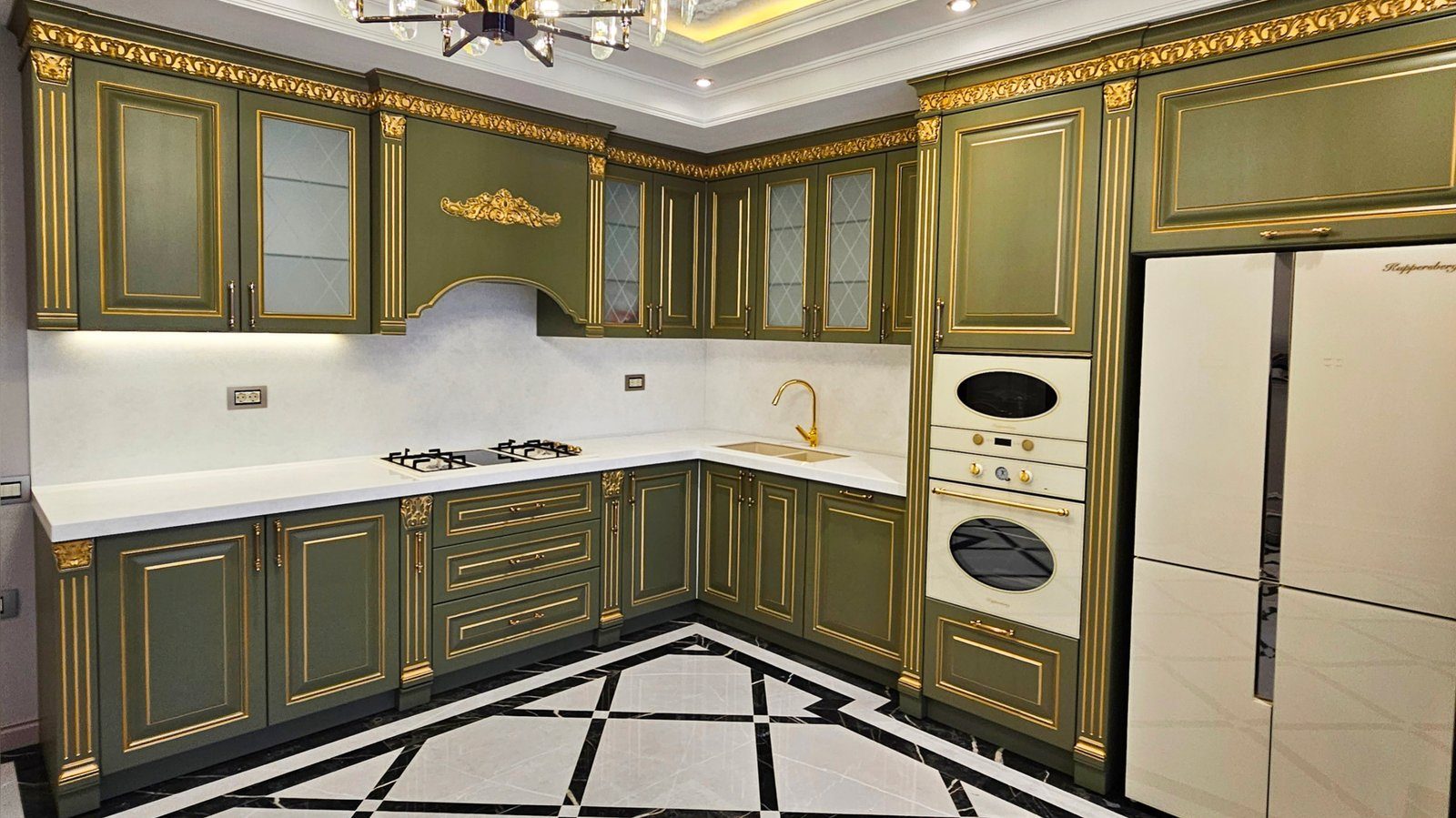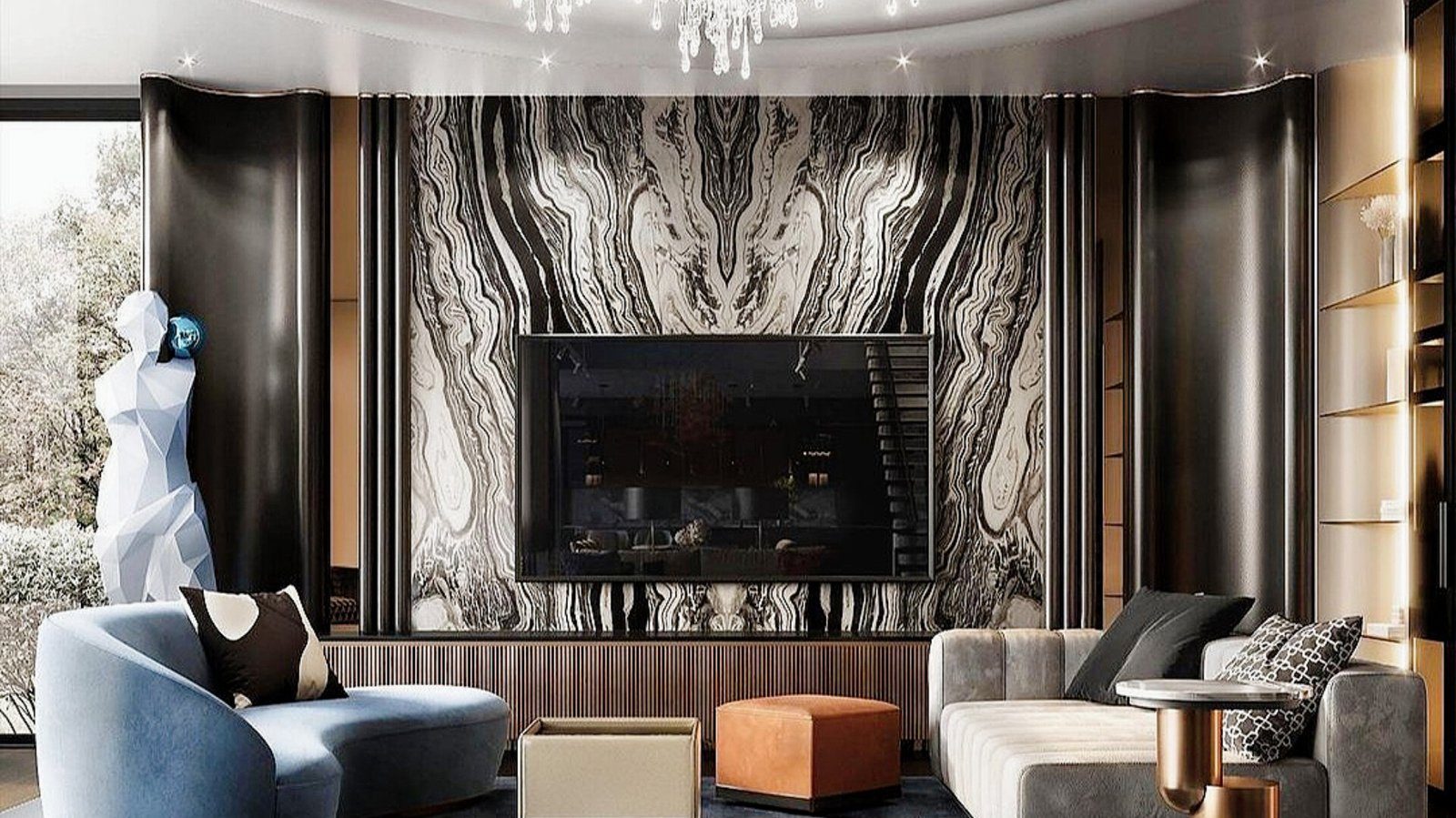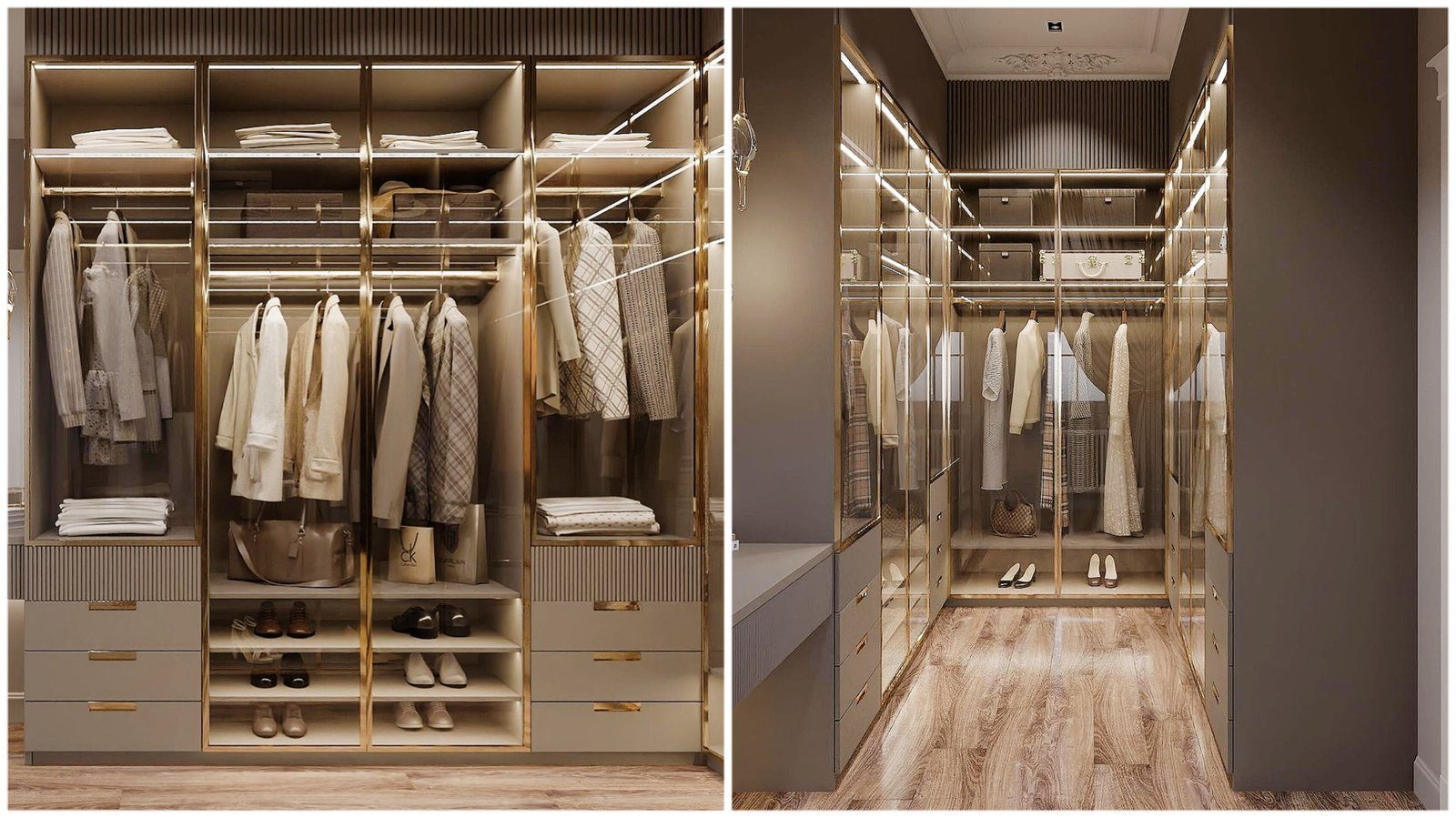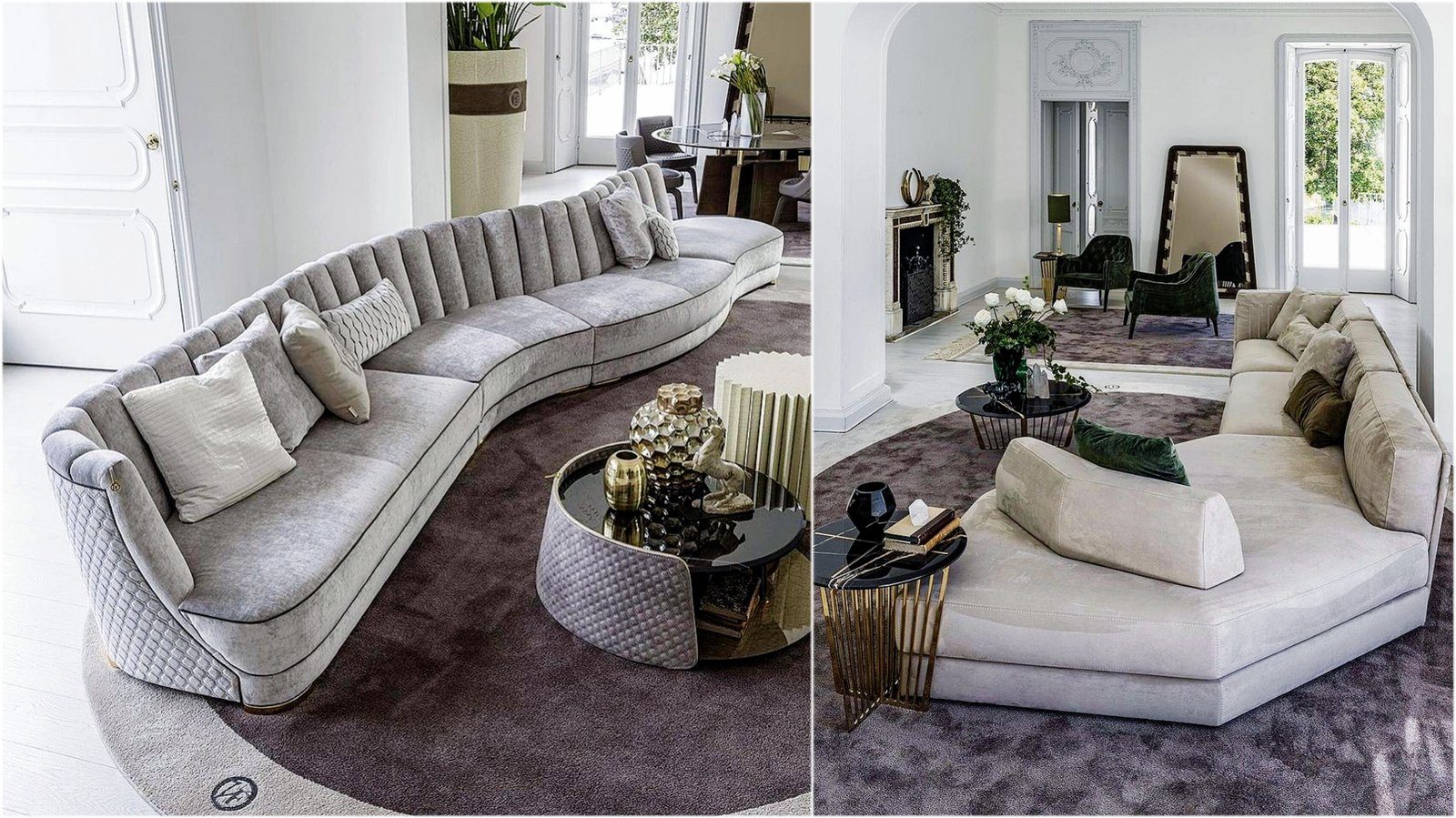

Egger is an Austrian manufacturer of wood-based materials, offering furniture boards, edge banding and worktops in a wide decor collection. That breadth is both an advantage and a challenge: flicking through the catalogue, a client sees dozens of similar oaks and whites and greys in several shades, and struggles to picture how each will look in a kitchen or wardrobe. Choosing in a sequence of steps cuts that confusion considerably.
Decide the role first
Every decor plays a role in the furniture. Before choosing, ask: will this surface be a background or an accent? Fronts that cover a large area, such as a floor-to-ceiling wardrobe wall, become part of the room's backdrop, and calmer decors work better there. Small areas, such as open shelves, an island or part of a TV unit, are the place for a more expressive decor.
The collection falls roughly into three groups: wood decors, plain colours and material reproductions such as stone, concrete and metal. Combining two of these groups in one piece of furniture is usually enough; using all three at once easily looks overloaded.
Wood decors: colour, grain and rhythm
When choosing a wood decor, look at the character of the grain, not just the colour. Some decors have straight, quiet grain; others are knotty, cracked and strongly contrasting. On a large area a bold pattern soon becomes tiring and repeated motifs stand out. A calm grain does not wear on the eye over time.
Grain direction is also a decision. Vertical grain makes a room feel taller, horizontal grain makes it feel wider. Across a single wall of fronts the grain direction should stay consistent, otherwise the surface looks patchy. On drawer fronts, grain that flows continuously from one front to the next is a sign of quality work.
Surface texture
Egger decors come in a range of surface textures: smooth matt, gloss, textures imitating wood pores and more. The same colour with a different texture creates a completely different impression. On some wood decors the texture is synchronised with the pattern, so the pores you feel with your fingers sit exactly on the visible grain and the surface comes very close to real wood. Egger offers this type of surface under the name Feelwood.
Texture also affects care. On a deeply textured surface small scratches are less visible, but dirt can collect in the pores. Gloss reflects light and brightens a room but shows fingerprints and scratches more. On handleless fronts the difference is especially noticeable.
Check samples in real light
Catalogues and screens do not reproduce colour faithfully. The same grey decor can look cold in daylight from a north window and beige under warm lamps in the evening. The final decision should therefore be made with a sample board. Take it to the room where the furniture will stand, hold it upright, since fronts are vertical, and look at it at different times of day.
A small sample does not fully show how a decor will look over a large area. Dark decors look darker on big surfaces, light ones look lighter. If you can see the same decor on furniture already made for someone else, take the opportunity.
When choosing a decor, think about future care too. Very light plain colours quickly show marks in kitchens and children's rooms, while very dark matt surfaces highlight dust and water drops. Mid-tone decors with a light texture need the least attention in everyday use.
Combinations and edge banding
A few simple rules for a successful combination:
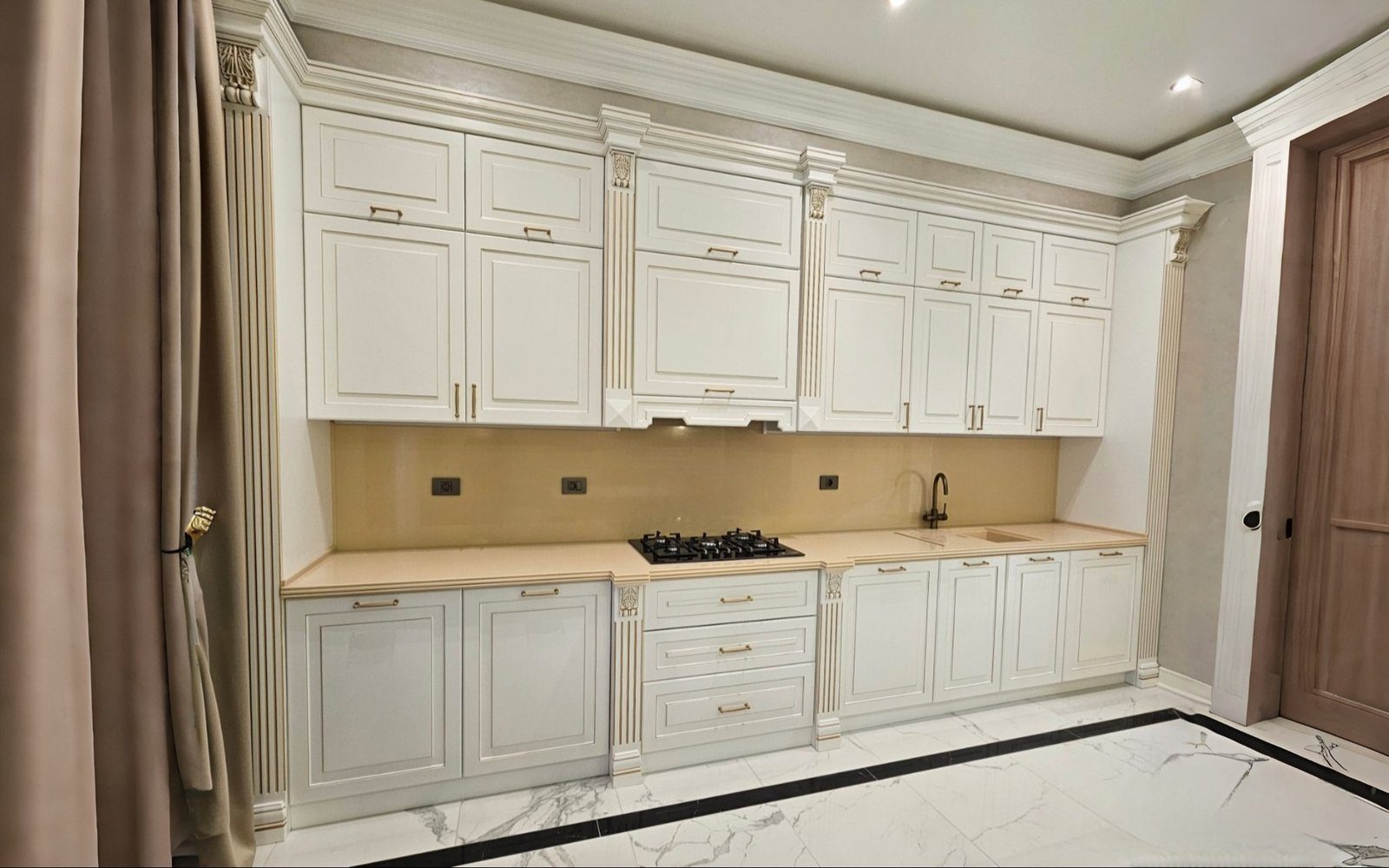
- When pairing a wood decor with a plain colour, match the colour to the wood's undertone: warm white with yellowish oak, cool white with cool grey wood.
- Avoid placing two different wood decors side by side; they compete and look like a mistake.
- Keeping the carcass interior in a light, neutral decor often makes the contents easier to see.
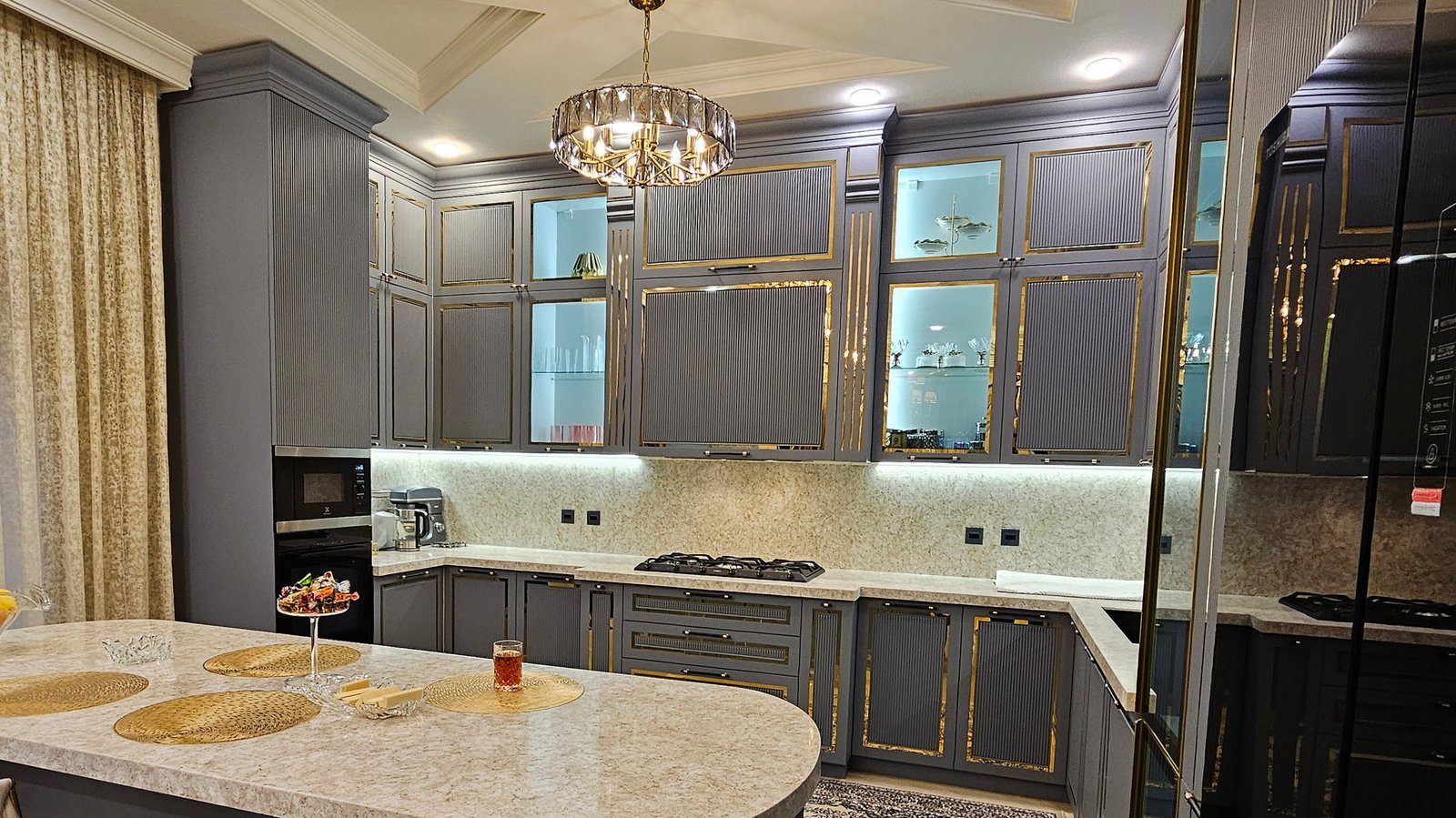
- If a worktop, fronts and a wall panel share a room, check them side by side as samples.
Edge banding that matches the decor is a small but visible detail. Matching edge banding is available for Egger boards. A front with a cut edge sealed in a different colour looks cheap, so confirm when ordering that the banding matches the decor.
Zaferoglu Mebel uses Egger boards for carcass and front work. Decor samples can be viewed at the office, and a suitable combination chosen together based on the room where the furniture will stand.