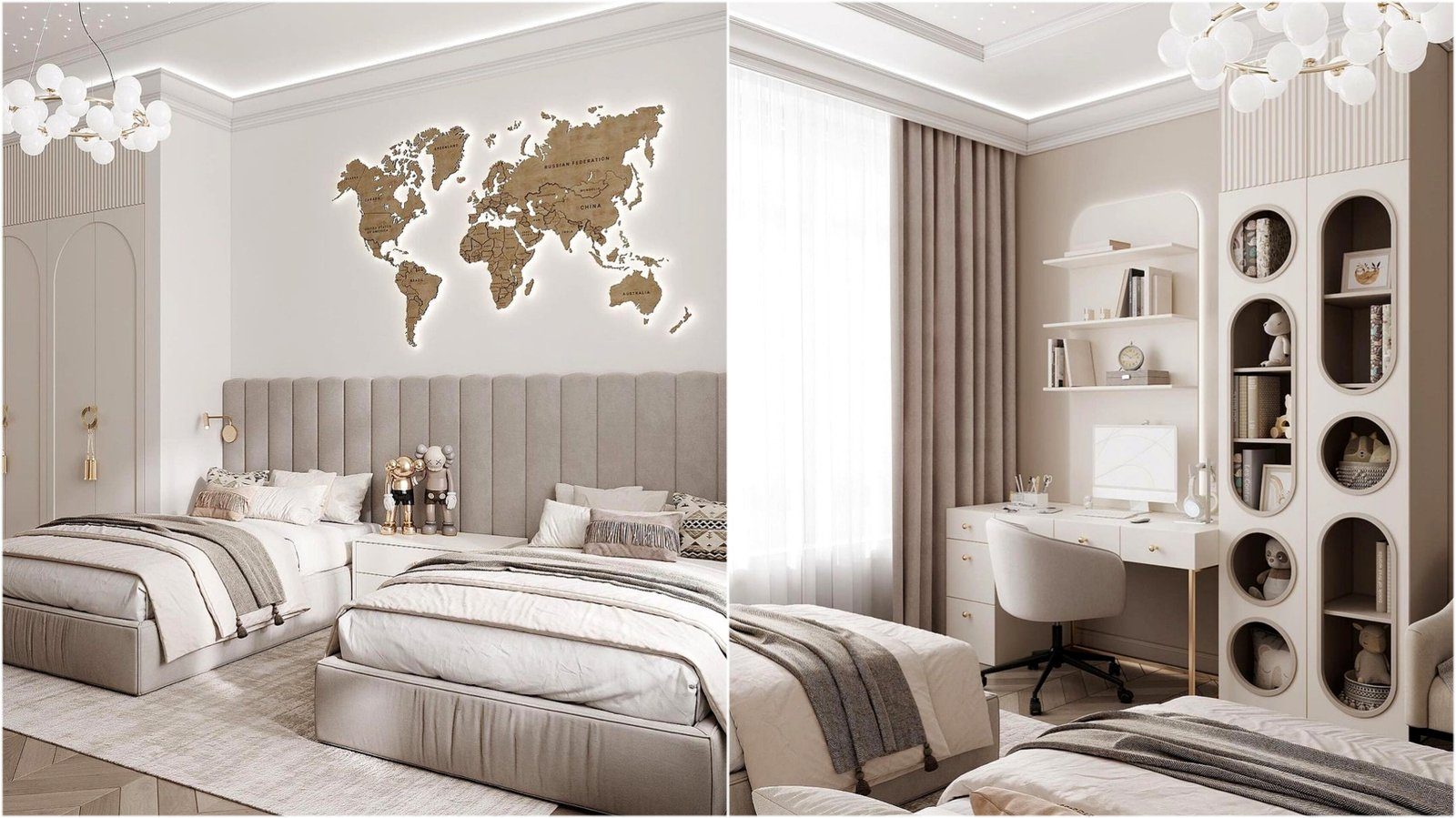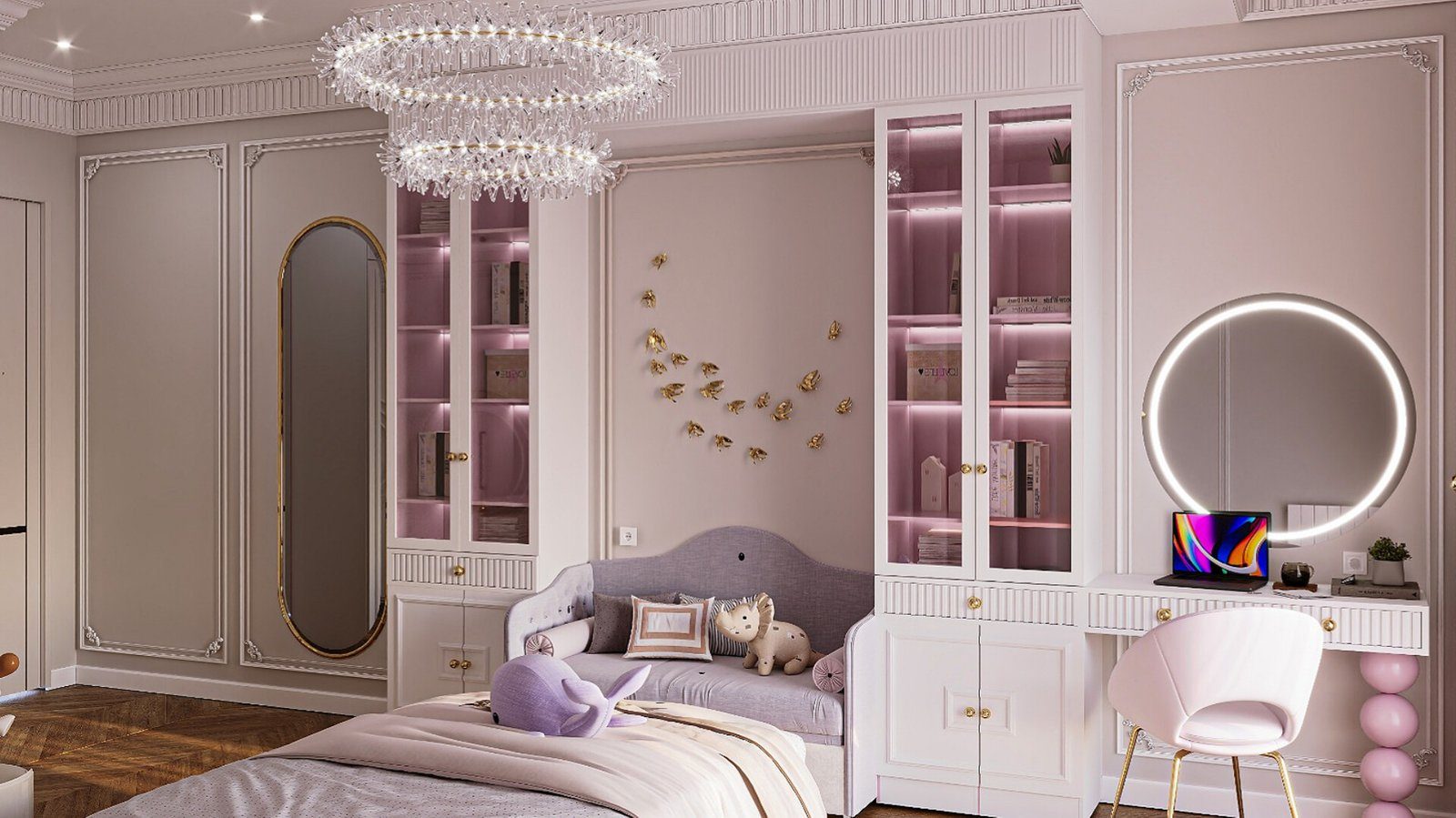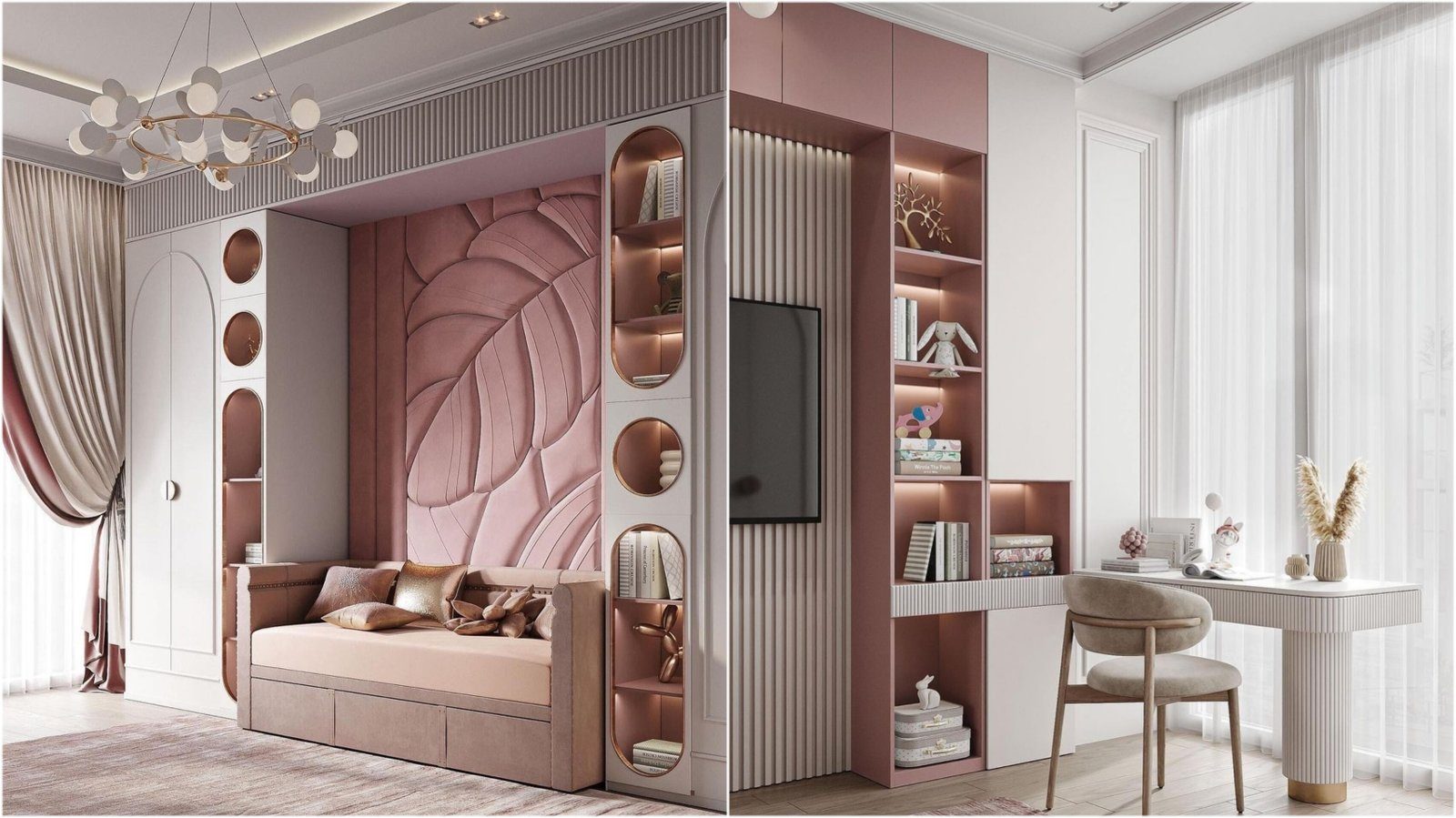

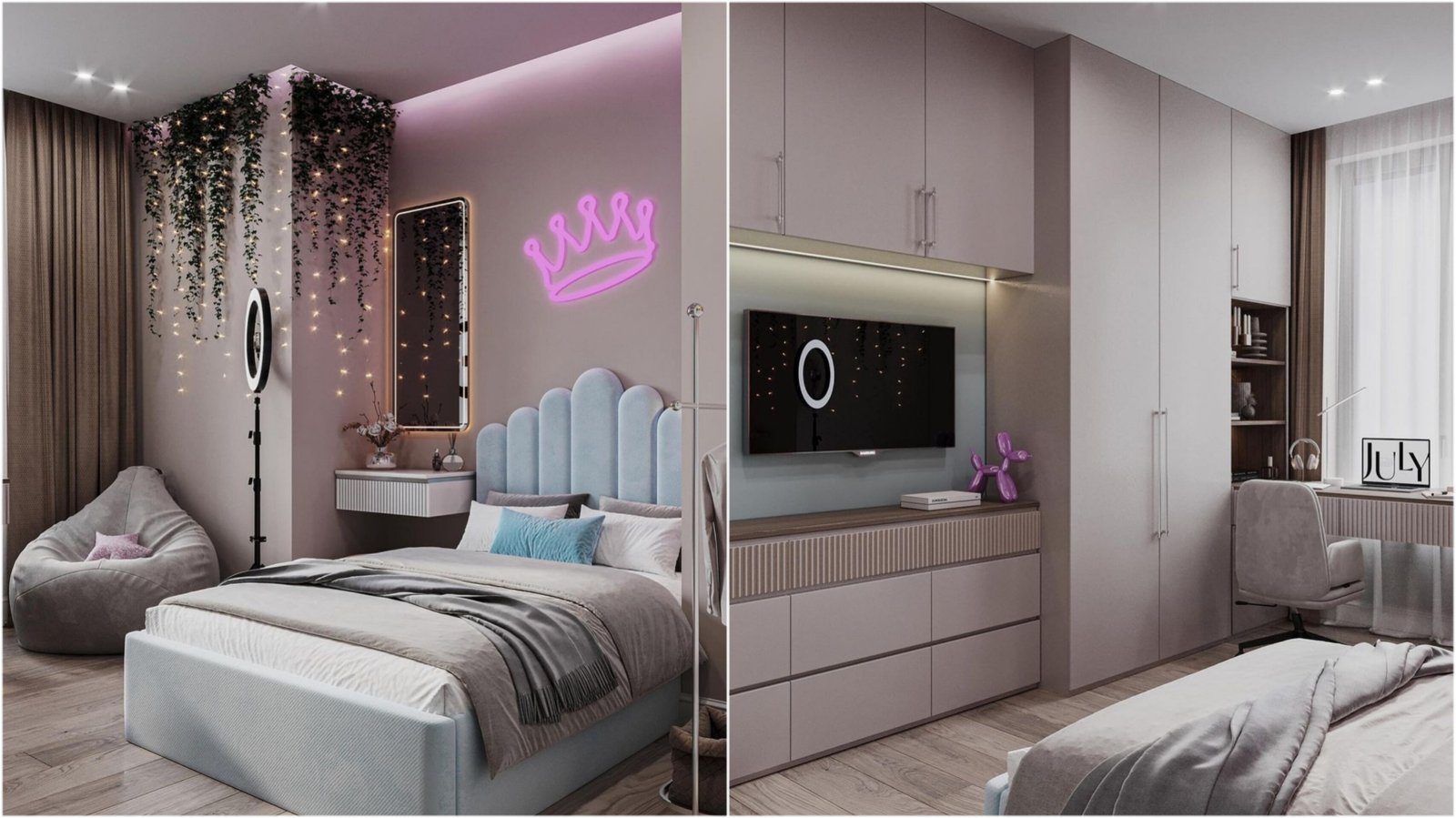
Children often prefer to read not at a desk but somewhere cosy and slightly hidden: among cushions, by a window, in a tent under the bed. A reading nook is a small space of their own that supports this natural habit. It does not need much room, but if its position, seat, book storage and light are not thought through, it may go unused. A well-made reading nook becomes a place the child wants to come back to.
Choosing the spot
The best place for a reading nook is a quiet part of the room away from the walkway. Some typical options:
- by the window, where daylight is best and a window seat doubles as reading spot and storage;
- a wall niche or the gap between cabinets, which naturally feels enclosed and nest-like;
- under a raised loft bed, with a soft mattress and shelves creating a hidden corner;
- a corner of the room, using two walls for back support and shelving.
Putting the nook in the middle of the play area or next to the computer desk is not a good idea, because other activities distract.
Seating to suit the child's age
The type of seat depends on the child's age and reading habits. Young children like to lie on the floor among cushions, so a soft mat, a pouffe and large cushions are enough. Older children and teenagers want a seat with a back, a small armchair or a window seat.
When choosing seating, remember:
- there should be back support, whether a wall, an upholstered panel or cushions;
- the seat fabric should be removable and washable;
- a window seat should be deep enough for the child to sit with legs tucked up;
- the space under the seat can be used for storage with boxes, drawers or a lift-up lid.
If a lift-up storage lid is chosen, a soft-closing mechanism or a light lid is important so it cannot trap a child's fingers.
Shelves that show the covers
Children's books are usually thin but large in format. On an ordinary shelf only the spines show, and a young child recognises a book by its cover, not its spine. That makes forward-facing shelves more effective in a reading nook: narrow display shelves with a small lip or rail at the front. Books stand facing out and the child can easily choose.
Other tips:
- shelf height should suit the child's height so they can take books and put them back without help;
- keeping a few books face-out and the rest in boxes or on ordinary shelves, then rotating them from time to time, keeps interest alive;
- wall-mounted shelves must be fixed with strong anchors, because children may lean on or climb them;
- shelf edges should be rounded or protected with edge banding.
Lighting
Light in a reading nook is not just atmosphere but important for eye health. By day, window light is best, though direct sun creates glare on the page and a light curtain softens it. For evenings, a directional reading lamp is needed next to the seat. A wall-mounted or shelf-mounted lamp is safer than a floor lamp, because it cannot be knocked over.
The light should be warm or neutral and bright enough for reading. Soft background light under shelves gives the nook a magical feel but does not replace reading light. All cables should be out of the child's reach or in a cable channel.
Build it together with the child
The most important condition for success is that the child sees the nook as their own place. Choosing the fabric colour, cushions and a few decorative touches together strengthens that feeling. A small board, a favourite toy or the child's own drawing makes the corner personal.
The nook should grow with the child. A child reading picture books among cushions today will be reading novels in a few years and will want more shelves and a more grown-up seat. Modular shelves and replaceable soft elements make that transition easier.
Build the reading nook, window seat or alcove into Zaferoglu Mebel's first sketch, and it becomes part of the same structure as the wardrobe and bed, using no extra floor.