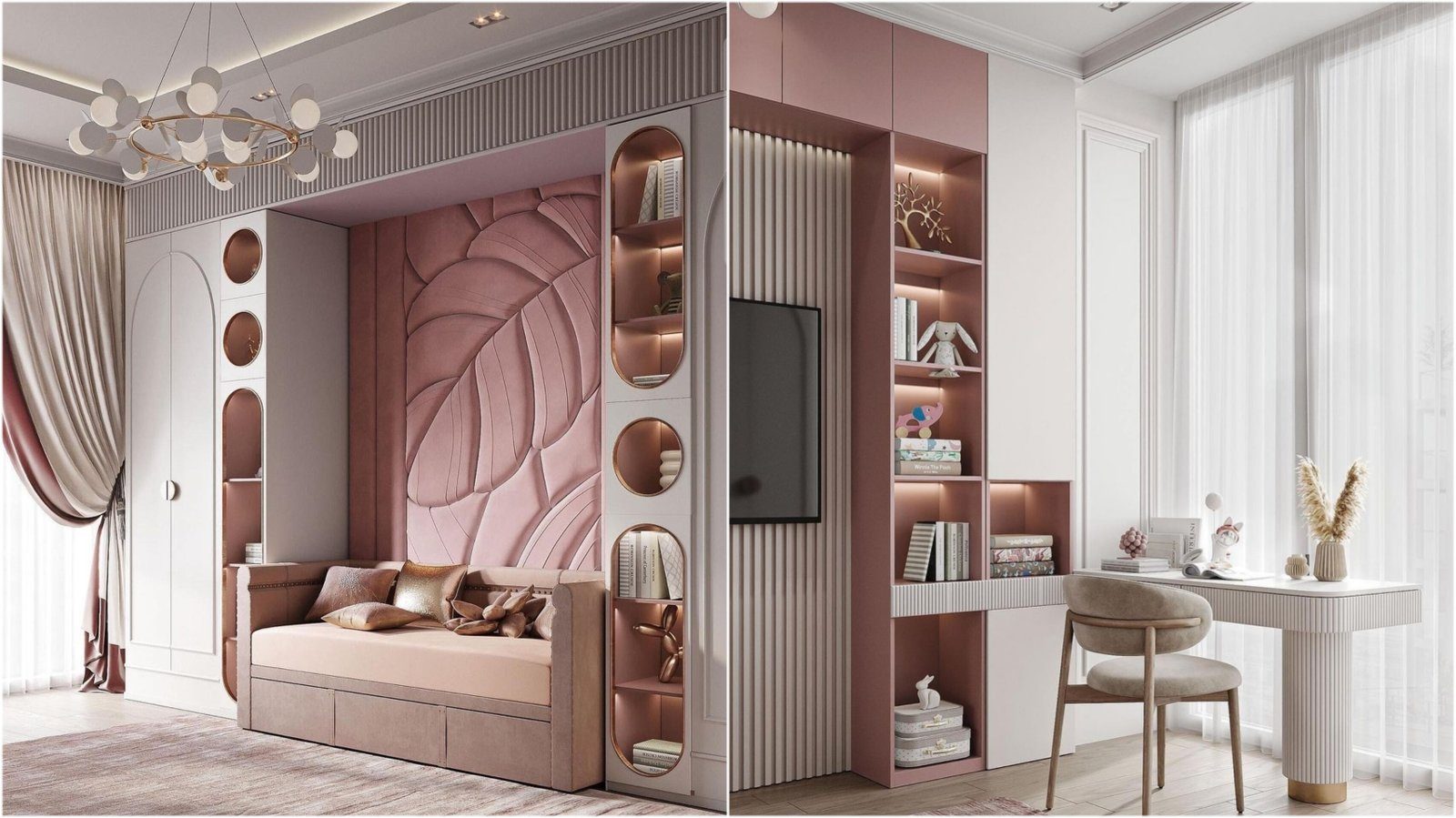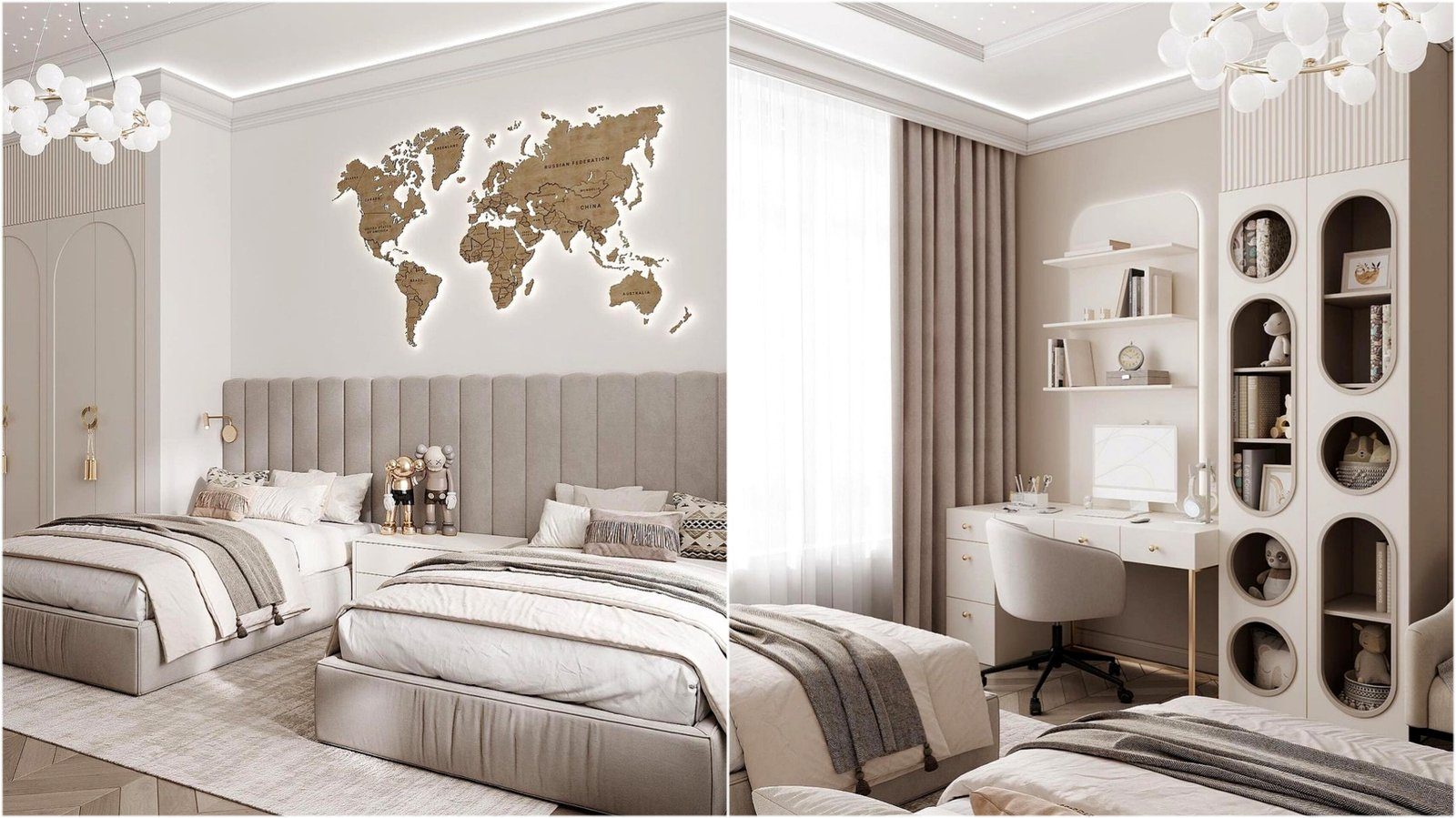

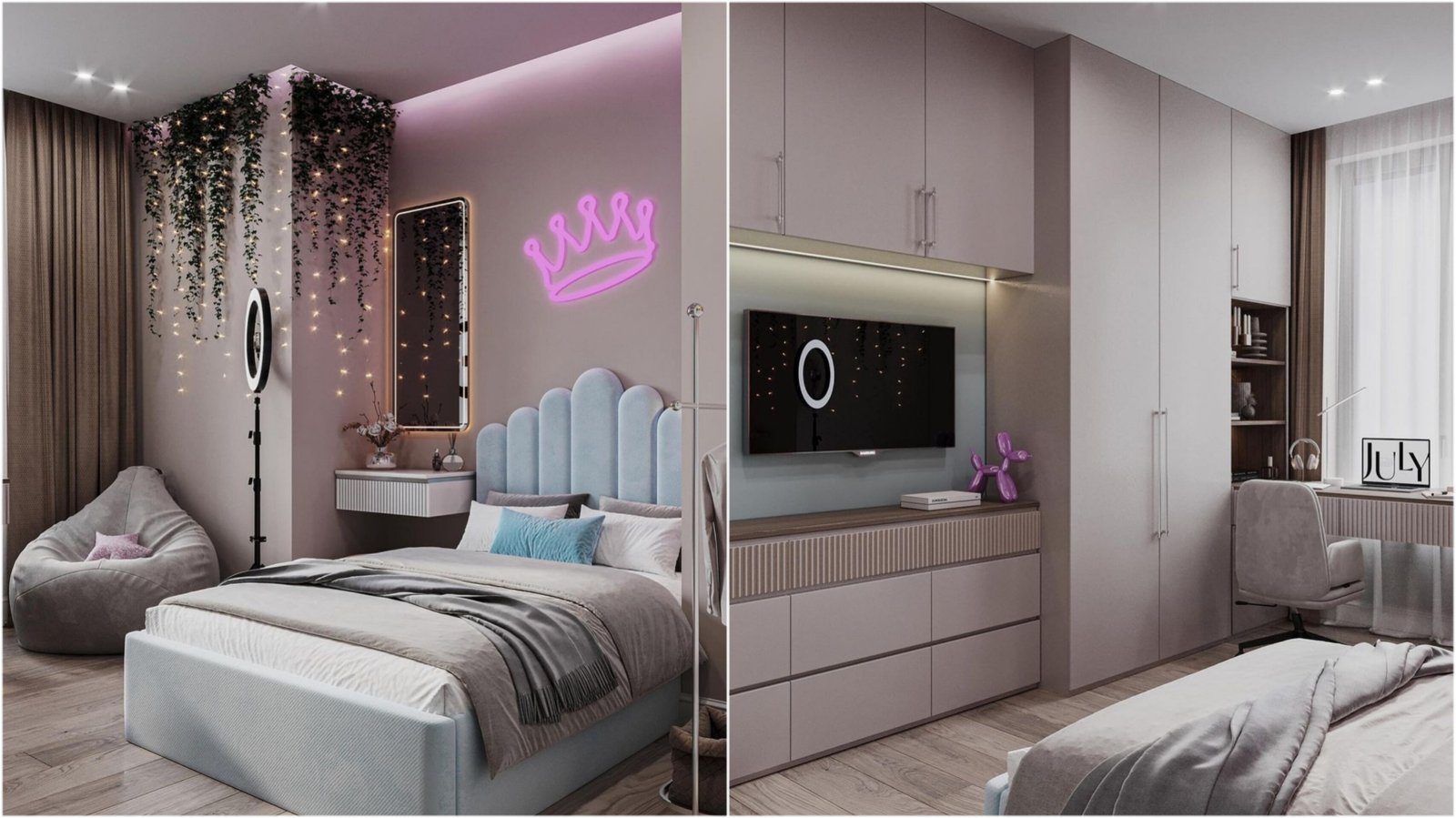
Mess in a child's room usually comes not from having too many toys but from it being unclear where they belong. When everything is thrown into one big box, the child empties it to find the toy they want, and at the end of play putting it all back seems hard and pointless. A well-planned storage system reduces the parents' workload and teaches children from an early age to look after their things. The key is furniture that suits the child's height and way of thinking.
Within the child's reach
Toys a child uses independently should be at a height they can reach. For a young child that means several low shelves starting from the floor. If the child has to climb on a chair to get or return a toy, either a parent gets called or the toy is left on the floor.
Higher shelves serve a different purpose: sets with small parts, items that could be dangerous for a younger child, paints and modelling clay used under supervision, and toys currently out of rotation. This split helps with both safety and tidiness.
Open shelves and boxes
For young children, the easiest system to understand is low open shelves holding boxes. Each box has one category: blocks, cars, dolls, construction sets, musical toys. When a box has a picture rather than a word on it, even a child who cannot read yet knows where everything goes.
Boxes should be light and sized so a child can pull them out and put them back with two hands. A very large box becomes heavy when full, and the child cannot return it to the shelf. The shelf depth should suit the box so it does not stick out and fall. Leaving a few eye-catching toys on the open shelf without a box also brings the room to life and invites play.
Drawers: what to look for
Drawers look tidier than boxes because their contents are hidden. For children, though, they need a few things:
- full-extension runners, so toys at the back are visible too;
- a drawer stop, so the box cannot be pulled clean out and land on small feet;
- soft closing, which reduces the risk of pinched fingers;
- a handle or edge that a child can grip easily;
- moderate depth, because in very deep drawers toys pile up and those at the bottom are forgotten.
Dividers or small baskets inside drawers stop small toys from getting mixed up.
Toy chests: popular but need care
A toy chest offers lots of volume and children love it. But a heavy lid can fall on a child's head or fingers. If you choose a chest, the lid should have a mechanism that lowers slowly and stays in any position. In case a child hides inside, it is also important that the lid opens easily from within and that there are ventilation gaps. Alternatively, open boxes on castors without lids offer the same volume without the risk.
Safety: preventing tip-overs
Kids treat shelves as climbing frames and drawers as steps. A tall bookcase, chest or wardrobe loaded at the top can tip forward when a child hangs from it. Every tall piece in a child's room has to be secured to the wall with anti-tip hardware; this is a safety must, not an optional extra. Storing heavy things low and light things high also keeps the centre of gravity down.
Rounded corners, firmly bonded edge banding and avoiding glass elements reduce the risk of injury during play.
A system that grows with the child
Toys change with age: blocks and soft toys give way to construction sets, books, board games and hobby supplies. Adjustable shelves and interchangeable boxes let the system adapt to new needs. A low open shelf can later become a bookshelf, and box sections can be replaced with drawers.
Packing away some toys and rotating them every few weeks is another useful habit: the child greets old toys with fresh interest, and there are fewer things in the room at any one time.
Before ordering, run through these questions:
- Are everyday toys within the child's reach?
- Are the boxes light and labelled with pictures?
- Do drawers have stops and soft closing?
- Is tall furniture fixed to the wall?
- Can shelves be adjusted as the child grows?
For a playroom or child's bedroom, Zaferoglu Mebel works to the room's dimensions and the child's age; planning toy storage early leaves floor for play and makes tidying quick.