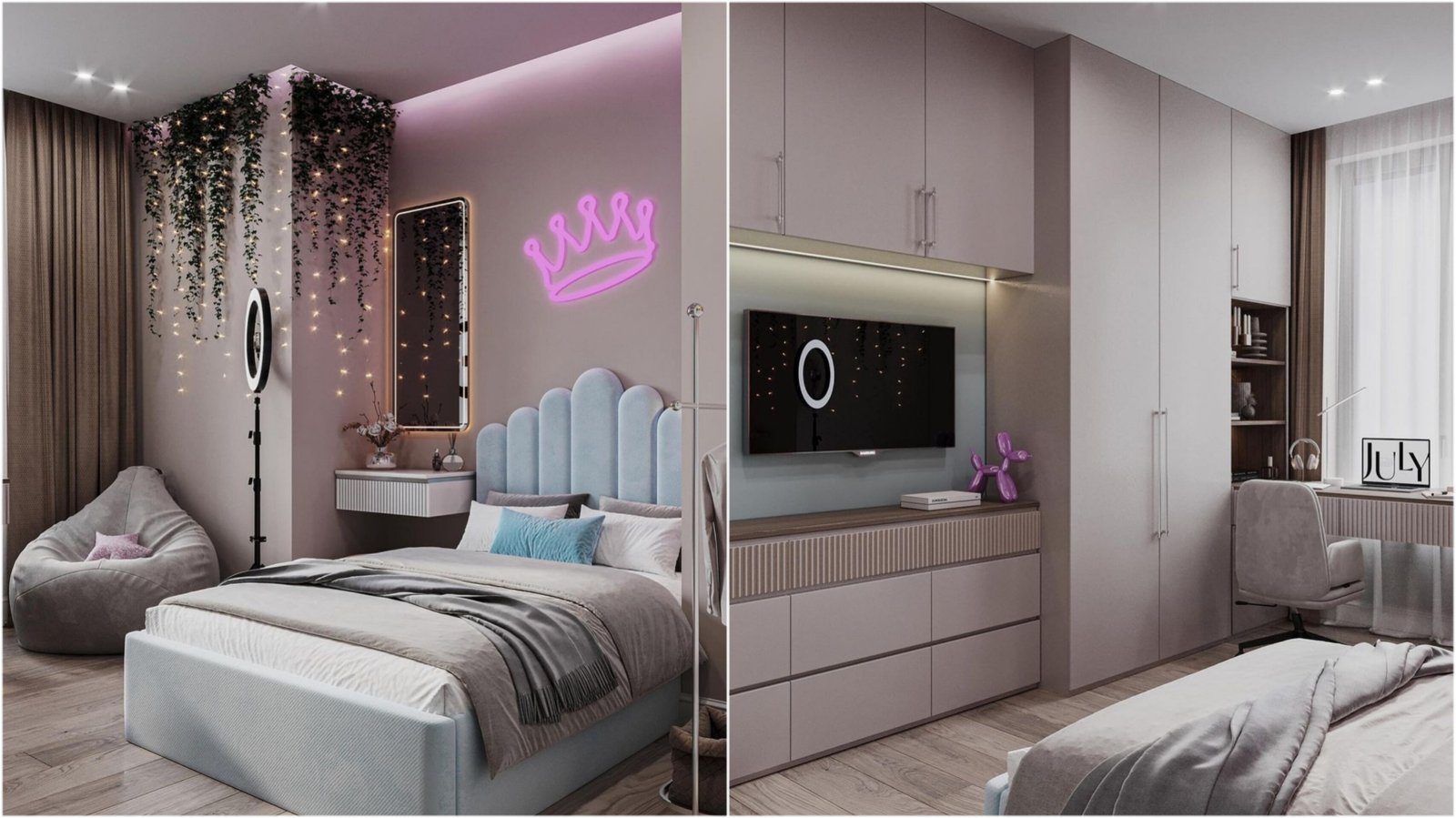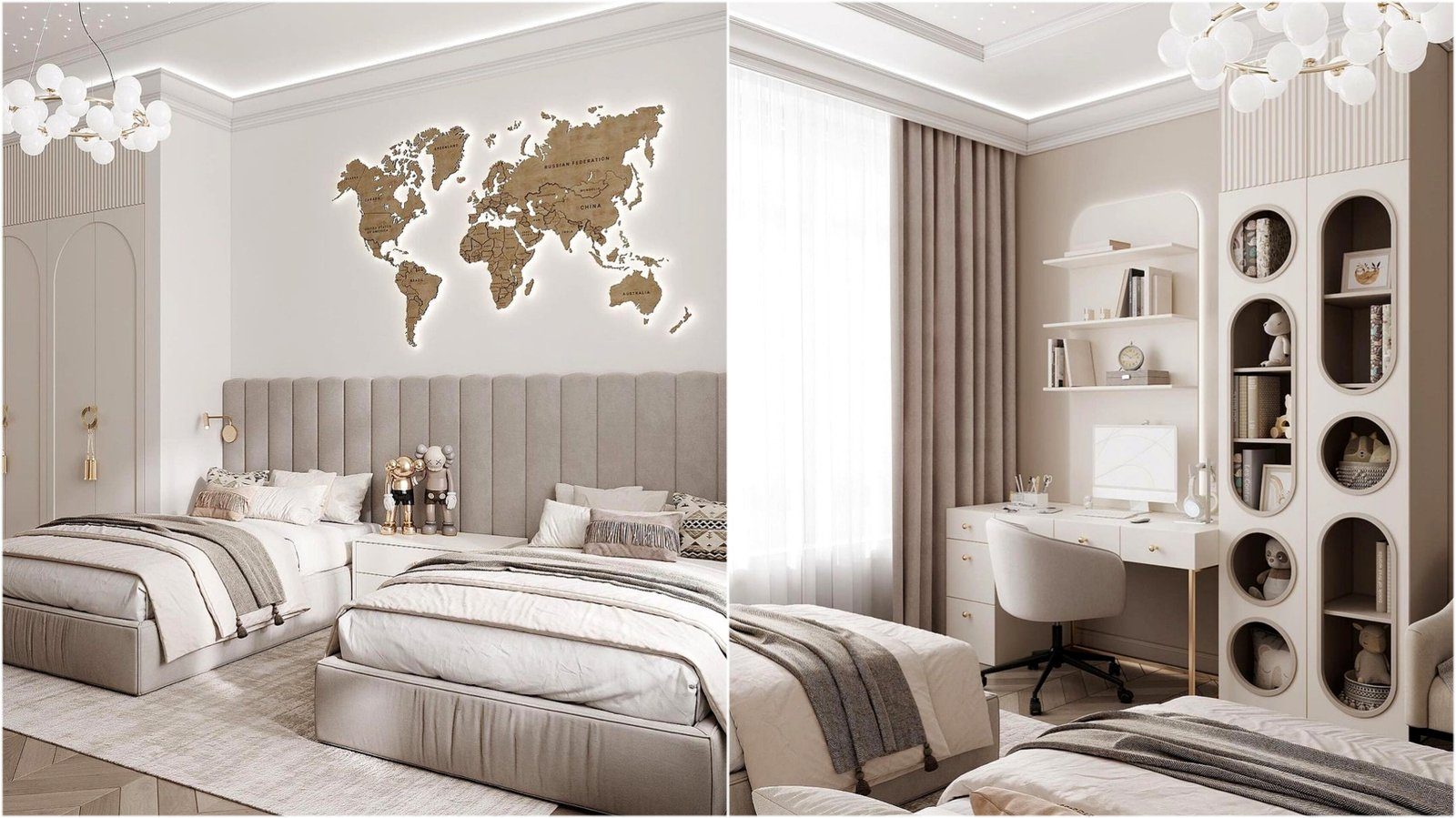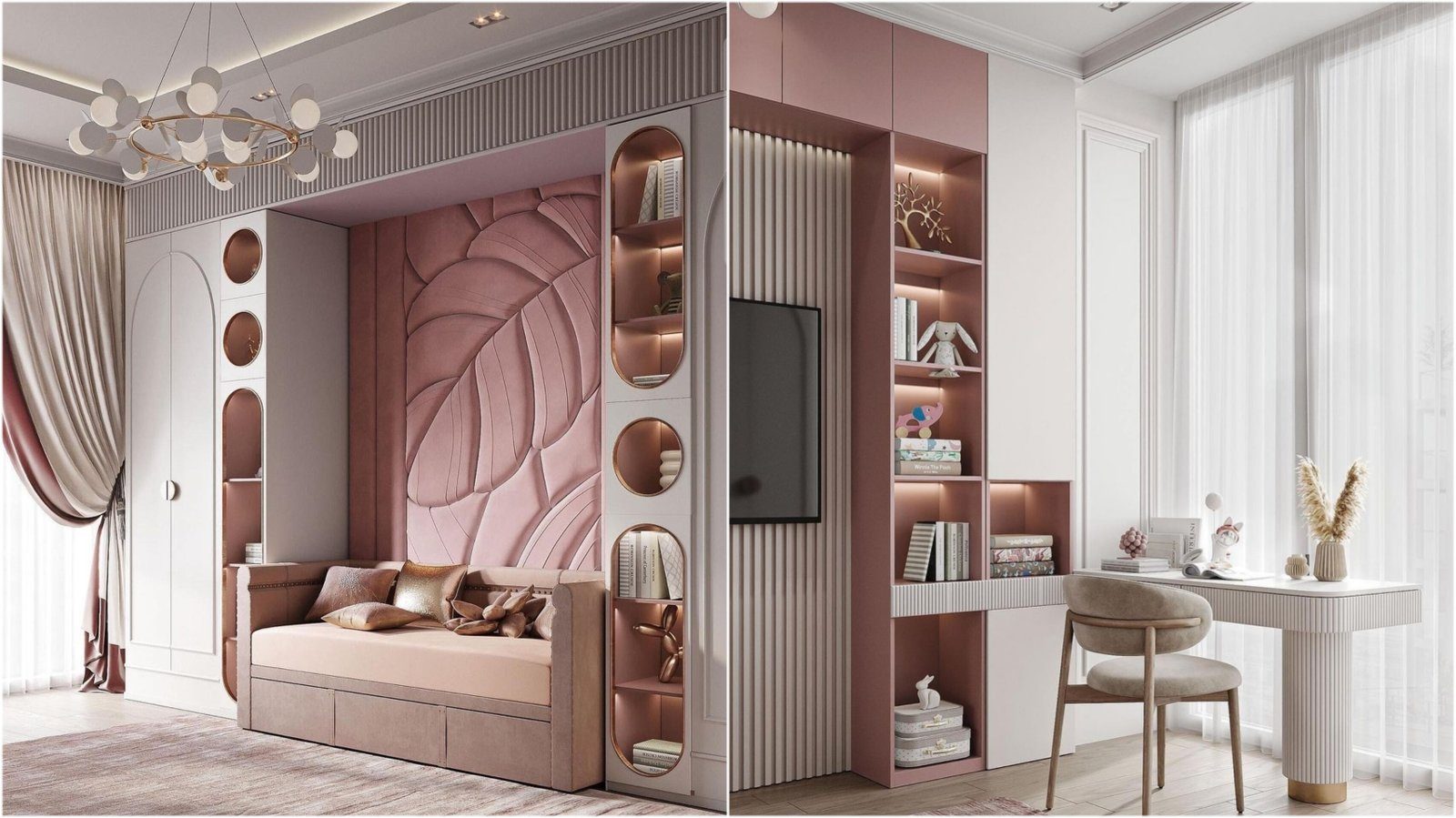

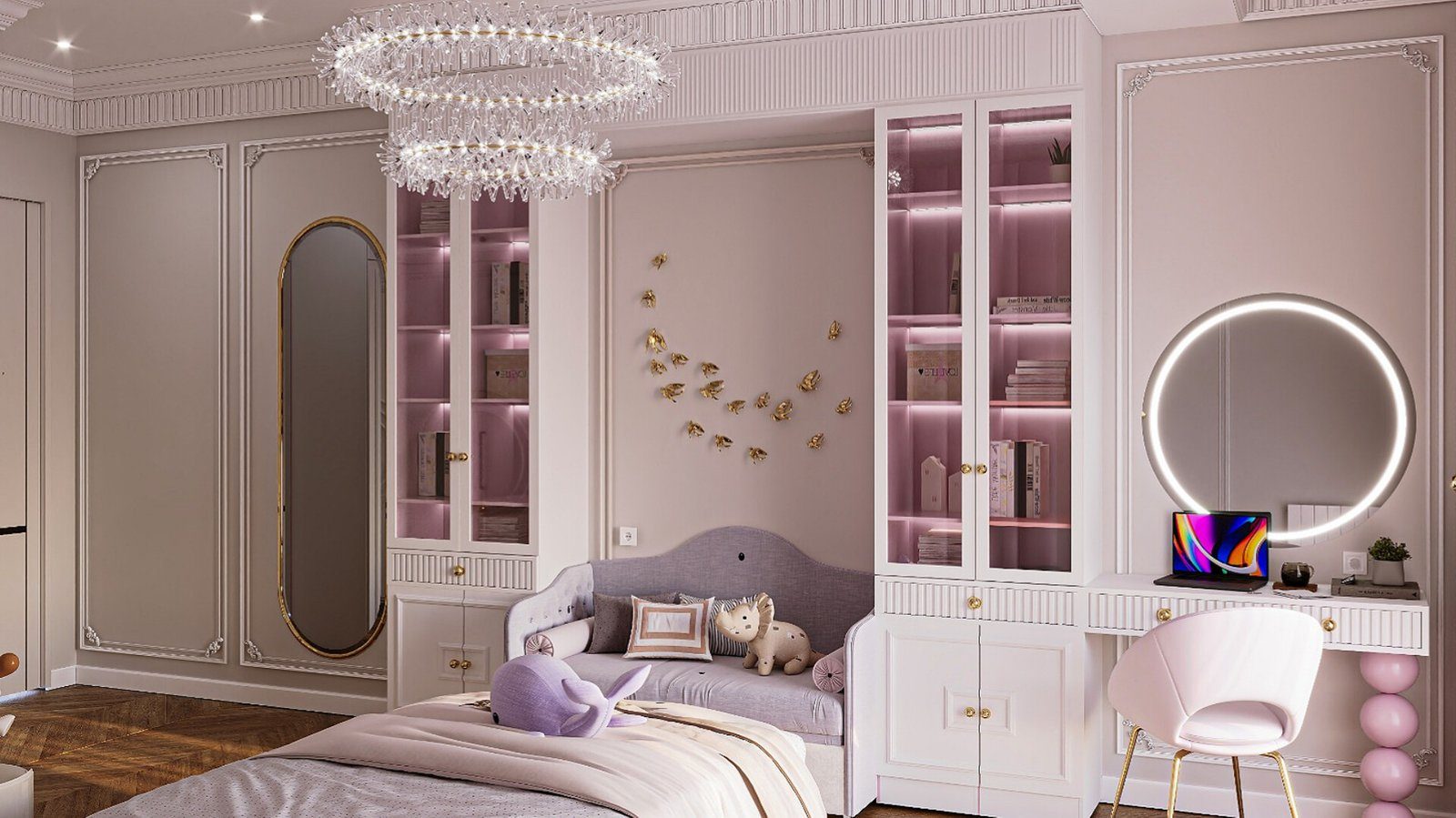
When choosing a child's bed, parents often end up at one of two extremes: either they buy a bed so small that a new one is needed within a few years, or they put an adult-sized bed in a small child's room "so it lasts" and fill half the room. The right decision means considering age stages, mattress sizes and the room layout together.
Start with the mattress size
The key dimension of a child's bed is the mattress, not the frame. The bed is made to fit the mattress, and the mattress must sit inside the frame with no gaps, because a small child's hand or foot can slip into a gap at the edge. So it is better to choose the mattress size first and order the bed to match. Planning around widely used standard mattress sizes also makes it easier to replace the mattress later.
The base under the mattress matters as much as the size. A slatted wooden base lets the mattress breathe and prevents moisture building up in a child's bed, whereas a mattress laid on a solid board can sweat underneath. Slat spacing should suit the type of mattress. Frame edges should be rounded and banded, and paints and lacquers should be finishes that are safe for children's furniture. For board materials it is reasonable to ask about the E1 formaldehyde emission class.
Typical sizes by age stage
The sizes below are widely used standard mattress sizes; small differences may exist between manufacturers.
- Cot (up to about three years): a 60×120 cm mattress is the most common size. The cot has bars or panels on all sides, and the mattress base is often adjustable to several heights: high while the baby is small, low once they start to stand.
- Toddler bed (pre-school age): a 70×140 cm mattress is used as a transitional size. The bed is low so the child can climb in and out alone, with a safety rail on at least one side to prevent falls during sleep.
- School-age bed: 80×160, 80×190 or 90×190 cm mattresses are common. Children grow quickly at this stage, so it makes sense to allow extra length.
- Teenage bed: 90×200 cm is the standard single size; if the room allows, 120×200 cm gives more comfortable sleep and can later serve an adult.
A practical rule: after school age, the mattress length should be well beyond the child's expected height so it does not need replacing again a few years later.
Beds that grow
Extendable beds combine several stages in one piece of furniture. The frame extends telescopically or with an added section, and the mattress is either topped up with an extra module or replaced. The advantage is keeping the room's style without changing furniture. The drawback is that the mattress question returns with each extension, so before choosing an extendable bed, check which mattress sizes it works with.
There are also cots that convert into a pre-school bed: one barred side is removed and the cot becomes a low day-bed. This works well for a short transition period.
Height and bunk beds
A low bed is safe for a small child and encourages independence. As children grow, the bed can rise: drawers underneath, or a loft bed with a desk or play area below.
With high beds and bunk beds, several rules are essential:
- The upper bunk needs a high safety rail along its full length, open only at the ladder.
- An upper bunk is not recommended for young children; follow the age recommendations of manufacturers and safety standards.
- The ladder or stepped drawers must be firmly fixed, with non-slip steps.
- There must be enough space between the upper bunk and the ceiling to sit up.
- The structure should be fixed to the wall.
Matching the bed to the room plan
When choosing the bed size, account for the space around it as well as the mattress: access from at least one long side to change bedding, the opening zone of drawers under the bed and the swing of wardrobe doors. In a small room, placing the bed against a wall frees space in the middle for play, but makes it harder to tuck in the bedding on the wall side.
Zaferoglu Mebel makes children's furniture, including beds, to individual dimensions, and a bed can be ordered to fit the mattress size you choose. Planning the bed together with the wardrobe, desk and shelves helps the room stay comfortable as the child grows.