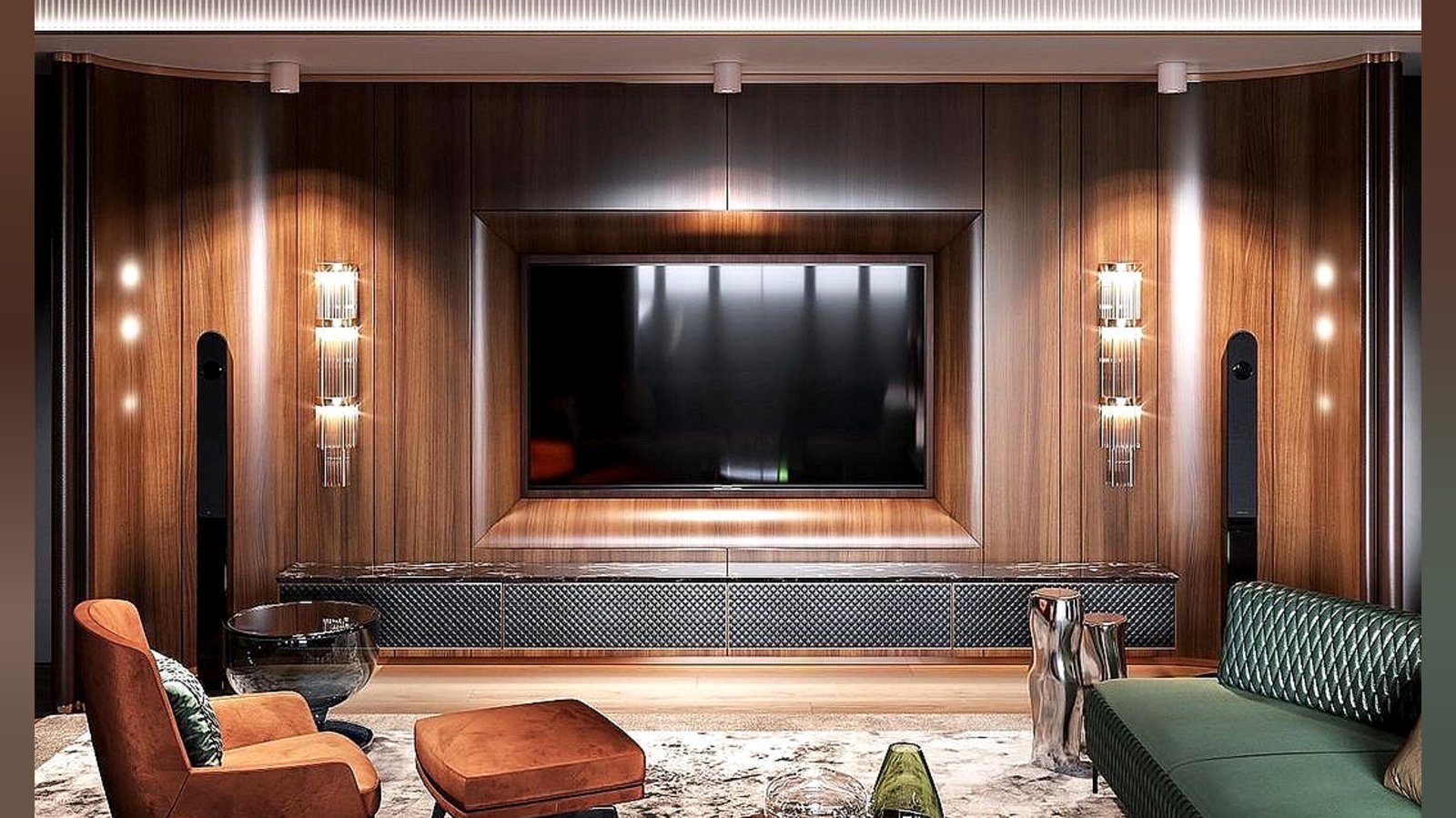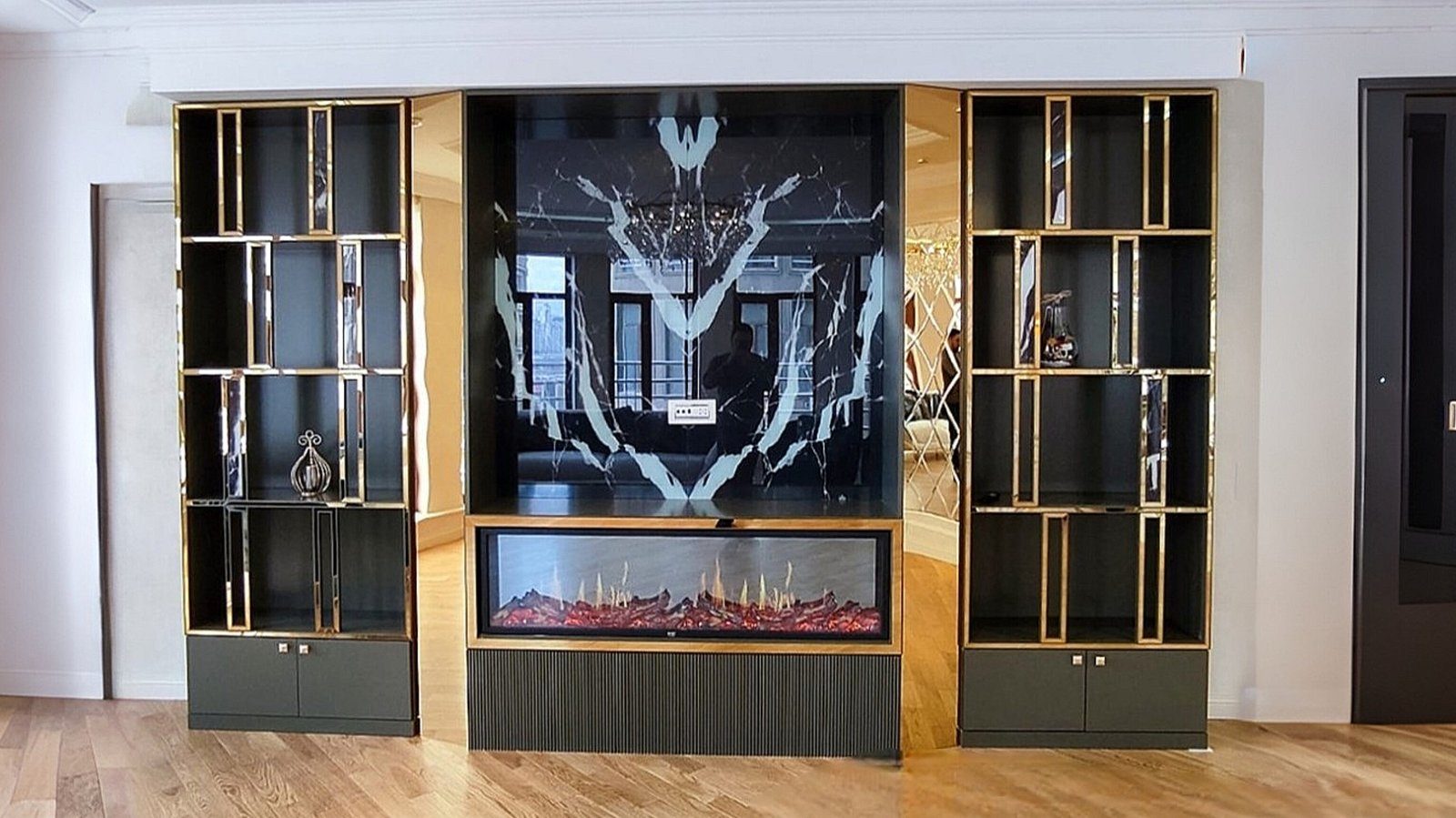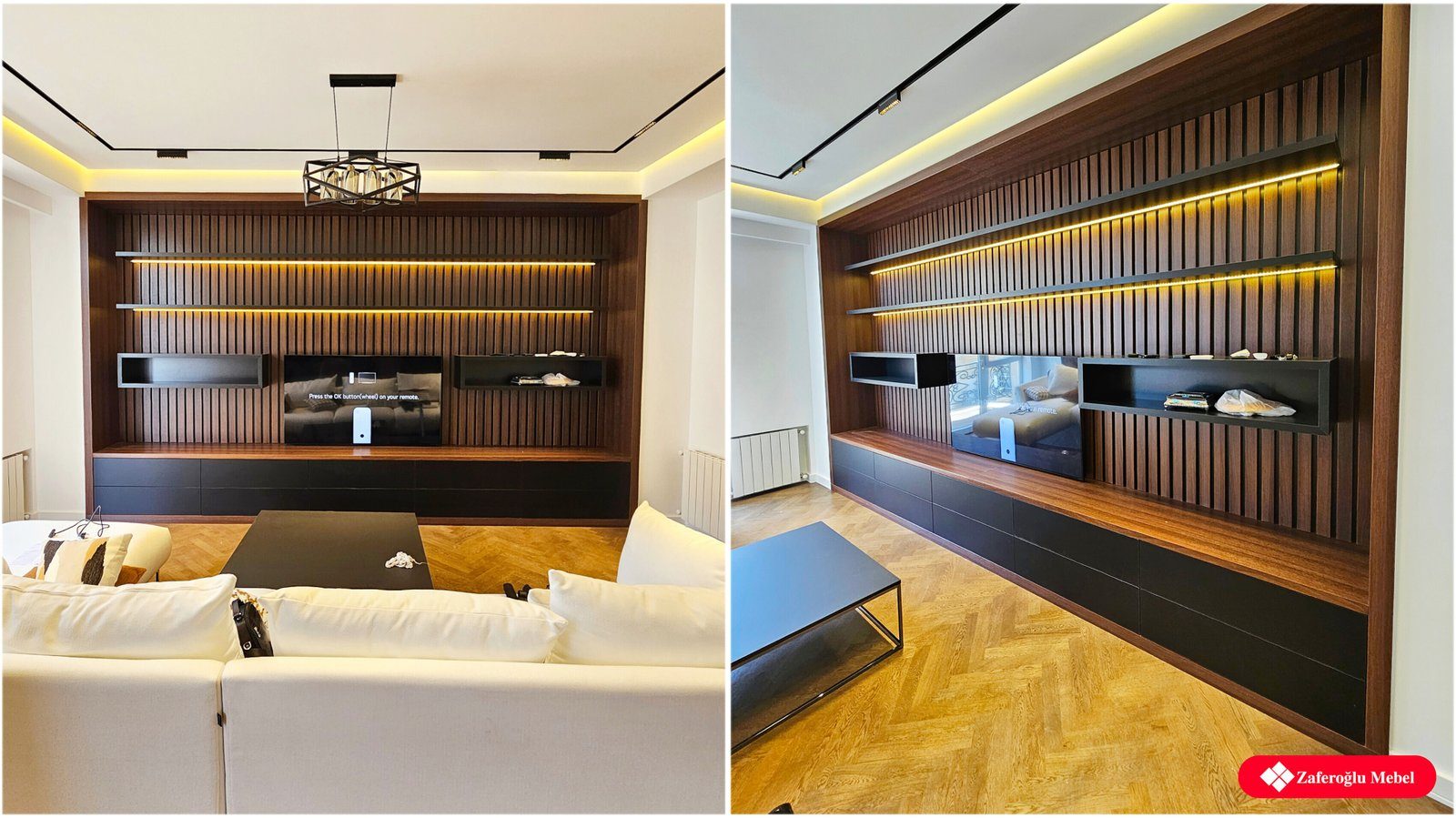

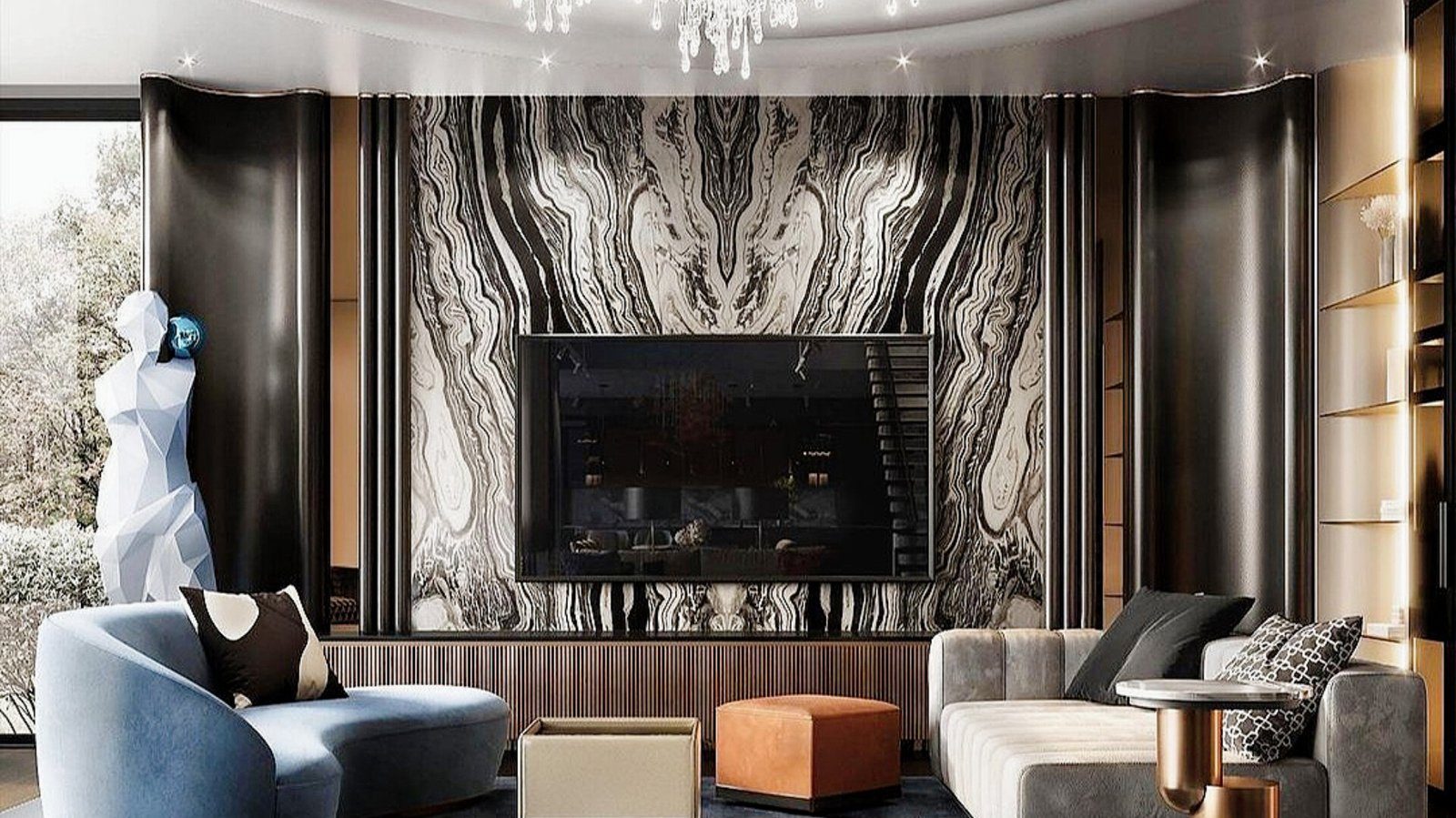
When a new TV is bought, the question is usually asked one way only: what size will fit on the wall? In reality screen size and sofa position cannot be separated. A large screen seen from too close tires the eyes and forces you to turn your head to follow the edges of the picture; a small screen seen from far away loses detail. When planning a living room, think of the screen, the TV unit and the sofa as one system.
Distance depends on size and resolution
There is no single rule for viewing distance, but common guidelines are based on screen diagonal. On high-resolution screens such as 4K, individual pixels are harder to see up close, so viewers can sit nearer; a distance of roughly 1–1.5 times the diagonal is often recommended. On Full HD screens graininess becomes noticeable at close range, so the distance is usually a little greater.
For example, with a screen diagonal of about 140 cm showing 4K content, roughly 1.4–2.1 metres from the front edge of the sofa to the screen is considered comfortable. These figures give direction rather than a strict rule: film lovers prefer to sit closer, while someone watching the news or keeping the TV on in the background is happier further away.
Working it out in reverse
Often the sofa's position is already fixed by the room shape, doors and windows. In that case, first measure from the sofa's seating line to the wall where the screen will go, then pick a screen size to suit that distance. That way the TV is not chosen because it looked good in the shop but suits the room badly.
Allow for sofa depth too. The eyes of a person leaning back are well behind the front edge of the seat. On a deep sofa the real viewing distance can be noticeably greater than the distance drawn on the plan.
Screen height
When the centre of the screen is close to seated eye level, the neck stays in a natural position. The most common mistake is mounting the TV too high, for example above a fireplace or on a tall unit: after an hour-long film the neck aches. For those who like to slouch into the sofa, a slightly lower screen is even more comfortable.
The height of the TV unit should serve that goal. A low, long unit keeps the screen near eye level. If the TV is wall-mounted, check the mounting height while sitting on the sofa, even by taping a paper template to the wall.
Sound is part of placement too. If a soundbar or small speakers sit on top of the TV unit below the screen, their height must not cover the bottom edge of the picture. The unit's depth should comfortably take both the TV stand and the soundbar. A centre speaker in an open niche sounds clearer than one inside a closed cabinet, because the front does not muffle it. These details help define the size of the unit and are best considered before, not after, the TV is chosen.
Angles and seating layout
The best view is from straight in front of the screen. From an armchair placed off to the side, colour and contrast can weaken, depending on the panel type. That is why the main seat, usually the sofa, goes on the screen's centre line, while extra armchairs sit to the sides at angles that are not too steep.
On a corner sofa, anyone sitting on the arm section watches from the side. To avoid this, place the screen not opposite the long section but at a point visible from both sections, or use a swivel wall bracket.
Light and reflections
If a window faces the screen, its reflection shows during the day. If the window is behind the TV, the bright background tires the eyes. The best arrangement is for daylight to fall on the screen from the side. If that is impossible, plan heavy curtains or blinds.
In the evening, watching in a completely dark room is also tiring. Soft backlighting behind the TV or under the unit reduces contrast and creates atmosphere. Plan such lighting together with cable routes when ordering the TV unit.
Planning checklist
- Measure from the sofa's seating line to the screen wall.
- Choose screen size to suit that distance and the picture resolution.
- Plan the screen centre close to seated eye level.
- Put the main seating on the screen's centre line.
- Check through the day whether the window reflects on the screen.
- Make sure the walkway between the TV unit and the sofa stays comfortable.
Because Zaferoglu Mebel builds TV units to size, knowing the screen size and where the sofa will stand lets the unit's width and height be set to suit.