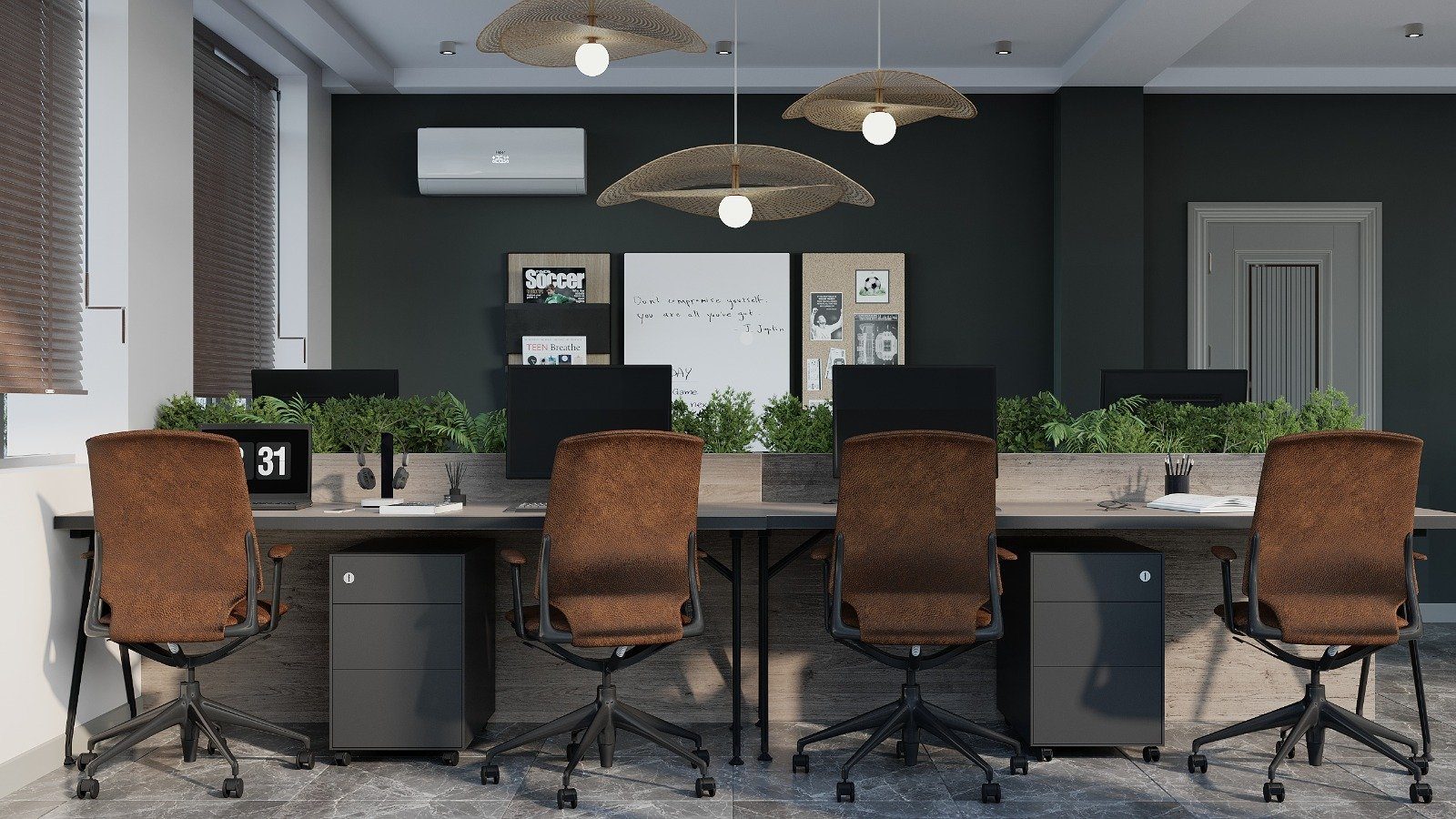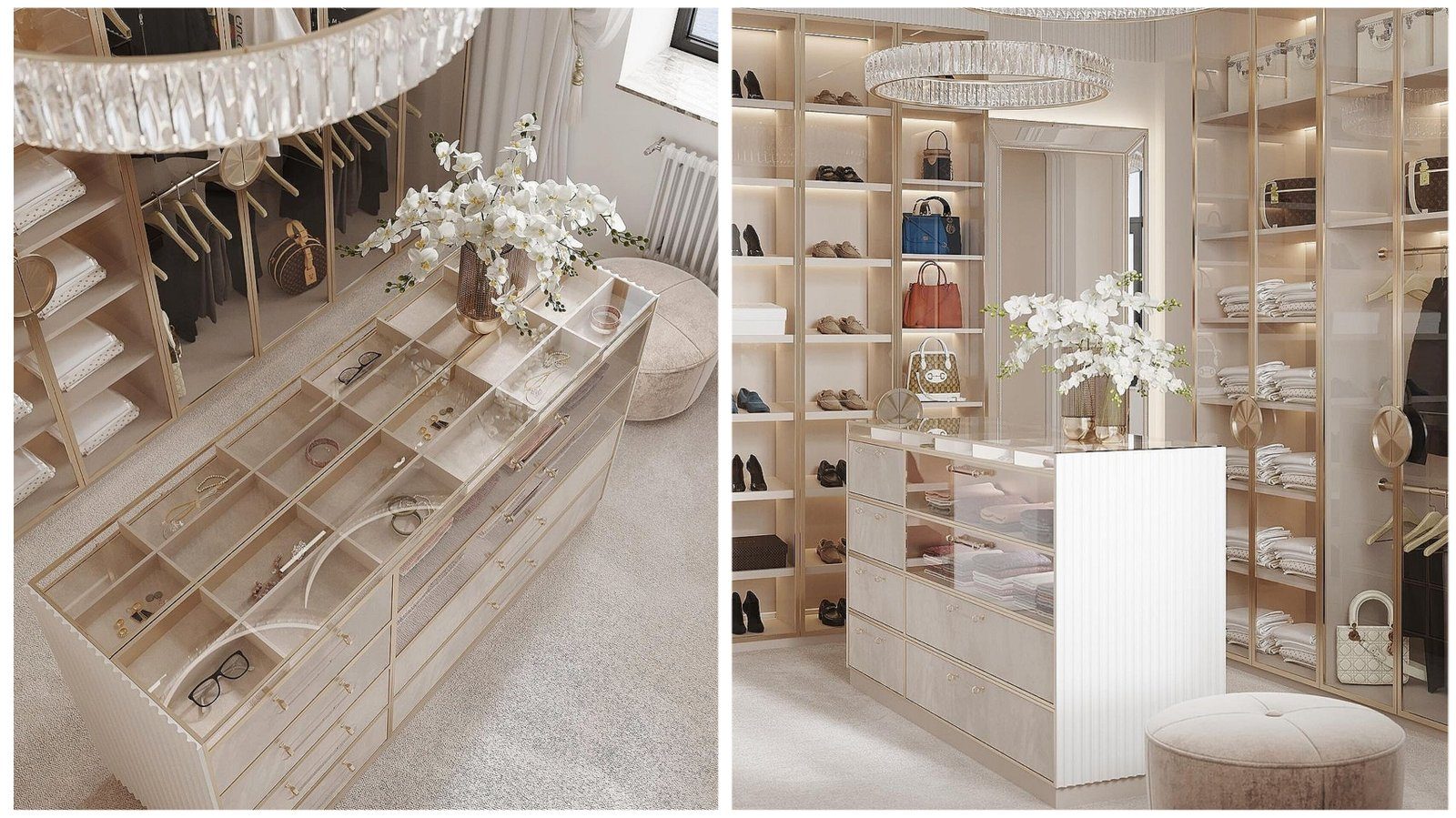

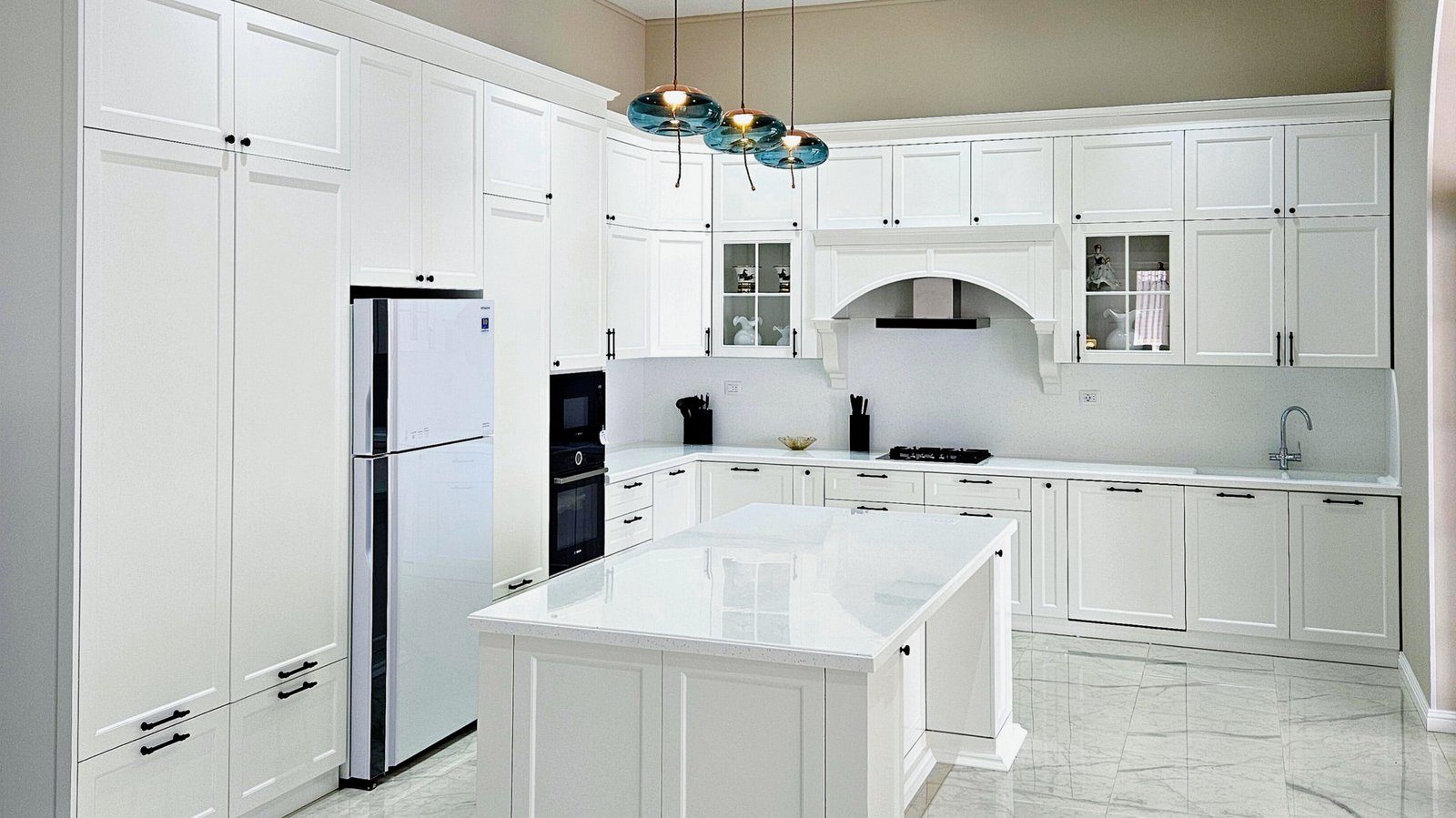
The new kitchen or wardrobe is installed, the fitters have left and the doors close evenly. A month or two later, one door corner sits slightly lower than its neighbour, a drawer front drifts sideways, a hinge starts to creak. This usually does not mean the furniture is poor quality. Furniture settles in its new place, under new loads and in the humidity of the home. Most such changes disappear with a few minutes of adjustment. What matters is telling normal settling apart from a problem that needs a service visit.
What is normal in the first months
Doors and drawers are adjusted during installation while the units are empty. Then cabinets fill with crockery, clothes and food, shelves take weight, and mirrors or hooks go on doors. Hinge screws bed in slightly over the first weeks, and wall cabinets can settle by a millimetre or so under load. As a result, the gaps between fronts change a little.
Seasons play a part too. Humidity at home differs between summer and winter, and board materials respond minimally. Tall doors next to an air conditioner or heater are affected most. These changes are usually small and can be fully corrected by adjustment.
What you can adjust yourself
Current concealed hinges, including the Blum models used in furniture, generally adjust along three axes: side to side, up and down, and in and out. There is a separate screw for each, and half a turn is often all it takes.
- If the gaps between doors are uneven, turn the side adjustment screw.
- If one door sits lower than its neighbour, use the height adjustment, turning both hinges by the same amount.
- If a door does not close flush with the carcass, check the depth screw.
- If a drawer front sits crooked, look for the front adjustment mechanism inside the drawer.
- If a handle is loose, tighten its screw from inside the front, without overdoing it.
Adjust only one screw at a time, a little, and check the result. Turning several screws a lot at once can make the door even more crooked.
When to call the service team
Some problems cannot be solved by adjustment and need a technician:
- swelling at a board edge, lifting edge banding or blistering on the surface;
- a broken hinge or runner, or a drawer that has come off its runners and will not go back;
- a gas strut that no longer holds a flap or bed base up;
- a wall cabinet pulling away from the wall or wobbling;
- cracks or chips on a painted or lacquered surface;
- distortion that appears soon after installation and does not go away with adjustment.
A problem with how a wall cabinet is fixed must not wait. If a cabinet is pulling away from the wall, empty it and contact the service team immediately.
How to prepare a request
For a service request to be dealt with quickly, the information must be precise. Take overall and close-up photos of the problem, and a short video if possible. A video of how a door opens and closes helps the technician understand the issue in advance and bring the right part. Note your contract or order details and the installation date. Write down when the problem started and whether anything changed before it: a water leak, a new appliance, or the furniture being moved.
Warranty terms are set out in the contract. Manufacturing and installation defects are usually covered, while cases such as flooding, impact damage or unauthorised alterations are assessed separately. That is why it is better not to dismantle or cut parts yourself before the service visit.
A once-a-year check
A short check once a year helps furniture last. Open and close every door, pull drawers out fully, check that shelves are not sagging, look for signs of damp under the sink, and check handle and hinge screws. Spotting a small looseness in time stops it becoming a bigger problem later.
Zaferoglu Mebel's furniture is delivered and fitted free, and the warranty lasts one to five years. The company says it remains in contact after handover, so a fault that adjustment cannot cure can be reported with photos attached.