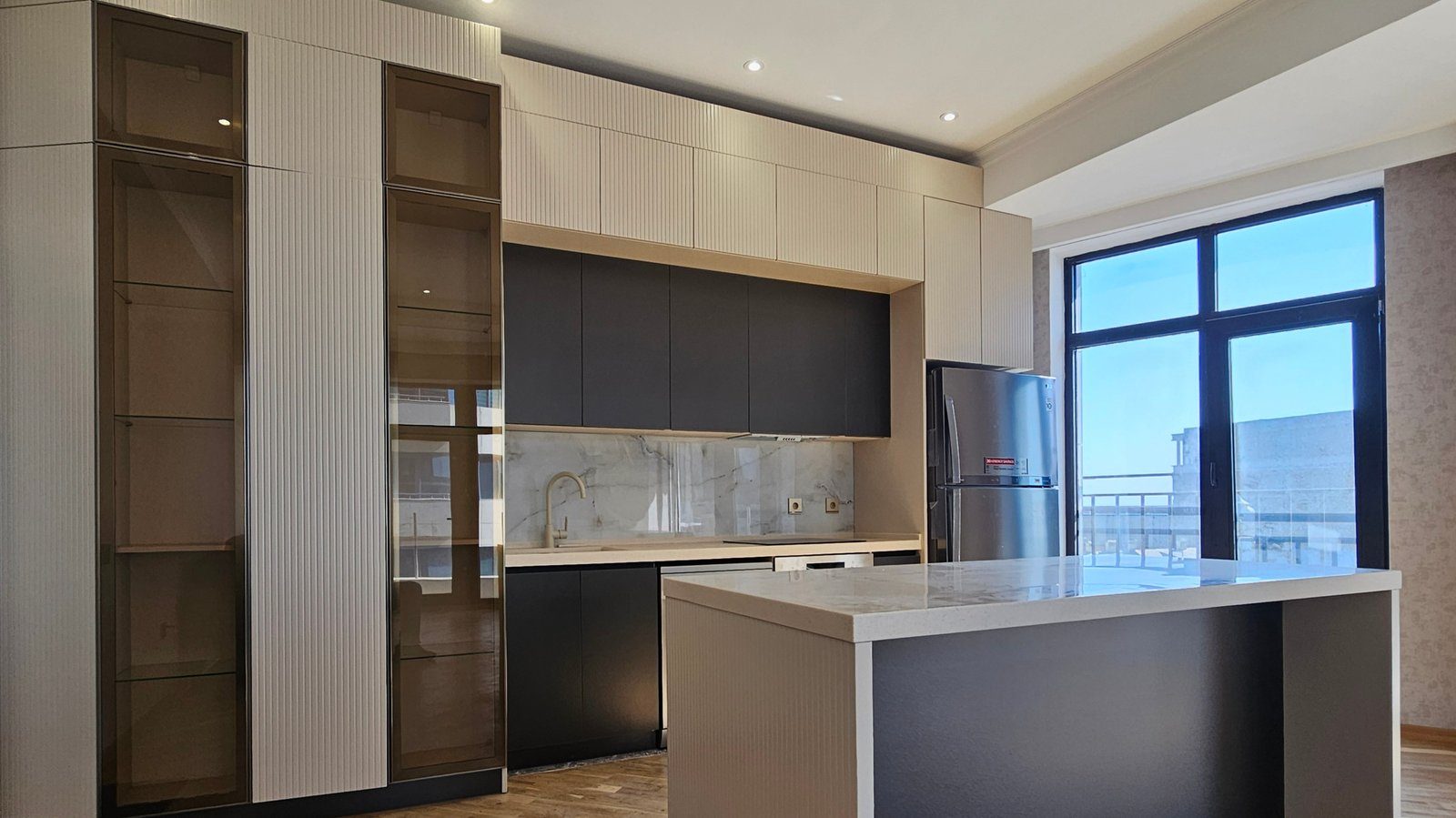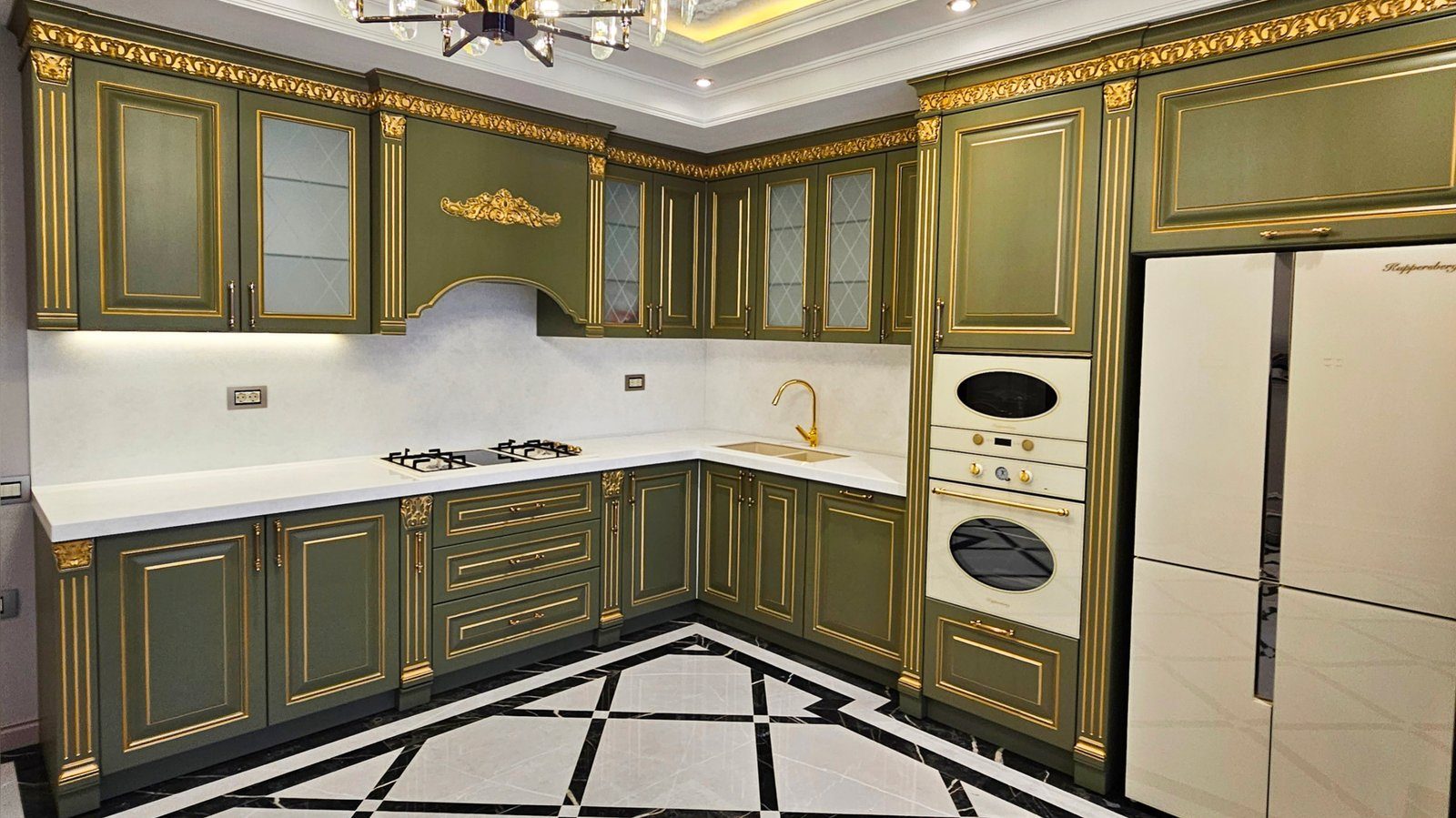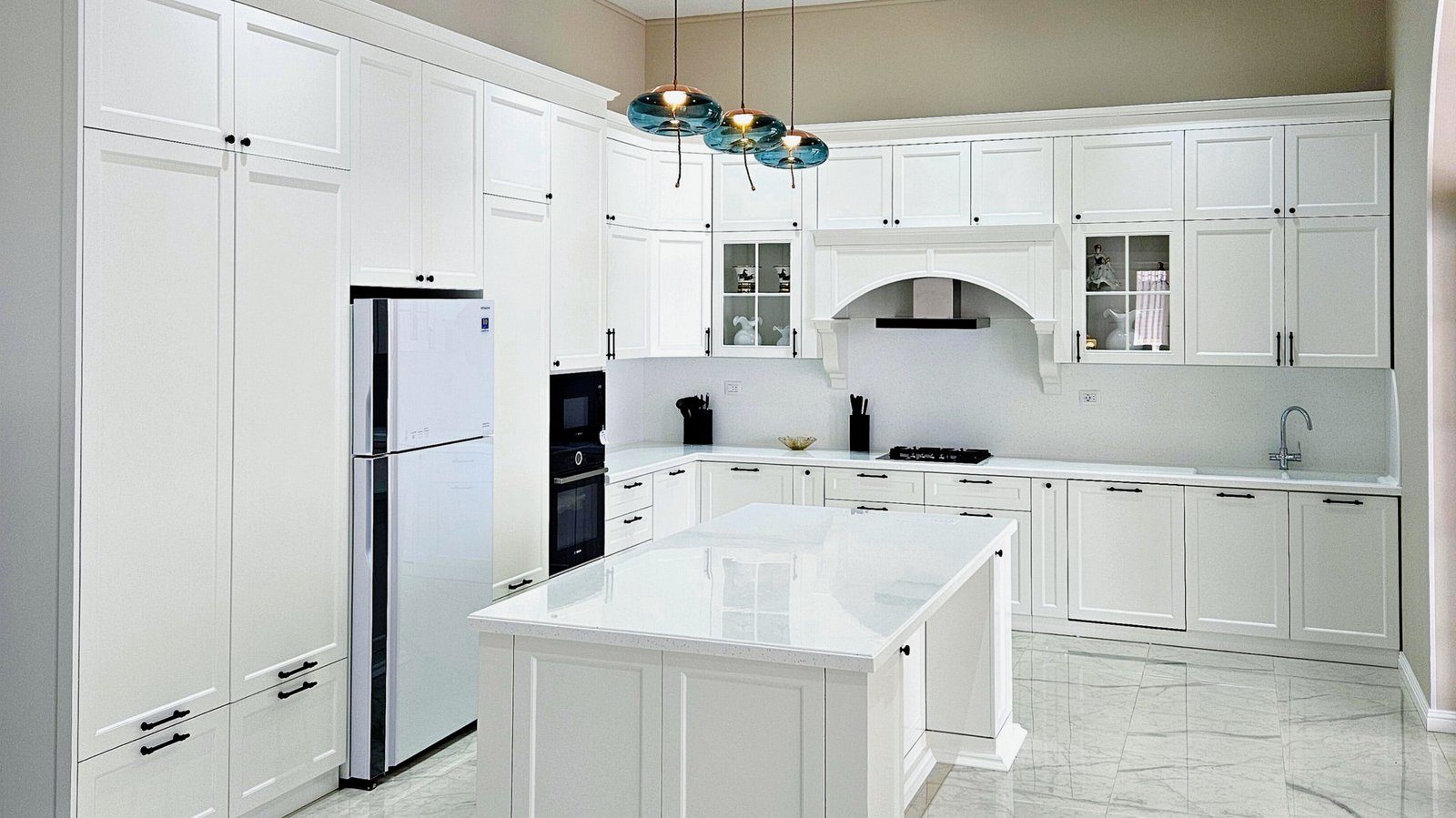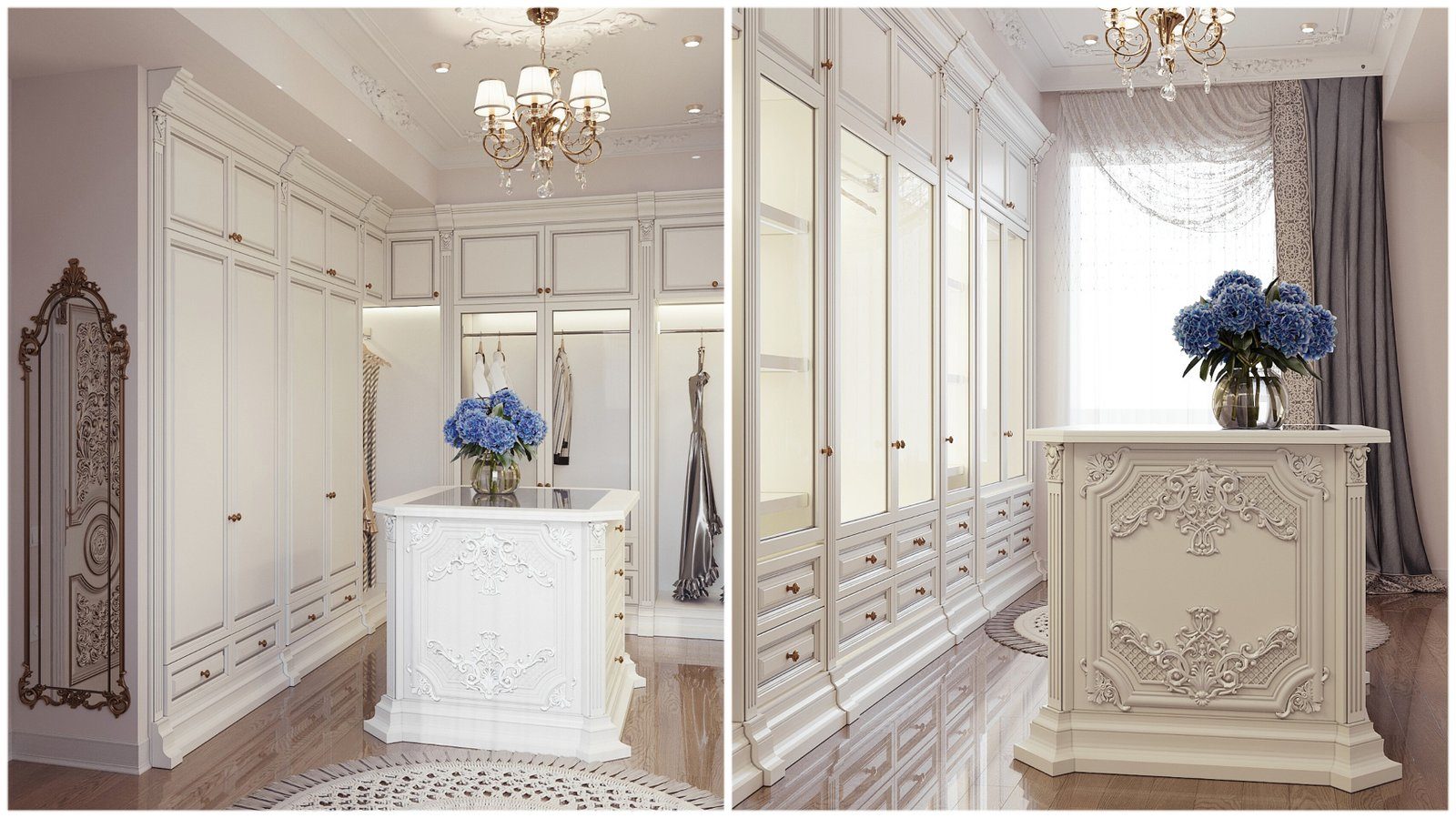

The most common dissatisfaction with made-to-order furniture begins with the words "that's not how I imagined it". The client has one idea, the designer draws another, and the manufacturer builds what is in the drawing. The most reliable way to close that gap is to express your wishes in advance in simple, concrete, written form. A brief does not have to be a complex document; one or two pages of clear notes are enough.
Who will use it and how
Furniture is made for people, so the brief starts with them. Note down:
- How many people will use the furniture and how tall are they? The height of a kitchen worktop or a wardrobe rail depends on this.
- Is anyone left-handed? Door opening directions may change accordingly.
- Will young children, older relatives or pets use the furniture? This affects corner shapes, child locks and materials.
- Daily habits: is there a lot of cooking, do guests visit often, are clothes stored hanging or folded?
These questions look simple, but the answers change a design fundamentally. A family that cooks every day needs a generous worktop and deep pan drawers; one that rarely cooks may prioritise storage and a coffee station.
What will be stored: a list of belongings
The size of furniture should be driven not by "how much space there is" but by "what will be stored". Write a rough list of what you own:
- For the kitchen: number of pots and pans, oversized items (baking trays, pressure cooker), small appliances (mixer, blender, coffee machine), amount of food stock.
- For the wardrobe: long dresses and coats, suits and shirts, folded clothes, number of pairs of shoes, suitcases and seasonal items.
- For a workspace: files and folders, printer, number of monitors.
Add expected changes too: a growing family, plans to buy new appliances. This list lets the manufacturer calculate the right balance of shelves, drawers and hanging space.
Dimensions, appliances and services
The manufacturer measures the room, but some information only the client knows:
- Exact models of built-in appliances: fridge, oven, hob, dishwasher, extractor. If a model has not been chosen yet, say so clearly.
- The existing or planned positions of sockets, light outlets, water and drainage points.
- Elements of the room that will change later: new flooring, curtain rails, air conditioning.
Materials, colour and style
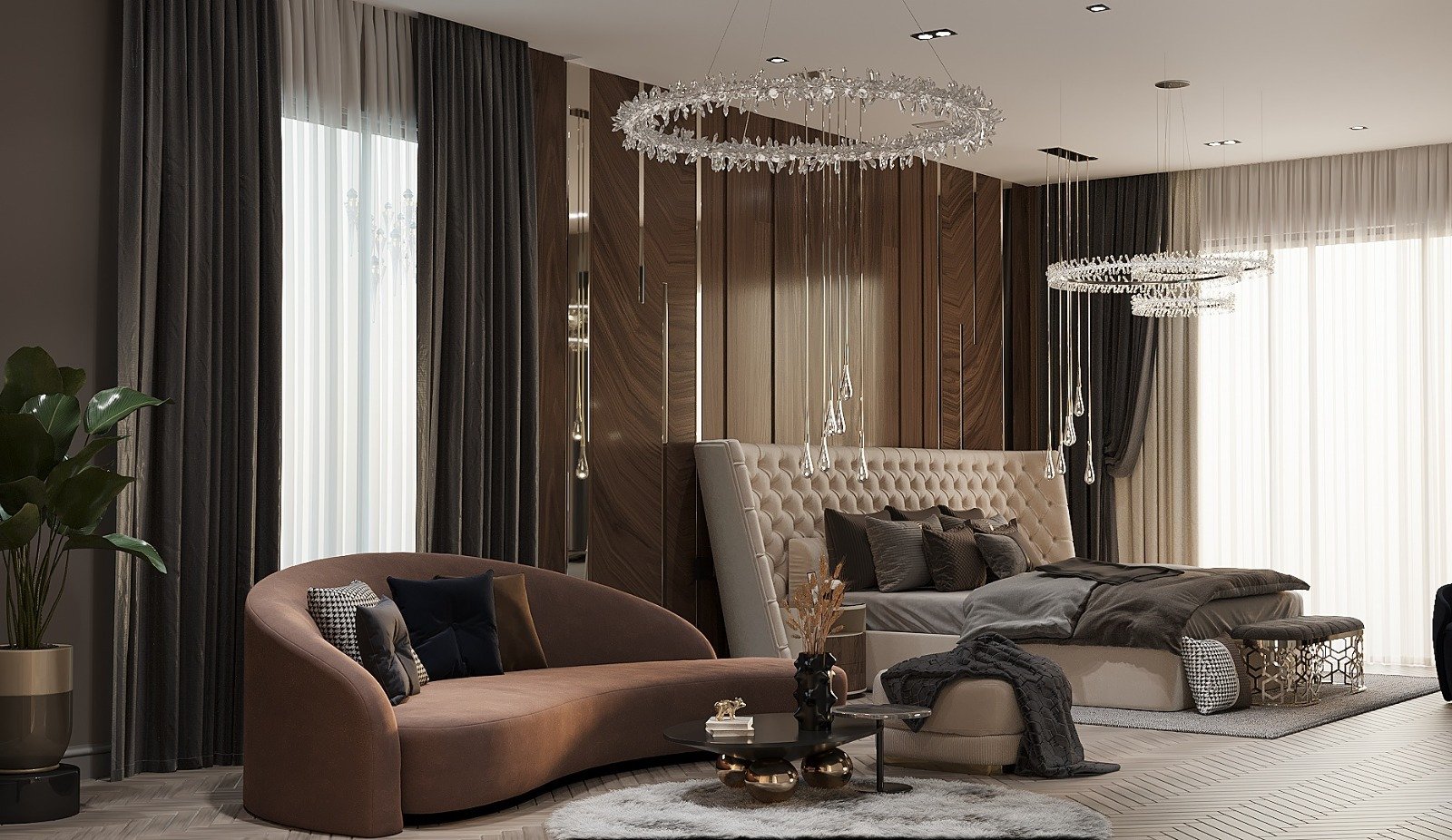
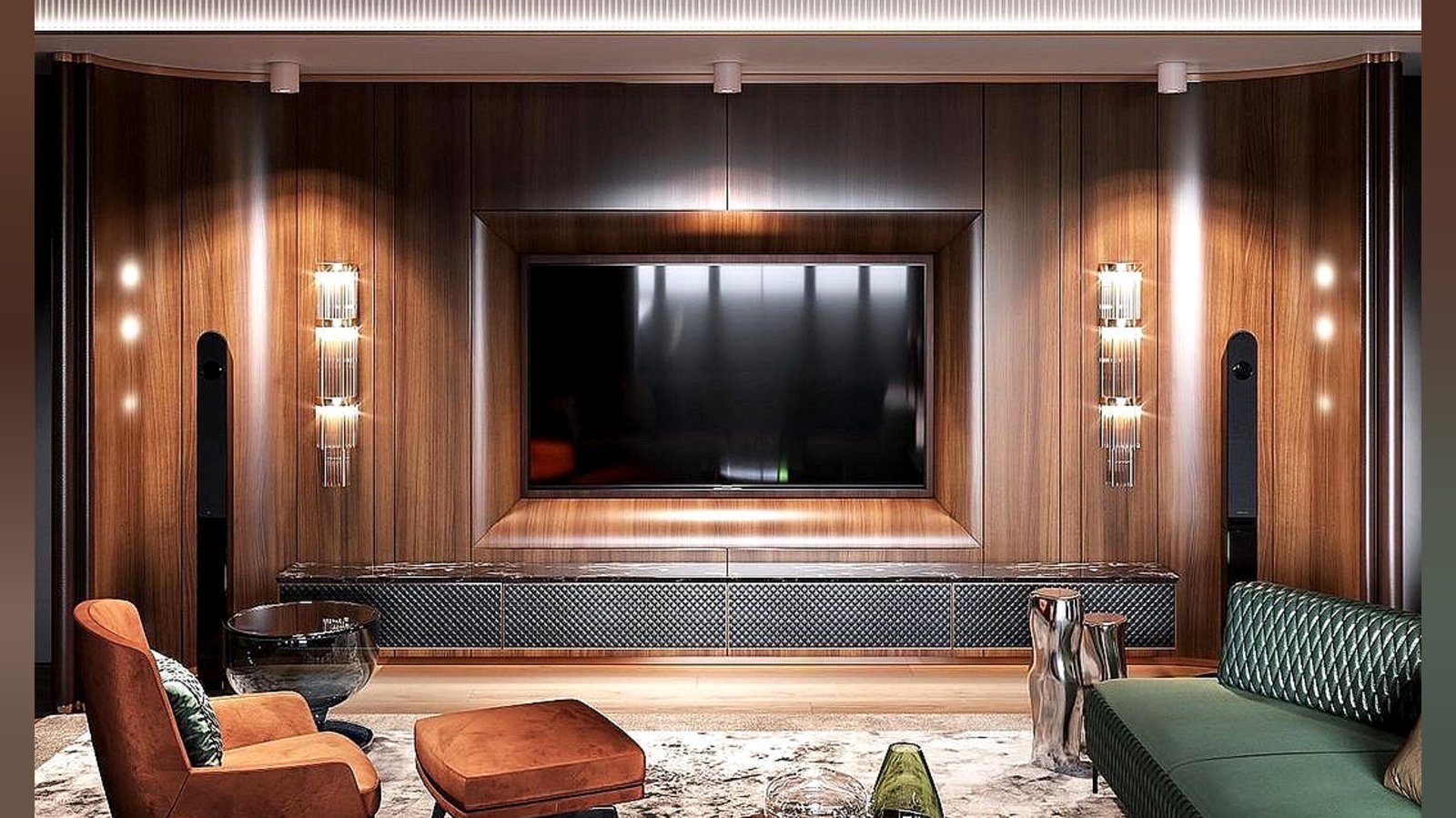
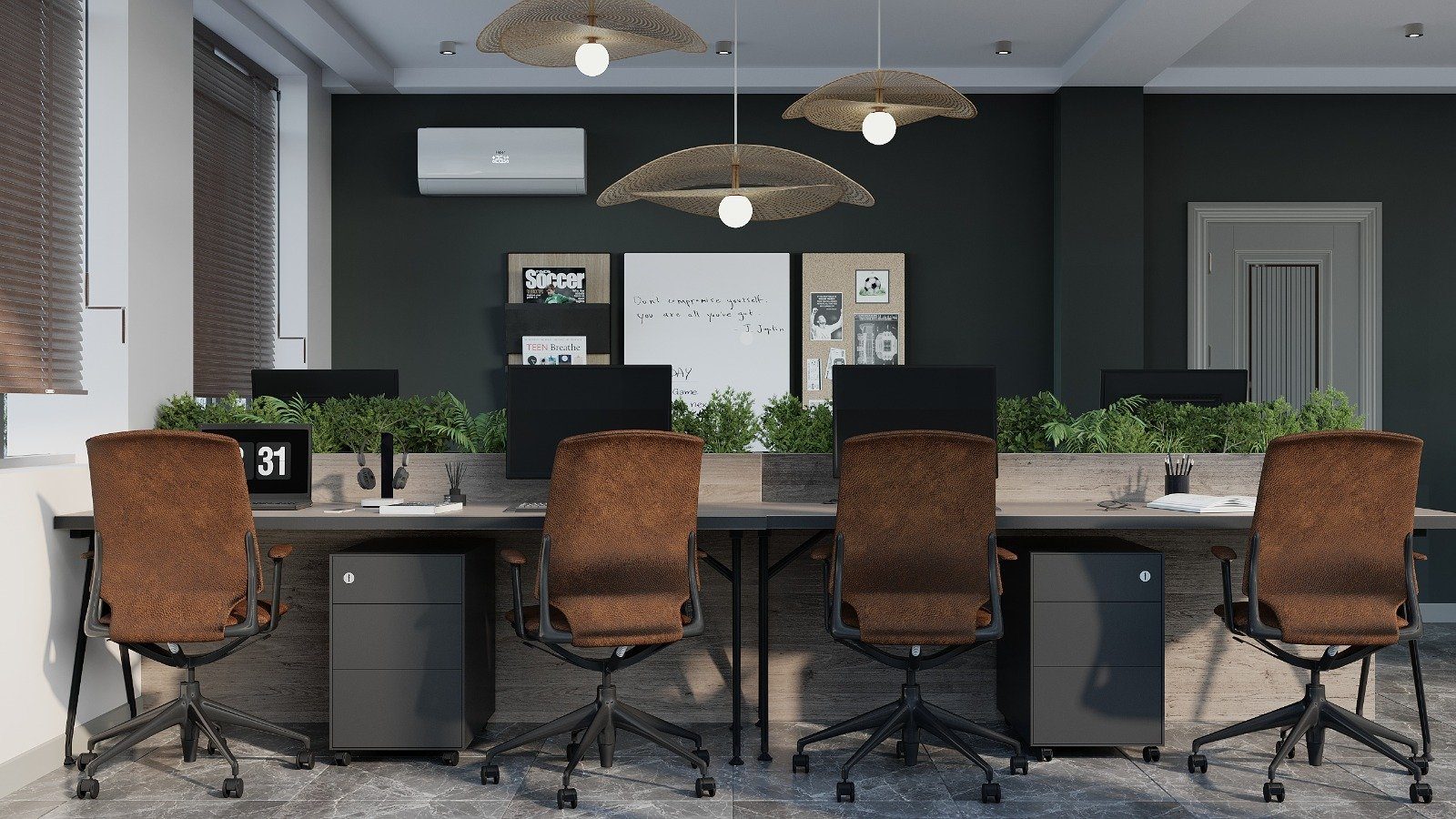
Style is hard to describe in words; "modern" means something different to everyone. Pictures are more reliable. Collect interior photos you like and write next to each one exactly what you like about it: "the front colour", "handleless doors", "open shelves". Examples you dislike are just as useful.
State material wishes with priorities: if requirements conflict, such as "I want gloss fronts but no visible fingerprints", the manufacturer can suggest compromises. Plan to check colour samples for fronts, carcass, worktop and handles together, in the room's own light.
Budget and priorities
Stating the budget openly allows the manufacturer to offer realistic options. Alongside it, answer where savings are acceptable and where they are not. For example:
- Hardware and mechanisms — no compromise.
- Front material — a simpler option is acceptable.
- Interior accessories — can be added later.
A priority list like this stops the important things being cut when the design is fitted to the budget.
Final check of the brief
It helps to keep the brief in a single document and save it as a new version after each change. Points agreed verbally at meetings — which way a door opens, how many drawers, a change of colour — are easily forgotten or remembered differently. Writing them down briefly and adding them to the document with both sides' confirmation prevents misunderstandings later. If several family members make decisions, appointing one person as the contact with the manufacturer also speeds things up, because conflicting instructions slow a project down. Adding a few photos of the room as it is now also helps the manufacturer prepare in advance.
- Are users and habits described?
- Is there a list of items to be stored?
- Are appliance models and service points noted?
- Have reference images of liked and disliked examples been added?
- Are budget and priorities written down?
- Are the deadline and installation conditions — such as lift size and floor level — stated?
Zaferoglu Mebel treats attention to each client's needs as a core principle of made-to-order work. Bringing a prepared brief to the measuring appointment helps the first version of the design come closer to what you want.