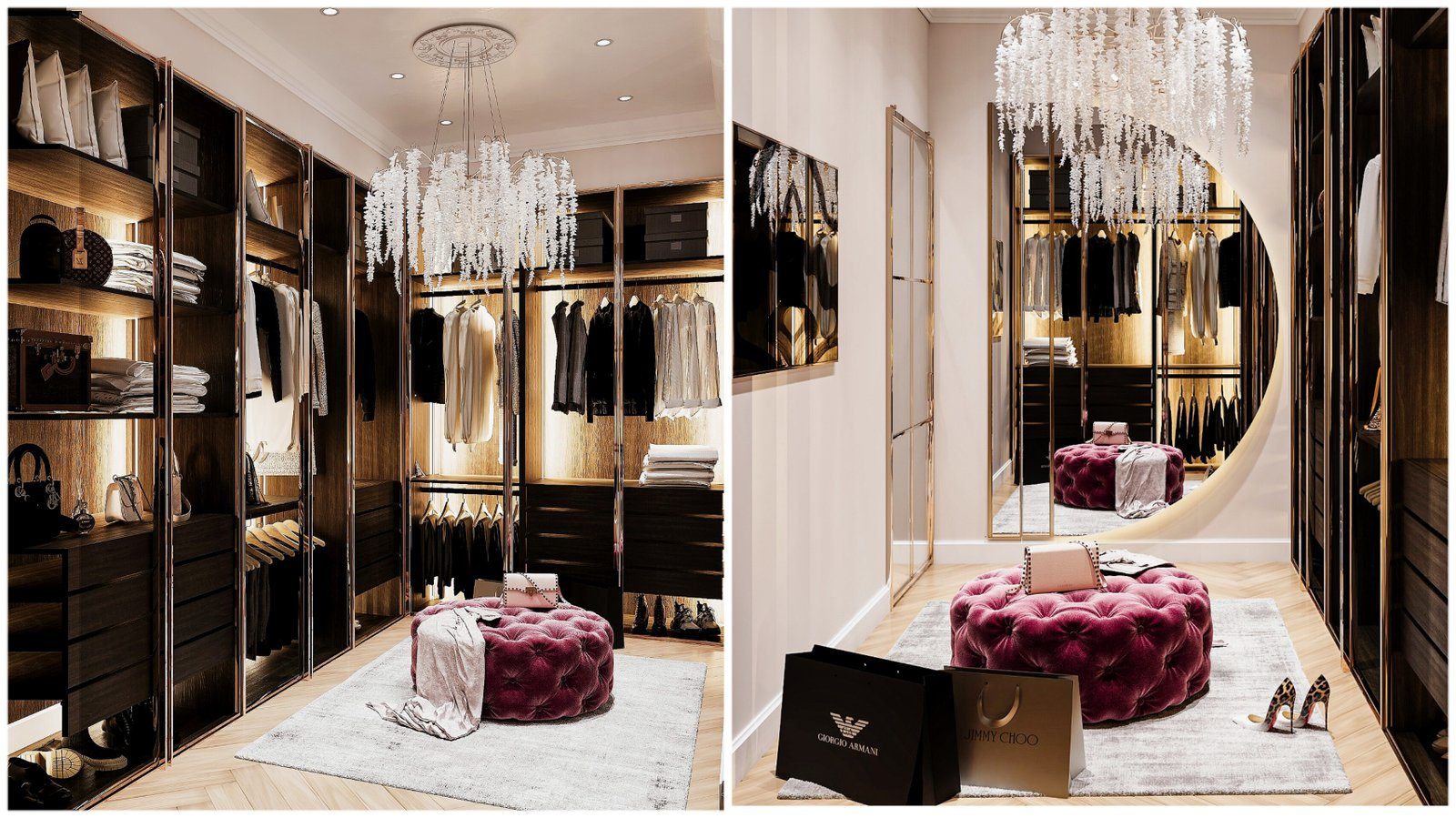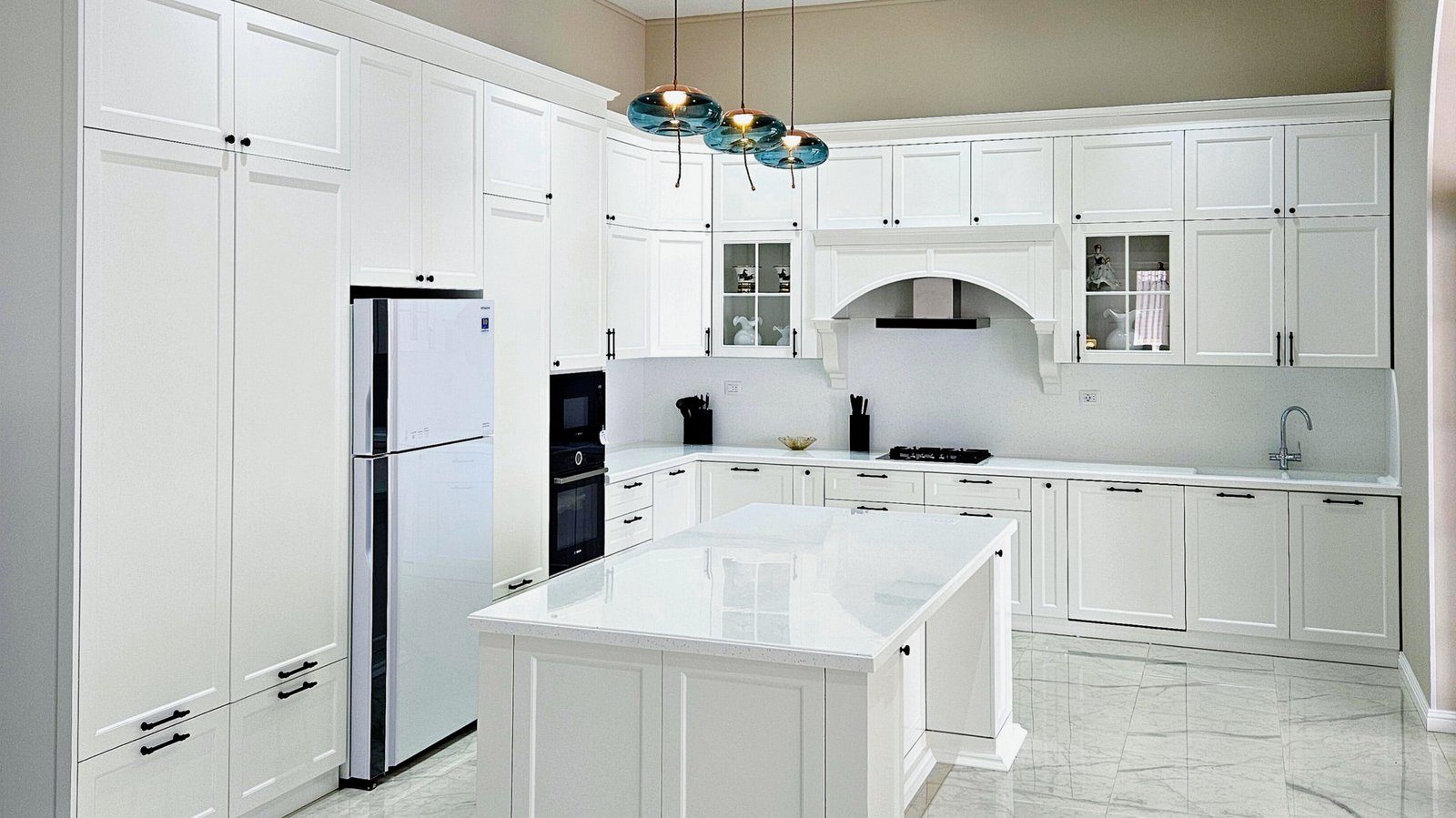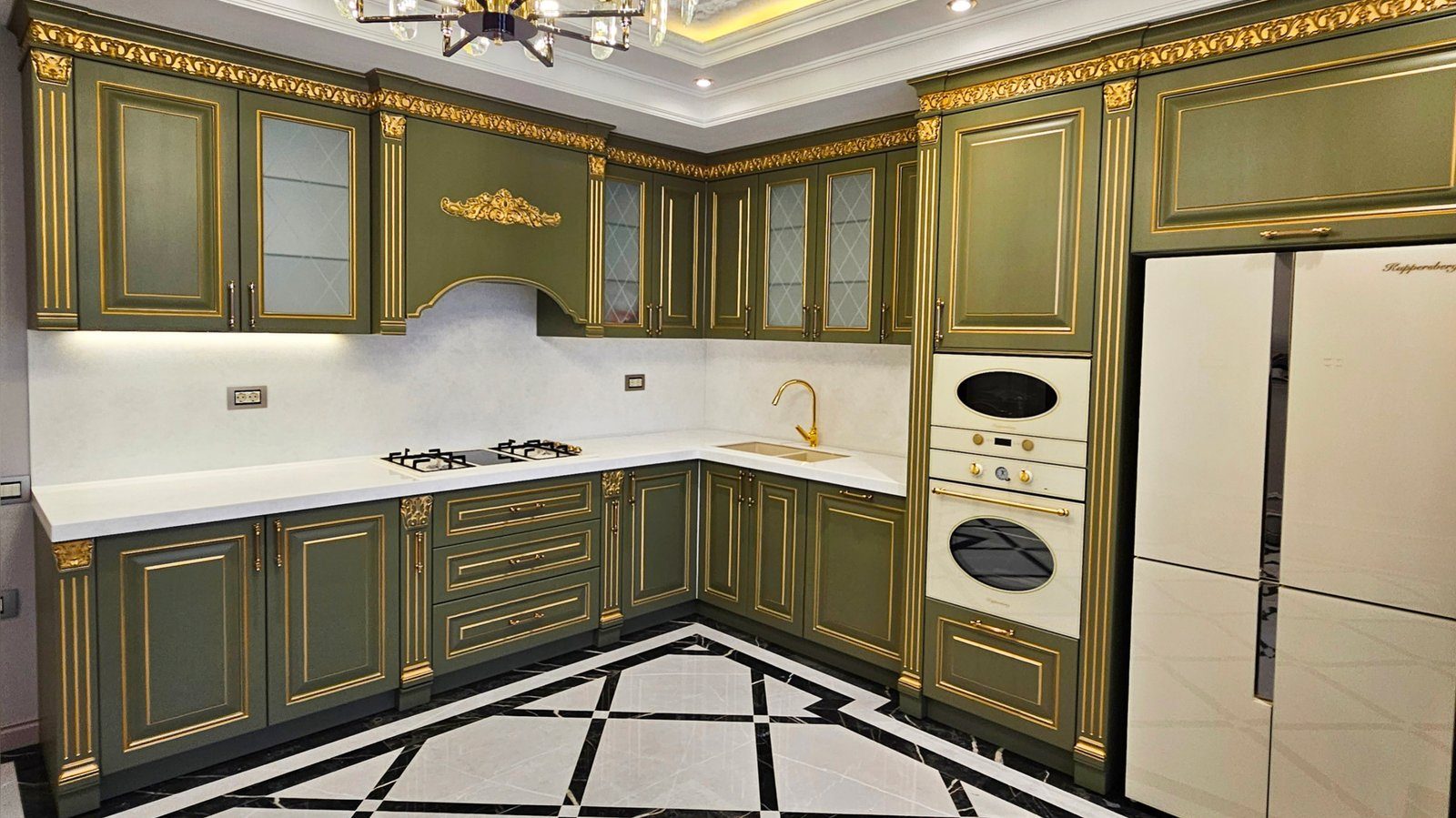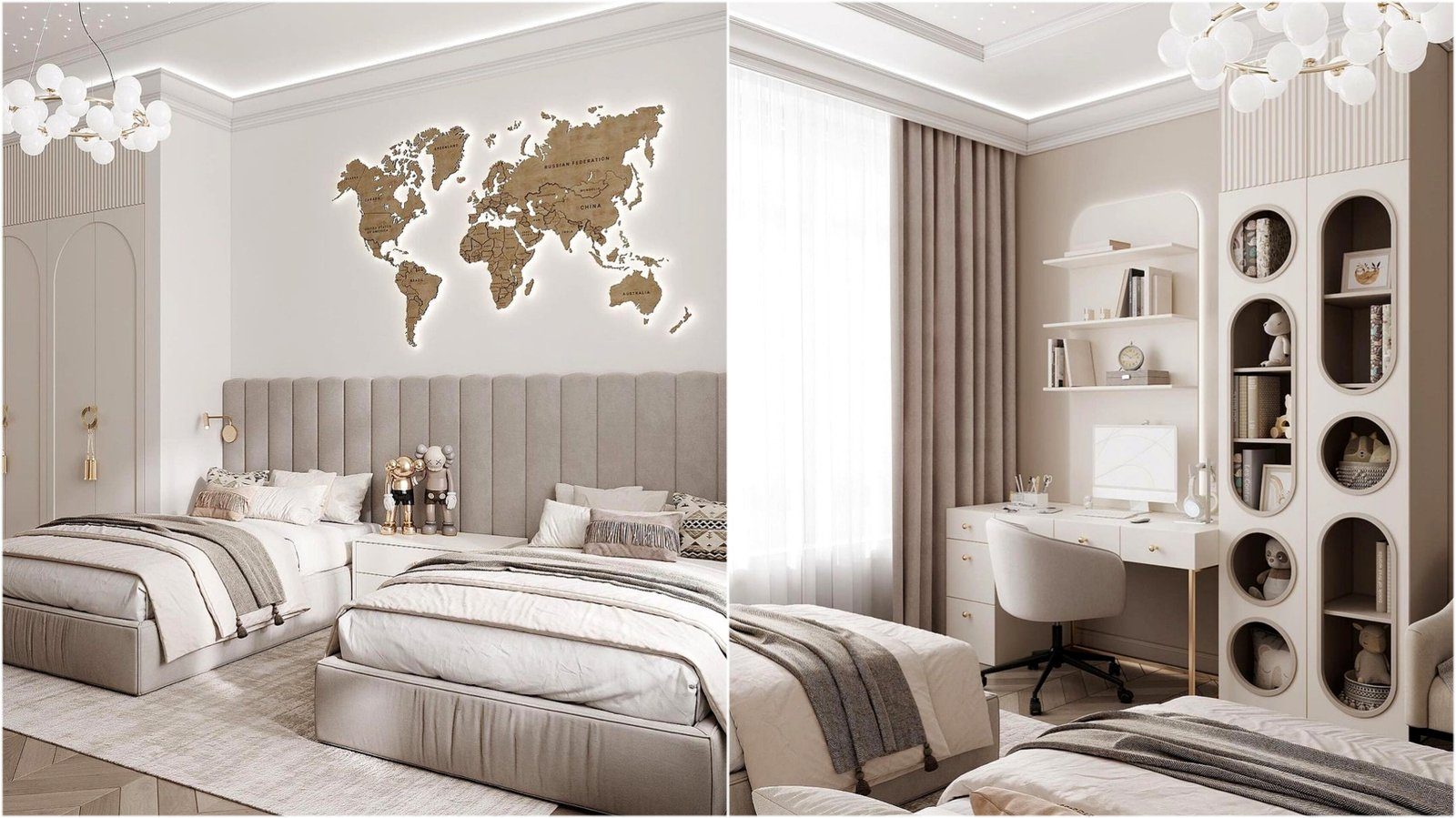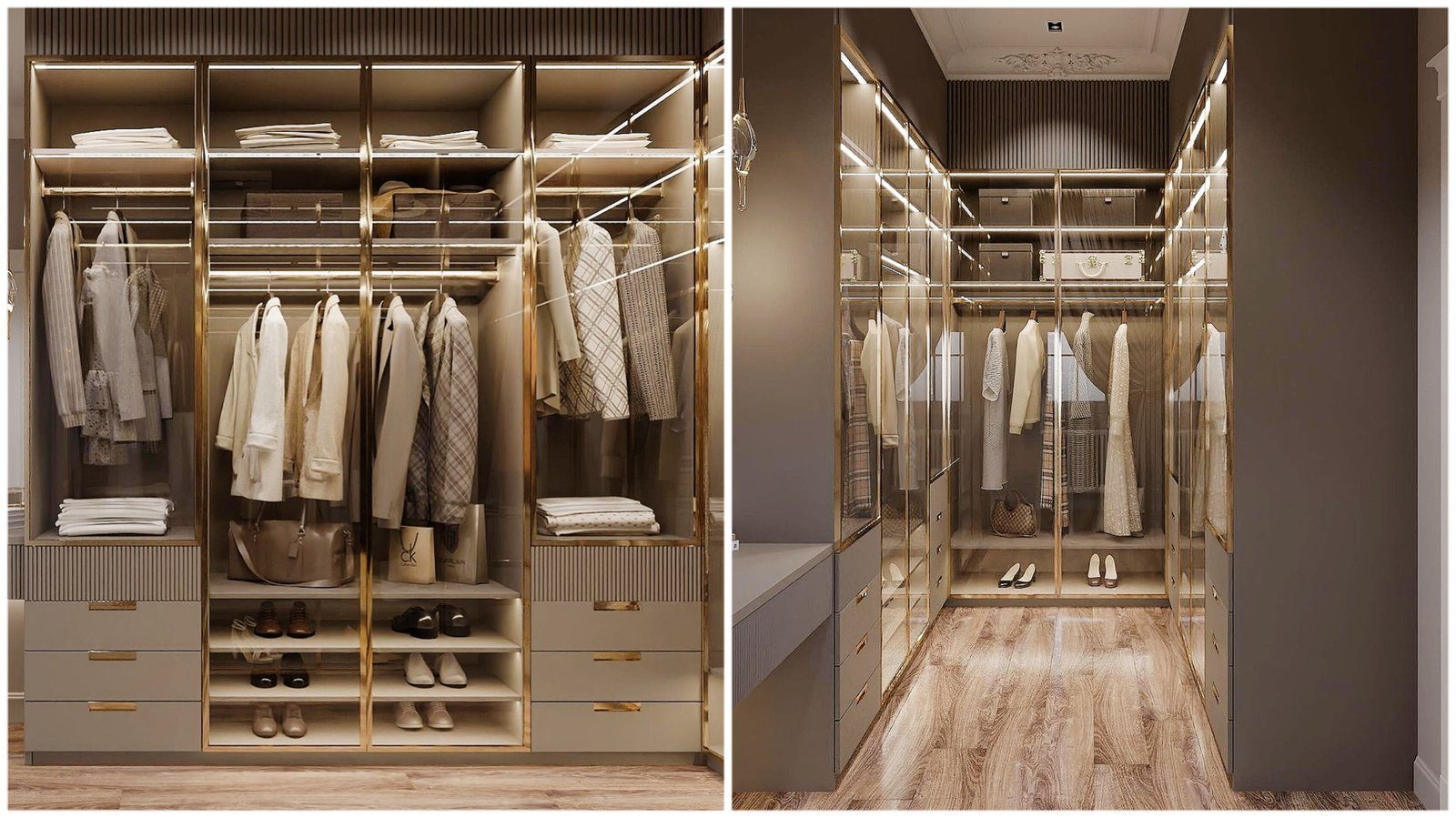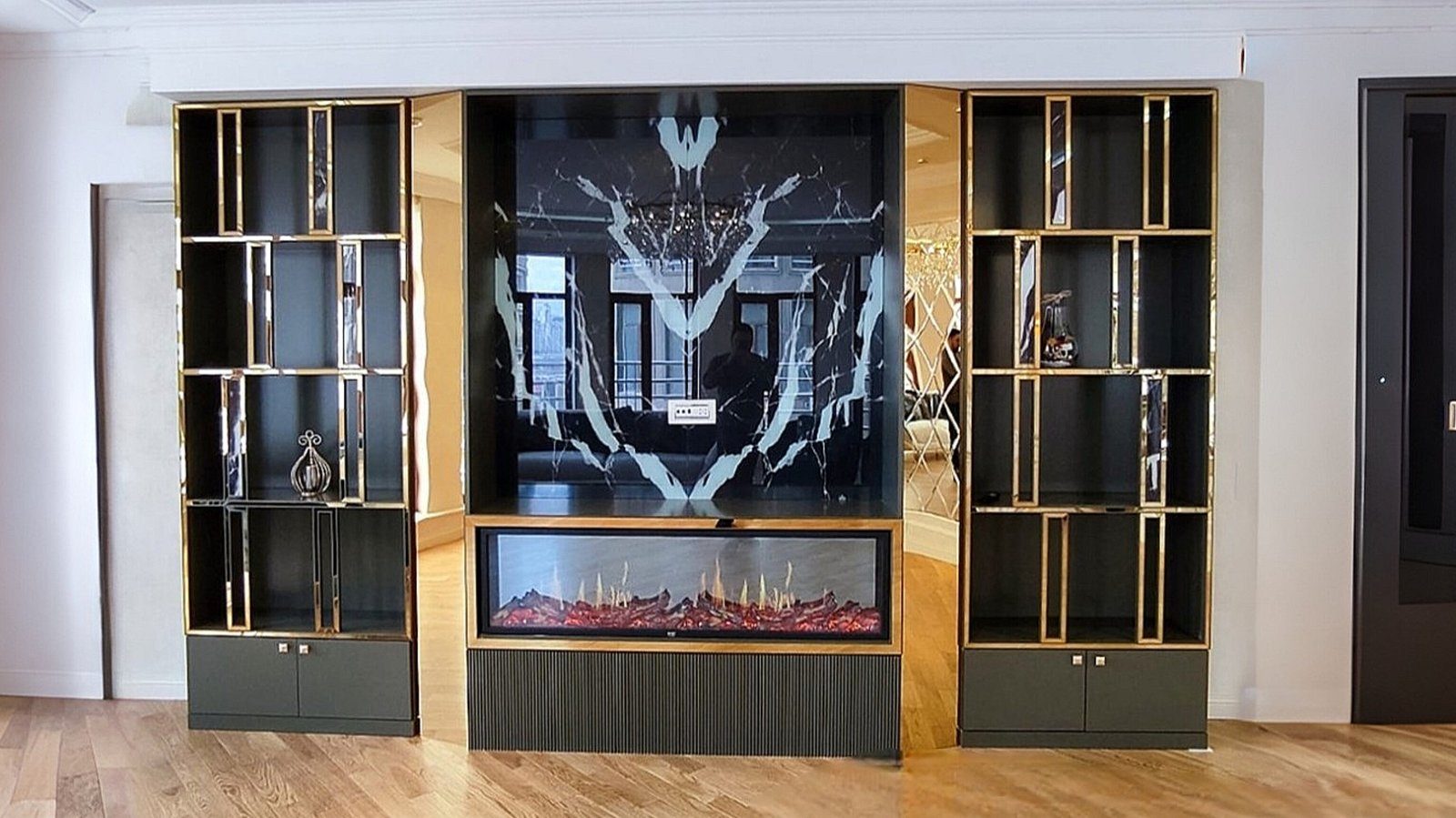

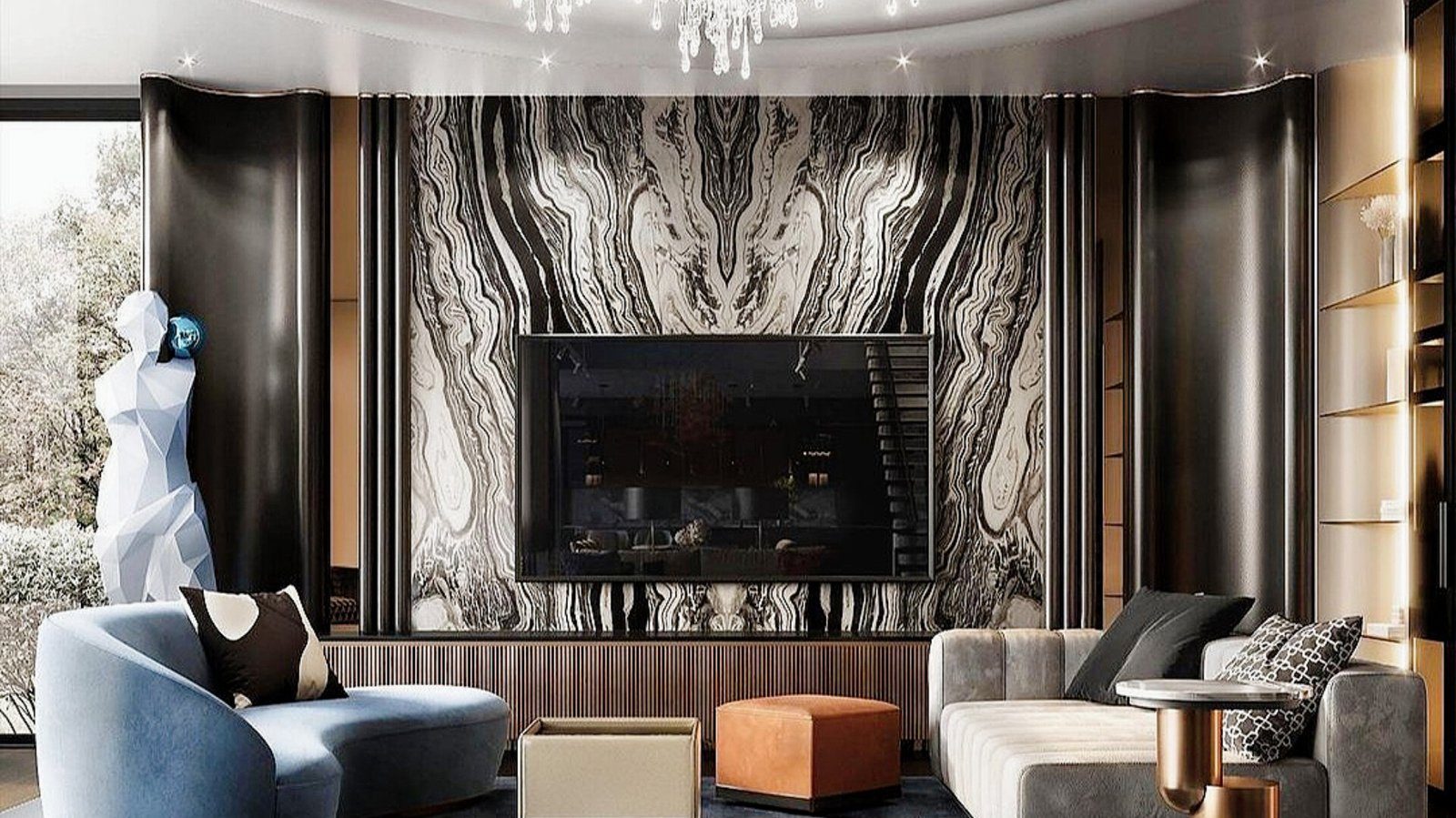
When choosing furniture, the phrase "wood look" covers very different materials: wood-decor laminate, foil, solid timber and natural veneer. Natural veneer holds a special place among them. The grain, knots and colour shifts you see on the surface are not printed; they are real wood, yet the furniture is not made entirely of solid timber. That combination brings advantages as well as limitations worth knowing.
How veneer is made
Natural veneer is a thin sheet cut from a log. The cutting method determines the figure: slicing along the log gives straight, parallel grain, while rotary peeling gives a broad, wavy pattern. These thin sheets are then pressed onto MDF or particleboard, with both faces of the board veneered so that it does not bow under tension.
The result is a furniture panel that is a stable, dimensionally accurate board on the inside and a real wood surface on the outside. Unlike solid wood, such a panel moves less when humidity changes, so it is less likely to crack or warp.
Every sheet is unique
The great value of veneer is that it never repeats. Two sheets cut from the same log look alike but are never identical. To achieve a unified look across large surfaces, such as a media wall or wardrobe fronts, the way sheets are laid out is chosen deliberately:
- Book matching: two consecutive sheets open like the pages of a book and create a mirror effect.
- Slip matching: sheets are laid side by side in the same direction, so the figure repeats and flows.
- Continuous grain across fronts: several doors are veneered from the same sequence of sheets, so the grain line runs from door to door.
This choice should be discussed at the ordering stage, because if one front is replaced later, the grain match is hard to restore fully.
Finishes: lacquer, oil and staining
Veneer is not left bare; it is finished with a protective coat that determines both appearance and care:
- Lacquer seals the surface and resists moisture and stains better. Sheen levels from matt to semi-gloss are available.
- Oil or hardwax oil keeps the natural feel of wood but needs periodic renewal and is more sensitive to stains.
- Staining changes the wood's colour, for example bringing light oak closer to a dark walnut tone.
For kitchens and frequently wiped surfaces, lacquer is usually more practical; in a living room or bedroom the natural look of an oiled finish may win.
Limitations you should know
Veneer's weak points come from its nature:
- Colour changes. Natural wood darkens or lightens under light over time, and this is clearly visible in species such as cherry and oak. The spot where a vase stood for a long time can remain as a lighter patch.
- It is thin. If a deep scratch or chip goes through the veneer to the board beneath, it cannot be sanded away as it could on solid wood.
- It is sensitive to water. Water standing at an edge or along a joint line can make the veneer lift.
- Matching a repeat order is difficult. Furniture added a few years later will differ from the existing pieces in tone and figure.
Everyday care
- Dust with a dry or barely damp soft cloth, wiping along the grain.
- Avoid all-purpose polishes containing silicone and wax: they build up a film and make refinishing harder later.
- Put coasters under hot dishes and damp glasses.
- Keep the furniture away from radiators and direct sun, and move objects on it from time to time so that colour change stays even.
- On oiled surfaces, renew the finish at intervals with the oil recommended by the manufacturer.
Veneer or wood-decor laminate
Veneer offers the depth and life of real wood, while laminate offers more stable colour, higher scratch resistance and simpler care. The choice depends on where the furniture goes: on representative surfaces such as a media wall, living room panelling or an executive desk, veneer shows its worth; in a child's room or a heavily used kitchen carcass, laminate is more convenient. The two can also be combined in one piece: veneered visible fronts with an inner carcass in laminated board of a matching decor.
For representative surfaces such as media walls and living room furniture, Zaferoglu Mebel selects materials as part of an individual design. Veneer samples and finish types can be compared in person when ordering.