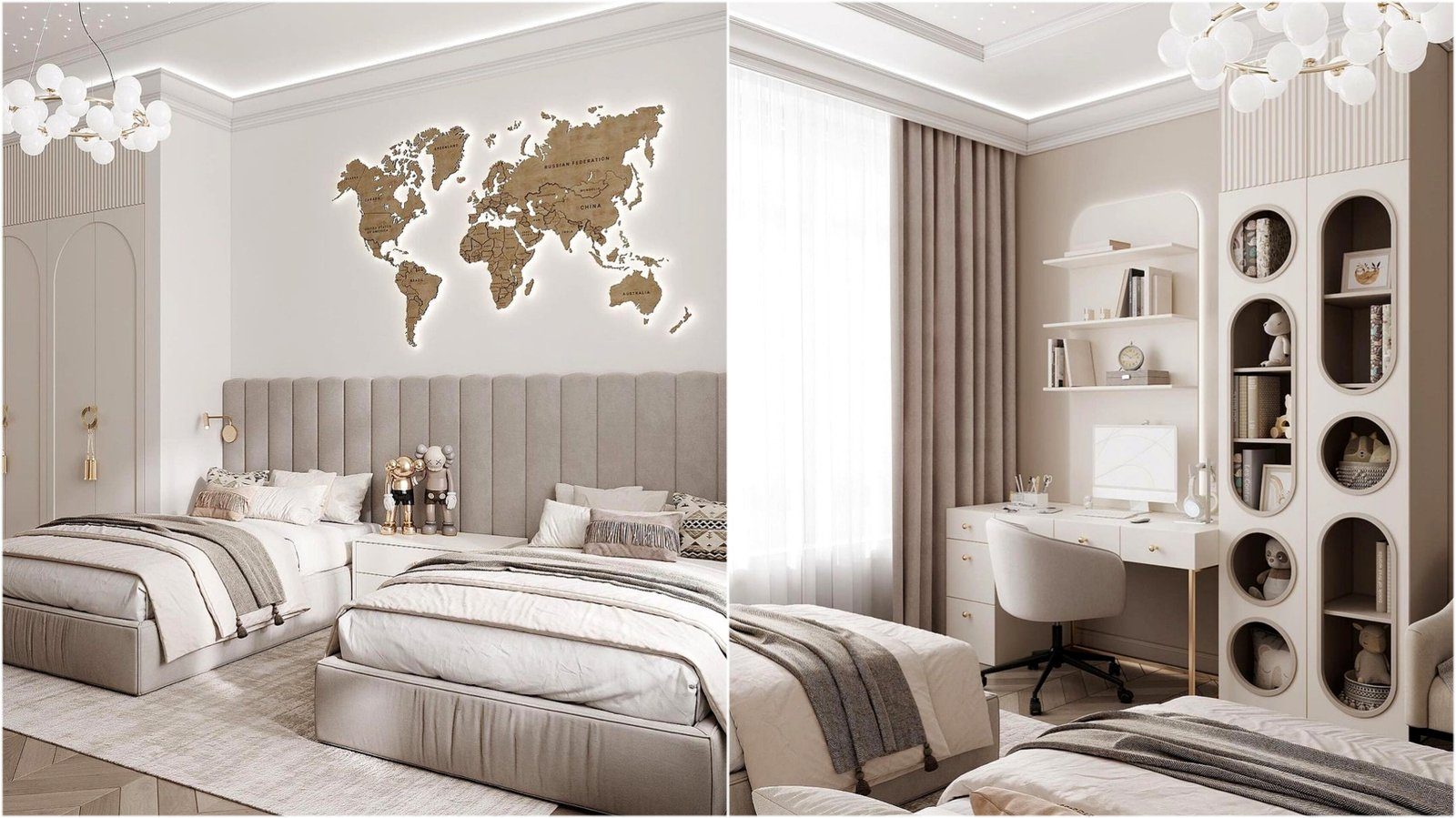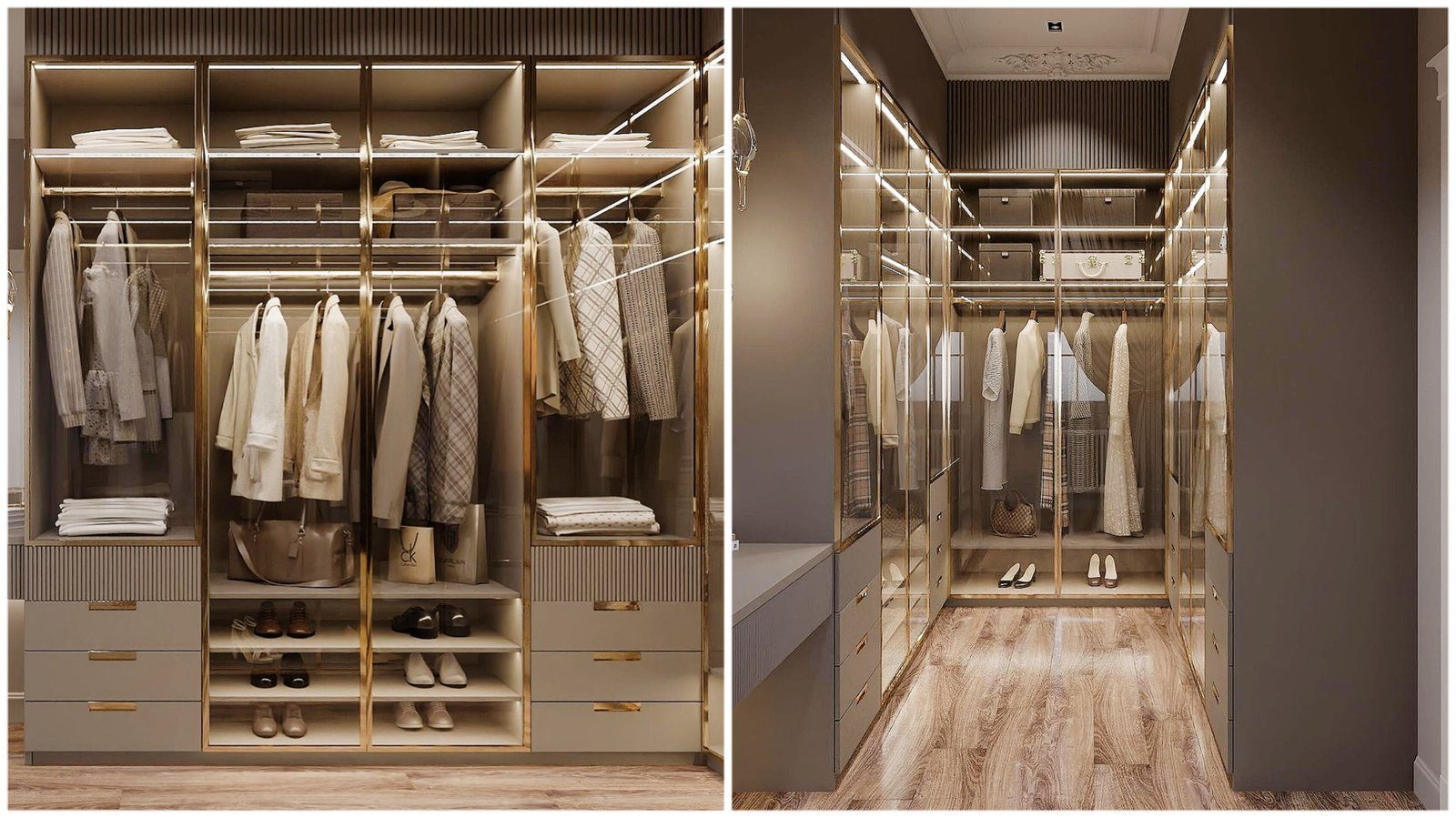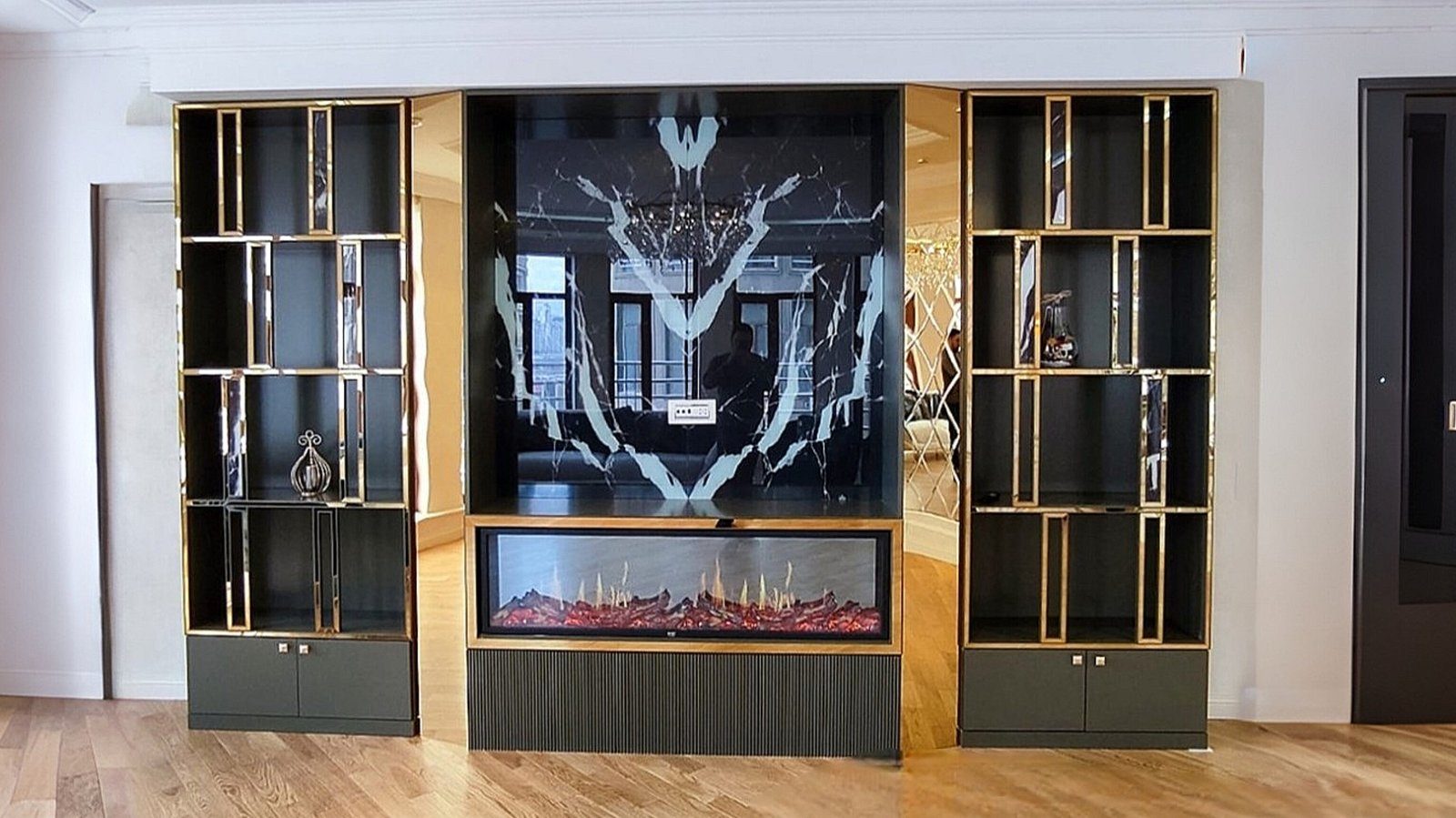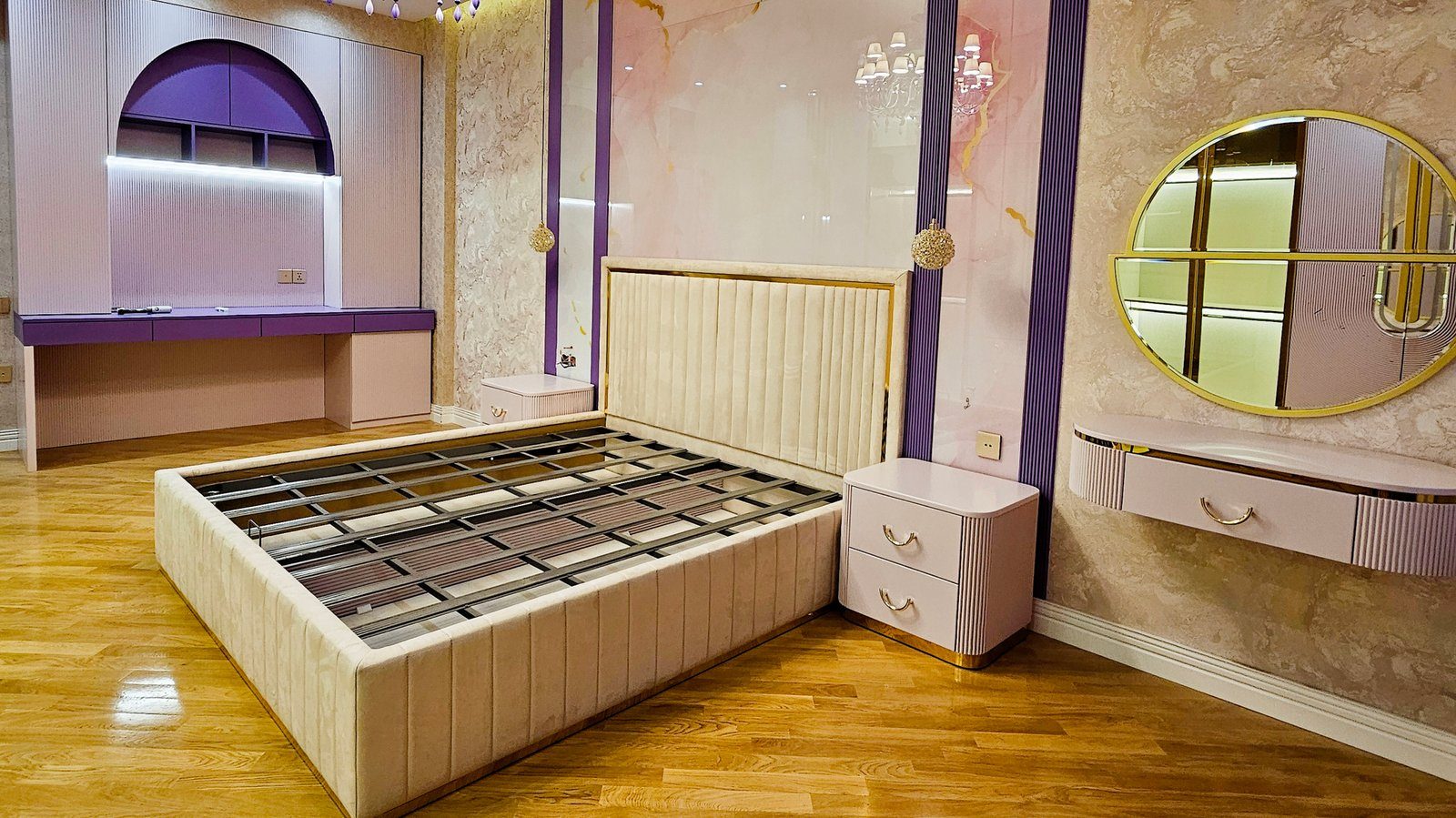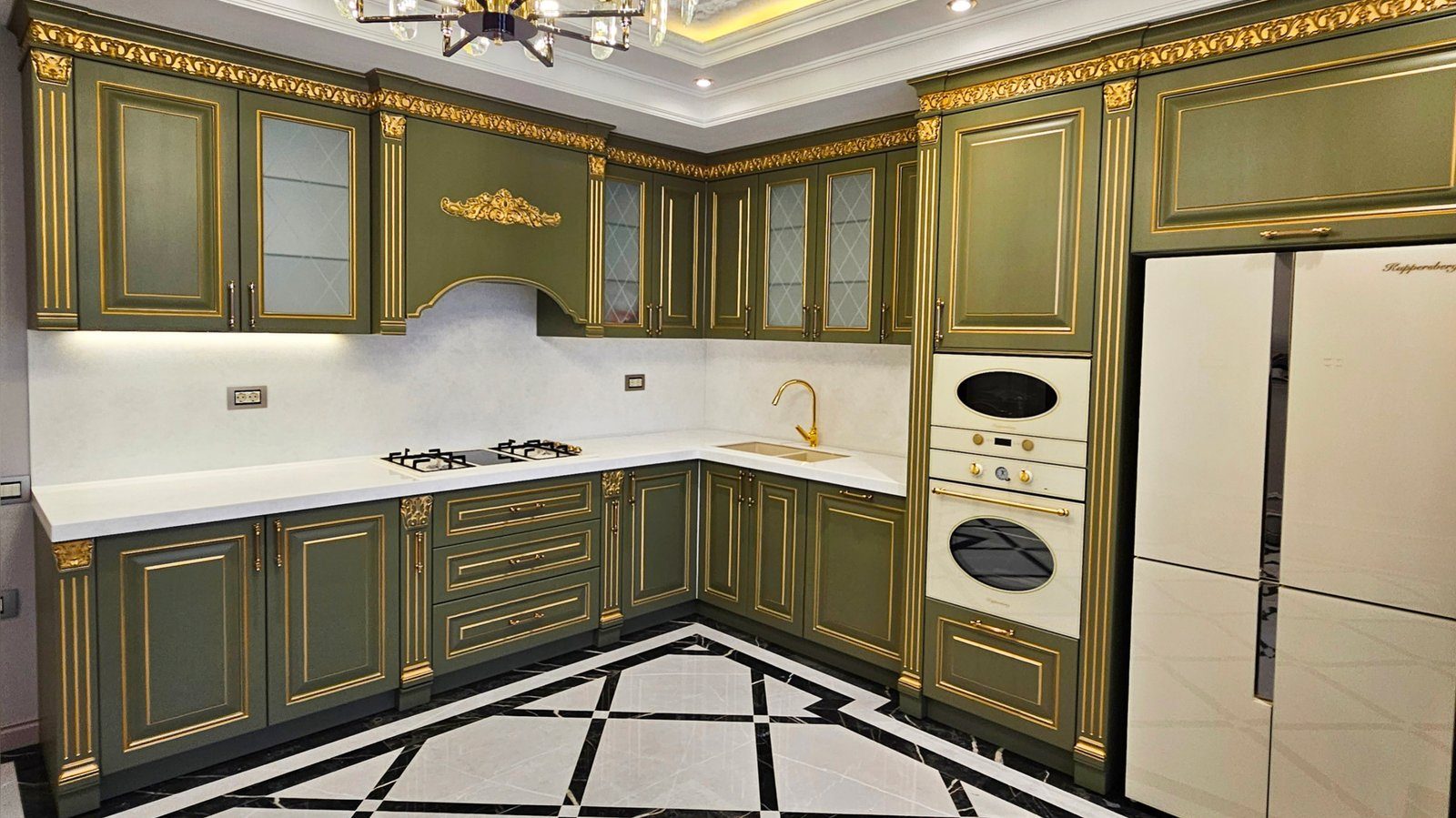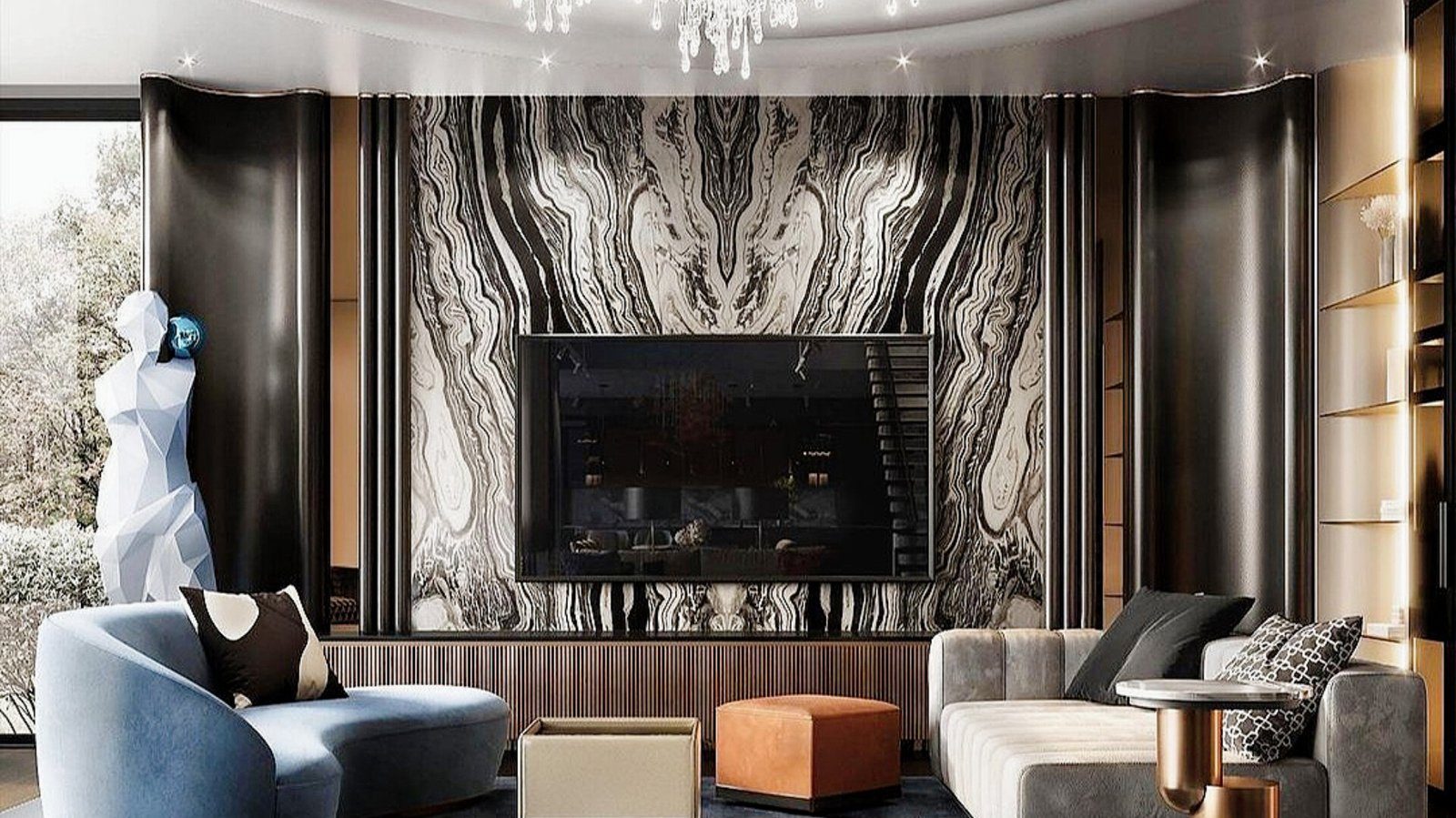

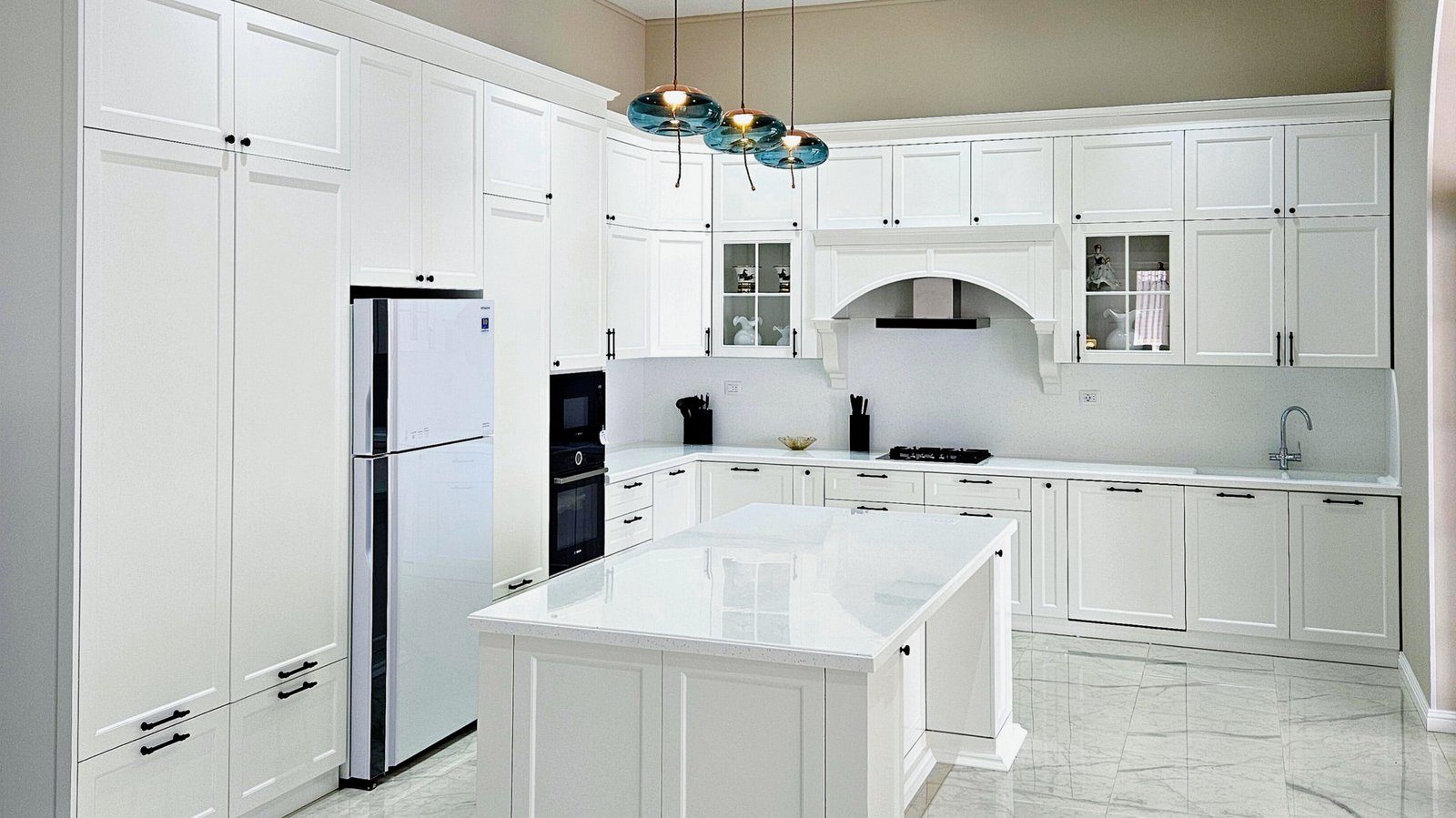
When choosing a colour for a kitchen or wardrobe, the laminate decors in a catalogue are sometimes not enough: the shade you want is missing, it does not match the wall colour, or you want a routed pattern on the front. In such cases painted (lacquered) MDF is the most flexible solution. It can be painted in practically any colour, finished matt or gloss, and routed into classic or modern shapes. That flexibility, however, comes with certain care requirements.
How a lacquered front is made
The base of a painted front is an MDF board. The board is cut to size and, where needed, a CNC router cuts a pattern, a frame or a handle groove. The face and edges are then smoothed, primed, sanded again and covered with several coats of paint. The final coat is a clear lacquer or a pigmented lacquer, and it is this layer that determines the sheen and durability of the surface.
Every stage affects the result. If priming and sanding are poor, waves, board fibres or small dips show on the surface under light. If drying time between coats is not respected, the lacquer can later dull or crack. So the quality of a painted front depends more on the production process than on the name of the material.
On laminated board the edges are covered with separate banding, and the joint line is visible, however slightly. On painted MDF the edge is painted together with the face, so the front looks whole and seamless. Edges can be rounded, bevelled or profiled. This gives a particularly clean look on handleless fronts with a finger grip routed into the edge.
At the same time, the edge takes the most knocks. A sharp corner on a painted front can chip on impact, so a small radius on the edges is both an aesthetic and a practical choice.
Matt lacquer: a calm look, practical for daily use
A matt or satin surface diffuses light and does not reflect. As a result, small imperfections, fingerprints and micro-scratches are less visible. Matt lacquer is the more common choice in modern kitchens and Scandinavian or minimalist interiors.
Matt surfaces have one peculiarity: a greasy fingerprint can show as a slightly shiny patch, and a spot wiped repeatedly in the same place can gradually become a little "polished". So matt fronts should be wiped with a soft cloth and a gentle product, not scrubbed with a rough sponge. Some matt finishes are made with anti-fingerprint technology; this can be tested on a sample.
Gloss lacquer: deep colour, more attention
Gloss lacquer gives colour depth and a near-mirror shine. In a small kitchen or a dim hallway, gloss fronts reflect light and make the space feel larger. On classic furniture, gloss lacquer creates a formal look.
But fingerprints, dust and scratches show more clearly on gloss, especially in dark colours. The quality of the gloss should also be checked under light: on a well-made gloss front, reflected lines look straight and undistorted, while a poor one shows "orange peel" ripples and small specks.
Damage and repair
One advantage of a painted front is that it can be repaired. Small chips and scratches can be professionally filled and touched up locally, and sometimes the whole front is sanded and refinished. With laminated fronts this is usually impossible — a damaged front is replaced.
For a repair colour to match exactly, however, it is important to keep the colour code and the lacquer sheen level in the order documents. If a front needs replacing or a new unit is added years later, this information makes the job much easier.
Heat, moisture and care
Lacquered fronts next to the oven and dishwasher are exposed to heat and steam. Hot steam released right after the dishwasher opens should not hit the edge of the drawer above; a heat-protection profile and the clearances recommended by the appliance maker prevent this.
Care rules are simple:
- Wipe the surface with a soft, slightly damp microfibre cloth.
- Use mild soapy water for grease, then dry with a clean cloth.
- Avoid abrasive powders, rough sponges, and products containing alcohol or solvents.
- Do not leave water drops for long, especially on edges.
Short checklist for choosing
- Did you look at a painted sample under the room's real daylight and evening lamps before settling on colour and sheen?
- Do reflected lines look straight on the gloss surface?
- Are the edges rounded?
- Are the colour code and lacquer type recorded in the documents?
- Is heat protection planned next to the oven and dishwasher?
Before ordering painted MDF fronts from Zaferoglu Mebel, look at matt and gloss samples in the same light and beside other front types; it is the quickest way to see which finish will live best with daily use.