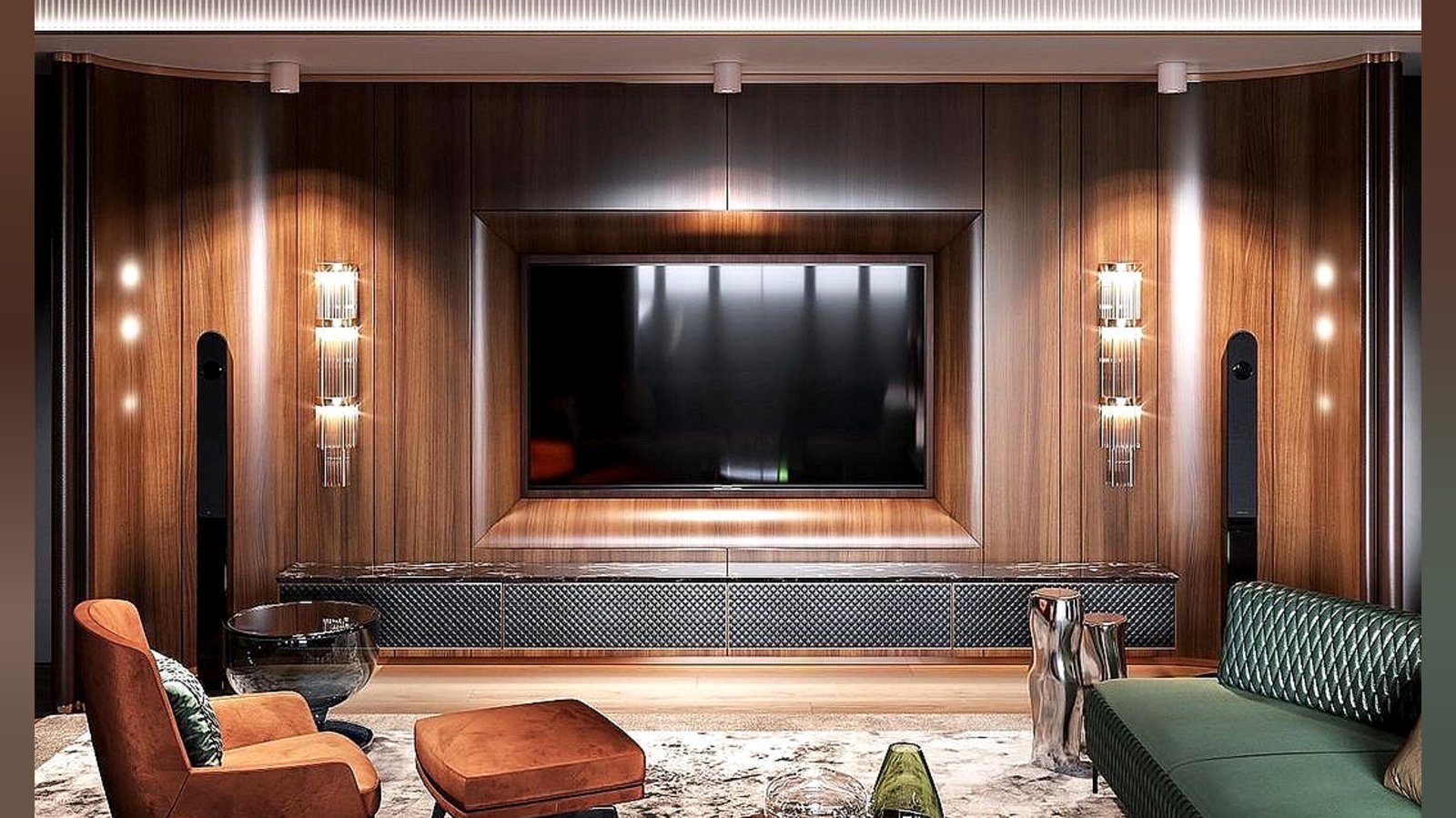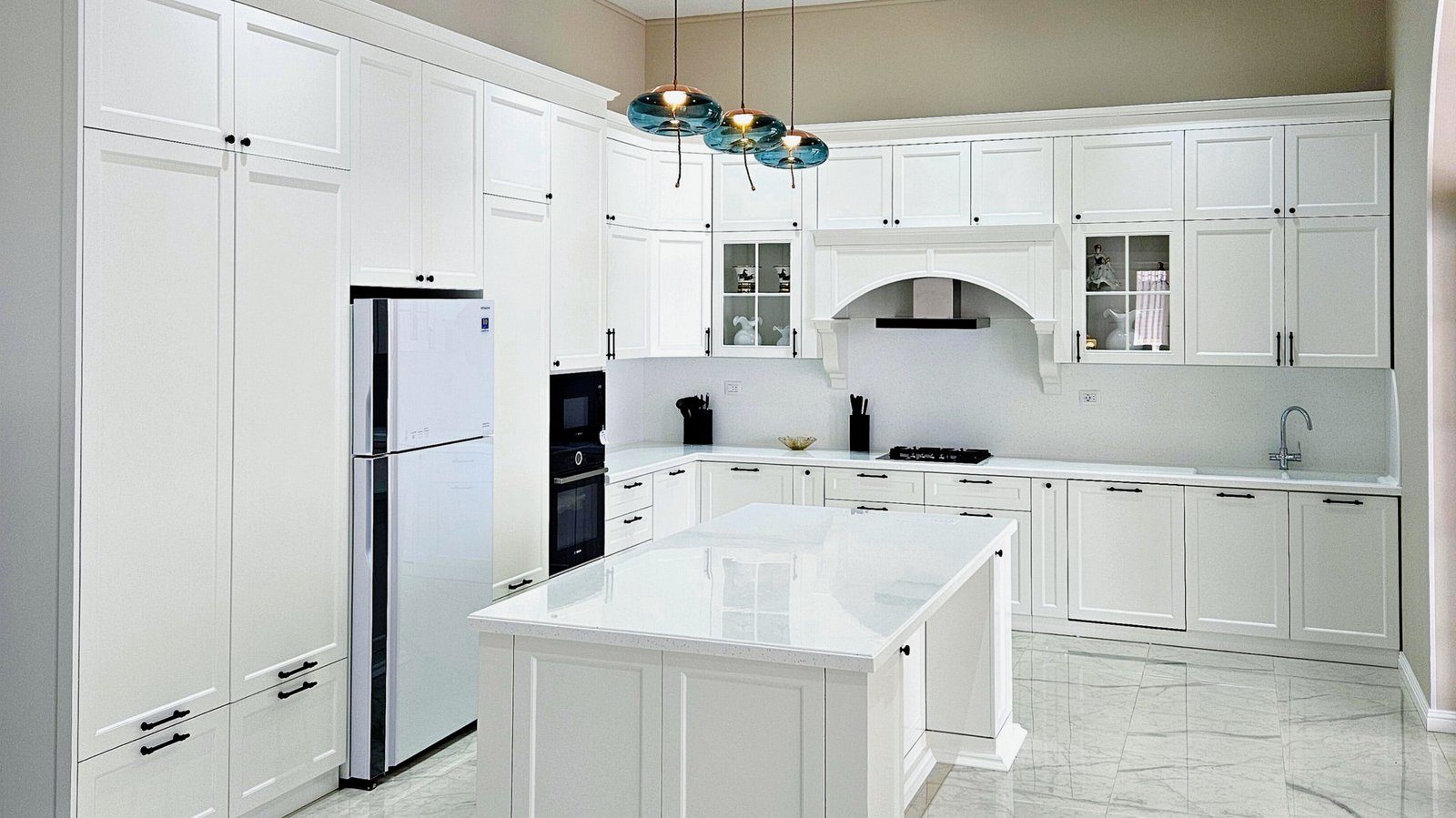

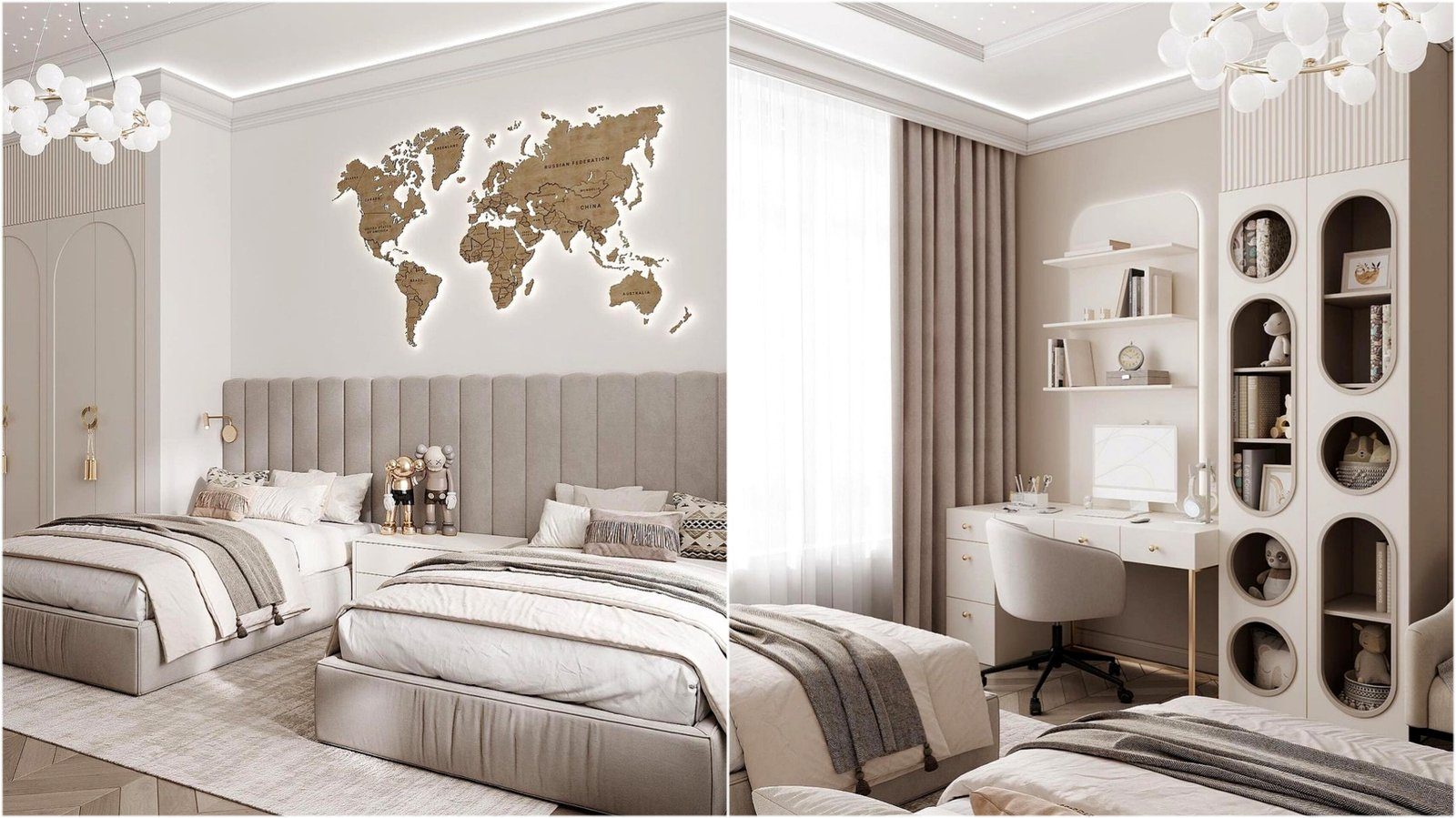
Many people take the distinctive smell inside a newly delivered wardrobe as a sign of freshness. In fact part of that smell comes from substances released by the glue in board materials, and the one most talked about is formaldehyde. The question comes up especially when choosing furniture for children's rooms and bedrooms. It is worth looking at it calmly and on the basis of facts.
Where formaldehyde in boards comes from
Particleboard, MDF and many types of plywood are made by bonding wood particles or fibres with synthetic resin. Some of these resins, widely used for decades, are formaldehyde-based. Even after the resin has cured, a small amount of free formaldehyde remains in the material and is gradually released into the air. This is called emission.
Emission is highest while the material is new and falls over time. Heat and high humidity speed up release, which is why the smell is stronger in a warm, poorly ventilated room. At high concentrations formaldehyde irritates the eyes and airways, and that is why emission classes have been set for board materials.
What E1 class means
E1 is a formaldehyde emission class defined in European standards for wood-based panels. A board in this class must not release formaldehyde above a set limit when measured in a standard test chamber; that limit is around 0.1 ppm. E1 is the widely accepted baseline for furniture and interiors, and in many European countries it serves as the minimum requirement for boards used in homes.
You may also see labels indicating even lower emissions, such as E0.5 or ‘E0’, as well as CARB and TSCA compliance for the North American market. Some of these are not official European classes but manufacturers' own designations. What matters, therefore, is not the label itself but a document showing which standard the board was tested to.
What laminate and edge banding change
The laminated face of a board significantly reduces emission, because the coating acts as a barrier at the surface. Exposed cut edges are where the material ‘breathes’. Sealing every cut with edge banding, as good workshops do, helps not only with moisture and appearance but also with reducing emission.
That is why it is worth checking for unsealed cuts at the back of a wardrobe, under drawers or on hidden shelf edges. If banding is missing where it cannot be seen, it may say something about the overall care taken in production.
What to do when new furniture arrives
The simplest and most effective step is ventilation. Airing the room regularly in the first weeks and leaving wardrobe and drawer doors open for a while stops released substances from building up indoors. Keeping new furniture in a very warm room or right next to a radiator can make the smell last longer.
If you are ordering furniture for a child's room, it makes sense to schedule installation a little before the child moves in and to ventilate the room well during that time. If the smell is sharp or does not fade for a long time, you are entitled to ask the manufacturer for documentation on the materials.
The smell does not come from boards alone. Foam and fabric in upholstered furniture, lacquer and paint on painted fronts, and the adhesives and sealants used during installation can also smell in the first days. These substances differ in composition and behaviour, so knowing which materials were used helps identify the source. For example, if the smell is strong only inside drawers, it is often simply air trapped in a closed space and fades after leaving them open for a few days.
What to ask when ordering
- Which manufacturer's boards are used for the carcass and fronts?
- What is the board's emission class, and is there a document confirming it?
- Are all cut edges, including hidden ones, sealed with edge banding?
- If MDF fronts are painted, what type of paint and lacquer is used?
- For children's furniture, what other materials such as upholstery, foam or adhesive are used?
The emission class may look like a small detail, but asking about it encourages both seller and manufacturer to treat materials with more care.
Zaferoglu Mebel buys board from Egger, Kronopol and similar producers and describes its products as environmentally safe. Before signing, ask which board your furniture will use and its emission class.