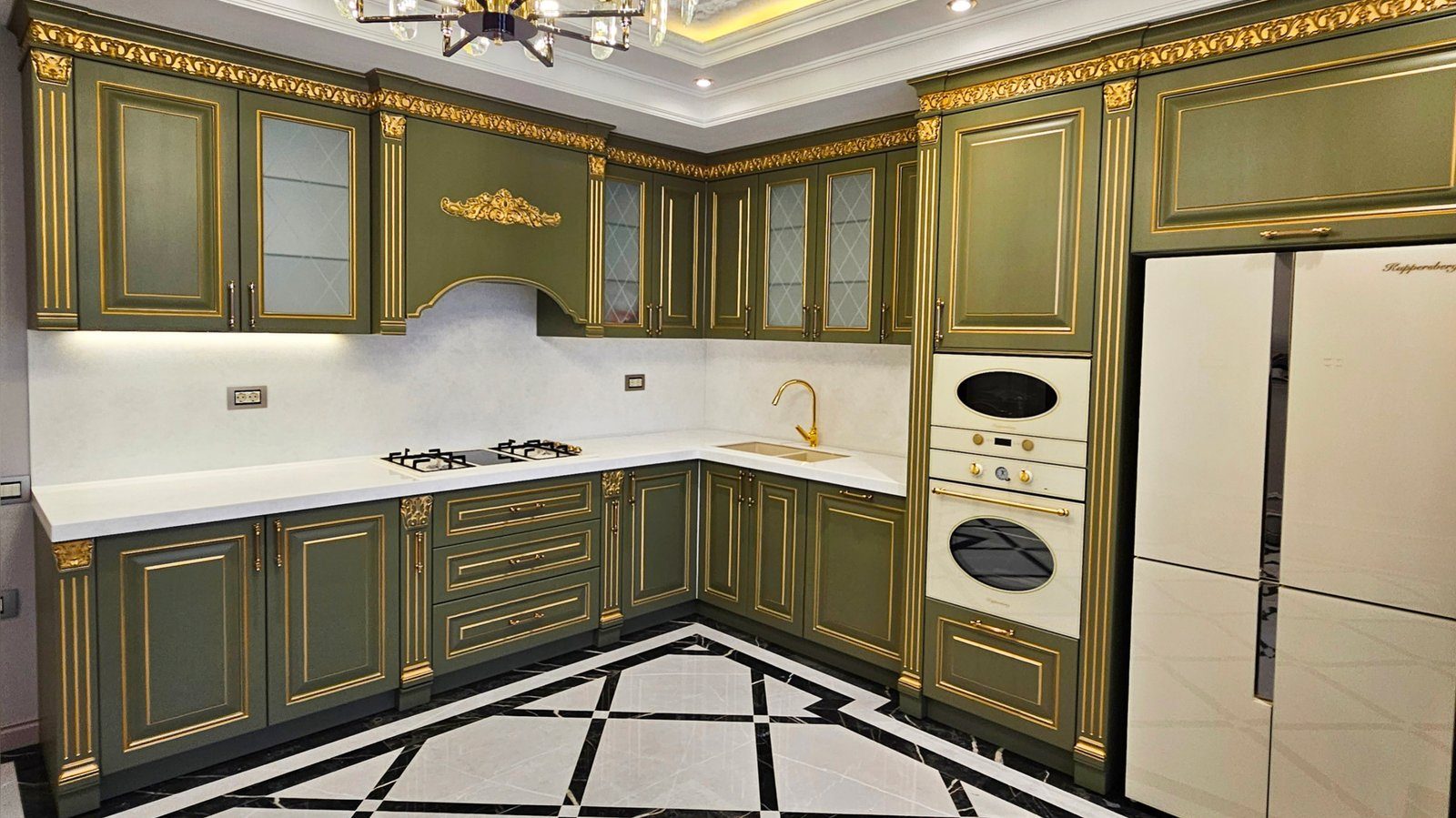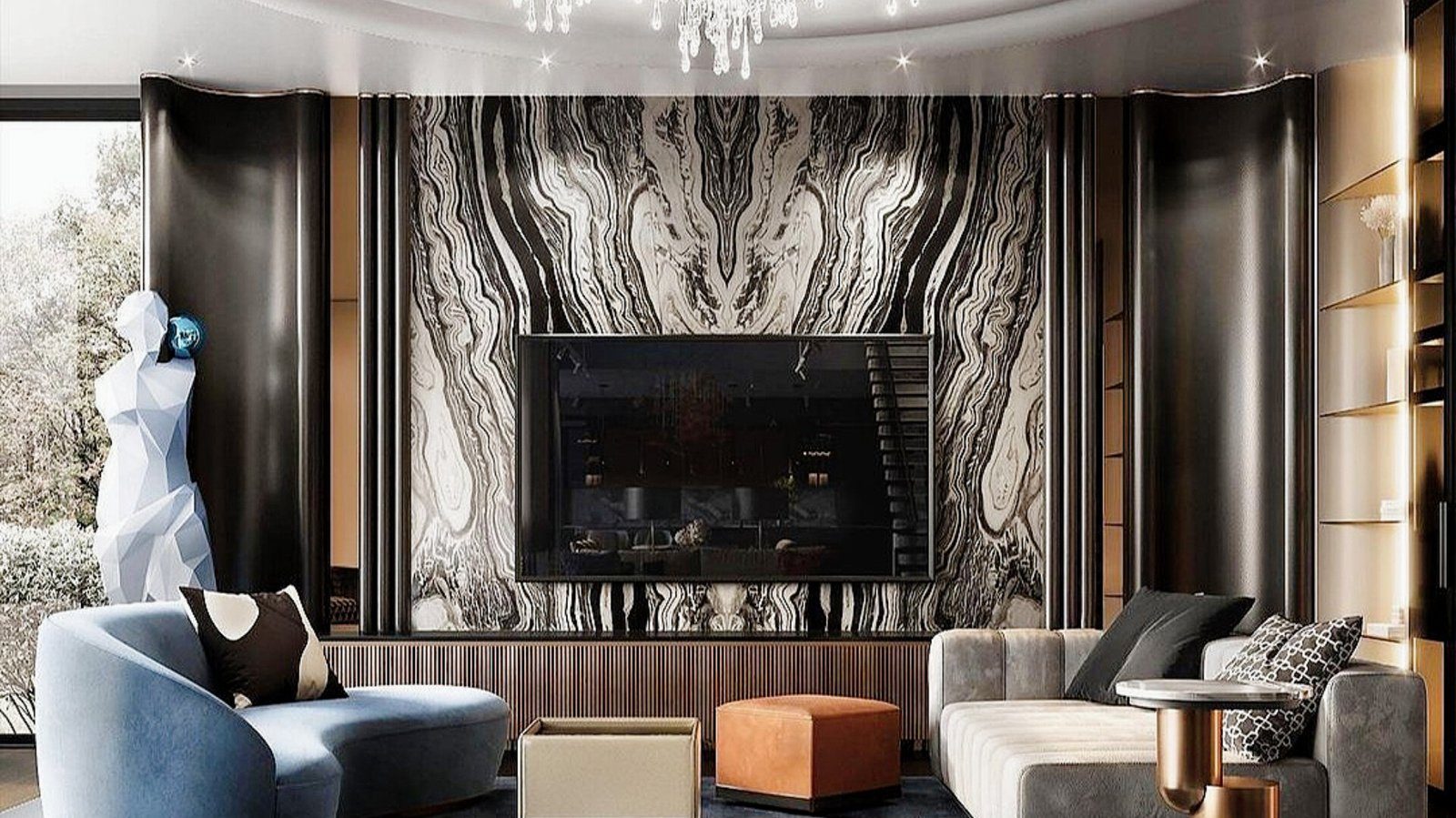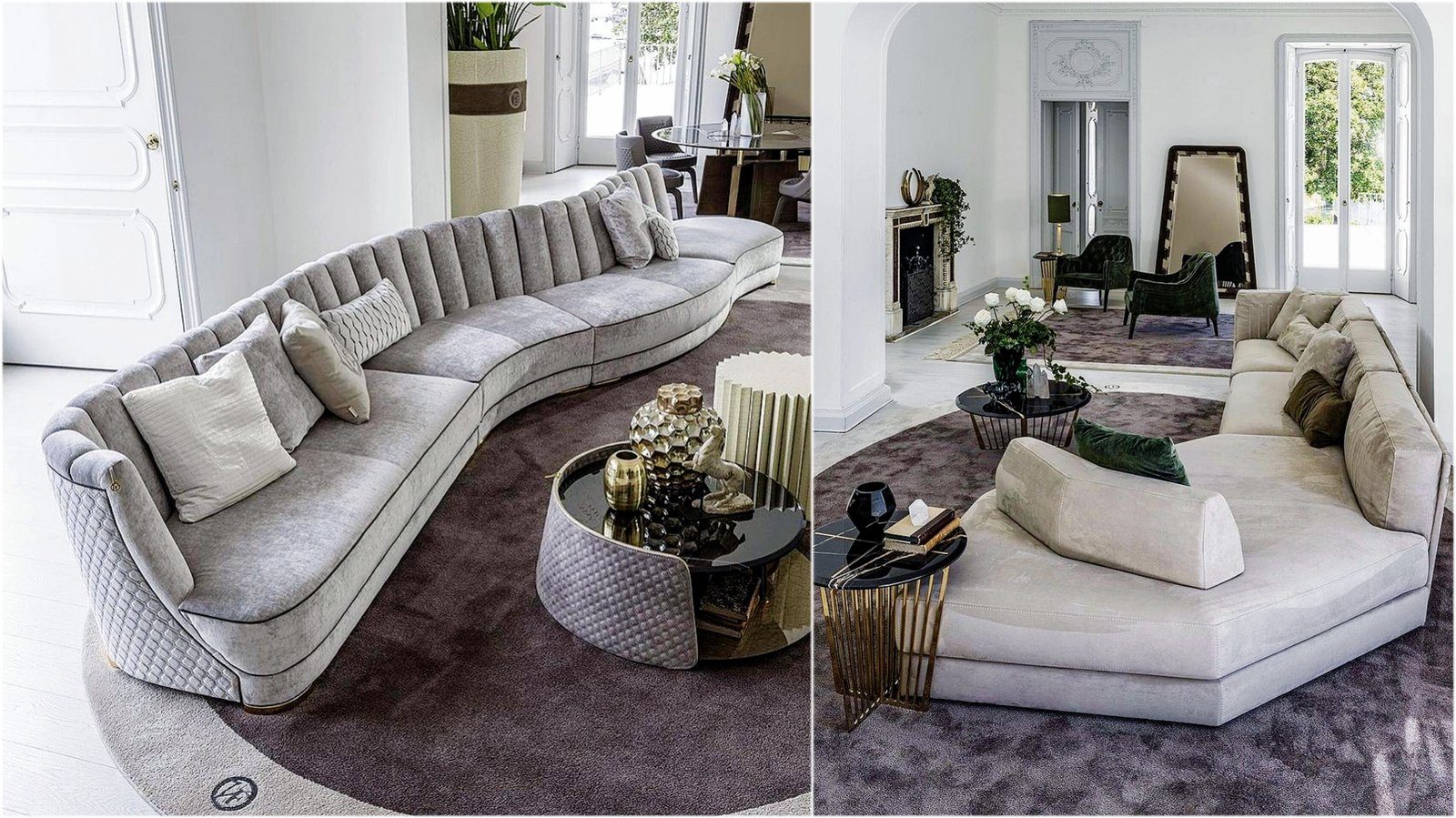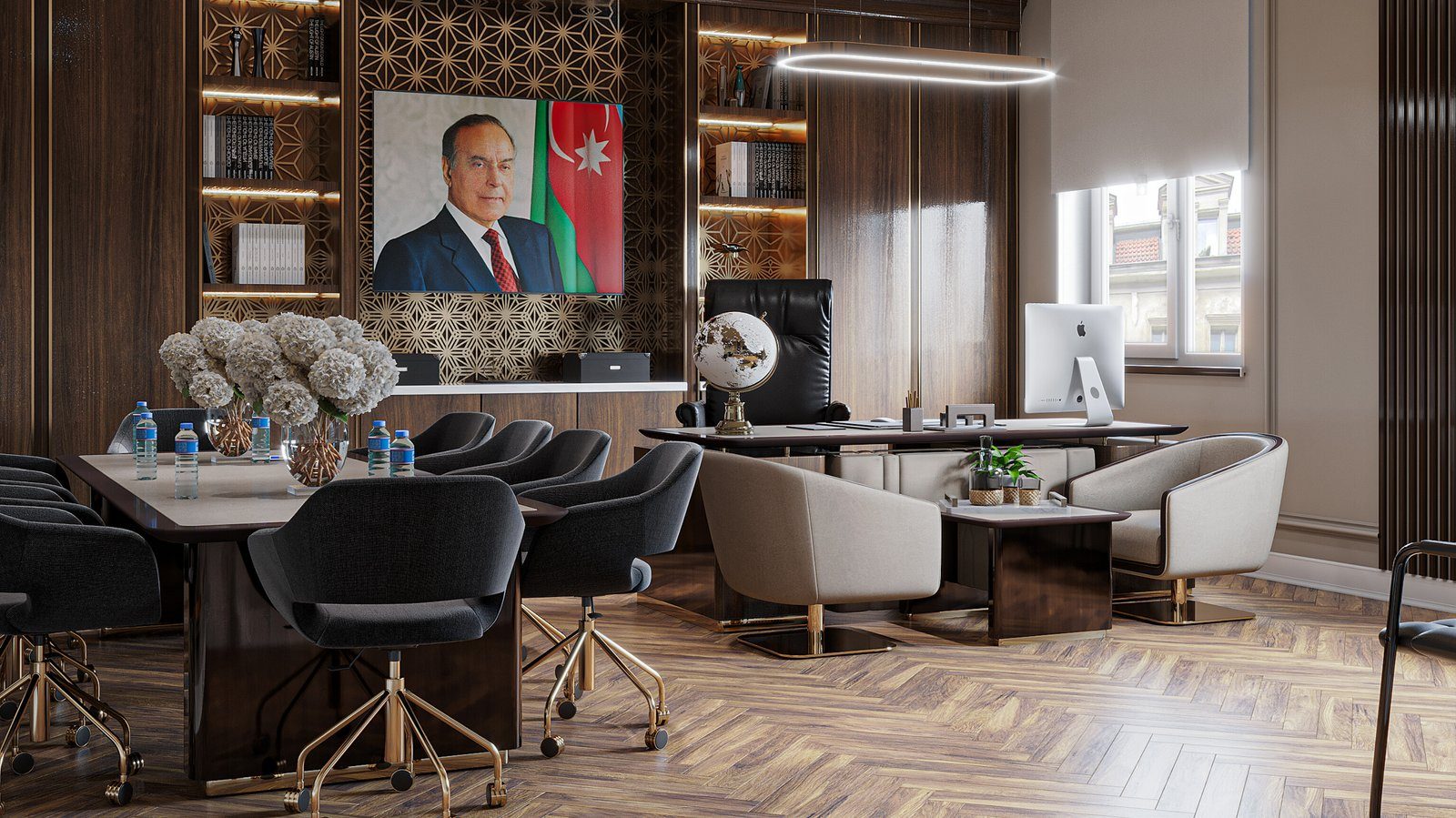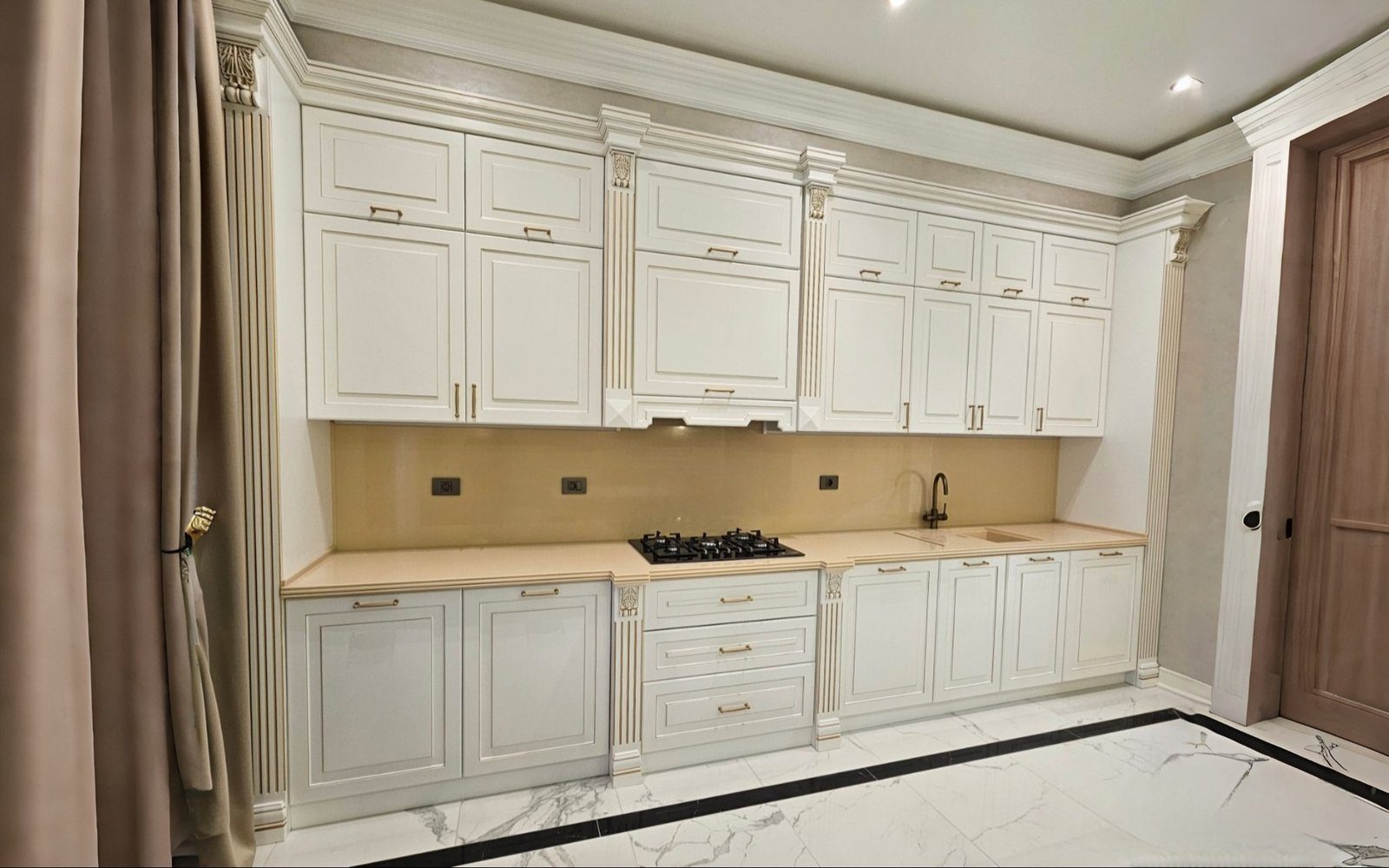

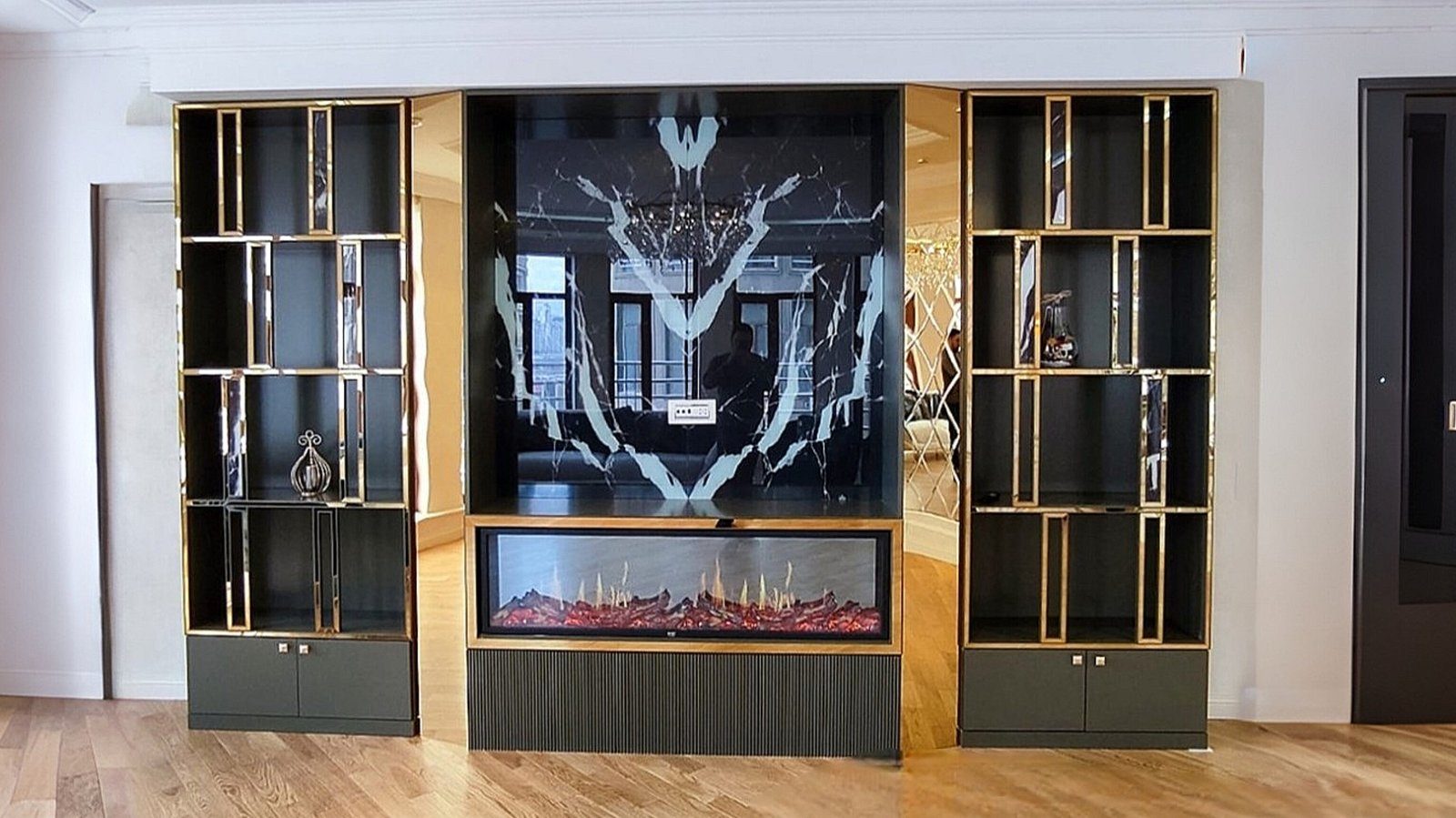
An interior made entirely of smooth laminate or painted fronts can start to look flat after a while. Light falls on every surface the same way, there are no shadows, and the eye has nothing to catch on. Replacing all the furniture is rarely necessary; often a different texture on one row of fronts or part of a wall is enough. Sibu decorative panels are one of the materials used for exactly that.
What Sibu panels are
Sibu is an Austrian brand that makes thin, flexible decorative panels. They are not furniture boards in their own right: they are bonded onto an existing substrate such as MDF, chipboard or a flat wall. The collections include surfaces that read as leather, textile, metal, stone or concrete, geometric reliefs, mirror-like and high-gloss options. Some series come with a self-adhesive back, others need a separate adhesive.
The main advantage is getting texture without adding weight or thickness. A leather-look panel does not make a door heavier or load the hinges, yet it can make a front feel like part of an upholstered room.
Where they work well in furniture
Decorative panels succeed mostly as accent zones. A fully textured kitchen tires the eye, but a few well-chosen elements bring a room to life:
- the wall panel behind a TV unit, or the central doors of the unit itself;
- the section of wall behind a bed headboard;
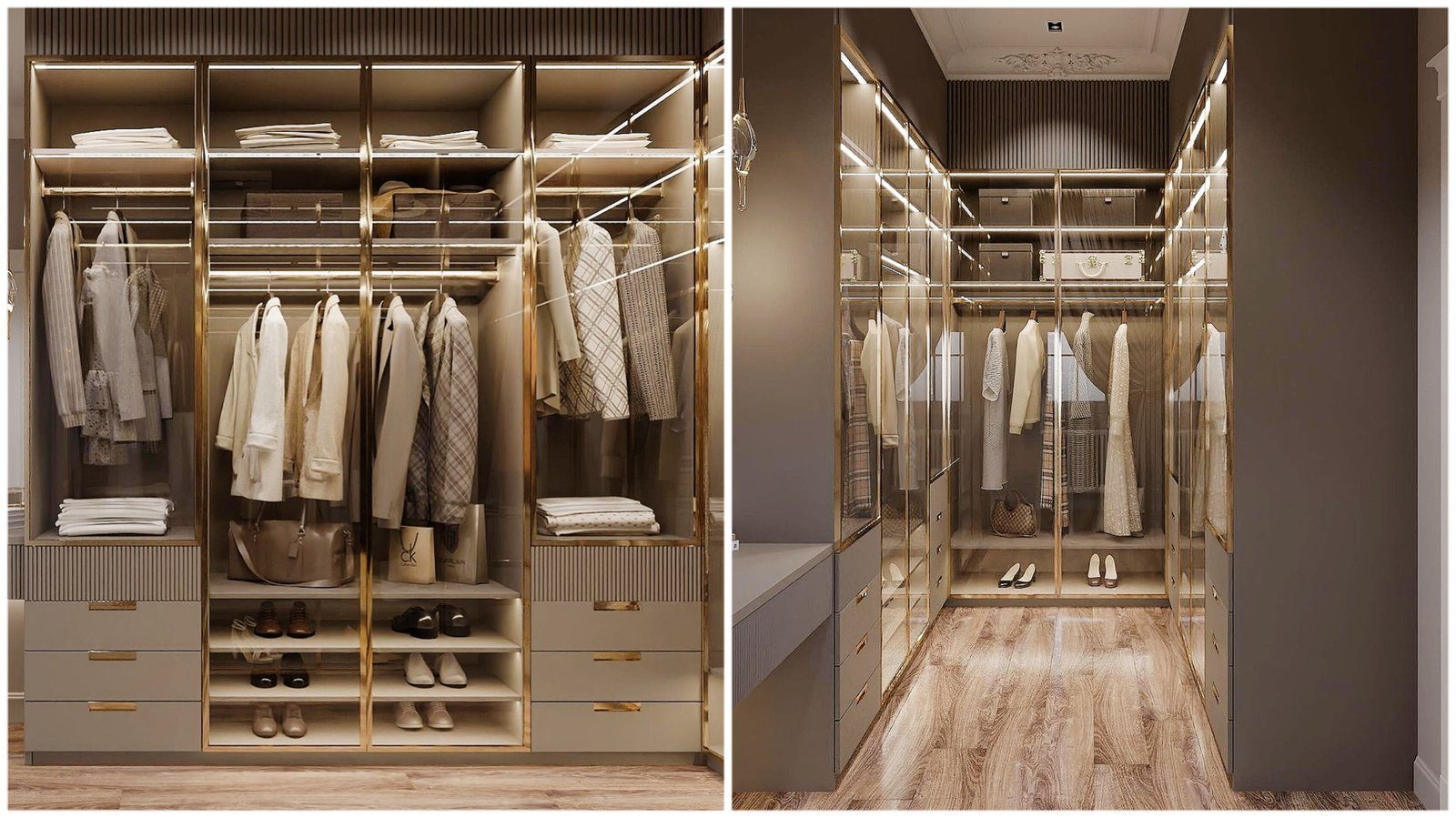
- one row of wardrobe doors, especially as an insert panel in sliding systems;
- the front of a reception desk, or a display backdrop in shops and beauty salons;
- the front face of a bar counter or kitchen island.
What these places have in common is little daily handling, no splashing water, and a surface that is mostly seen from a distance.
Zones that need caution
Not every decorative panel is intended for the working part of a kitchen. Next to the sink, behind the hob or where steam hits directly, moisture can creep in at the edges and heat can weaken the adhesive layer. For such spots, check the technical sheet of the chosen series for its temperature and moisture limits.
Deeply embossed panels are striking but trap dust, which makes cleaning a chore in a child's room or on low doors handled all day. Gloss and metallic finishes pick up fingerprints easily, something to remember on handleless push-to-open doors.
Fabrication and joints
A good result depends on the substrate. It has to be flat, clean and dust-free, because even a tiny bump shows through a thin panel. At the edges of a front, the panel is either trimmed precisely and finished with edge banding or wrapped around the edge, depending on the design and how flexible the panel is.
Running a pattern continuously across several doors needs its own planning. If a geometric or grained texture breaks between doors, it is very noticeable along a long row of fronts, so the cutting plan follows the order of the doors.
Where wall panels meet furniture, thermal movement and uneven walls have to be considered. If the wall is not truly flat, bonding the panel to a flat board first and then mounting the board usually gives a neater finish than gluing straight to the wall.
Care and questions to ask
A soft, slightly damp cloth is usually enough for everyday cleaning. Abrasive sponges, solvent-based cleaners and stiff brushes can damage the top layer of the relief. A soft-bristled brush is handier for lifting dust out of textured surfaces.
Before choosing, ask yourself:
- Which room and at what height will the panel be, and will it be touched often?
- Is there water, steam or a heat source nearby?
- Will the texture compete with other materials in the room, such as wood decor, stone or fabric?
- Does the pattern need to run across several doors?
Sibu is among the brands Zaferoglu Mebel works with when building furniture. Whether a decorative panel makes sense on a particular front or wall section is best decided together with the overall colour and material plan of the project.