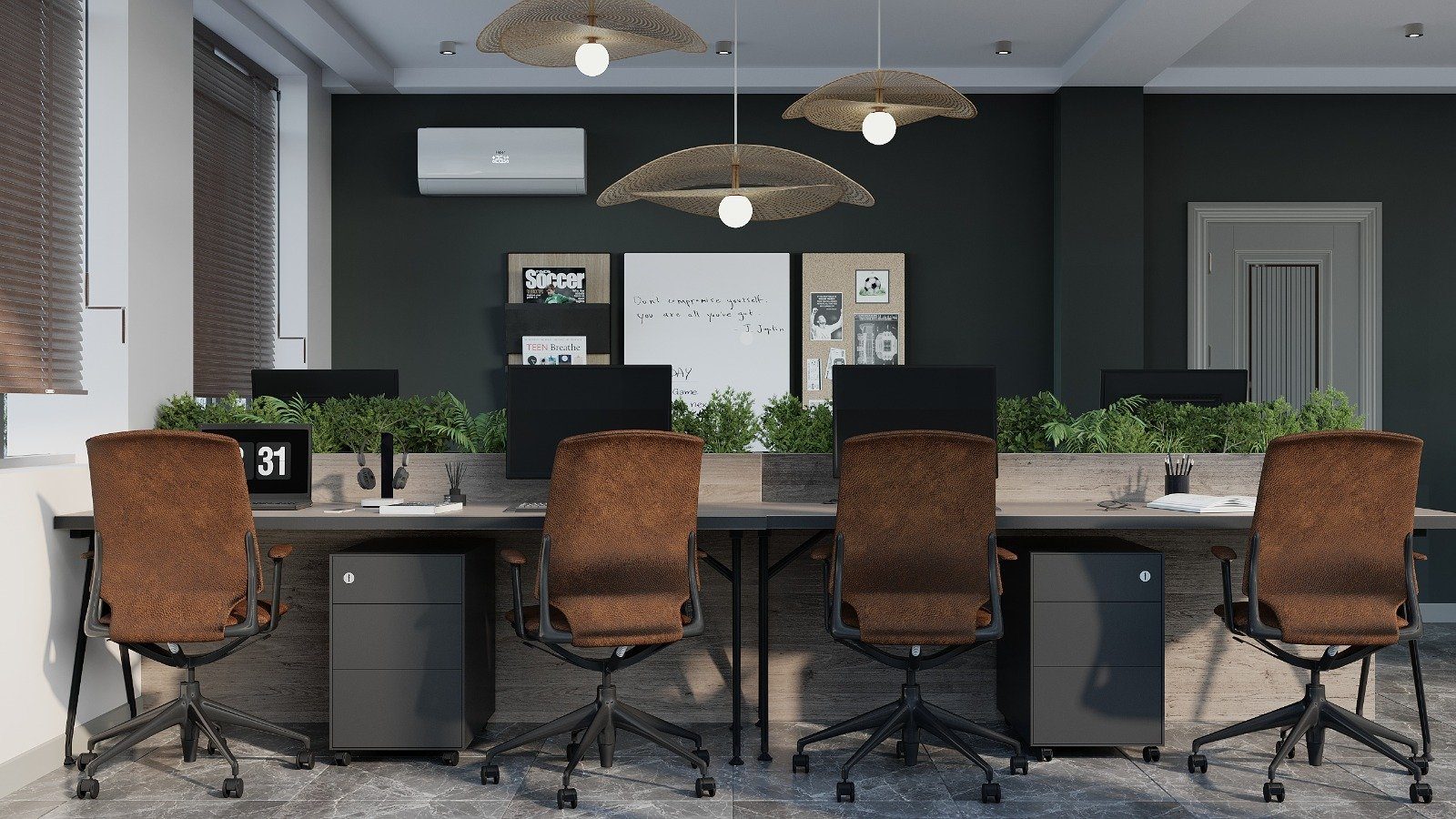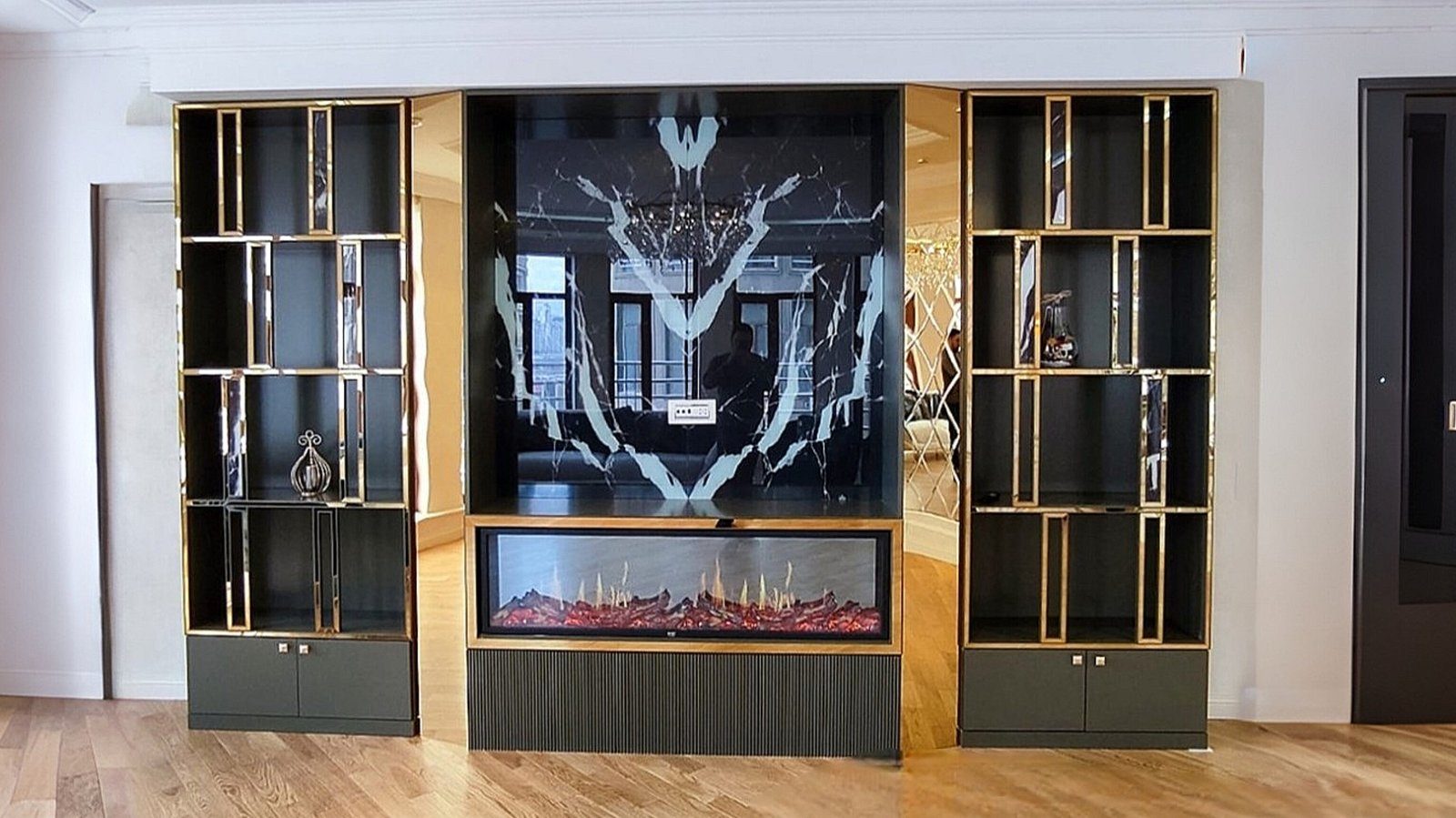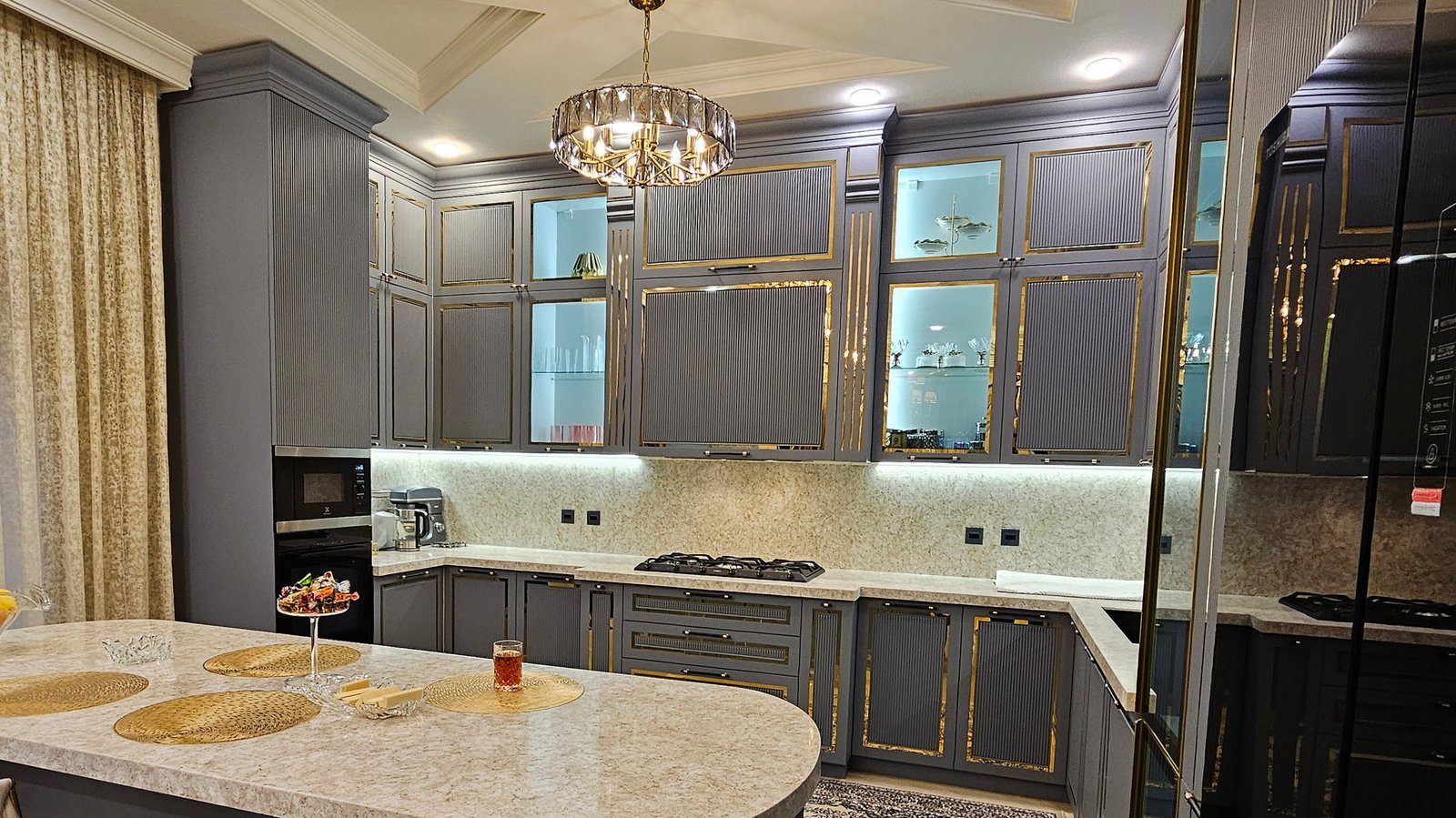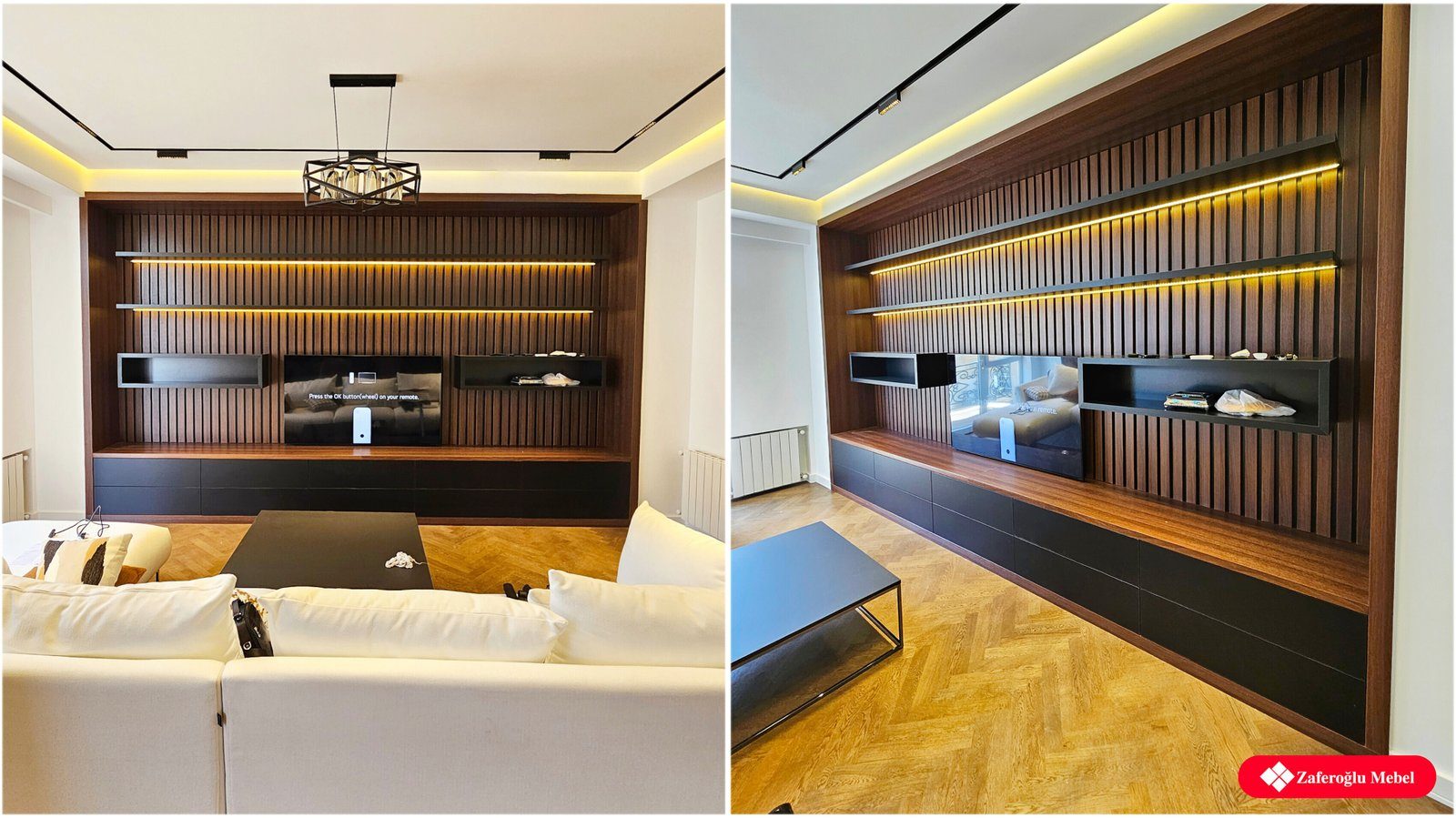

In catalogue photos, two wardrobes or two sofas can look almost identical. The difference emerges in the showroom when you look closely, open a door, pull out a drawer and run your hand along an edge. Premium furniture is less about expensive material names and more about these small details being done right, consistently. Knowing how to spot them makes it easier to compare offers when ordering.
Edges: the first thing your hand notices
In board furniture, quality shows most at the edges. Edge banding covers the cut side of the board and provides both appearance and protection against moisture. In good work, the glue line between banding and board is either invisible or extremely thin. Running your hand along the edge, you should feel no step, bump or sharp corner.
Points to look for:
- The banding colour and decor match the door exactly, and on woodgrain the pattern direction continues.
- Corners are neatly rounded and the ends of the banding are not lifting.
- Hidden edges, such as the backs of shelves and the tops of drawer boxes, are banded too.
- There is no darkened line or glue residue between banding and board.
Banding on hidden edges is especially telling: it is a place buyers will not check straight away, and it reveals the manufacturer's approach.
Gaps and alignment
Even gaps between fronts are one of the clearest signs of premium furniture. Gaps between a row of doors and drawers should keep the same width, and horizontal and vertical lines should run straight across the whole piece. A door standing slightly proud of the next, or a gap that is wide at the top and narrow at the bottom, shows that assembly and adjustment were rushed.
Correct adjustment also depends on the carcass itself being installed level. On an uneven floor, the carcass is levelled with adjustable feet and a plinth; only then can the fronts be adjusted precisely.
Look at where the furniture meets walls and ceiling as well. Walls are rarely perfectly straight, so in quality installation the gap between furniture and wall is closed with a filler panel measured and cut on site. Its edge follows the unevenness of the wall, leaving no visible wedge-shaped gap. In rushed installation, such gaps are simply left open or filled with silicone.
Hardware: sound, smoothness and load
Hardware is the quality you feel every day. On premium furniture, doors close softly and silently, and drawers open all the way without catching or wobbling even when full. A drawer loaded with heavy tableware should close gently by itself after a light push. Hinges and runners adjustable in three directions keep fronts aligned years later.
In a showroom, open a drawer fully and press lightly on top: there should be little wobble. Close a door several times at different speeds: the damper should work the same way each time. It is also reasonable to ask about the hardware brand; established manufacturers openly state their testing and warranty conditions.
Seams and upholstery
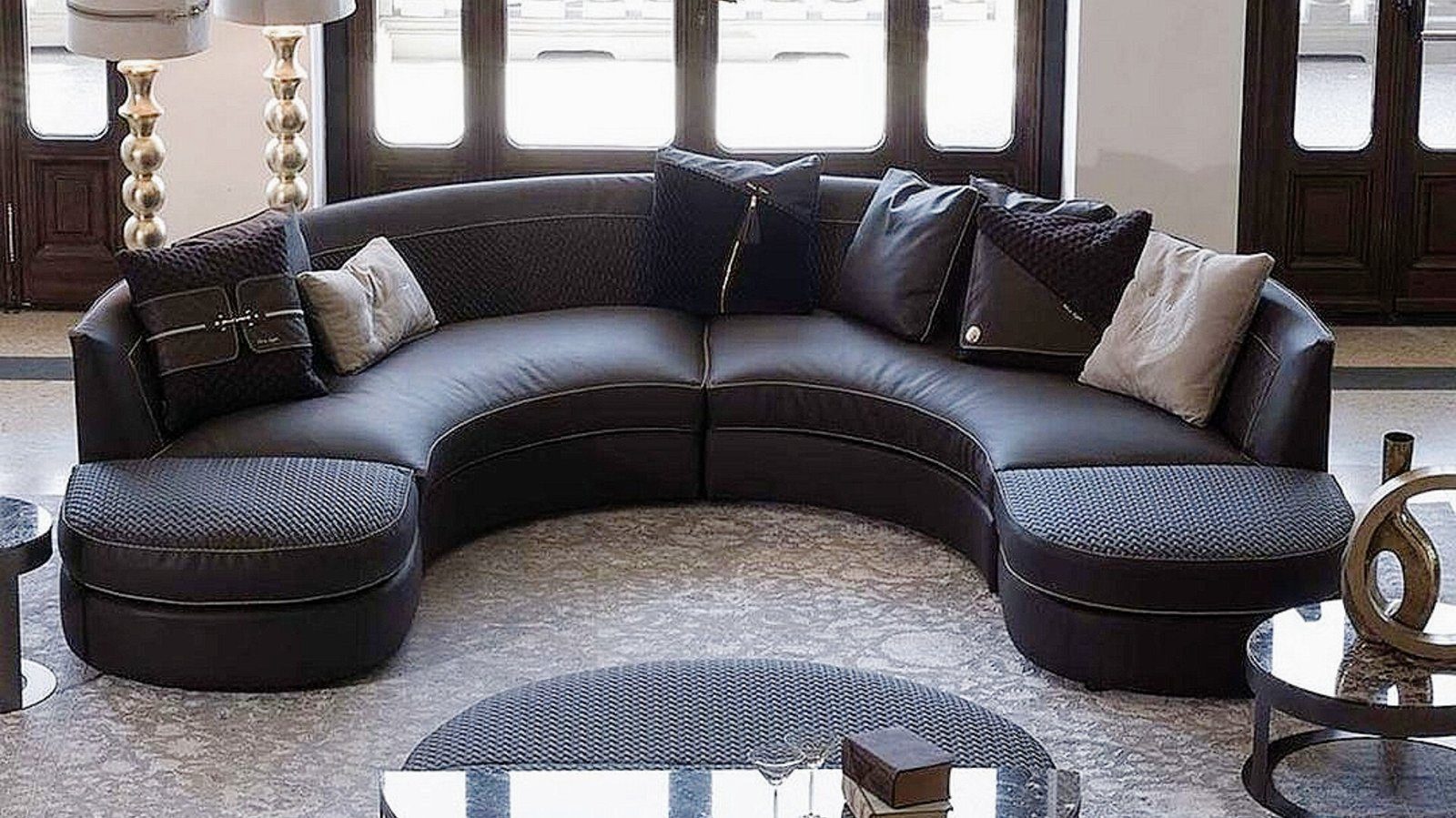
On upholstered furniture, premium quality shows in the seams. Stitch lines should be straight, stitch length even and no thread ends visible. Piping and decorative stitching should continue at an even distance around corners without breaks.
Pattern matching on patterned and striped fabrics is especially telling. If the pattern on the seat, back and arms looks continuous, it shows careful work with extra fabric used during cutting. The fabric should not be stretched on the upholstery, with no wrinkles or slack areas, particularly at corners and on rounded arms.
The hidden side matters too. Whether the back and underside of a sofa are neatly covered, and whether the filling inside cushions is evenly distributed, shows how the sofa will look over the first years.
Look inside
Interior surfaces reveal the difference between premium and average furniture very clearly. The inside of a wardrobe or kitchen cabinet should be as neat as the front: the back panel firmly fixed, screw heads tidy and holes cleanly drilled. The drawer box material, base thickness and how it joins the sides determine its load-bearing capacity over time.
A short checklist:
- Is there a visible glue line or step on the edge banding?
- Are the gaps between fronts even?
- Do doors and drawers operate silently and smoothly?
- Are hidden edges and interior surfaces neatly finished?
- On upholstered furniture, are seams straight and patterns matched?
- Are the board and hardware brands and the board's emission class stated?
Zaferoglu Mebel builds with Egger and Kronopol boards and Blum hardware, with a warranty of one to five years. Every question on the checklist above can be put to the company before you order.