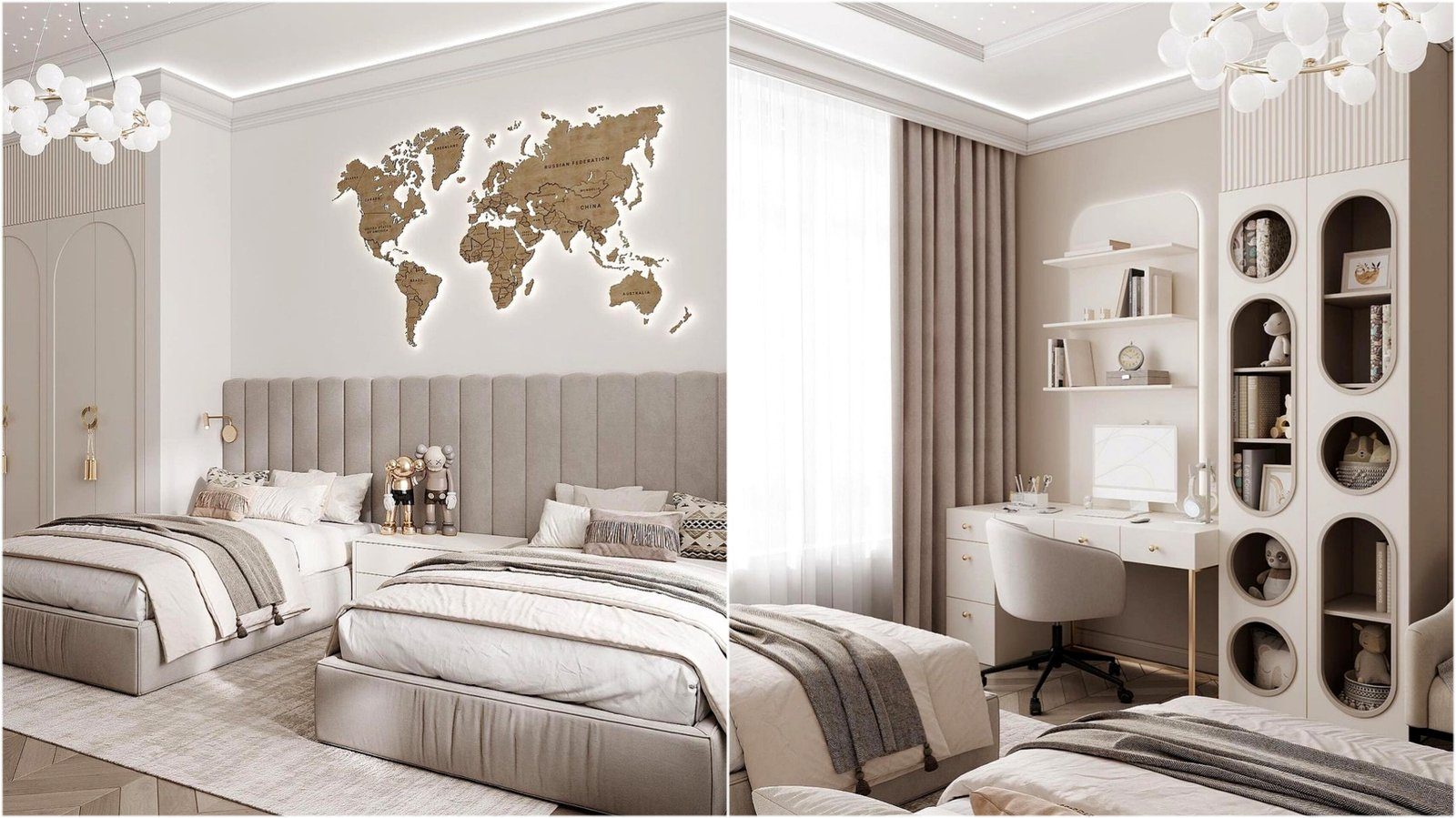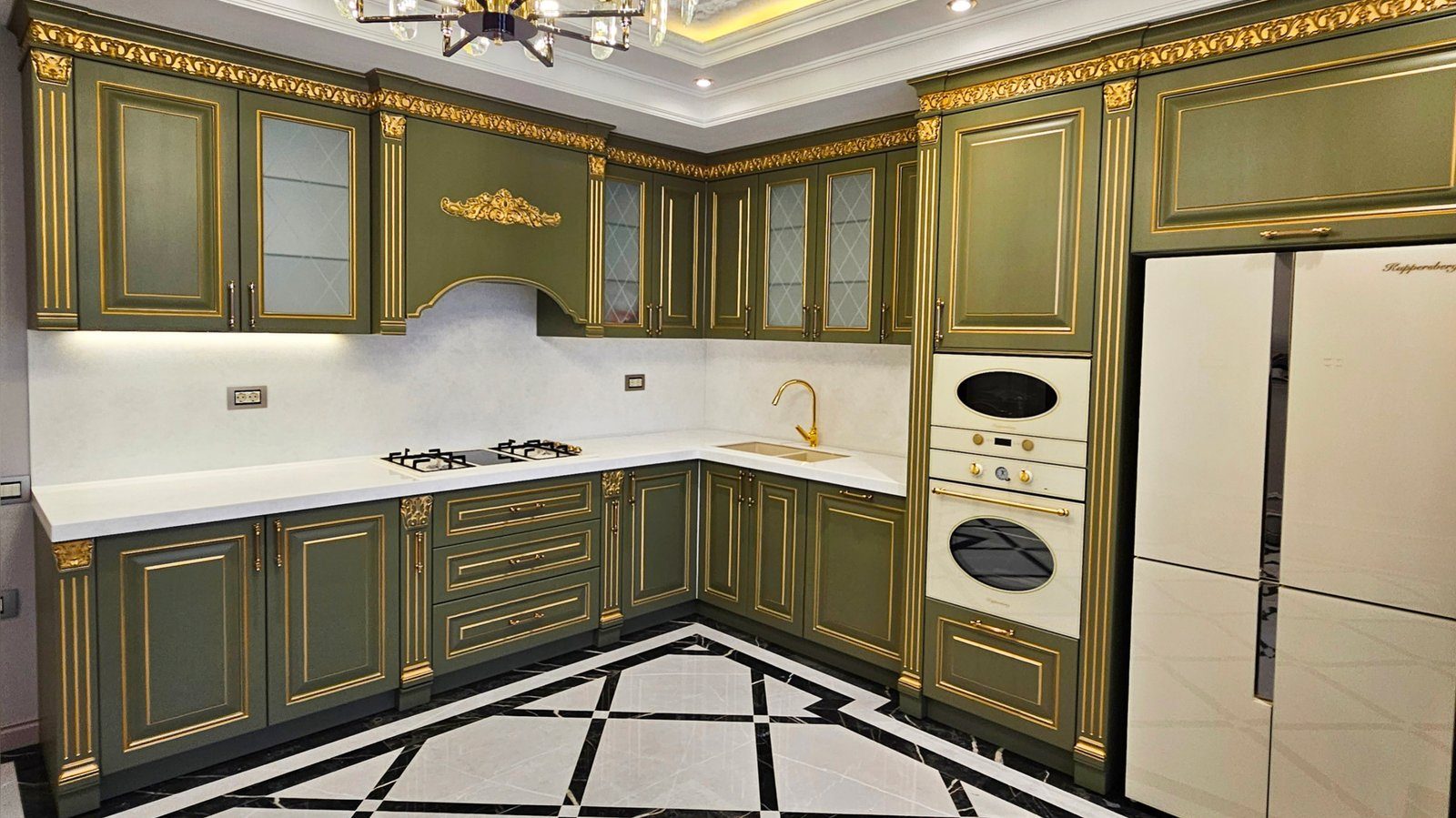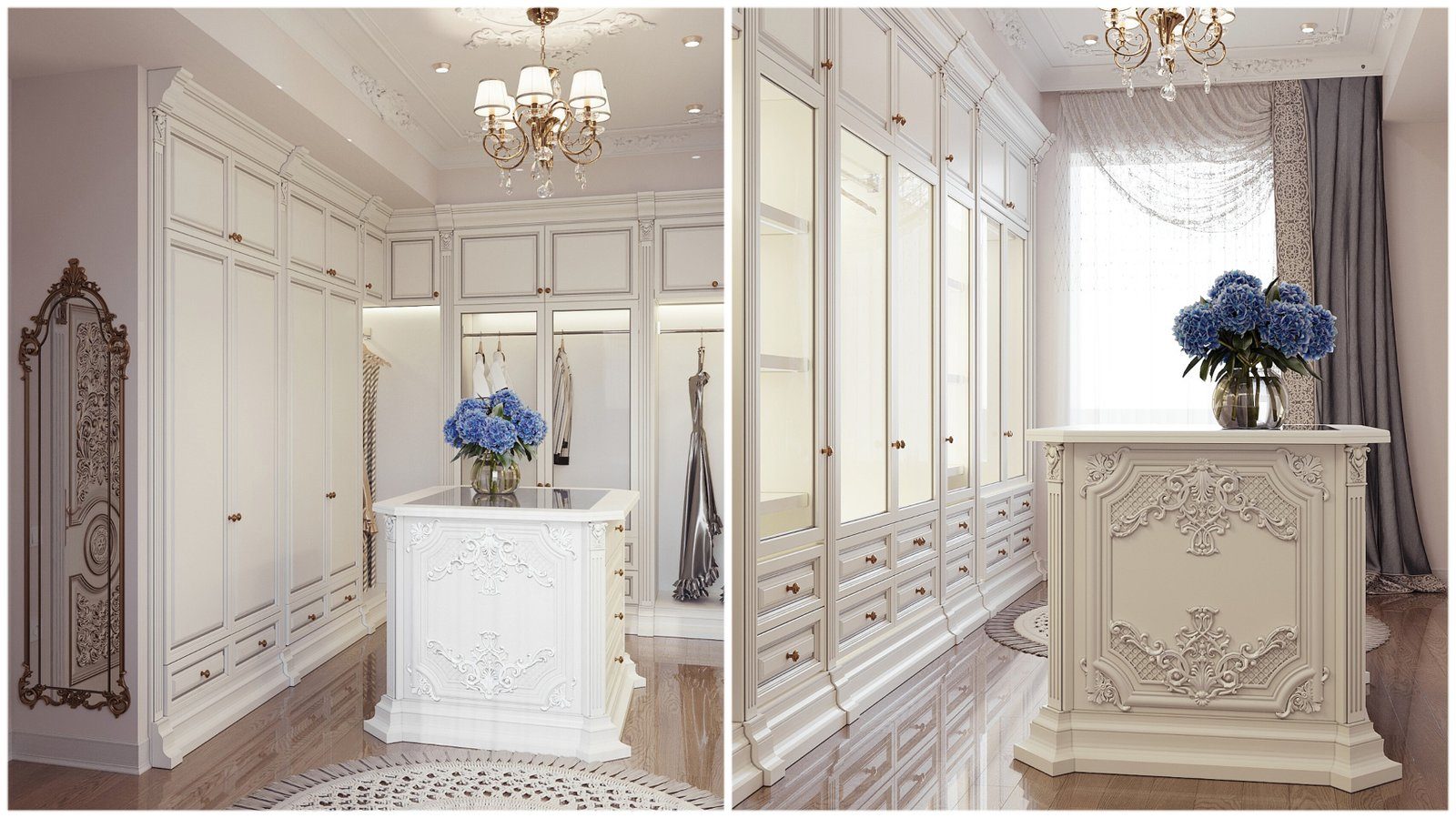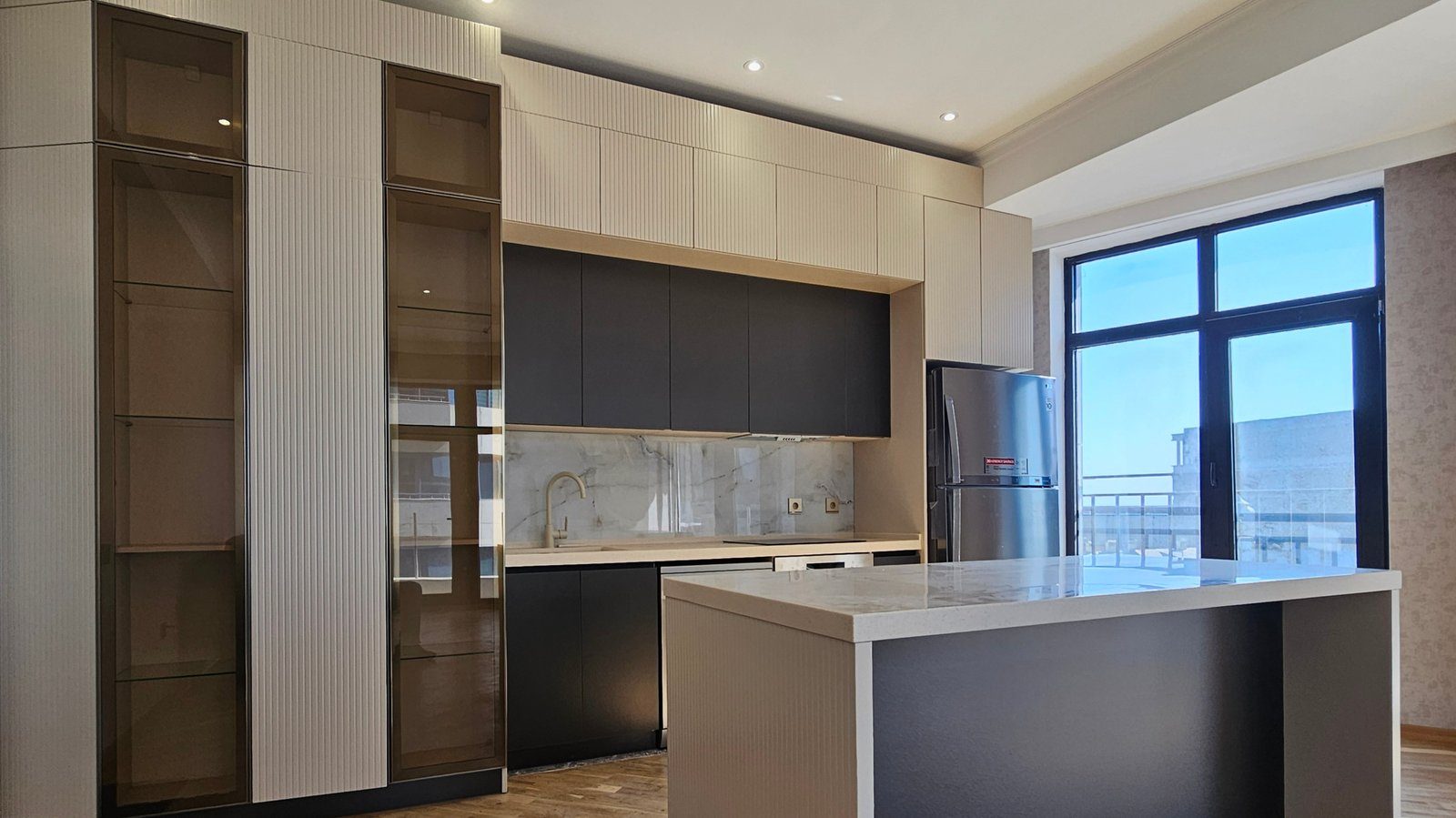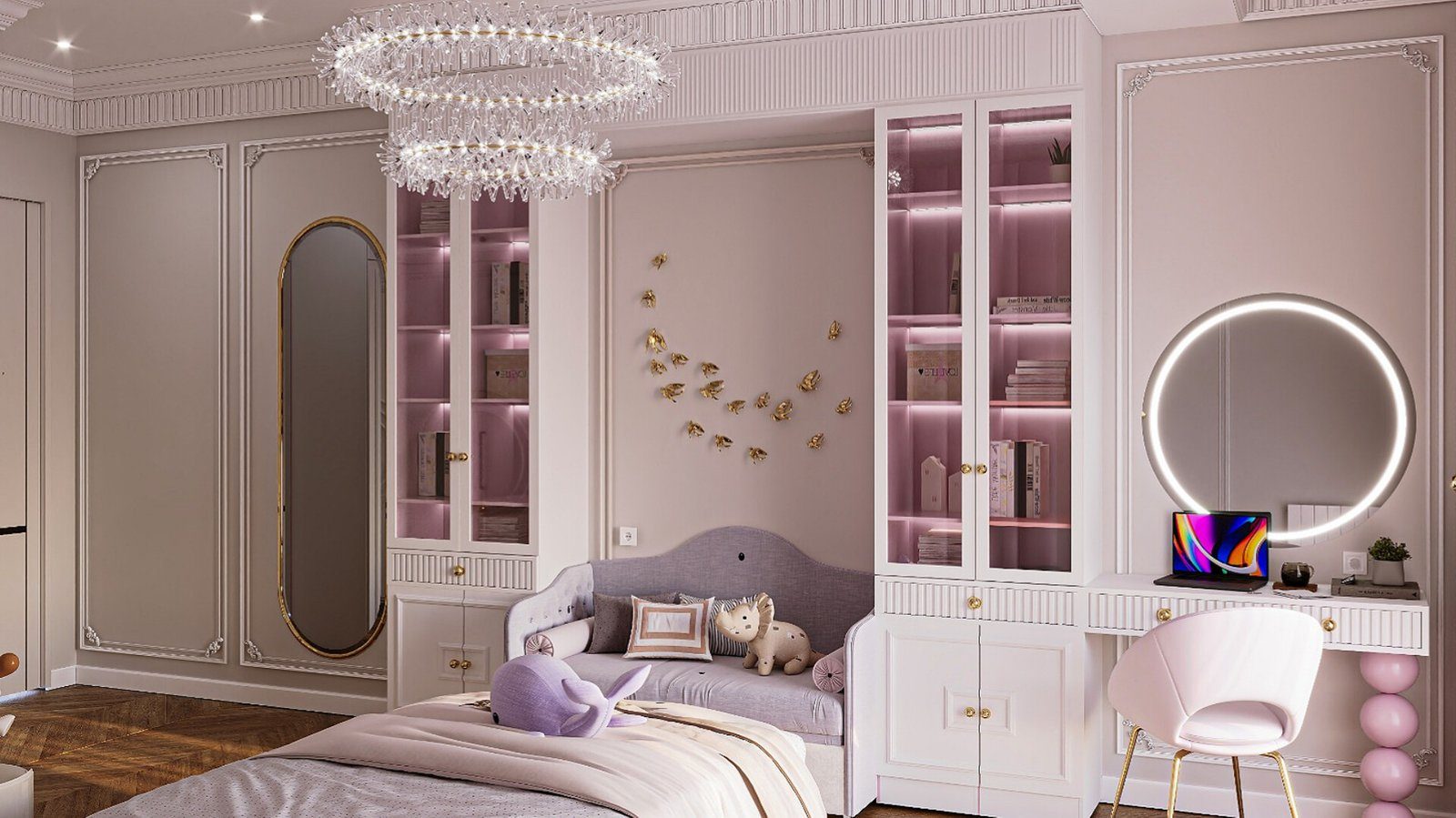

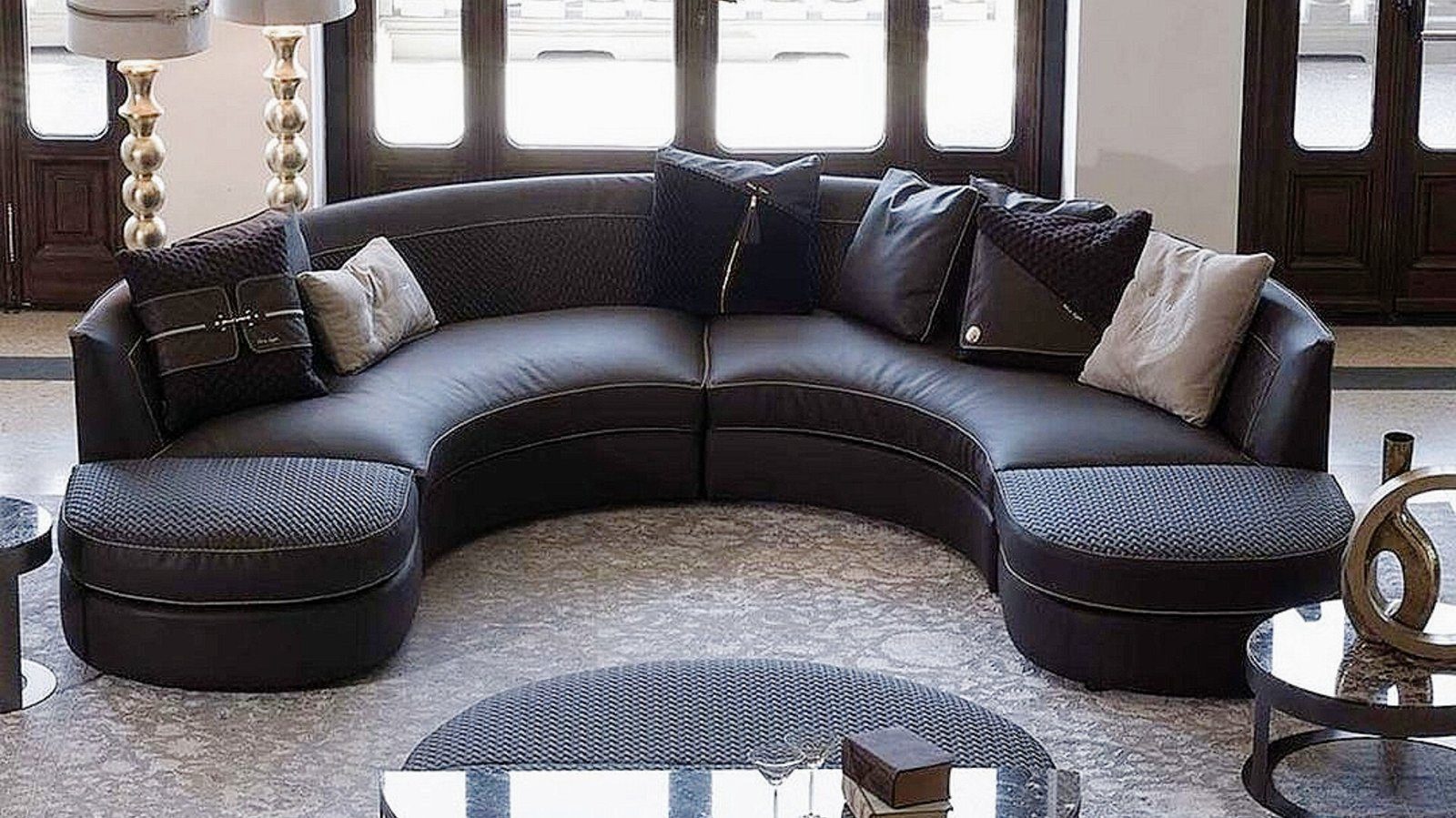
Families moving into a new flat or refreshing their home often have pieces they cannot bring themselves to throw away: a walnut sideboard from a grandmother, an armchair that has been sat in for years, a table where the family has always gathered. There is no need to send them to storage; they can become part of the new interior. The challenge is to keep the old piece from looking out of place, and the new furniture from looking either dull or too assertive beside it.
Start by choosing the lead piece
Inherited furniture often has a strong character: carving, curved shapes, dark polished wood. If a room contains such a piece, the safest approach is to choose new furniture around it in calm, simple forms. When two strong statement pieces compete on one wall, the eye settles on neither. If a classic sideboard stays, for instance, a TV unit or shelving beside it with plain fronts and minimal handles makes the sideboard look more precious.
Wood tones: coordinate rather than copy
Matching old wood exactly with new board or veneer is almost impossible. Over the years timber changes colour in the light and lacquer yellows. Two tones that are very close but not identical look like an accident side by side. More successful approaches are:
- choosing new furniture in a clearly different tone, such as light oak or a painted front next to dark walnut;
- paying attention to undertones: reddish woods sit well with warm beige and olive, yellowish woods with grey-green and blue;
- repeating the old wood tone in small details, such as a shelf edge or a frame.
Proportions and height lines
Old furniture is usually taller, deeper and heavier. When new pieces stand beside it, aligning top lines and keeping table and cabinet heights close creates a unified look. Lining up the top of a sideboard with a nearby wall shelf, or choosing new chairs whose seat height suits the old table, builds that connection. With made-to-measure furniture this is especially easy, since new units can be sized to the existing piece.
Upholstery and fabric as a bridge
Reupholstering an old armchair, or picking a fabric for a new sofa that echoes the colour of an old piece, is one of the simplest ways to link different eras. A classic armchair in a calm, contemporary fabric slips easily into a new interior. Conversely, a plain new sofa can carry the pattern and colour of old furniture in its cushions.
Giving an old piece a new job
Inherited furniture does not have to keep its original role. A sideboard once used for crockery can become a display for books and albums in the living room, or a console for keys, bags and gloves in the hallway. An old chest of drawers can serve as a bedside unit or towel storage near the bathroom. A change of use helps the piece look natural in the room, because it reads as furniture in everyday use rather than a museum exhibit.
When the role changes, new furniture can make up for what the old piece lacks. Next to a shallow old sideboard, for example, a made-to-measure closed cabinet can take the bulky items, leaving the sideboard for things you want on show. The old piece is not overloaded and lasts longer.
What to keep and what to replace
Not every old piece suits a new home, and that is fine. When deciding, consider:
- Is the construction sound, or would it need serious restoration?
- Does it fit the new room and the routes through the house?
- Beyond sentimental value, does it have an everyday use?
- Is it better to group old pieces in one room or spread them through the home?
One or two strong old pieces per room are usually enough. Too many pieces from different periods in one place can start to feel like a storeroom.
Zaferoglu Mebel makes upholstered and living room furniture to individual measurements. When the dimensions and photos of an existing piece are added to the brief, the shape and tone of the new furniture can be planned around it.