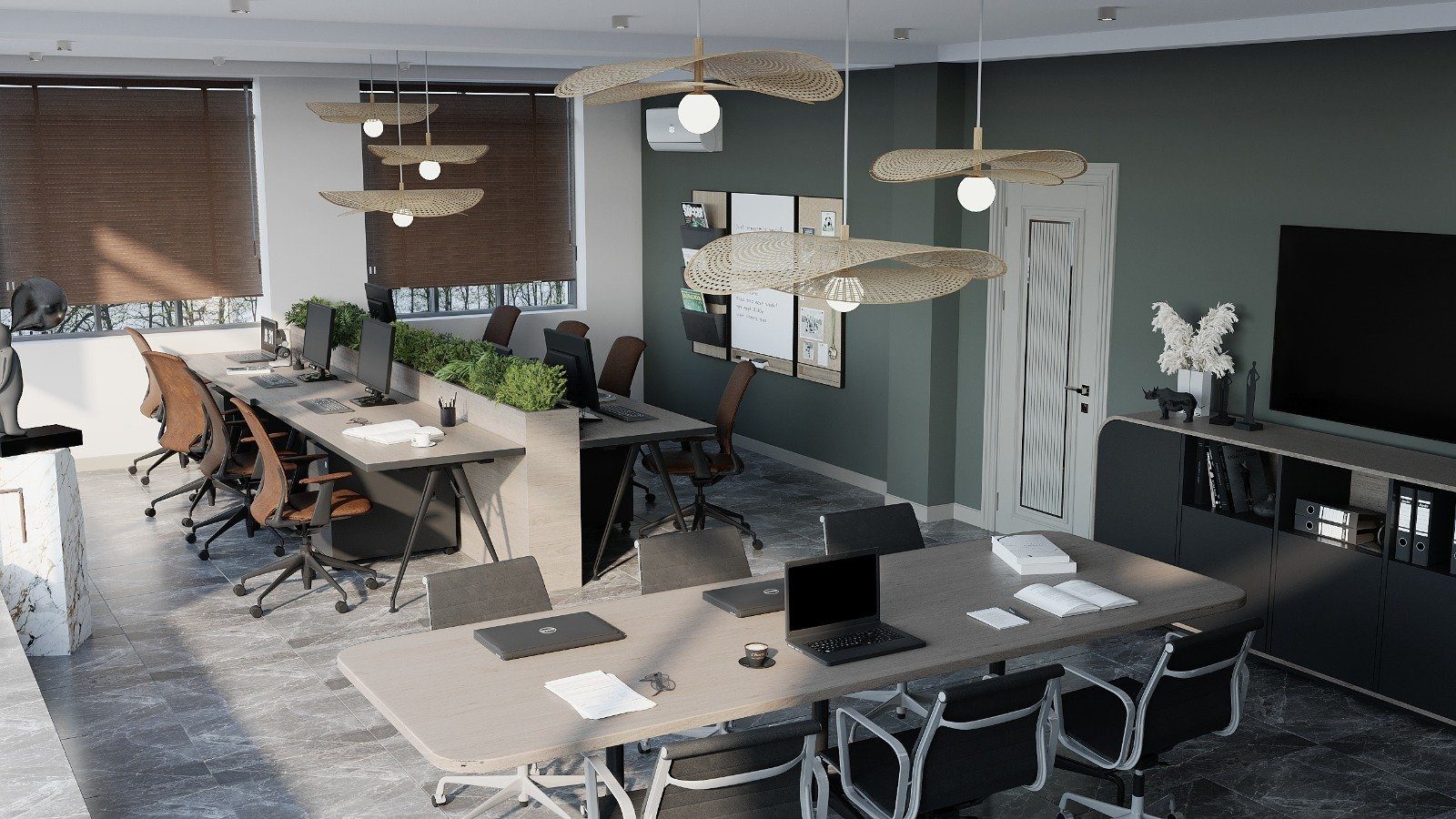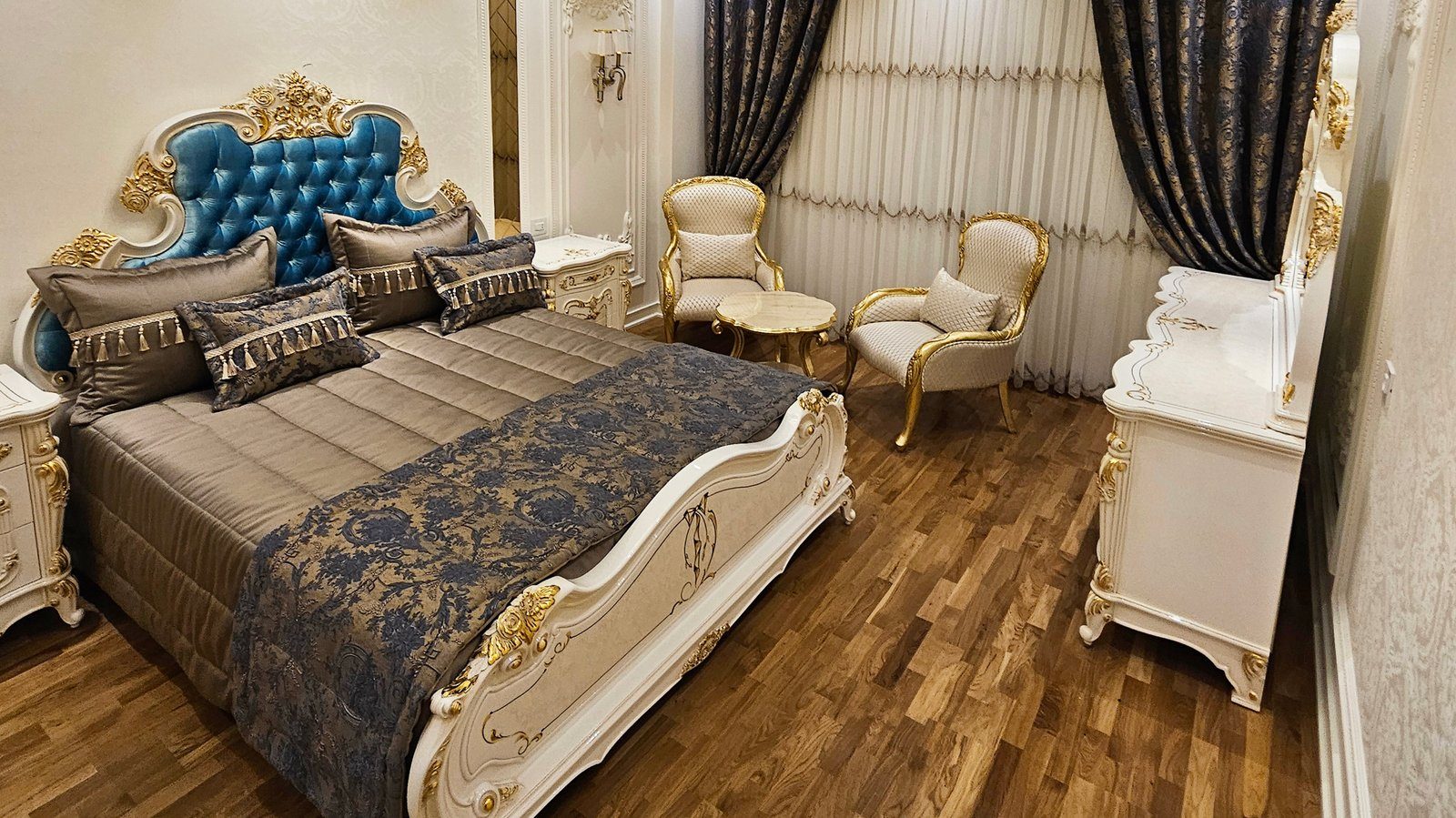

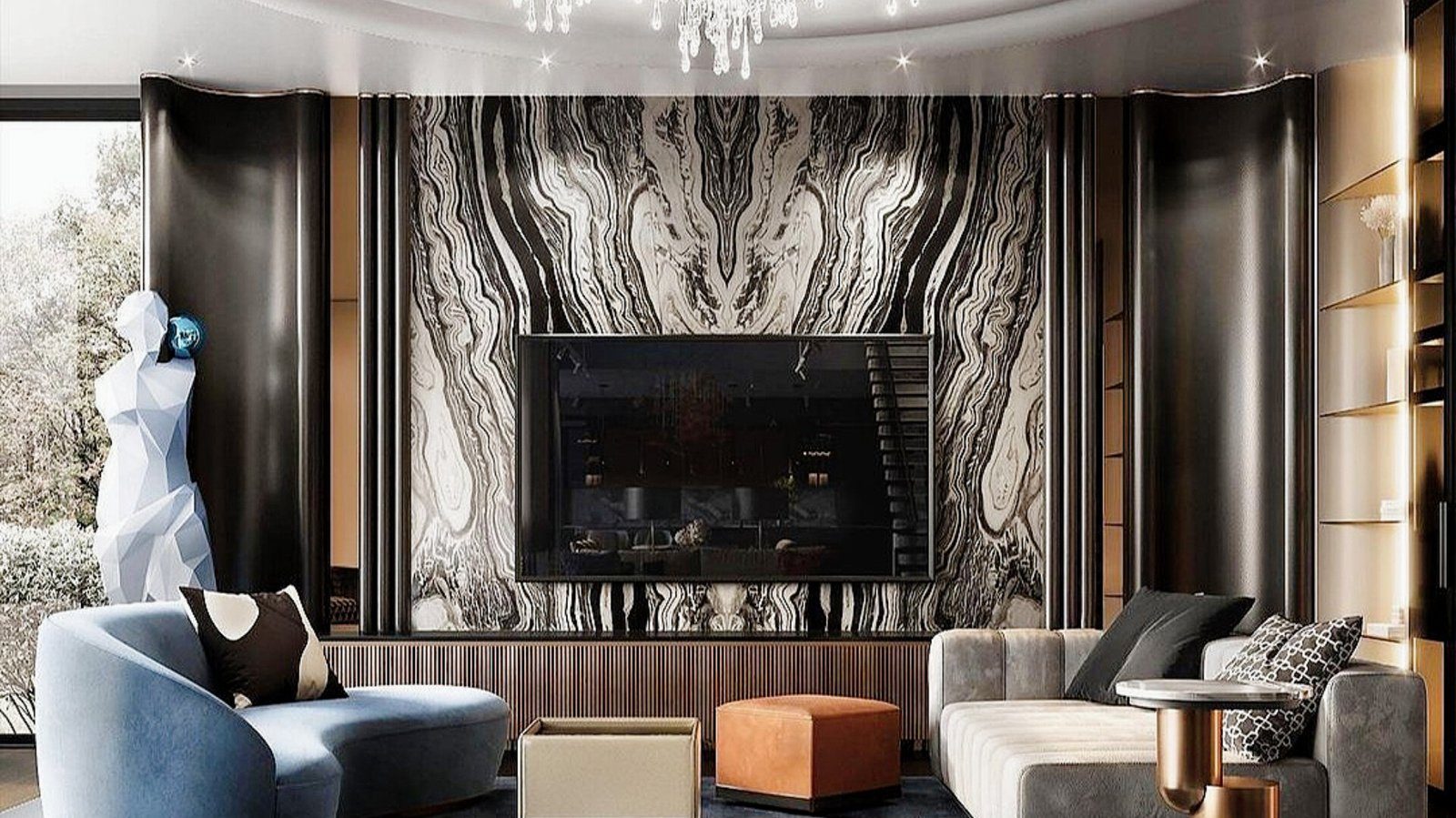
In interior magazines open shelves always look beautiful: neatly arranged books, a few vases, a plant and a family photo. In a real home, a few months later, the same shelves fill up with keys, medicine boxes, charging cables and toys. Closed cabinets solve this, but a wall of solid doors can make a room feel heavy and impersonal. The right answer is usually not one or the other but the right proportion of both.
Strengths of open shelving
Open shelves make a room feel lighter. With no doors, the depth of the wall is visible, light passes between shelves and the space feels larger. In small rooms this is particularly noticeable.
Other advantages:
- a chance to show the owner's taste and interests through books, collections and travel mementoes;
- instant access to items used often, with no doors to open;
- simple construction, since there is no door hardware;
- decoration that is easy to change with the seasons.
The hidden cost of open shelves
The main problem with open shelving is dust. Every object, and the shelf itself, collects dust and needs regular wiping. In a kitchen, cooking vapour adds to the problem: dishes on open shelves near the hob soon gain a sticky film.
The second problem is visual noise. When objects of different colours, sizes and shapes gather together, the room looks cluttered. Open shelves need constant editing: what to keep, what to hide and how to arrange it. Without the time or inclination for that, shelves become the most restless part of the interior.
Strengths of closed cabinets
Closed fronts create visual calm. However much is behind them, the room looks tidy. That matters especially for families with lots of belongings, homes with children and people who want a minimalist look.
Other advantages of closed storage:
- contents are protected from dust, sunlight and, in kitchens, grease;
- cleaning is limited to wiping the fronts;
- pets and small children cannot reach things;
- internal organisation such as drawers, dividers and pull-out baskets works at full efficiency out of sight.
The downside is that large closed areas can look heavy. A dark, floor-to-ceiling wall of doors can make a small room feel cramped.
Proportion: rules for combining
The most practical solution combines both. Some proven approaches:
- closed below, open above, with everyday and untidy items in base cupboards and decorative pieces at eye level above;
- open in the centre, closed at the sides, where shelves around a TV lighten the wall and side sections provide closed storage;
- open niches within closed fronts, where one or two open niches give a visual pause in a solid wall of doors;
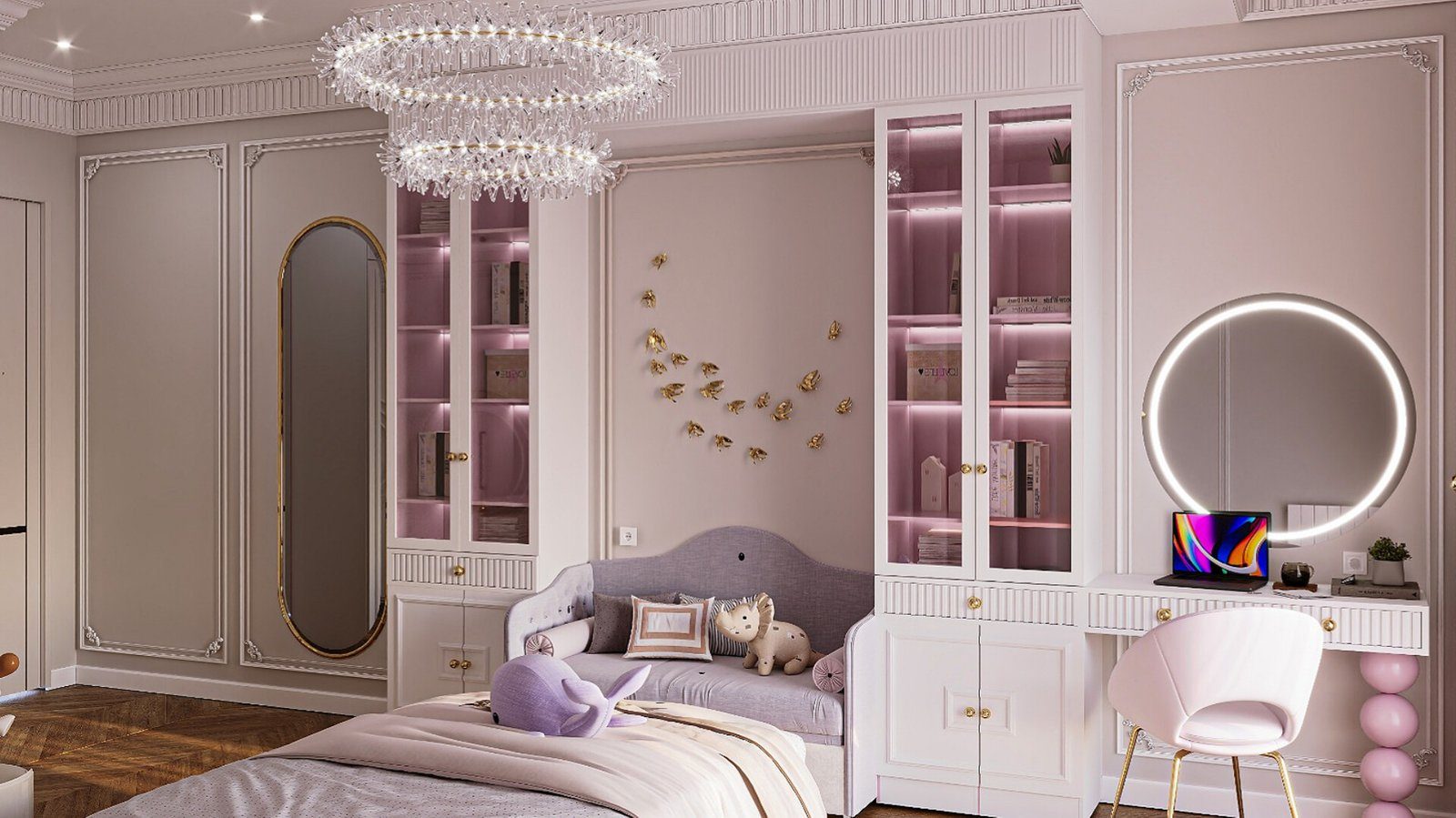
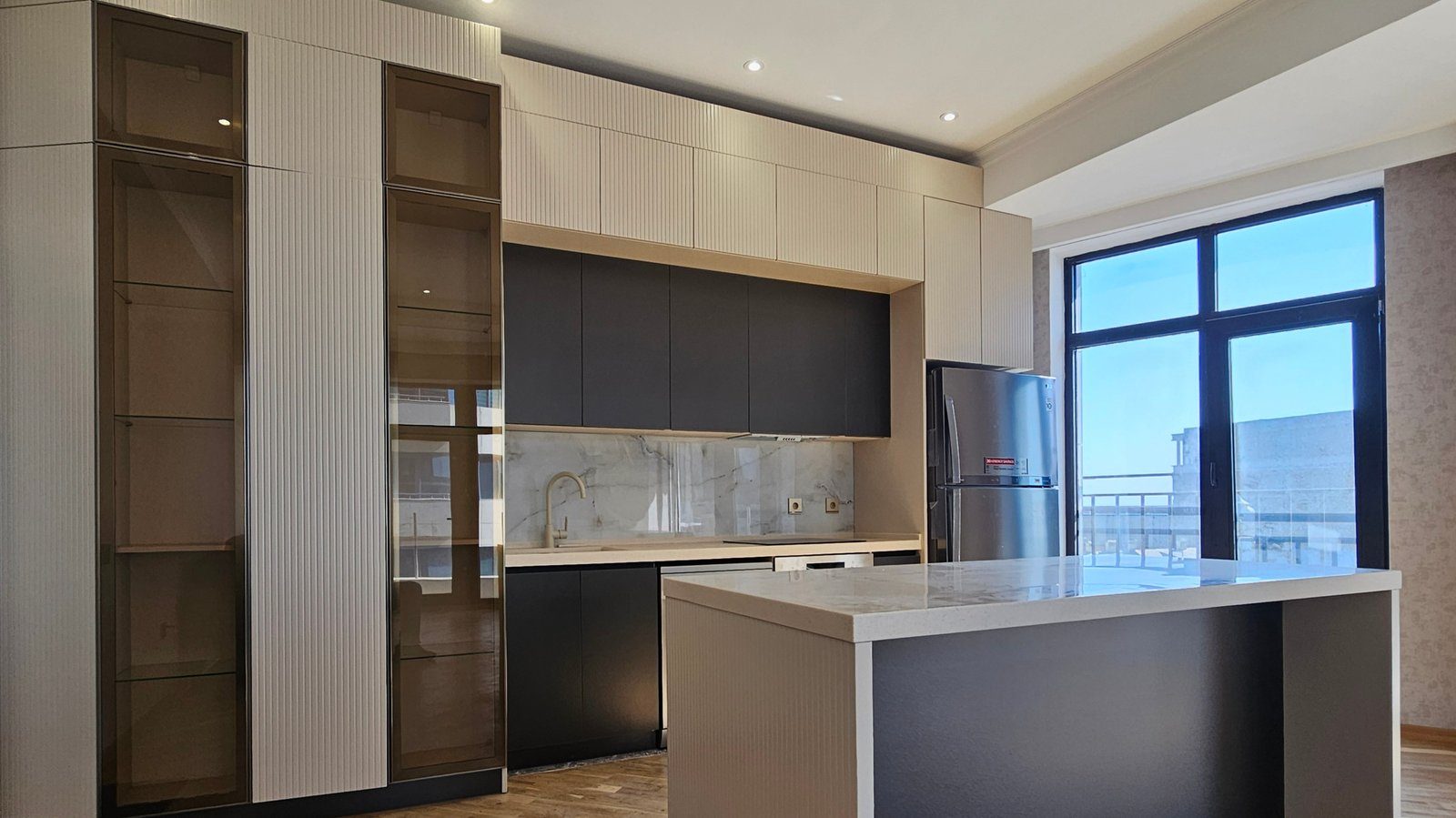
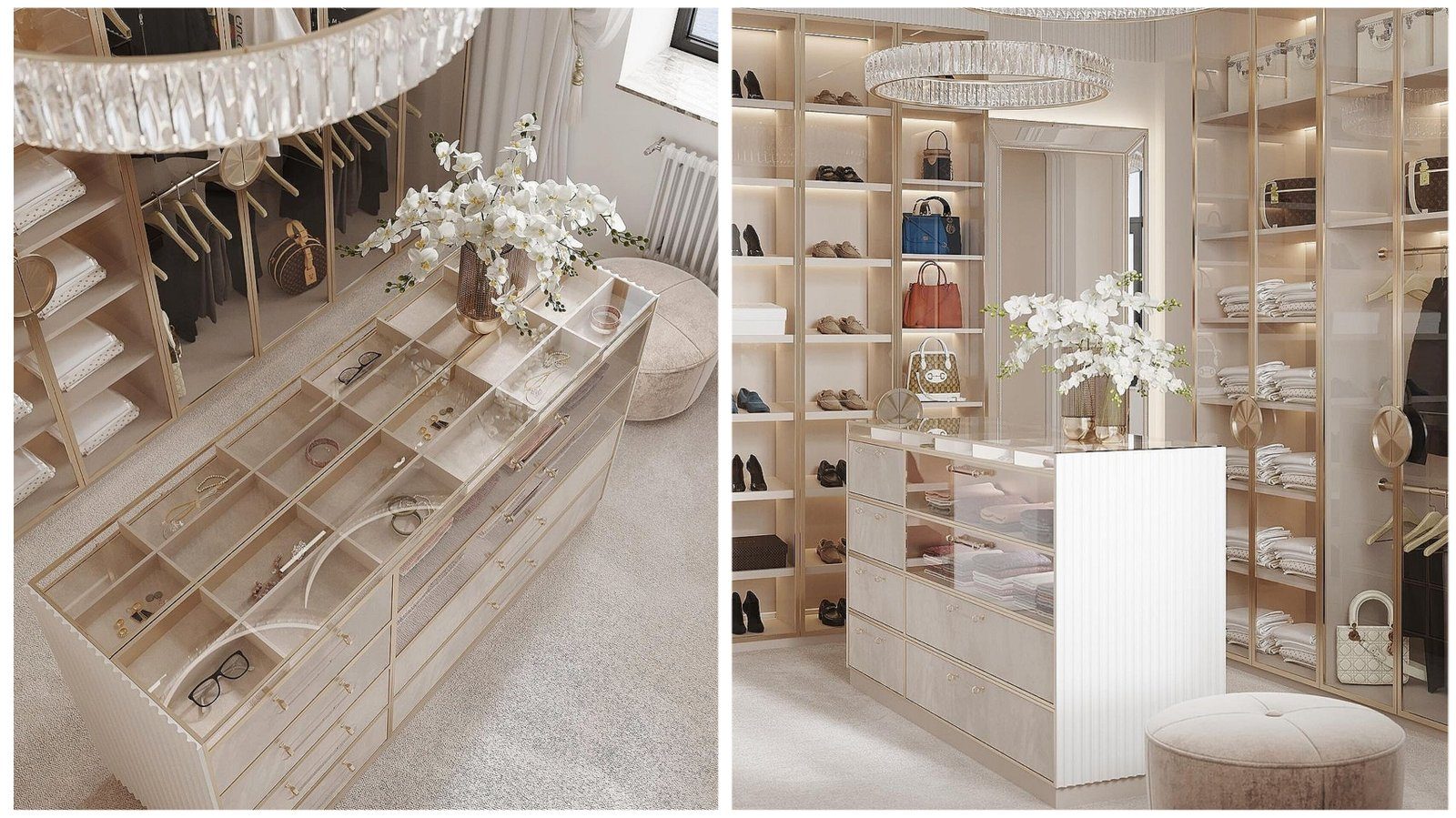
- glass-fronted sections, where contents are visible yet protected from dust, a middle way between the two.
As a general rule, having less open area than closed area is easier to manage in most homes. Open shelves act as the display, closed cabinets as the store.
Recommendations by room
Each room has its own needs:
- kitchen: one or two open shelves away from the hob for everyday cups and spices are convenient, while the rest of the storage should be closed;
- living room: the TV and book wall is the best place to combine open and closed sections;
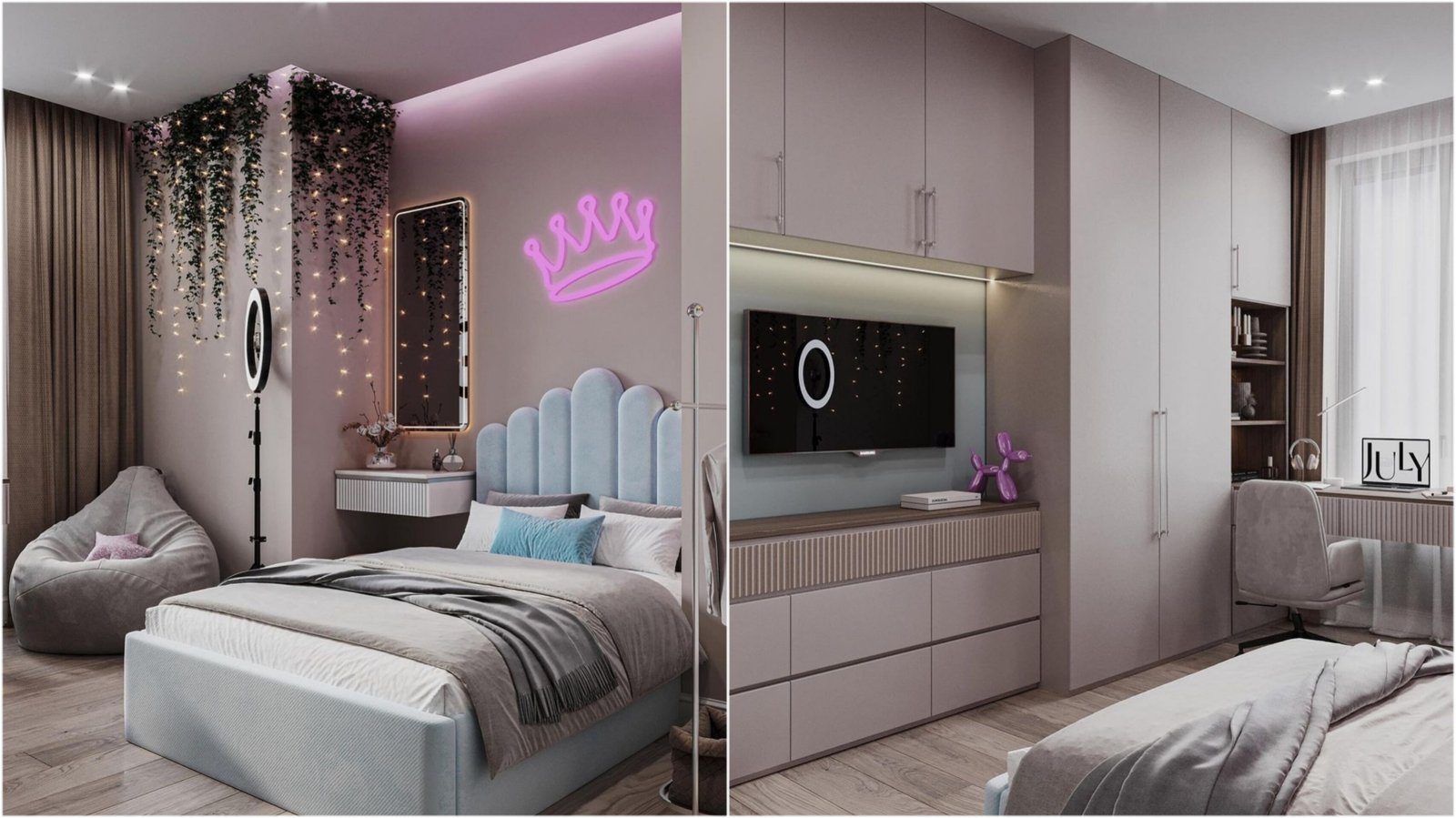
- bedroom: closed storage should dominate for calm, with open shelves only for books and a few decorative items;
- children's room: low open shelves help children take out and put back their own things, while higher closed cupboards hold what is rarely used;
- hallway: open hooks and a shelf for quick use, a closed wardrobe for seasonal clothes and shoes.
Questions to ask yourself first
Before deciding, answer honestly: how many things do you actually want on display, how often are you willing to dust, who keeps the home tidy and how, and how bright and spacious is the room? These answers, not a catalogue photo, show the right proportion.
Zaferoglu Mebel makes TV units, bookcases and other storage furniture to individual designs. At the design stage, listing what will be on show and what will be hidden allows open and closed sections to be sized to real needs.