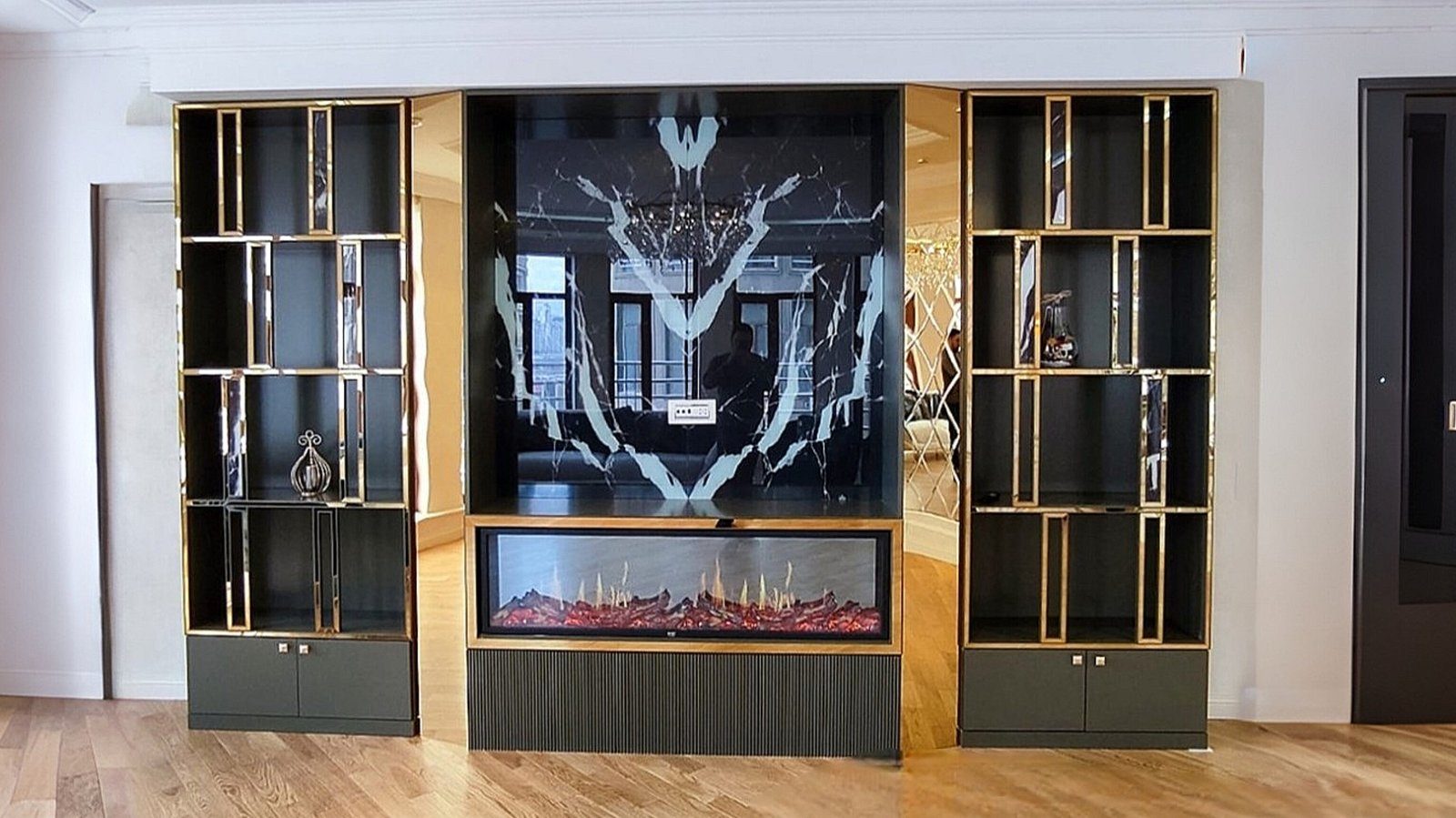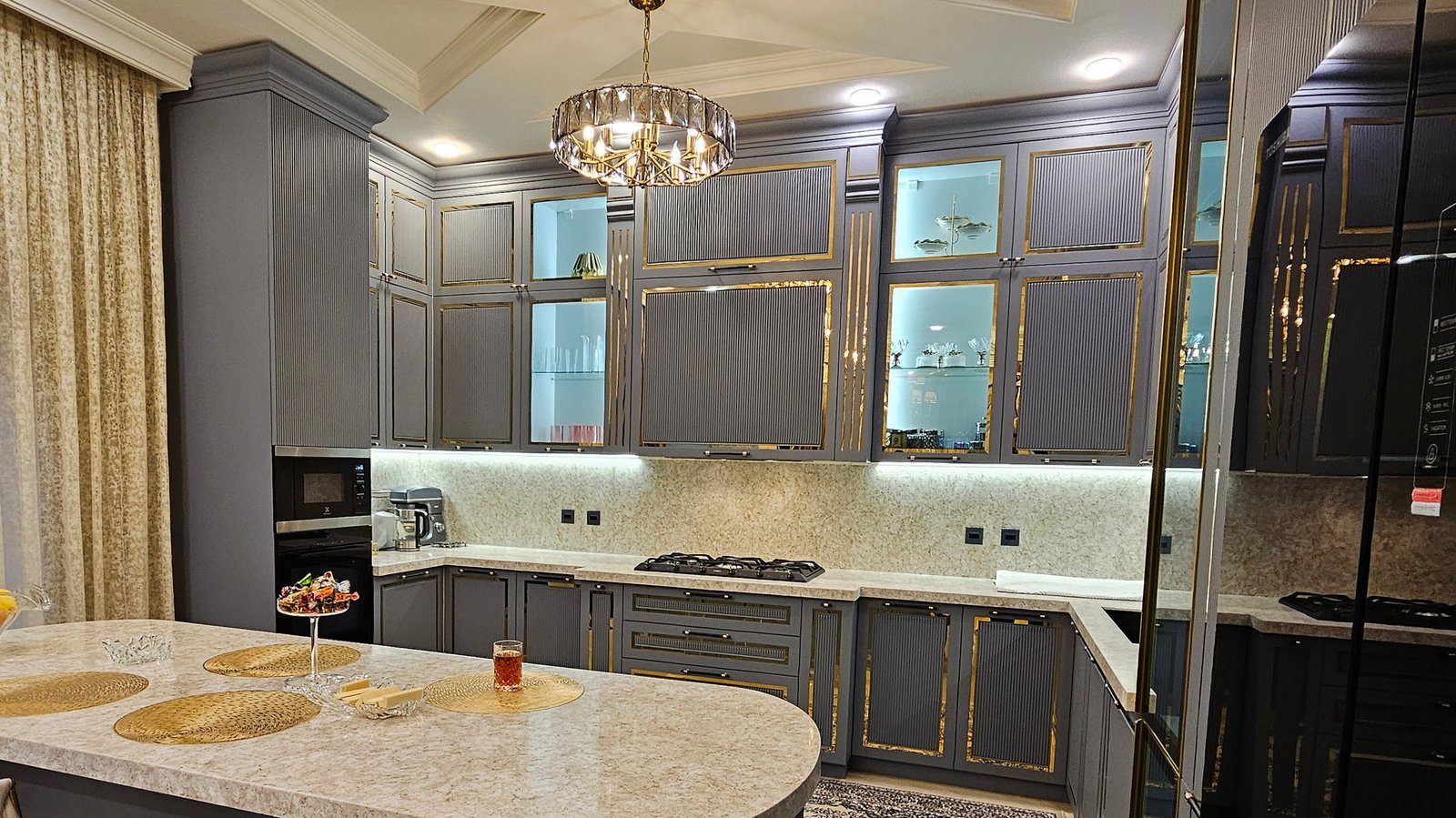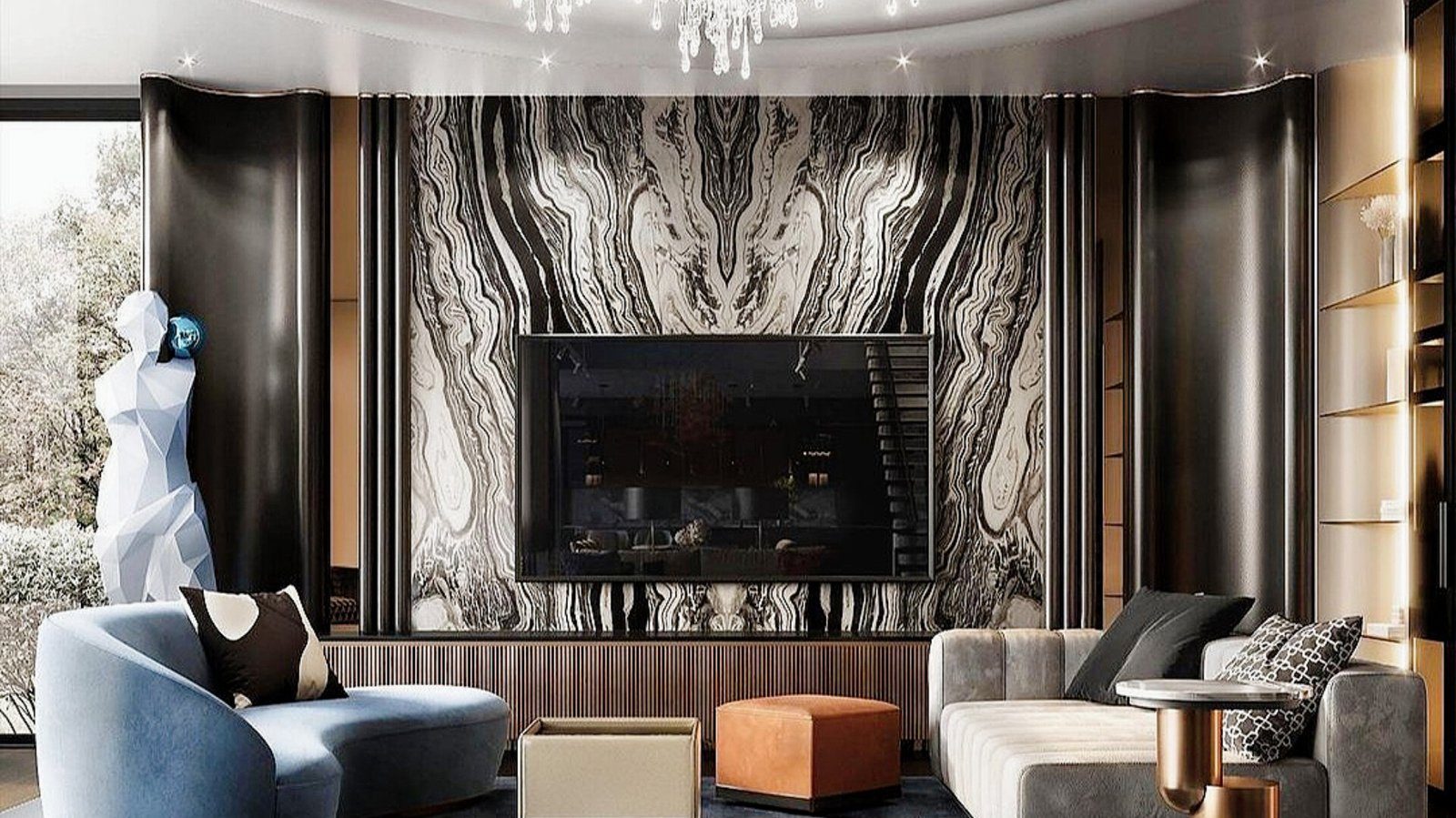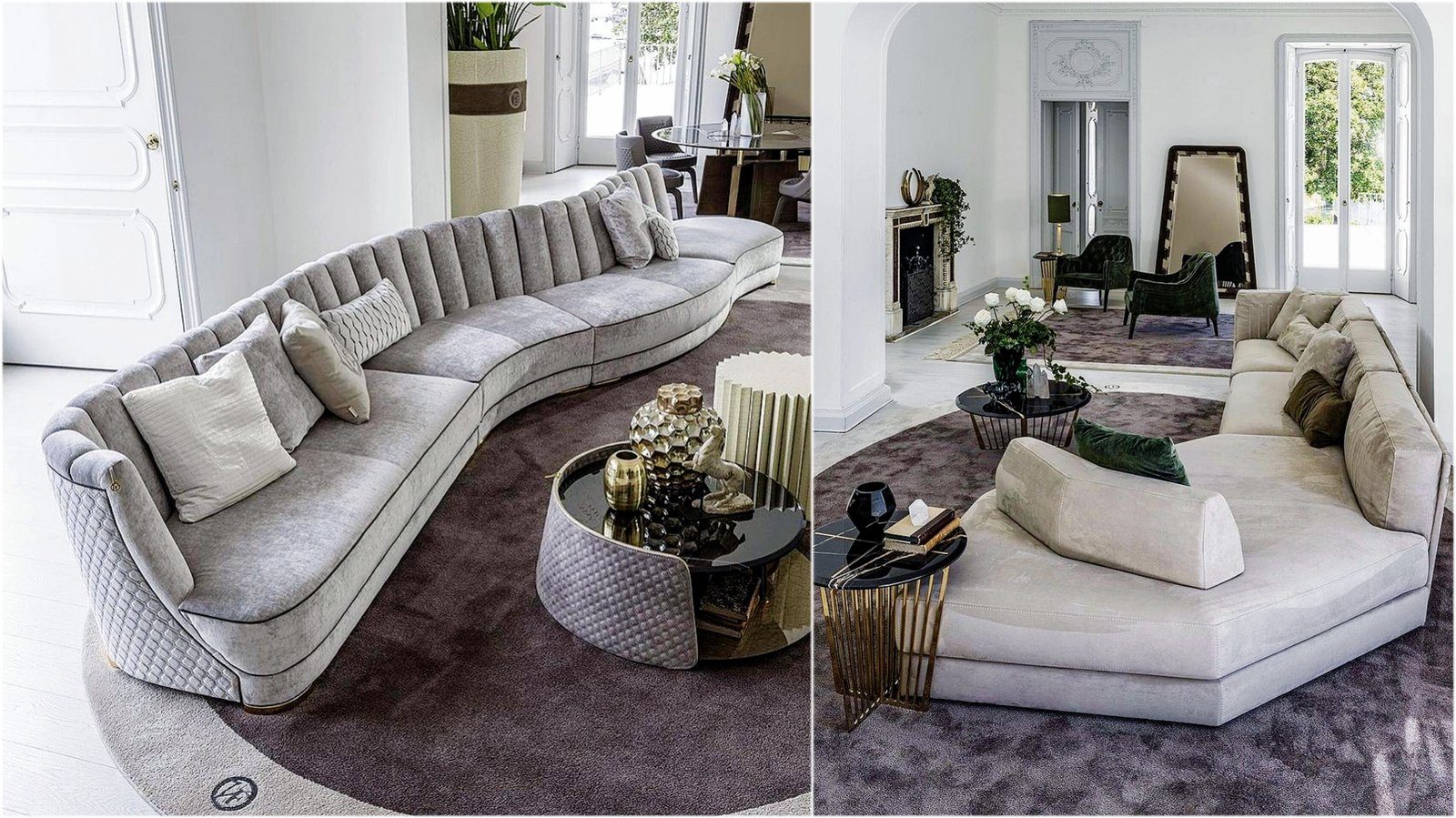

Open niches in a TV wall, a living room bookcase or decorative shelves in a hallway are the most personal part of the furniture. They hold the family's books, things brought back from travels, photos and favourite small objects. Arranged at random, the same things make a shelf look cluttered and overloaded; arranged with thought, they become the focal point of the room. The difference lies not in the objects but in how they are grouped.
Empty first, then choose
The most effective way to restyle shelves is to take everything off, lay it out on a table and then put things back selectively. That way you see which objects really deserve to be on show and which belong in a closed cabinet or a box. Not every shelf needs to be full. Empty space is part of the composition: the eye rests between objects and each one reads more clearly.
As a simple guide, it helps to leave about a third of the shelf area empty. Bookcases can have less free space, while decorative niches look good with more.
Groups and varied heights
Rather than spacing objects singly and evenly, arrange them in small groups. A group works well with items of different heights and shapes that are linked by colour or material: a tall vase, a medium frame and a low bowl. Groups of odd numbers, such as three items, usually look more natural and lively than groups of two or four.
It helps to think of a group as a triangle: the tallest item at one side or at the back, lower ones towards the front and side. This keeps the eye moving across the group. Switching the high side of the triangle on neighbouring shelves creates rhythm across the whole shelving unit.
Books: more than a row
Books are the main material of a shelf, and arranging them in different ways livens up the composition:
- Stand some upright and stack others flat; a flat stack acts as a bookend and a base for a small object.
- Push books slightly back from the shelf edge rather than flush, creating a clean line along the front.
- Grouping by colour looks calm but can make books hard to find; sorting by subject and bringing similar colours together within each group is a compromise.
- Lean one or two books with beautiful covers face-out against the back.
Repetition and balance
Repeating a colour, material or shape in several places ties the whole arrangement together. If a brass frame sits in the upper left niche, a brass candlestick in the middle right and a brass dish lower left, the eye follows them in a zigzag. Using green plants in two or three places rather than one has the same effect.
Pay attention to visual weight too. Dark, large and dense objects look more stable on lower shelves, light and pale ones higher up. If one side of the shelving is dark and loaded while the other is empty, the composition seems to lean to one side.
A special rule for TV walls
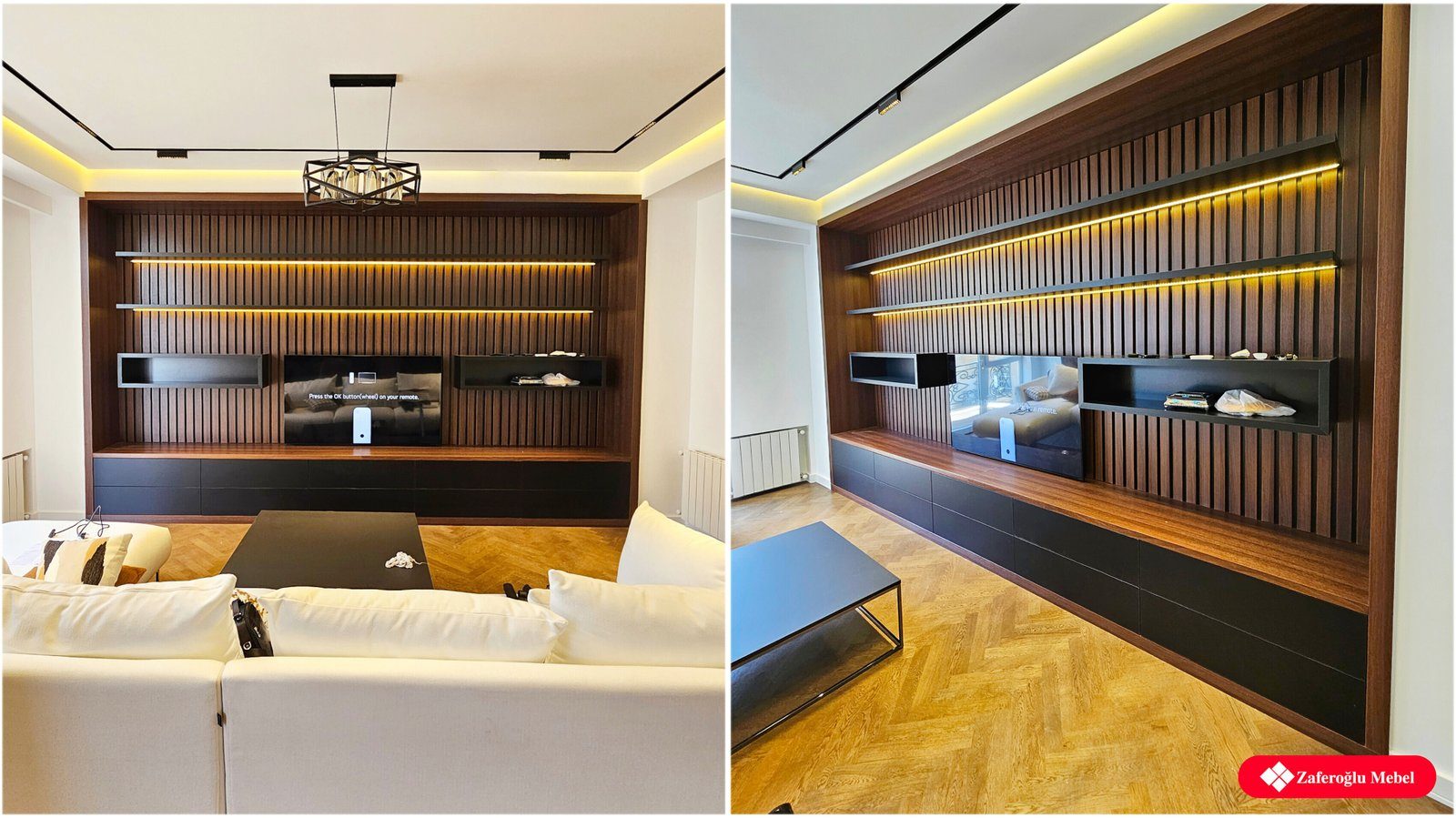
On open shelves in a TV wall, the screen itself is the strongest visual element. The shelves around it should not compete: calm, sparse niches near the screen and richer arrangements towards the edges create the right balance. Shiny, reflective objects right next to the screen can distract while watching. Closed boxes or baskets for remotes, cables and small devices keep open shelves tidy.
Lighting and practical rules
Hidden LED lighting inside shelves brings the arrangement to life in the evening and shows the texture of objects. The light strip should be out of sight, under the front edge of the shelf or on a side panel, so it does not dazzle.
- Mind the shelf's load limit: books and stone objects are heavy, so do not load the middle of long shelves.
- In homes with small children, move glass and fragile items to higher shelves.
- Open shelves gather dust; fewer, larger objects are easier to clean than many small ones.
- Swapping a few items with the seasons makes shelves look fresh without buying anything new.
Zaferoglu Mebel's TV wall projects include compositions with LED-lit floating shelves and open niches; for pieces like these, shelf sizes and light positions are worked out in advance from what each shelf will hold.