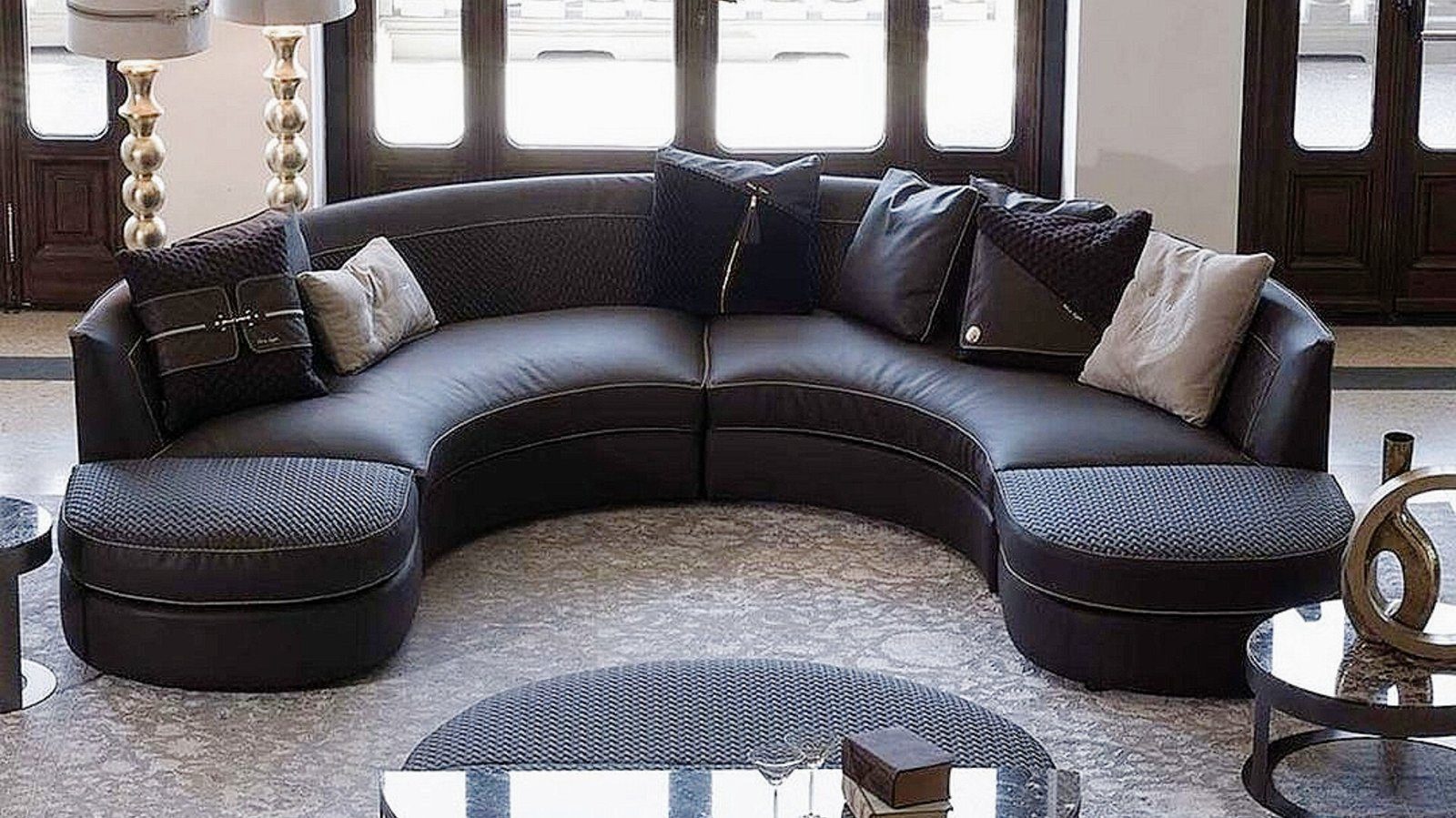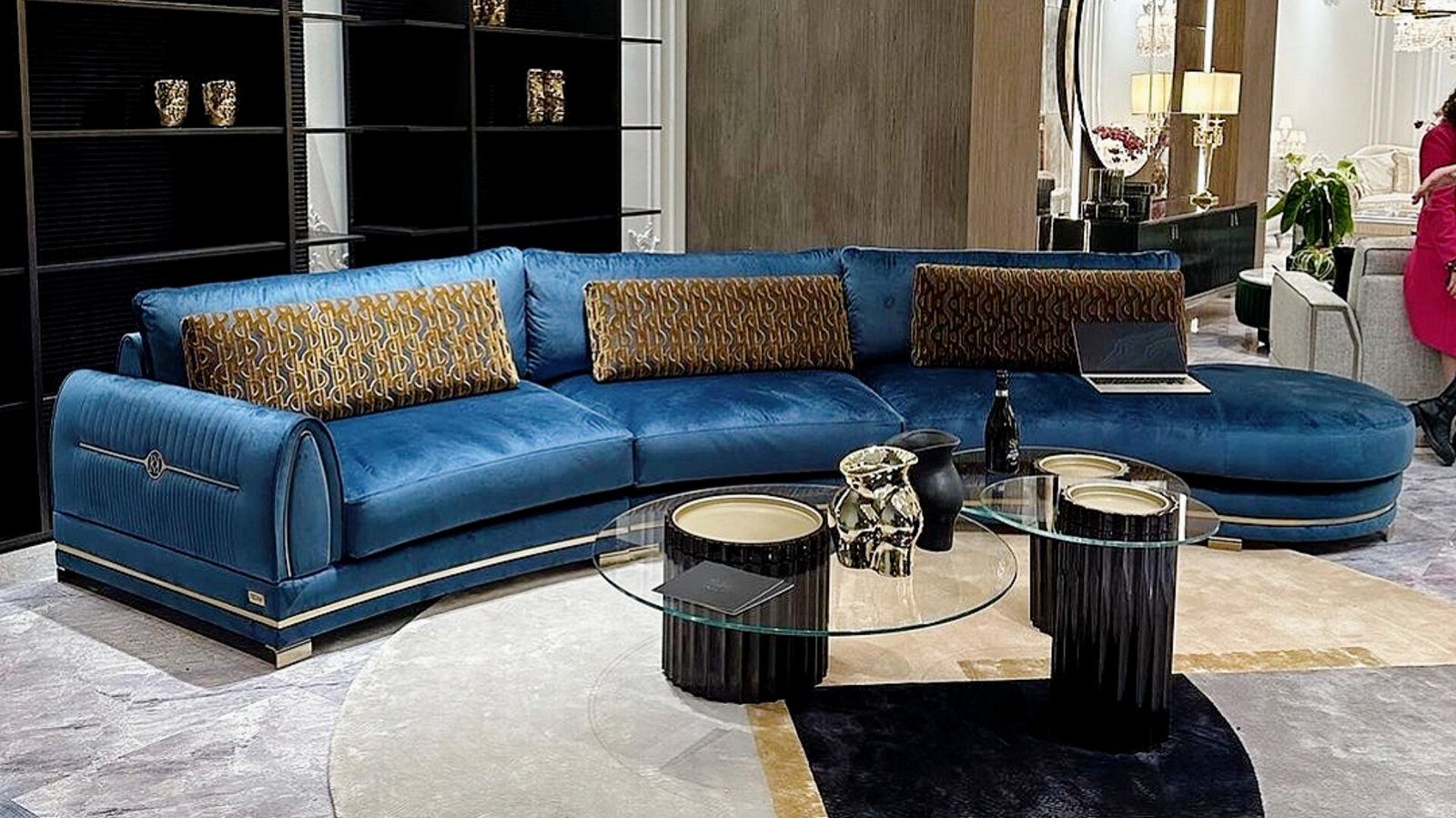

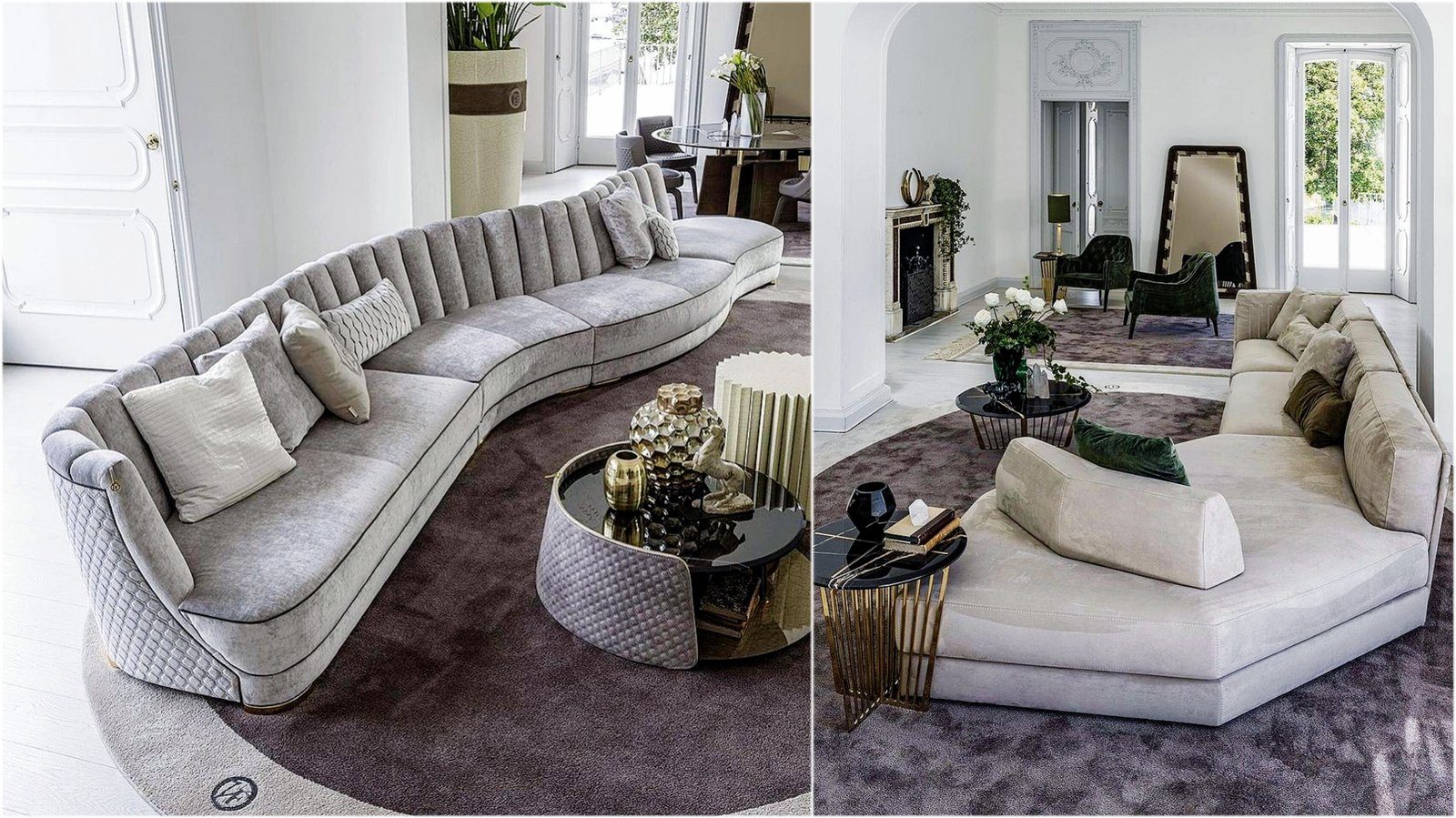
Many families ordering a sofa know the feeling: a grey-beige picked from a swatch in the shop looks faintly green once delivered, and a deep, rich blue is nearly black by evening. The cloth is fine; it is simply being seen under other light and next to other colours. The surest way to avoid this is to look at the sample in the room where the sofa will go, at several times of day.
Why showroom light misleads
Showroom lighting is designed to make products look attractive: strong, even and often warm. At home, daylight comes from one side of the room, a ceiling lamp or floor lamp takes over in the evening, and wall colours reflect and tint the light. The same fabric can look different in each of these conditions.
The explanation is simple: the dyes that make up a fabric's colour reflect light differently under different light sources. Two fabrics that match perfectly in daylight can look clearly different under a yellow lamp. So if you are matching a sofa fabric with cushions, curtains or a rug, always put them side by side under the same light.
Three checks over a day
Rather than deciding at a glance, keep the sample in the room for a day or two. Look at it in at least three situations:
- Morning or midday in natural light, both near the window and further away.
- Evening under artificial light, with the lamps you normally use.
- In a darker corner, exactly where the sofa will stand.
Place the sample near the floor, the wall and existing furniture, and view it both upright and flat. A sofa seat is horizontal and its back is vertical, and the same fabric catches light differently in these two positions.
Small sample, large surface
A palm-sized swatch does not fully show how a large sofa will look. On a big surface colour feels stronger, more saturated and slightly darker. A pale grey swatch can read as silvery grey on a whole sofa, and a light green can look distinctly green. If possible, ask for a larger sample or a fabric cutting, or lay several identical swatches side by side to get a better picture.
With patterned fabrics, scale matters. The one or two repeats visible on a small swatch create a completely different rhythm across a large surface. It is worth discussing in advance how a large pattern will match at the seams and which part will land in the centre of the cushions.
When checking a sample, also ask about its durability. Catalogues often give abrasion resistance as the result of a rub test, and some fabrics carry a stain-resistant treatment. A fabric that looks lovely but is not durable enough for a sofa in daily use can look faded and pilled on the seat within a few years. Checking this figure after choosing by colour completes the decision.
Feel and pile direction
On velour, velvet and other pile fabrics the colour changes with the direction you stroke: lighter one way, darker the other. On a sofa this can show as light and dark patches where people sit, and it is a natural property of the fabric. Stroke the sample both ways at home; if the effect bothers you, choose a flat-weave or short-pile fabric.
Check the feel too: rub the sample against your arm and shoulder, and press it with your palm as if sitting on it. A fabric that feels rough or warm against bare skin in summer will be uncomfortable in daily use. If you have pets, it helps to see how readily the sample picks up hair and how easily it comes off.
Why phone photos deceive
Photographing a sample to send to someone or compare on a phone is convenient, but the camera adjusts white balance automatically and the screen has its own colour distortion. A colour difference between two photos may come from the camera, not the fabric. Make the decision by looking at the real sample, not a screen. Photos are only useful for comparing samples side by side in the same shot and the same light.
Zaferoglu Mebel makes upholstered furniture to order. Taking the time to check fabric samples at home, in the room where the sofa or armchair will stand, prevents surprises later.