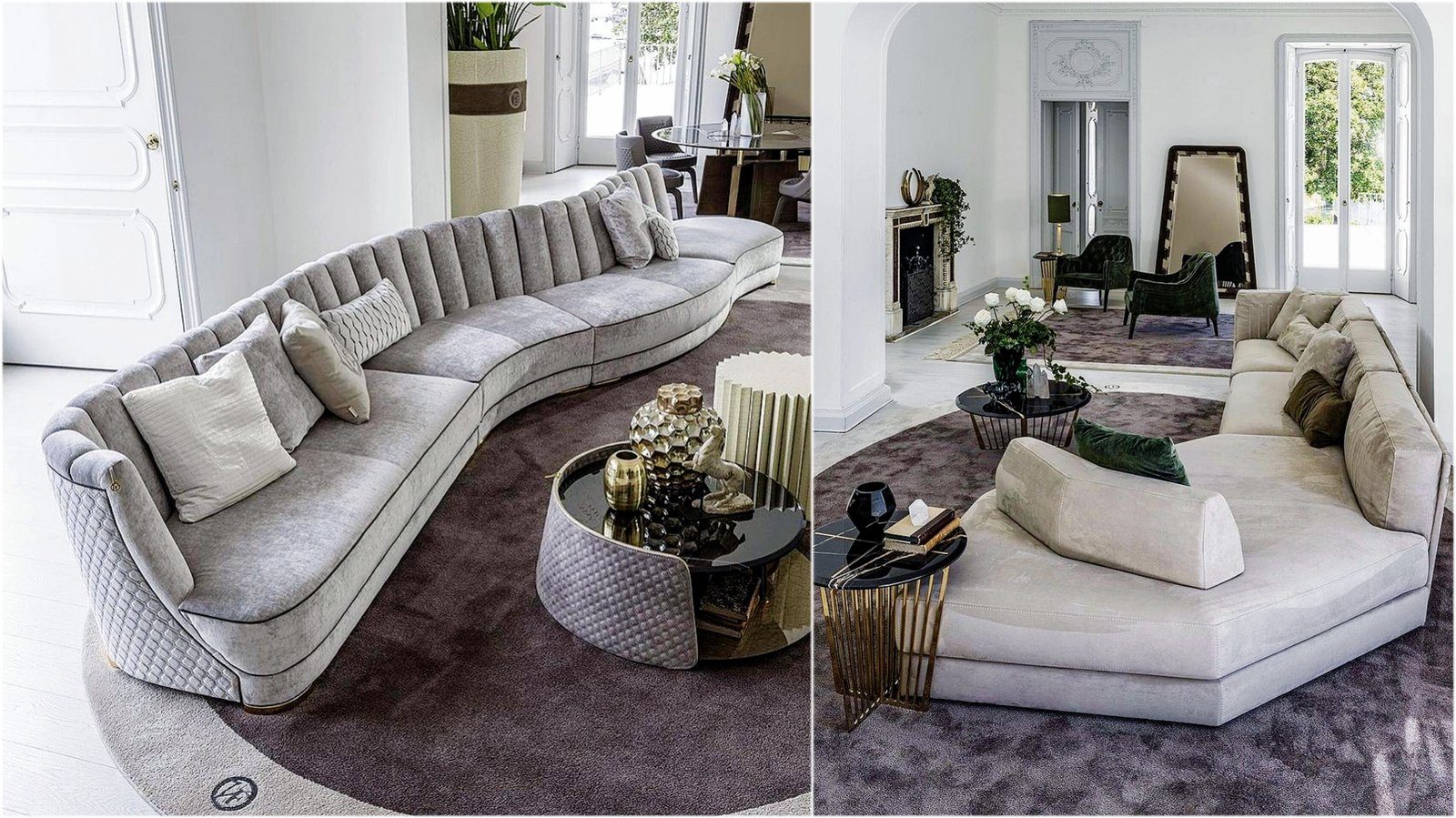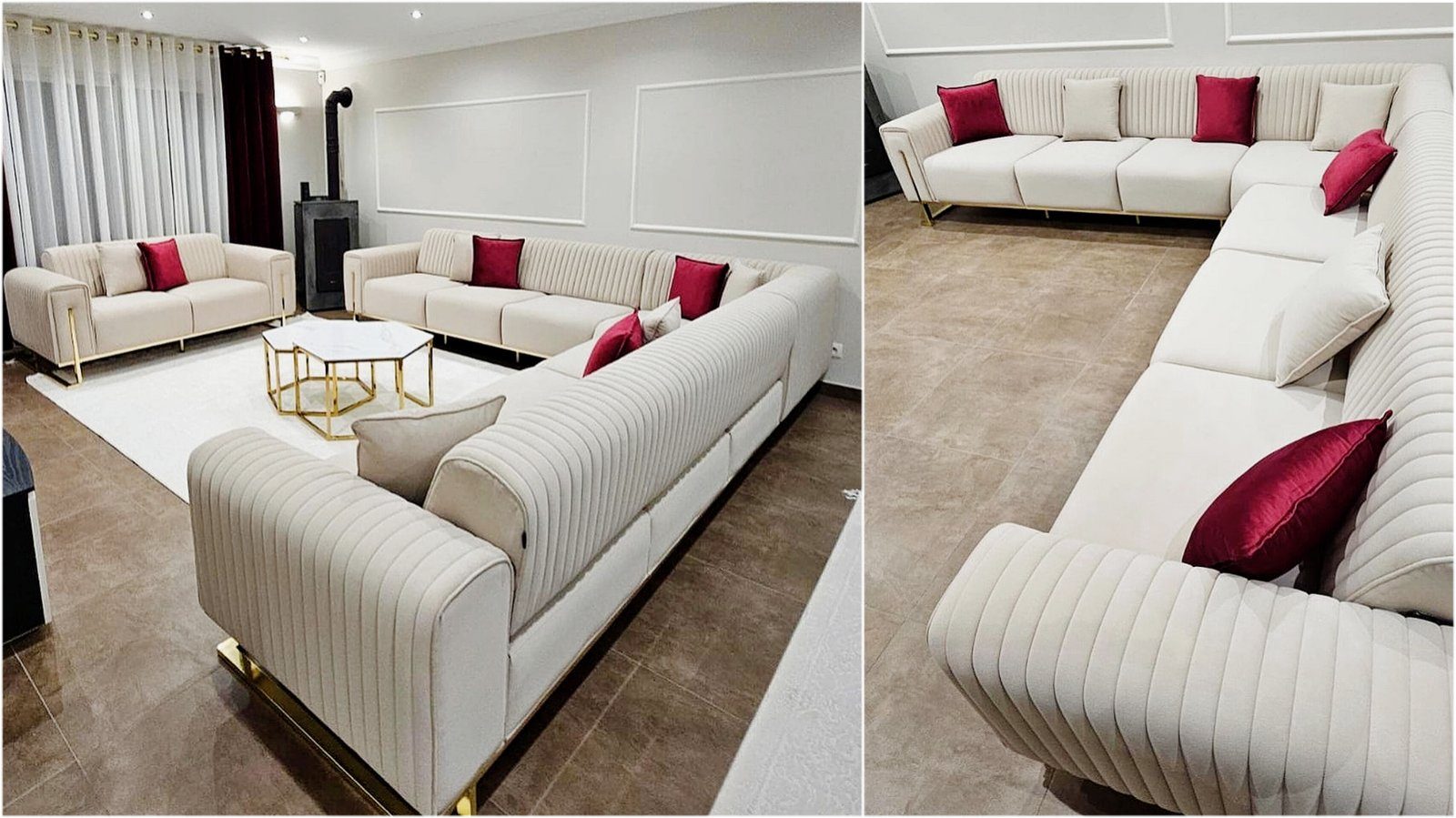

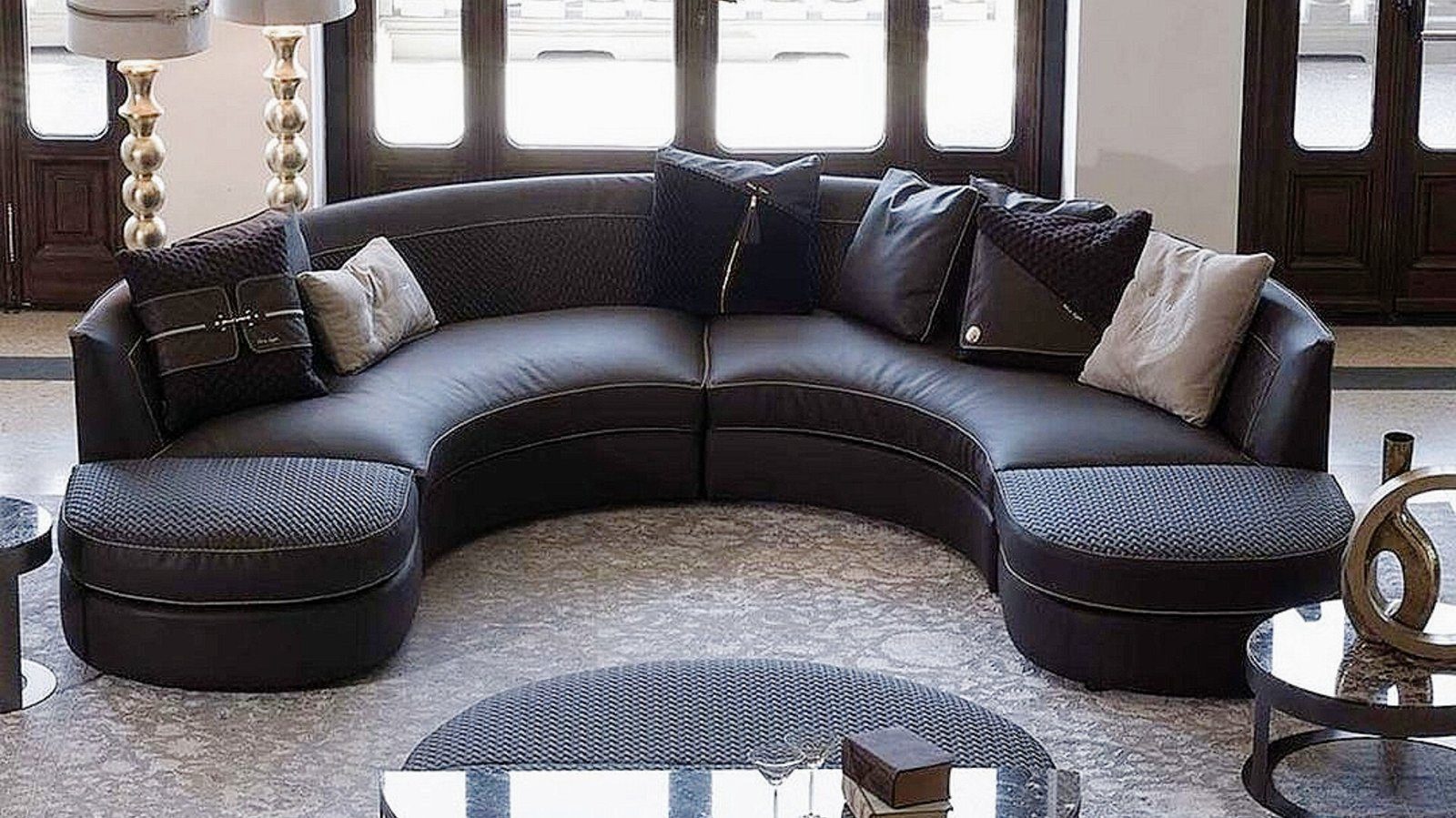
The coffee table is the most used small piece of furniture in a living room: tea cups, remotes, books, a fruit bowl and sometimes a laptop. Yet it is often chosen on looks alone, and everyday discomfort follows: you have to lean forward to pick up a cup, legs knock the table, and getting between table and sofa is awkward. Most of these problems come from choosing the wrong height, size and distance.
Height: compared with the seat
Coffee table height should be chosen in relation to the sofa's seat height. The general approach is for the tabletop to be close to seat level or slightly below it. Then a seated person can reach for a cup naturally.
Different situations:
- next to a low sofa with a deep seat, a tall table looks heavy and you have to lift your arm to reach a cup;
- next to a high, classic-seated sofa, a very low table means bending every time;
- if the table will also be used for eating or working on a laptop, an adjustable-height or lift-top table is convenient.
When measuring sofa seat height, remember that the padding compresses a little when you sit.
Distance: reaching and passing
The gap between the table and the front of the sofa has to balance two opposing needs. On one hand, a seated person should be able to reach the table without getting up. On the other, there must be room for legs and for walking between sofa and table.
A practical test: sit back on the sofa and stretch your arm forward. Your fingers should reach the table edge comfortably without your knees touching it. If people often walk in front of the sofa, increase the gap slightly. If the walkway runs elsewhere, the table can sit closer.
Before buying or ordering a table, marking its footprint on the floor with paper tape or a piece of cardboard is a simple but very useful trick. Walking around the outline for a day or two, sitting down and getting up from the sofa and opening and closing the curtains shows how the size and distance feel in real life. That is more reliable than thinking about dimensions on paper.
Size: in proportion to the sofa
The length of the coffee table should be in proportion to the length of the sofa. A very small table gets lost in front of a large sofa, and people sitting at the ends cannot reach it. A very large one fills the room and narrows walkways.
As a general rule, a table noticeably shorter than the sofa, for example a little more than half its length, looks balanced. With a corner sofa, the table goes near the corner where people on both sides can reach it.
Shape: round, square or rectangular
Table shape affects how people move through the room:
- a rectangular table is the classic choice in front of a long straight sofa and gives a large surface;
- round and oval tables have no sharp corners, so they are easier to walk around and safer in homes with children;
- a square table suits a corner sofa or a square seating group formed by a sofa and two armchairs;
- a set of two small nesting tables at different heights allows flexible use.
Visual weight and material
The table's look should balance the sofa. Beside a heavy, full sofa, a glass-topped or slim metal-legged table adds lightness. In front of a light sofa on slim legs, a fuller table with a solid wood or stone top completes the composition. A table open underneath makes the room feel larger, while one with a closed base offers storage but looks heavier.
Do not forget everyday use when choosing materials. A surface where cups and glasses are often put down should resist heat and moisture. In a home with children, a glass table with sharp corners is a risk.
Storage function
Many families also want a coffee table for storage: remotes, magazines, board games. A lower shelf, drawer or lift-up top provides this. A lift-up top also raises the surface for meals and laptop work. However, tables with storage usually look heavier, which matters in a small room.
Zaferoglu Mebel builds sofas to order, so if you give the size of the coffee table you have or plan to buy, seat height and depth can be matched to it.