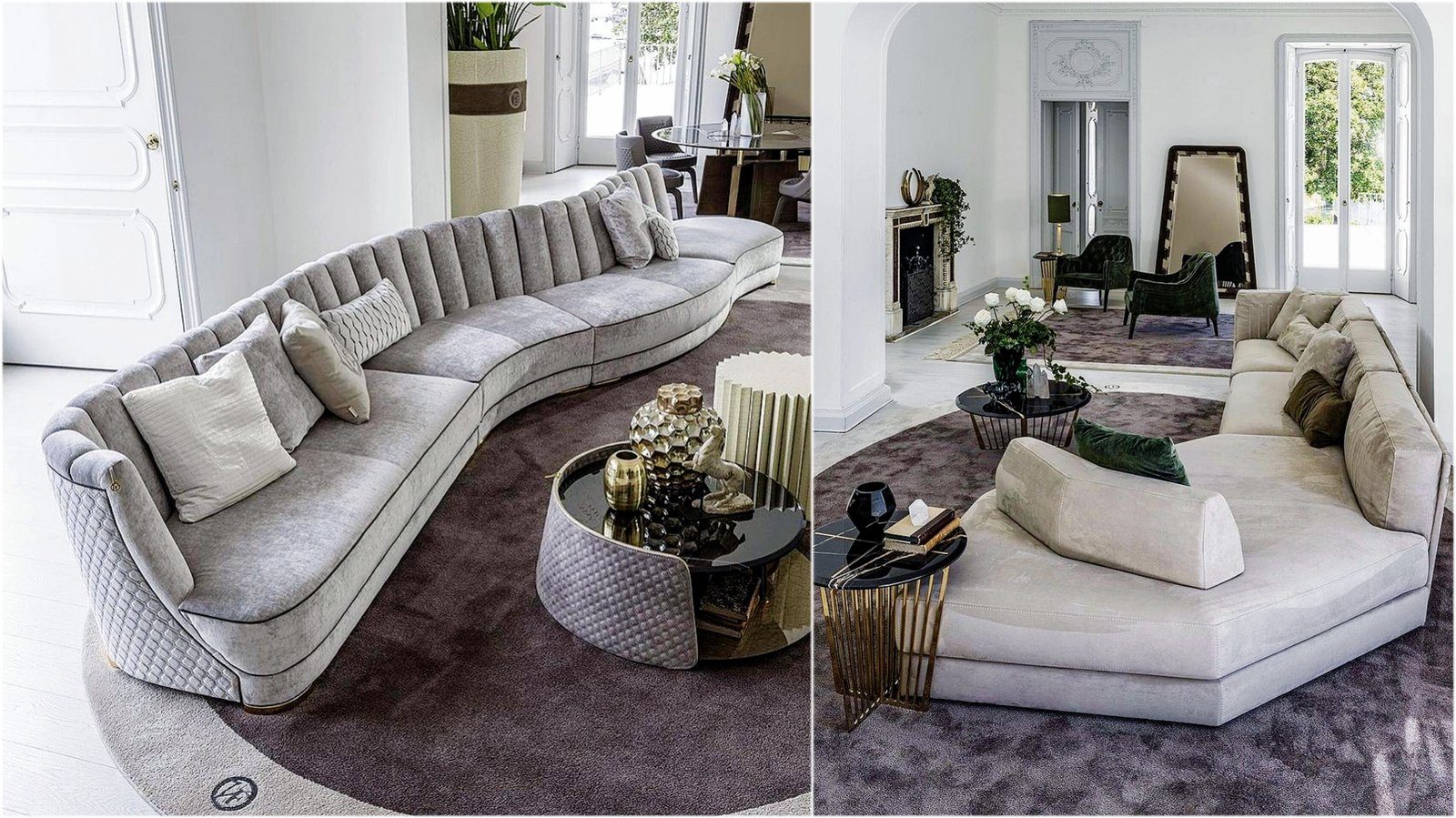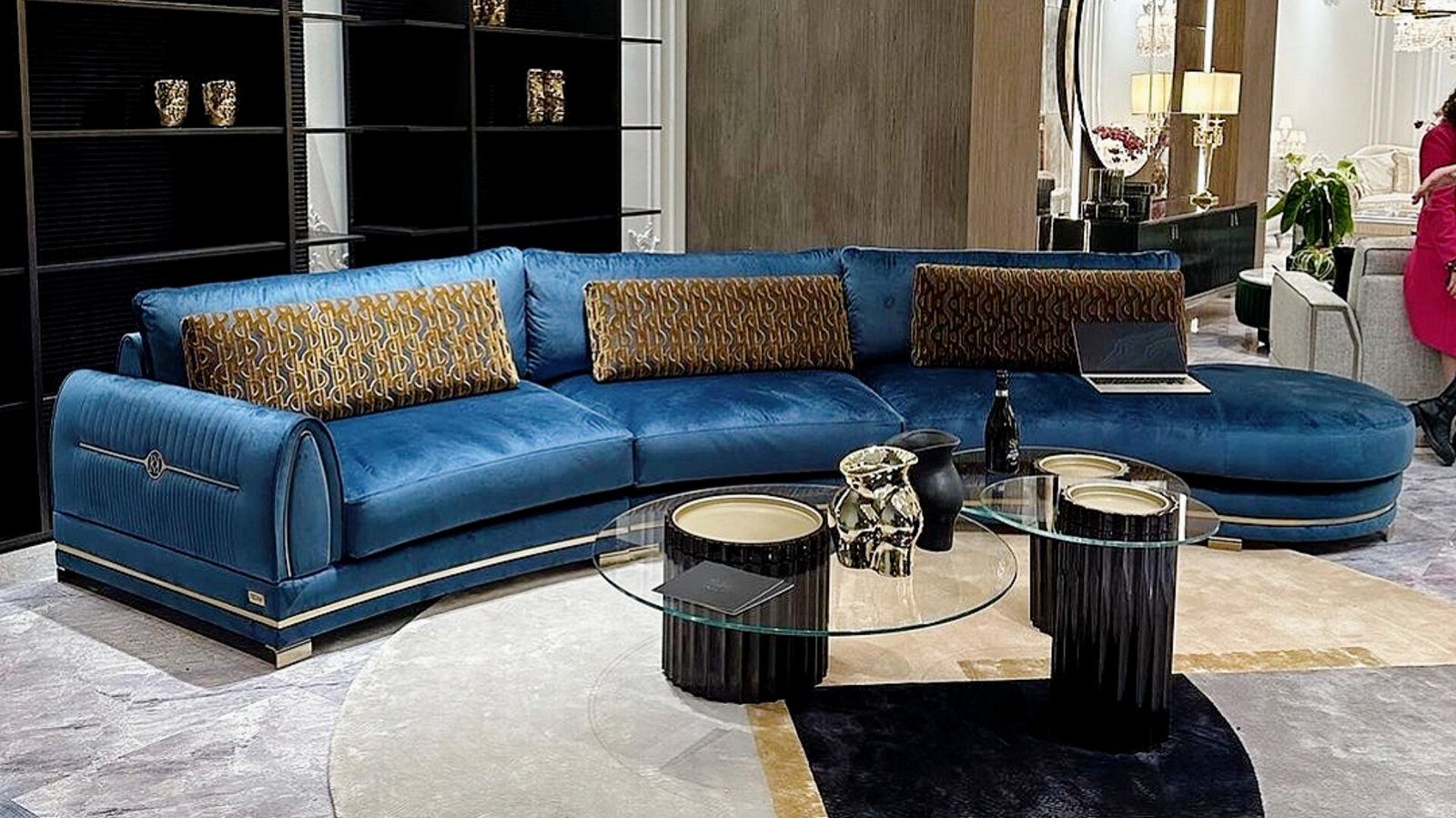

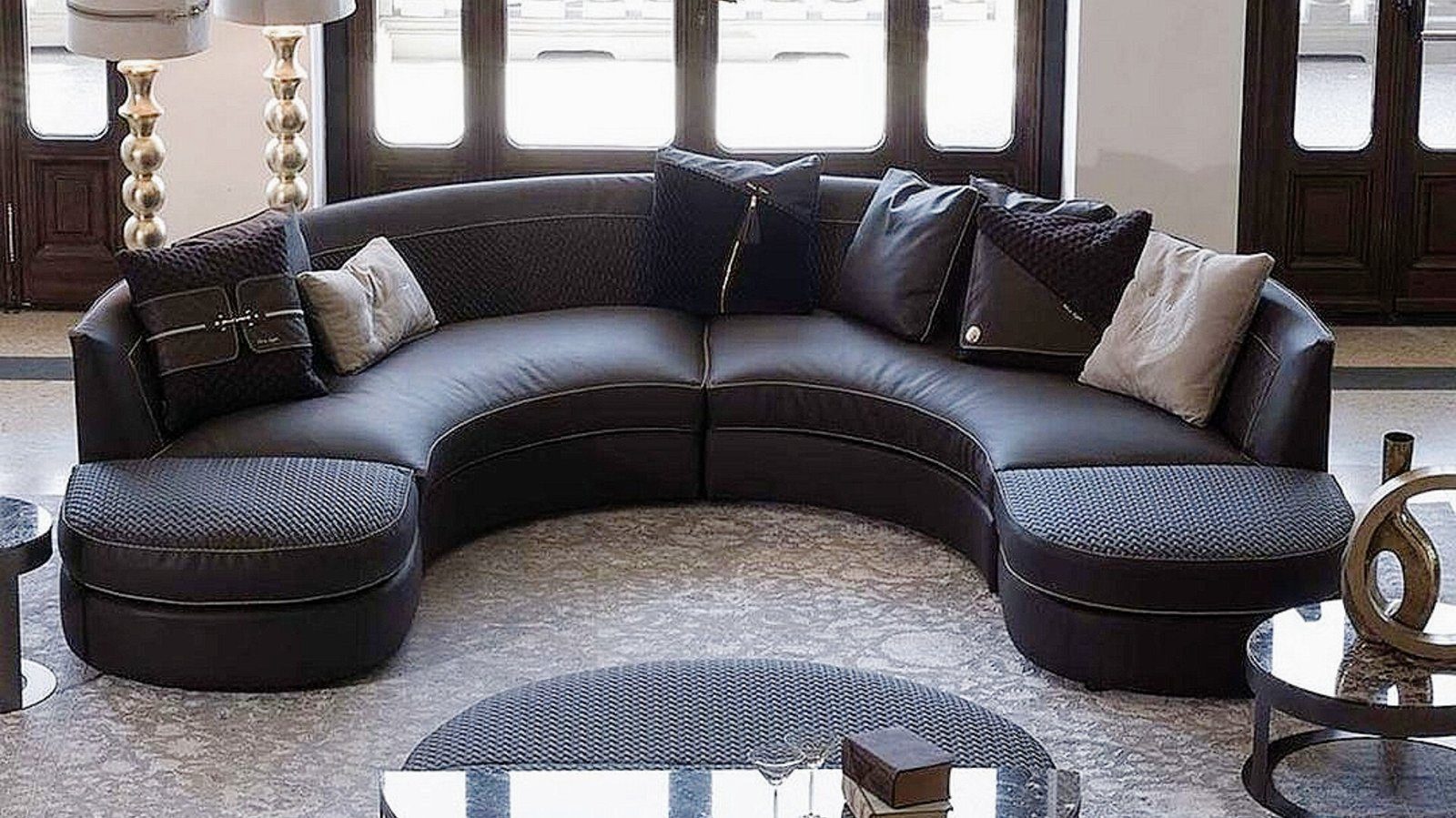
When choosing a sofa, people usually look at fabric, colour and how soft the seat is, and the legs come last. Yet how the sofa looks in the room, how easily you clean under it and whether the frame sags over the years often come down to the base. The same sofa looks light on slim metal legs and heavy and solid on a plinth that sits on the floor.
What leg height changes
The first decision is height, before the type of leg. When there is a gap under the sofa the room looks more spacious, because the floor stays visible right up to the wall. In small living rooms this effect is especially noticeable.
On the other hand, dust collects under an open sofa and the vacuum nozzle has to fit in. For households with a robot vacuum it is worth checking the clearance against the height of the device. If the gap is too low, the vacuum cannot get in and the floor is not visible either, so you get the drawbacks of both options.
Leg height also affects seat height. For older family members a slightly higher seat makes standing up easier, while a low, deep seat is better for stretching out and relaxing.
Metal legs
Metal legs are common in contemporary interiors. Even when slim, they carry weight well and cope with being wiped with a damp cloth. The choice of finish can be wide: matt black, chrome, gold or bronze tones.
When choosing metal legs, check:
- how the leg attaches to the frame, with a threaded bolt or a mounting plate;
- whether the foot that touches the floor has a felt or plastic protector;
- how easily the finish scratches, especially where the vacuum often bumps it.
On a long sofa with very slim, tall legs, an extra support may be needed in the middle. It is usually placed towards the back and cannot be seen.
Wooden legs
Wooden legs give a sofa a warm, natural look. Tapered, straight, carved or turned legs are chosen to suit the style. Classic interiors often use carved details, while Scandinavian style tends towards light, angled tapered legs.
It matters to coordinate the leg colour with other wood in the room. Matching the floor, coffee table and TV unit exactly is difficult, so either a clear contrast or a close tone usually works better. Where legs are wiped with a damp cloth often, an intact lacquer layer protects the wood from swelling.
Hidden supports and plinth bases
Some sofas appear to have no legs at all. Either the base is set back, or the sofa sits on a continuous plinth. In the first case the short supports cannot be seen from the side and the sofa seems to float, an effect popular in minimalist interiors.
The advantage of a plinth is that dust and small objects do not end up underneath. The downside is that the sofa is harder to move, and because the base is in full contact with the floor, the floor must be dry so that no moisture is trapped. On sofa beds, the shape of the base must be designed around the mechanism from the start so that it can open.
How the frame and legs work together
A leg is only as strong as what it is fixed to. The load passes into the leg through the bottom rail of the frame. If the leg is screwed into a thin panel, the fixing loosens over time and the sofa starts to wobble. So check that the frame is reinforced where the legs attach and, on long sofas, how many middle supports there are.
The floor matters too. On laminate and parquet, soft protectors on the feet prevent scratches. On a rug, thin legs can crush the pile and leave marks, while wider feet spread the load better.
A short checklist
- Should the space under the sofa be reachable for a vacuum or robot vacuum?
- Is the seat height comfortable for everyone in the household?
- Does the leg finish go with the metal and wood details in the room?
- Is there an extra middle support on a long sofa?
- Are there protectors to look after the floor?
Zaferoglu Mebel makes upholstered furniture to order, so the leg type, height and colour can be discussed together with the size of the sofa. The most practical approach is to decide with the floor of the room and your cleaning habits in mind.