
When choosing a sofa, people look at the colour first and then run a hand over the fabric. But upholstery that feels lovely in a showroom faces very different conditions at home: children's shoes, a cat's claws, sunlight through the window, someone sitting in the same spot every evening. Choosing the cover material means choosing how the sofa will look a few years from now. Below we compare the four materials people ask about most.
Velour: soft and rich-looking
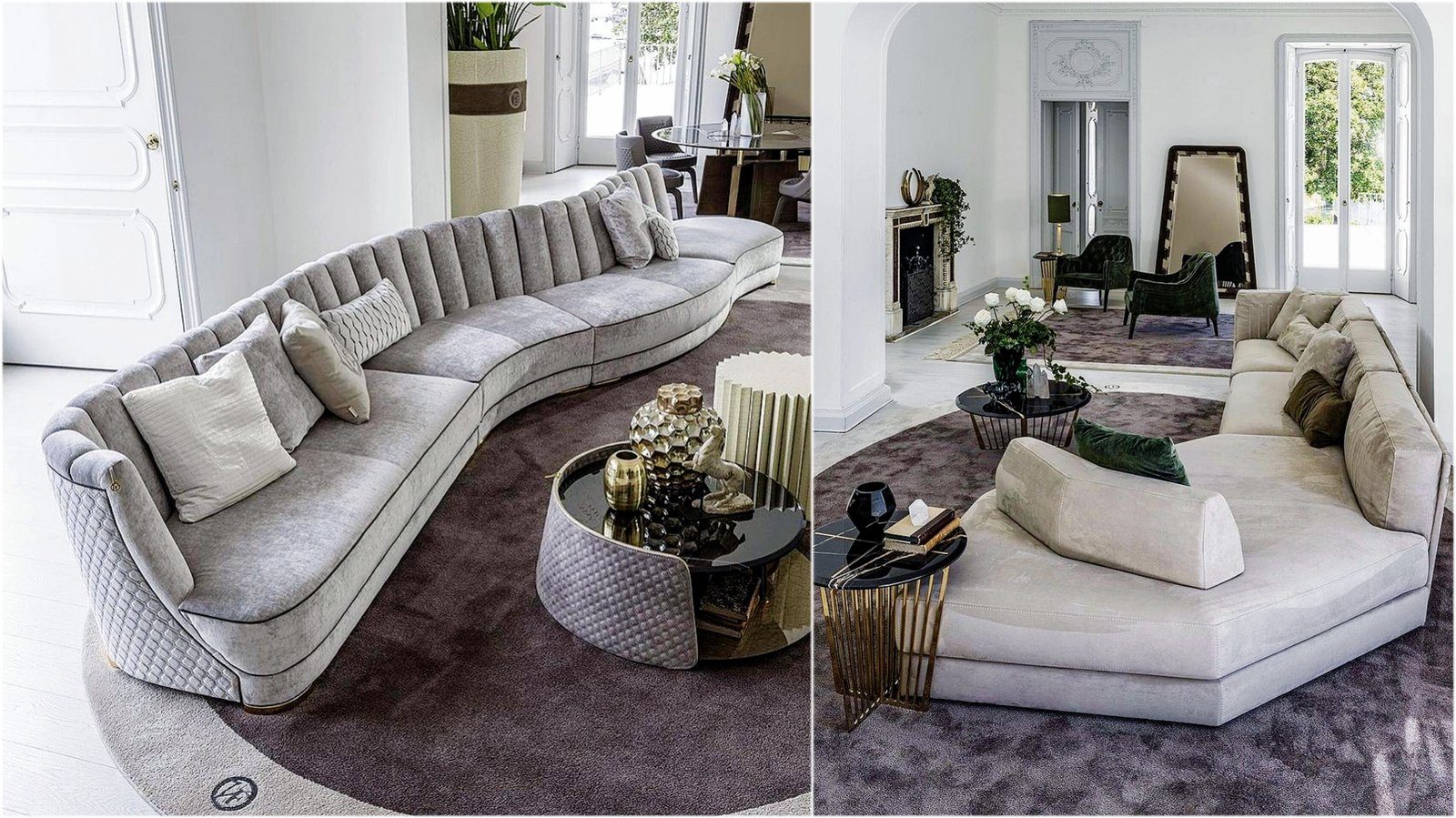
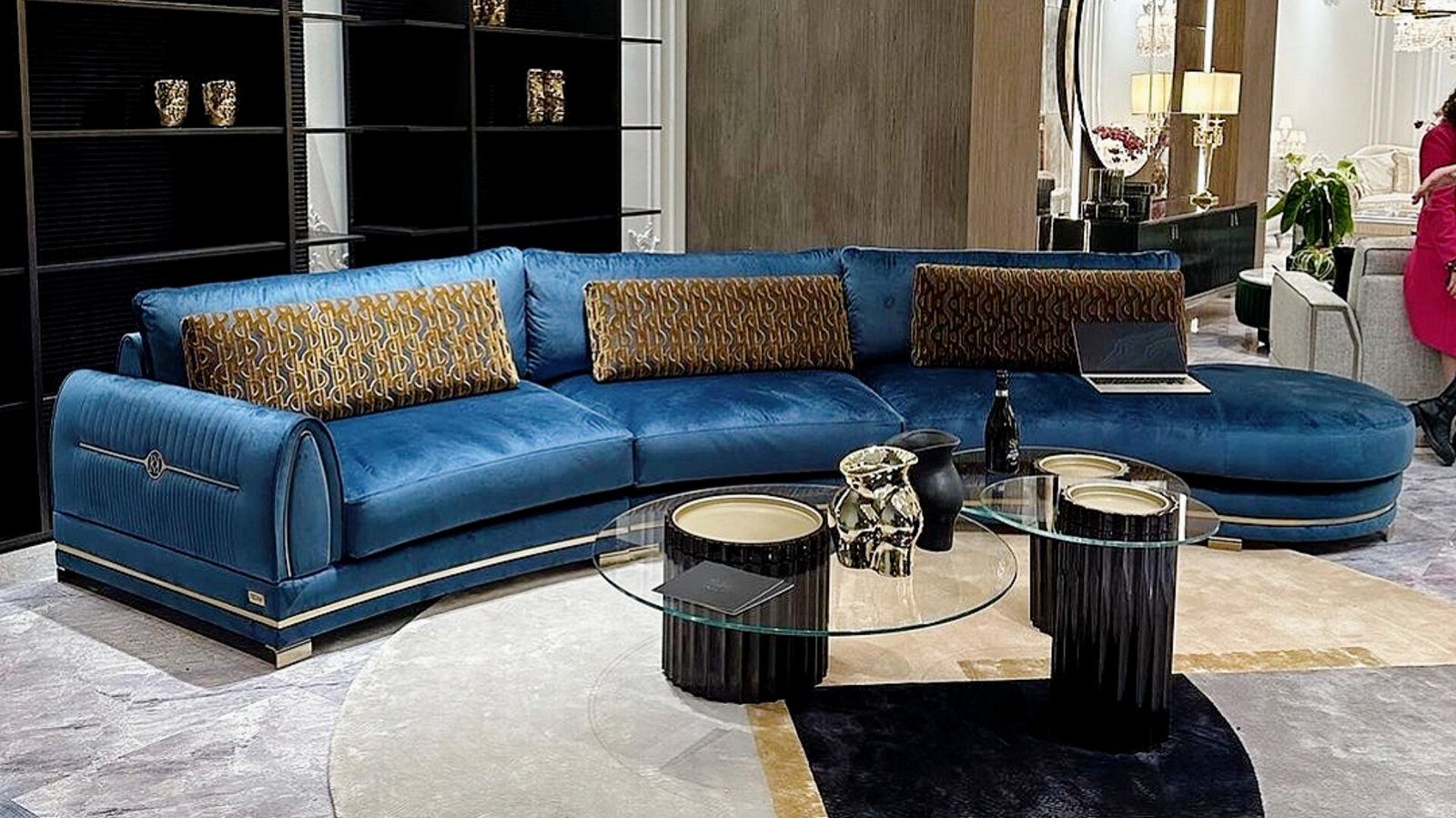
Velour is a fabric with a short, dense pile. It feels soft, its colour looks deep, and the shade shifts with the direction of the pile under light. This gives a sofa a rich look and works in both classic and contemporary interiors.
A characteristic of velour is that the pile flattens under pressure. Where people sit most, the fabric may catch the light differently; that is the nature of the material, not a defect. Good-quality synthetic velours generally resist abrasion well, and many are treated against water-based stains. Pet hair can cling to velour, but dense pile is not easily pulled by claws.
Chenille: texture and durability
Chenille is woven from tufted, caterpillar-like yarns and has a soft yet textured surface. Its texture hides small marks and stains better than velour, which is why it is often chosen for everyday family sofas.
Chenille's weak point is its loops. Cat and dog claws can pull the yarns, and a pulled loop does not go back. If you have pets, it makes sense to ask for tightly woven fabrics specifically marketed as claw-resistant.
Genuine leather: a material that changes over the years
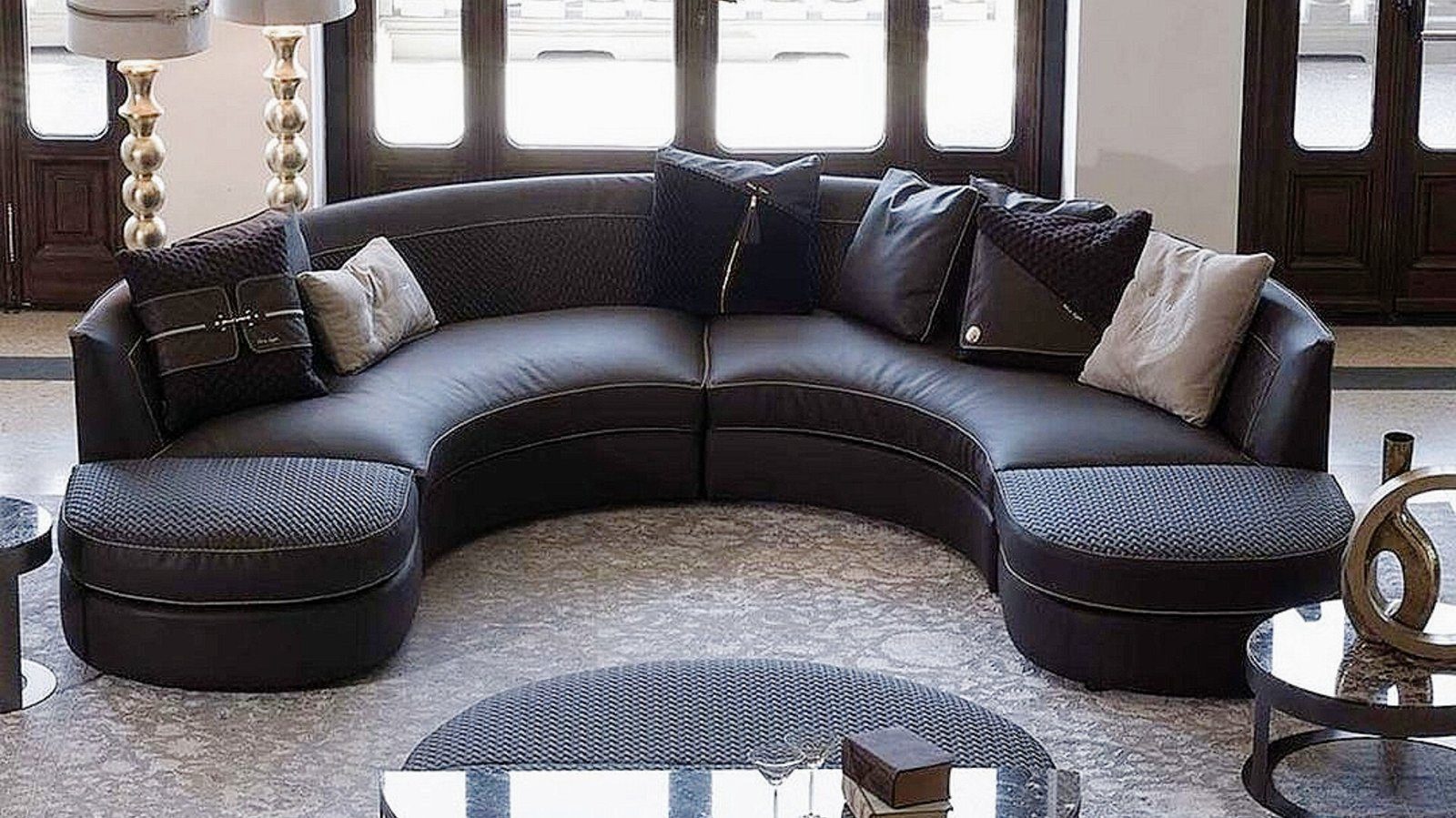
Genuine leather is strong, does not collect dust and does not hold pet hair, so it can also suit people with allergies. Good leather softens with time and develops its own patina, which for many is its main appeal.
On the other hand, leather is sensitive to heat and dryness. Near a radiator or in direct sun it tends to dry out, crack and fade. In a cold room it feels cool at first touch, and in hot weather it can feel sticky. Claws leave marks. The type of leather matters too: pigmented, surface-coated leather resists stains better, while open, uncoated leather looks natural but absorbs liquids quickly.
Faux leather: the look of leather, different behaviour
What is sold as faux or eco leather is normally a polyurethane layer bonded to a fabric base. It resembles leather, wipes clean, keeps spills on the surface and is offered in many shades, which is why cafés, offices and families with small children like it.
Quality varies greatly between manufacturers. A poor coating can crack and peel over the years, especially in warm, sunny spots. Because the material does not breathe, it feels hot during long sitting in summer. When choosing, look at how flexible the coating is, how dense the backing fabric is and what the manufacturer says about abrasion testing.
Abrasion tests and label information
Ask the seller for a fabric's Martindale figure: it tells you how many rub cycles the cloth survived in testing, and the bigger it is, the longer the fabric should last. Put the number for an everyday sofa fabric beside that of a cushion fabric and the difference is obvious.
The label may also state fibre content, cleaning method, colour fastness to light and stain treatment. This information matters for future care, so keep it together with the sofa's documents.
Which material suits whom
- Families with children and heavy daily use: stain-treated chenille or good-quality faux leather.
- Homes with pets: tightly woven, claw-resistant fabric; avoid looped chenille.
- People with allergies: genuine or faux leather, which does not trap dust and wipes clean.
- A rarely used guest sofa or a rich interior: velour.
- A sunny room: fabric with high light fastness; keep leather and faux leather out of direct sun.
Zaferoglu Mebel builds upholstered furniture to order, which means the cover can be chosen for where the sofa will stand and who will use it.