
A new sofa looks a little bare when it first arrives. A few cushions are added, and suddenly the room feels finished. But after a while the cushions either get in the way of sitting, flatten and lose shape, or their colours clash with the sofa. A scatter cushion is a small detail, yet with the right size, filling and colour it noticeably improves both the look and comfort of a sofa.
Cushions are chosen for the sofa's depth
A cushion's first job is comfort. On a sofa with a deep seat, you have to slide back to lean against the backrest and your feet leave the floor. Large cushions reduce the usable seat depth and make sitting more comfortable. On a shallow sofa, large cushions push you towards the front edge; small or thin cushions suit it better.
The number of cushions depends on the number of seats. Each person sitting down needs to put the cushion behind them, hold it or move it aside. With too many, the first thing people do is pile them on the floor.
Combining sizes
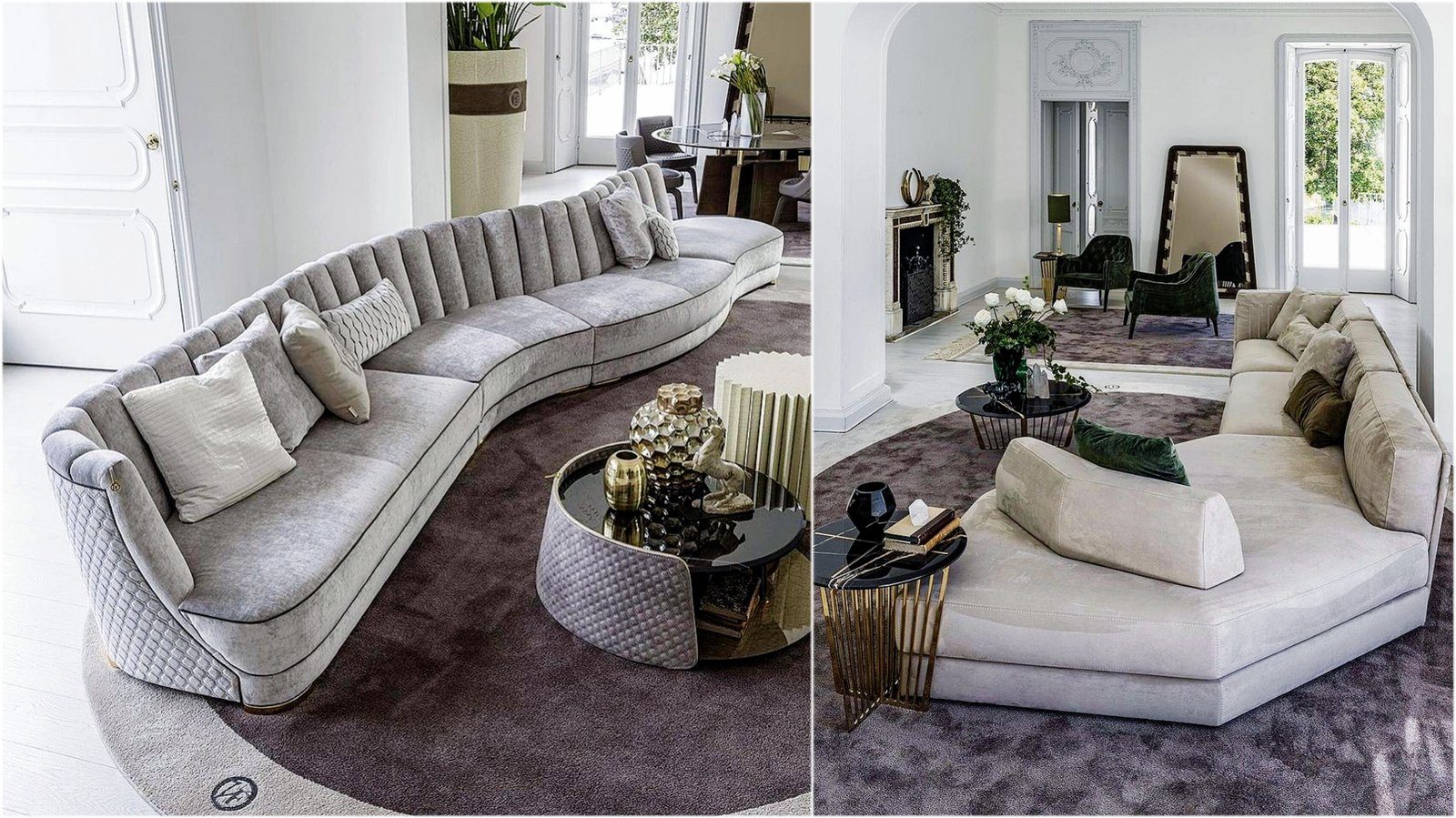
A straight row of same-size cushions looks formal and a little static. For a more natural look, sizes are layered:
- Back layer: the largest square cushions, at the ends or in the corner of the sofa.
- Middle layer: slightly smaller squares in front of the large ones.
- Front layer: an oblong lumbar cushion for lower-back support and to complete the arrangement.
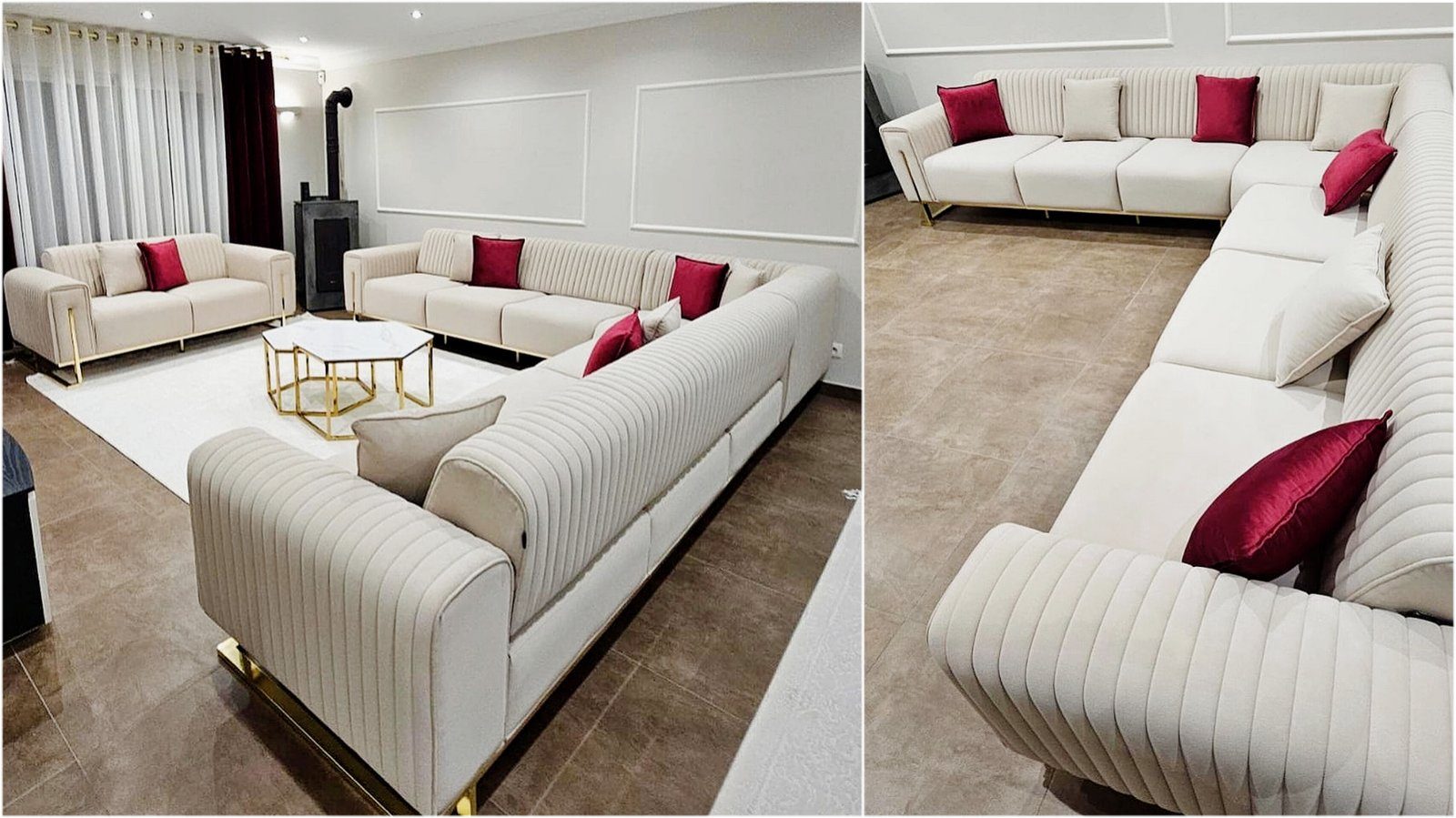
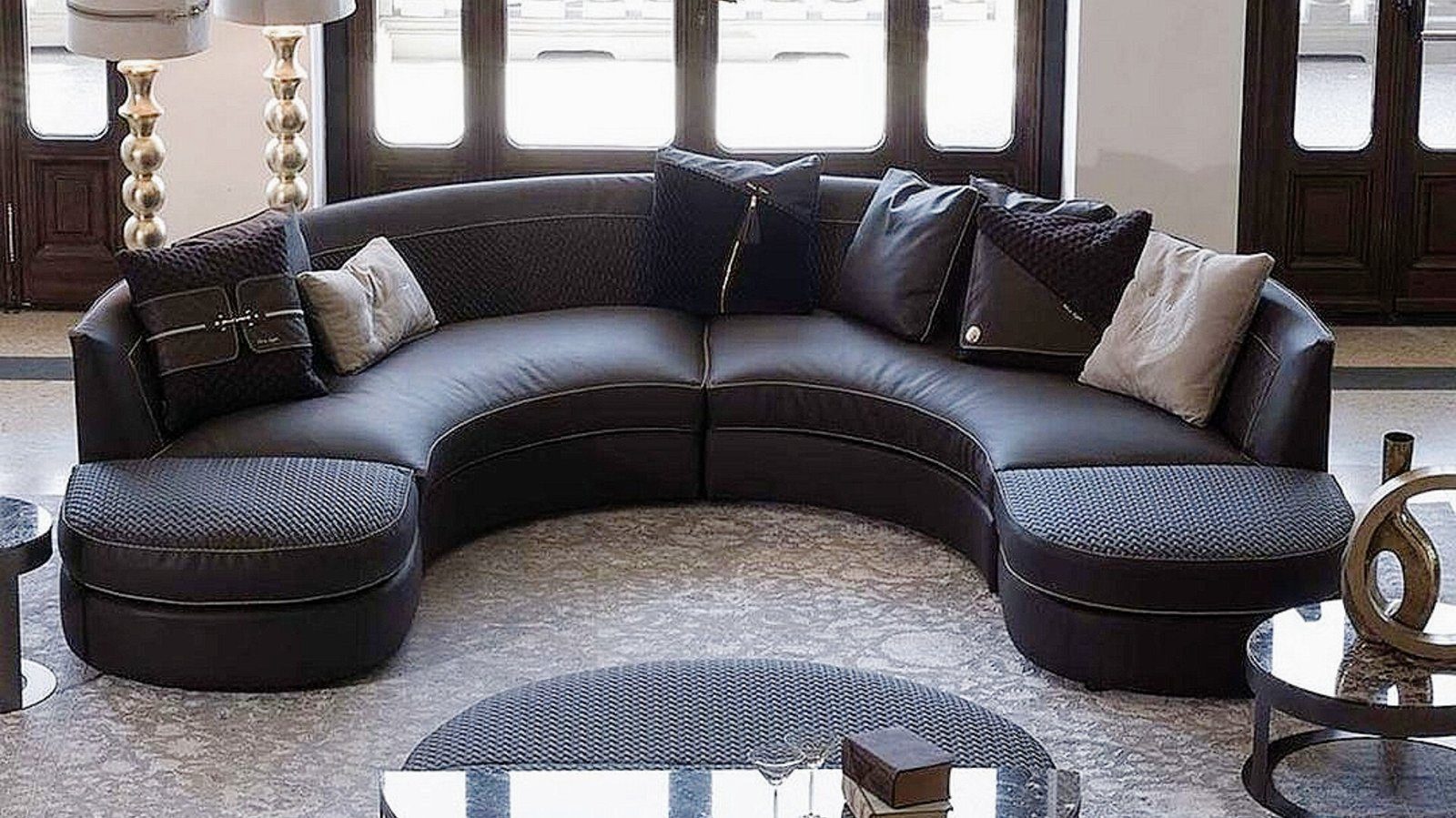
On a corner sofa the largest cushions go in the corner, where the backrest is furthest away. On a straight sofa, a symmetrical arrangement feels calm, while an asymmetrical one feels more relaxed and contemporary.
It also matters to compare cushion size with backrest height: cushions rising well above the backrest make the sofa look heavy.
Matching sofa, fabric and cushion
A cushion cover behaves differently from the sofa itself. Sofa fabric needs to resist abrasion, while scatter cushions can use more delicate materials: silk blends, fine linen, embroidery. But if cushions are used every day and children play with them, delicate fabrics wear quickly. In such homes, making some cushions in the same durable fabric as the sofa and others in a decorative fabric is a practical compromise.
With a made-to-order sofa, cushions can sometimes be sewn from leftover upholstery fabric. That guarantees a colour match, but to avoid a monotonous look it should be complemented with cushions in different colours or textures.
Filling: shape and softness
The filling determines how a cushion looks and behaves.
- Feather and down mix: soft, weighty and relaxed-looking, taking the shape of the person sitting. It needs plumping regularly or it flattens, and may not suit allergy sufferers.
- Synthetic fibre such as hollowfibre: light, hygienic, washable. It holds its shape well, though some types clump over time.
- Foam: firm and structured, suited to geometric cushions and back support.
- Combination: a foam core wrapped in fibre or feather gives both shape and softness.
The volume of the filling matters too. A pad slightly larger than the cover gives a full, plump look; a pad exactly the size of the cover soon looks deflated.
Colour and texture
Cushions are the safest way to add a colour accent because they are easy to change. A few practical rules make combining easier:
- The sofa itself is the base colour. Among the cushion tones, one belongs to the same family as the sofa and the others add contrast.
- Take colours from the room's palette: a shade from the curtains, rug or a painting repeated in the cushions.
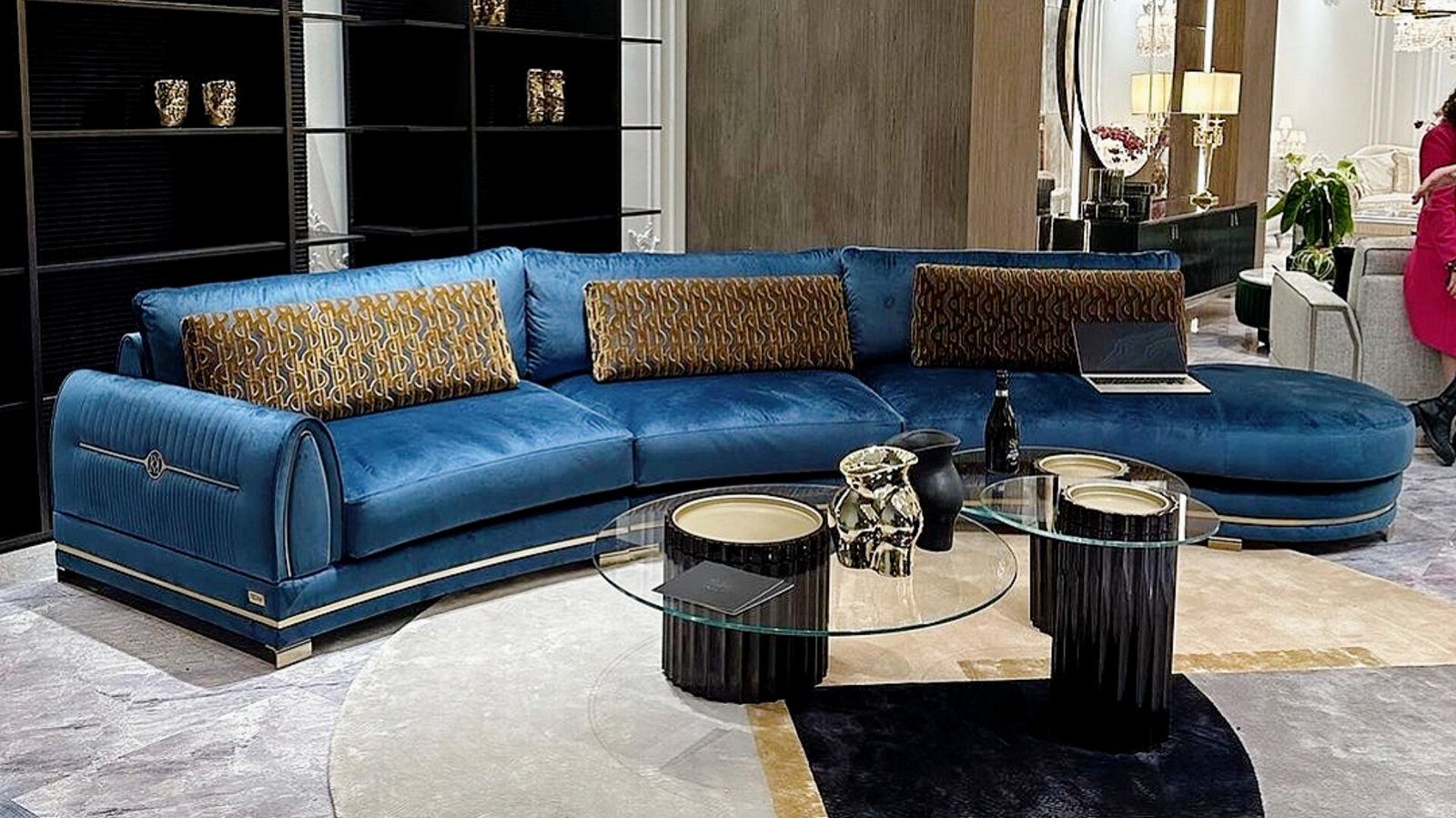
- Mix pattern scales: one large pattern, one small pattern and one plain colour make a good balance.
- Play with texture: velvet, linen, wool and knit look different even in the same colour.
On a neutral sofa, cushions can change with the seasons: linen and light tones in summer, velvet and deep colours in winter.
Care
- Plump and turn cushions regularly so the filling stays evenly distributed.
- Place zips on removable covers at the bottom or back, where they are not seen.
- Check the label before washing covers; some fabrics are dry clean only.
- Move cushions that sit in direct sunlight from time to time so they fade evenly.
Because Zaferoglu Mebel makes sofas to order, the cover fabric, seat depth and cushion sizes can be decided together, so the scatter cushions look and feel like they belong.