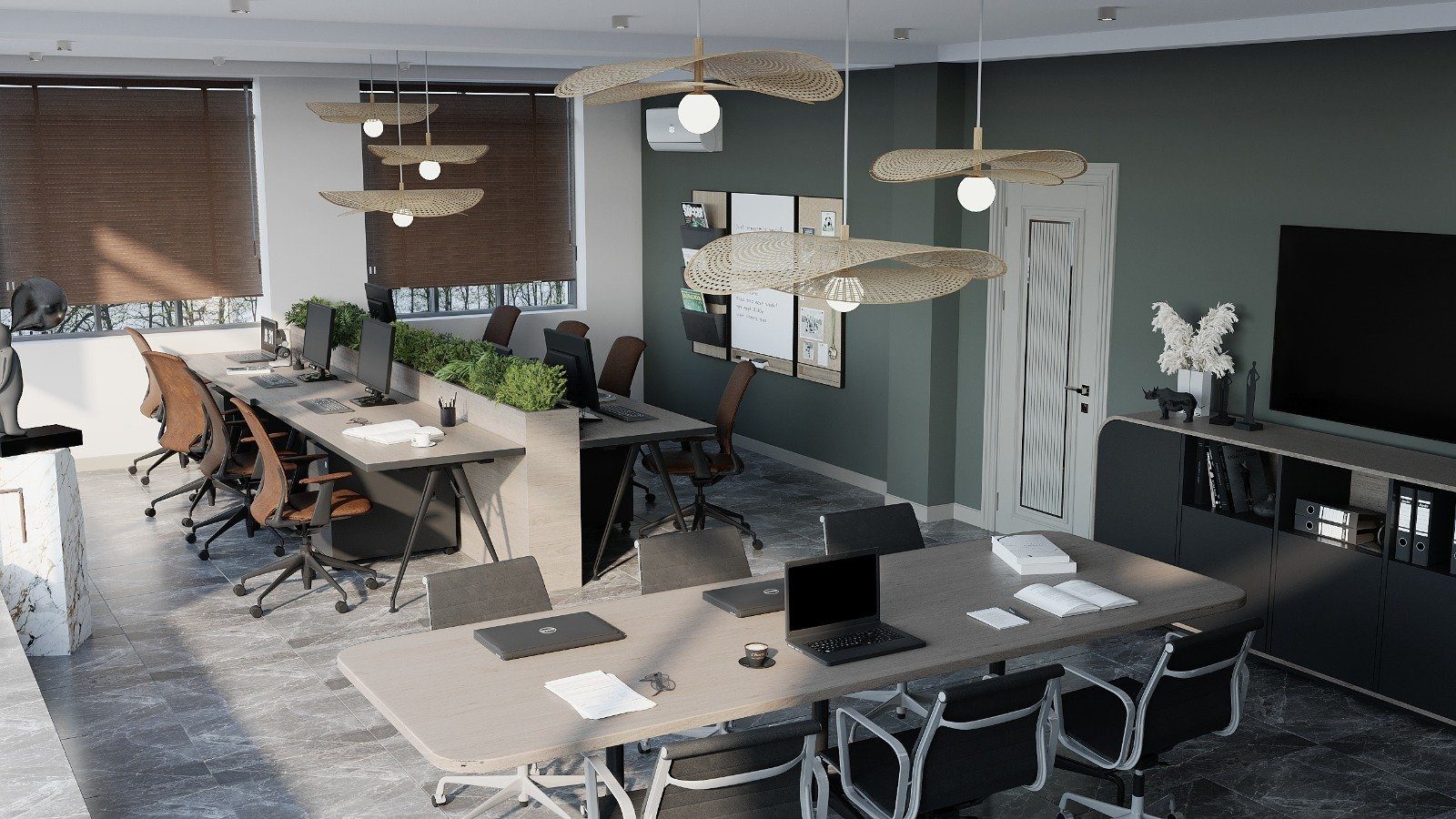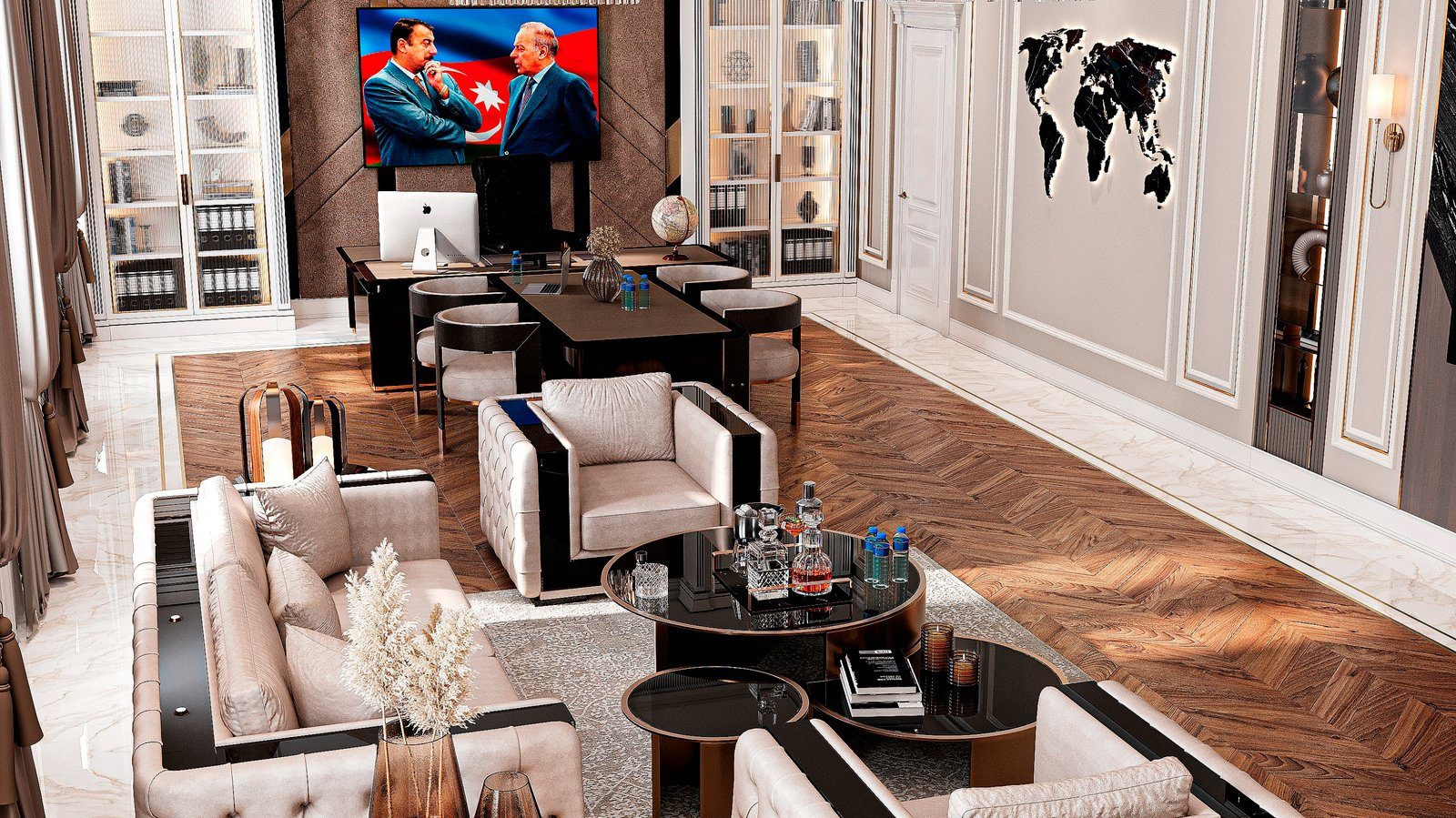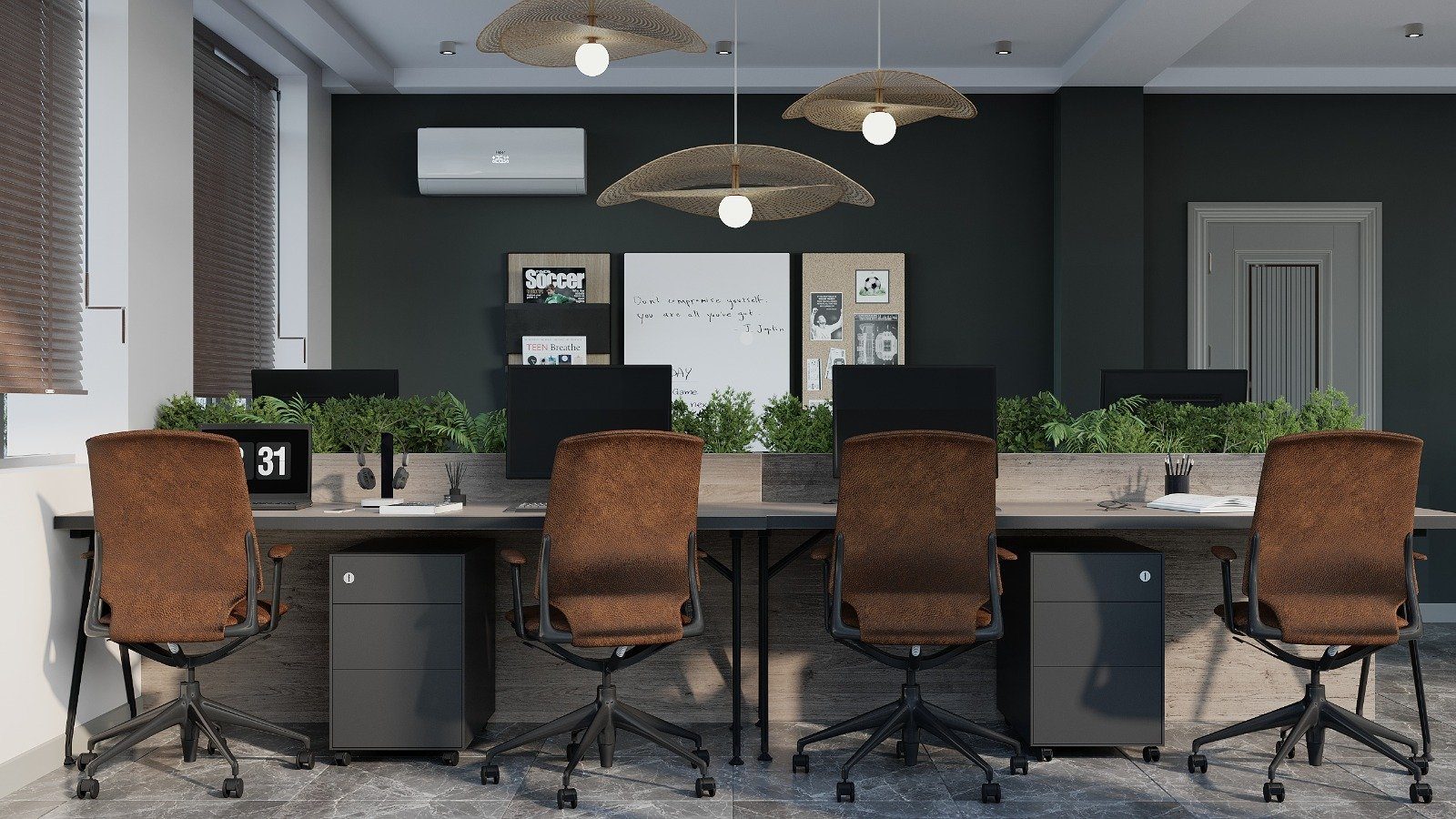

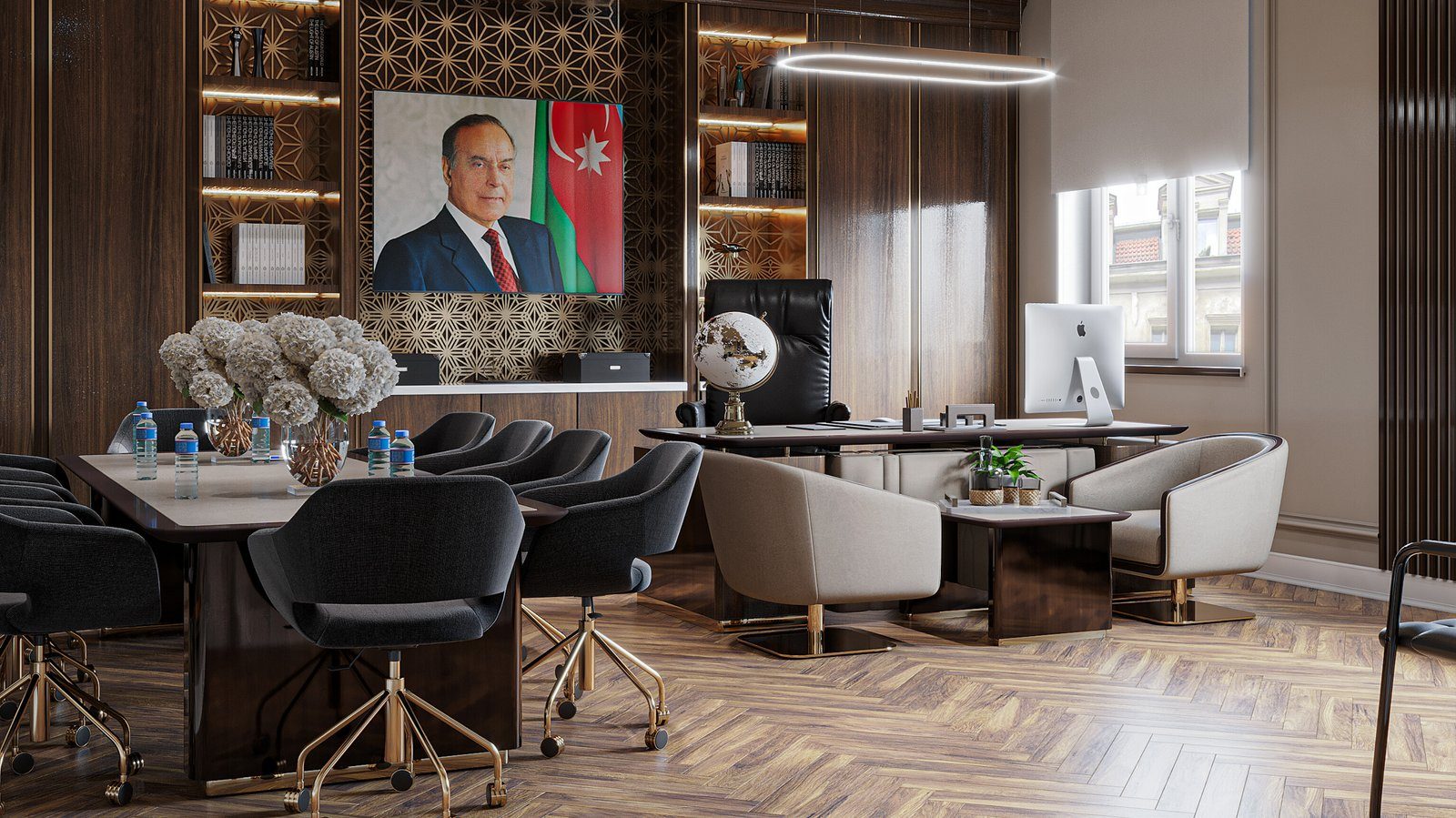
A visitor arrives, gives their name at reception and is asked to wait for a moment. Over the next five or ten minutes they sense a lot about the company: whether the seat is comfortable, where to put a bag, where to hang a coat, whether they are forced to stare at the receptionist. A waiting area is a small space, but it is one of the most used and most closely observed parts of an office. Its furniture needs to be comfortable and able to withstand intensive daily use.
How many seats are needed
The number of seats depends on how the office works. Offices that receive many visitors at once, such as clinics, notaries or bank branches, have more people waiting. Offices where meetings are held at set times usually need two to four seats. It is also worth remembering that visitors often arrive in pairs or small groups.
A practical approach is to estimate the maximum number of visitors waiting at the same time on the busiest days and add one or two seats. Too many seats, on the other hand, turn the area into a dull waiting hall.
Seating type: armchairs, sofa or modules
- Individual armchairs: give each visitor personal space. Strangers avoid sitting side by side on a sofa, and a separate chair removes that awkwardness.
- Sofa: takes less space and suits visitors arriving in pairs, but gaps remain between strangers and it is rarely used to capacity.
- Modular seating: built from separate blocks, with armrests or small tables between them. Easy to adapt to the shape and size of the area.
- Bench: makes sense for short waits and narrow corridor-like areas.
Seat height and depth matter too. A very low, deep armchair looks good, but an older visitor may find it hard to get up. Armrests help people rise. In waiting areas, seats close to standard sitting height with medium depth are more universal.
Upholstery: durability and cleaning
Waiting area seats are used far more than a sofa at home. Different people sit on them every day, put down bags and coats, and sometimes spill coffee. The upholstery needs high abrasion resistance, a stain-resistant treatment and easy cleaning. It is worth checking the abrasion test result in the fabric's specification and confirming it is suitable for contract use.
Faux leather and good-quality synthetic leather wipe clean with a damp cloth and suit spaces that are disinfected often. Fabric feels warmer and absorbs sound, which helps the acoustics of a waiting area. Mid-tone fabrics with a slight texture hide daily wear better than light plain colours.
The durability of legs and seat bases also matters, as brooms and vacuum cleaners hit them during cleaning. Metal or solid wood legs with floor-protecting glides stay tidy for longer.
Layout: the visitor's comfort
Visitors do not like sitting with their backs to the entrance and the reception desk: they want to see who comes in and notice when they are called. Placing seats so they have a view of the entrance, but at an angle rather than directly facing the receptionist, is comfortable for both visitor and staff.
The waiting area should be somewhat separated from the work area, visually and acoustically. Visitors should not overhear staff phone calls or see their screens. Partitions, tall shelving or acoustic panels are used for this.
Small furniture: details complete the impression
- A coffee or side table for cups, phones and brochures.
- A coat stand or small cupboard, so visitors do not sit holding their coats in cold weather.
- A place for bags: a small bench or shelf beside the seats.
- A socket or USB outlet for charging a phone during a longer wait.
- A small service cabinet for water or tea, reinforcing a sense of hospitality.
Few of these details are essential, but their absence is quickly noticed by visitors.
Brand and atmosphere
Together with reception, the waiting area shows the company's visual identity. A soft shade of the corporate colour in the upholstery, an illuminated logo on the wall or a calm composition reflecting the company's work gives the space character. But the main goal here is the visitor's comfort: decor does not shorten the wait, while comfortable seating makes it less tiring.
When ordering a reception waiting area from Zaferoglu Mebel, designing seats, side tables and storage in the same style as the front desk makes the space where visitors arrive look unified.