
An office chair is chosen after a few minutes of testing in a shop, then used six to eight hours a day. A chair that feels soft and comfortable at first can cause back pain after a few weeks, while a plain-looking but properly adjustable chair can serve for years without trouble. The difference lies in adjustment: can the chair be fitted to the body, and does the user know how to use those options?
Seat height
The most basic adjustment is seat height via the gas lift. In the right position the feet rest flat on the floor, the knees bend at roughly a right angle and the thighs are parallel to the floor. If the chair is too high, the front edge of the seat presses on the thighs and restricts circulation; if it is too low, the knees rise and the whole load falls on the sitting bones.
The height range should suit the user. For very tall or very short people a standard range may not be enough, and a gas lift of a different length or a footrest is the answer.
Seat depth
This adjustment is often overlooked but is very important. With the back against the backrest, there should be a gap a few fingers wide between the front edge of the seat and the back of the knee. If the seat is too deep, the user slides forward to reach the backrest and loses lumbar support. If it is too shallow, the thighs are not properly supported.
A sliding seat allows this distance to be adjusted for users of different heights. It is especially useful when several people share a chair in the office.
Backrest and lumbar support
The natural curve of the lower back tends to flatten during long periods of sitting, leading to fatigue and pain. Lumbar support helps preserve that curve. On good chairs the support adjusts in height, and sometimes in depth, so it can be placed exactly in the small of the back.
The way the backrest moves also matters. With a synchro mechanism, when the backrest tilts back the seat tilts too, in a set ratio. This keeps the feet on the floor while leaning back and lets the body change position. Changing posture regularly through a long workday is beneficial, so rather than locking the backrest, it is better to set its tension to your weight and leave it free to move.
Armrests
Armrests should take load off the shoulders without stopping the chair from pulling up to the desk. At the right height the elbows rest lightly on them and the shoulders stay relaxed. If the armrests are higher than the desktop, the chair will not slide in and the user has to reach forward.
Armrests adjustable in height, width and angle adapt to different tasks: one position for keyboard work, another for phone calls or reading documents. A soft top also adds comfort when elbows rest on them for long periods.
Castors, base and materials
The base usually has five spokes, which matters for stability. Choose castors to match the floor: on hard floors such as laminate or tiles, soft castors work better and do not scratch; on carpet, hard castors roll more easily. The wrong castors can damage the floor or let the chair roll unintentionally.
Choose materials for the climate and length of use. A mesh backrest lets air through and reduces sweating in a warm room, while a fabric or leather backrest gives softer support. The density of the seat foam matters, so the seat does not sag over time. In Europe, the EN 1335 standard for office work chairs sets dimensional and adjustment requirements, and it is fair to ask the seller whether a chair meets such standards.
Setting the chair up, step by step
Even the best chair is of little use if it is not set up correctly. Follow this order:
- Set seat height so your feet rest on the floor.
- Adjust seat depth to leave a gap behind the knees.
- Move the lumbar support into the small of your back.
- Set backrest tension to suit your weight.
- Place the armrests level with or just below the desktop.
- Finally, check desk and monitor height against the chair.
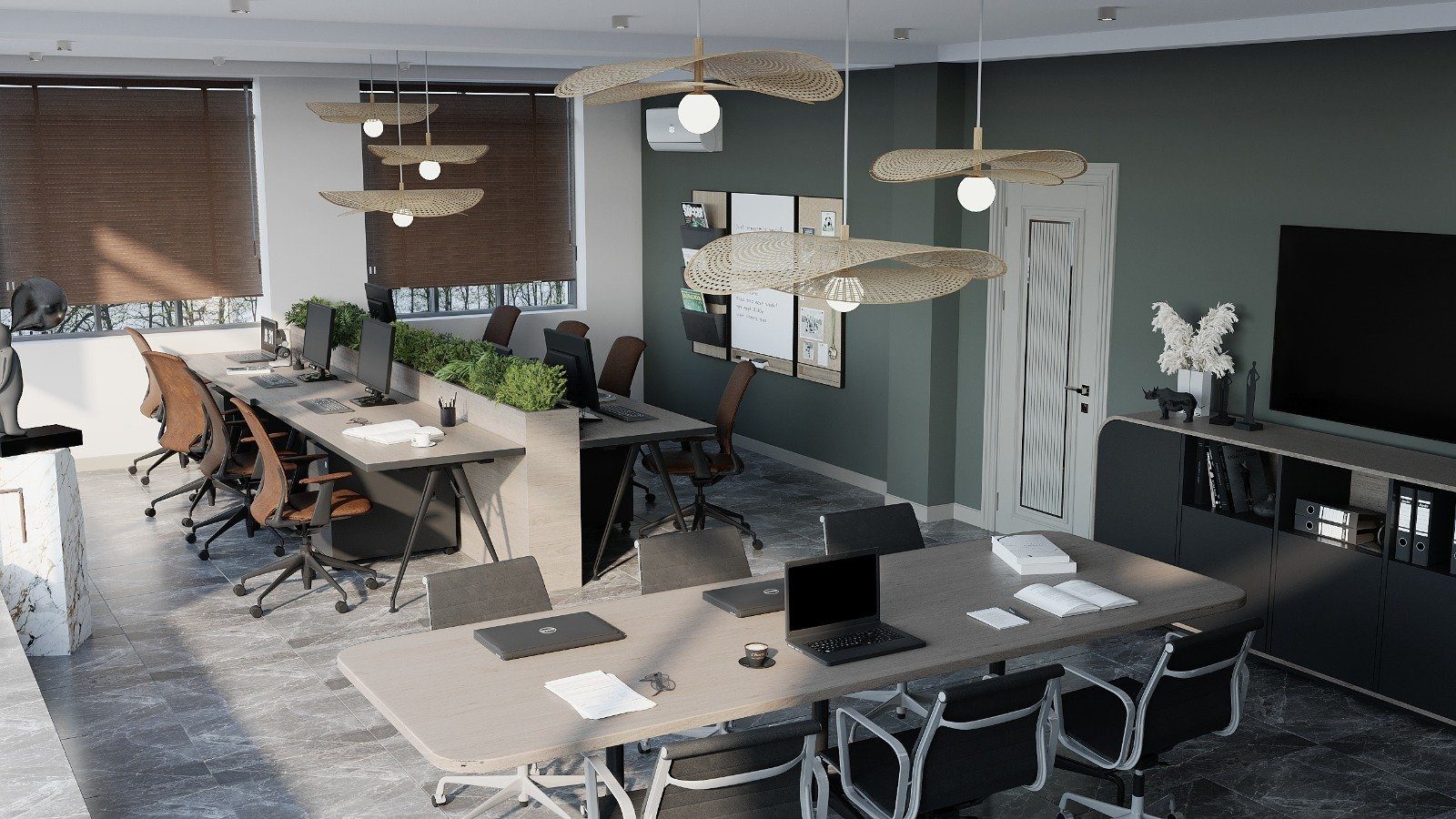
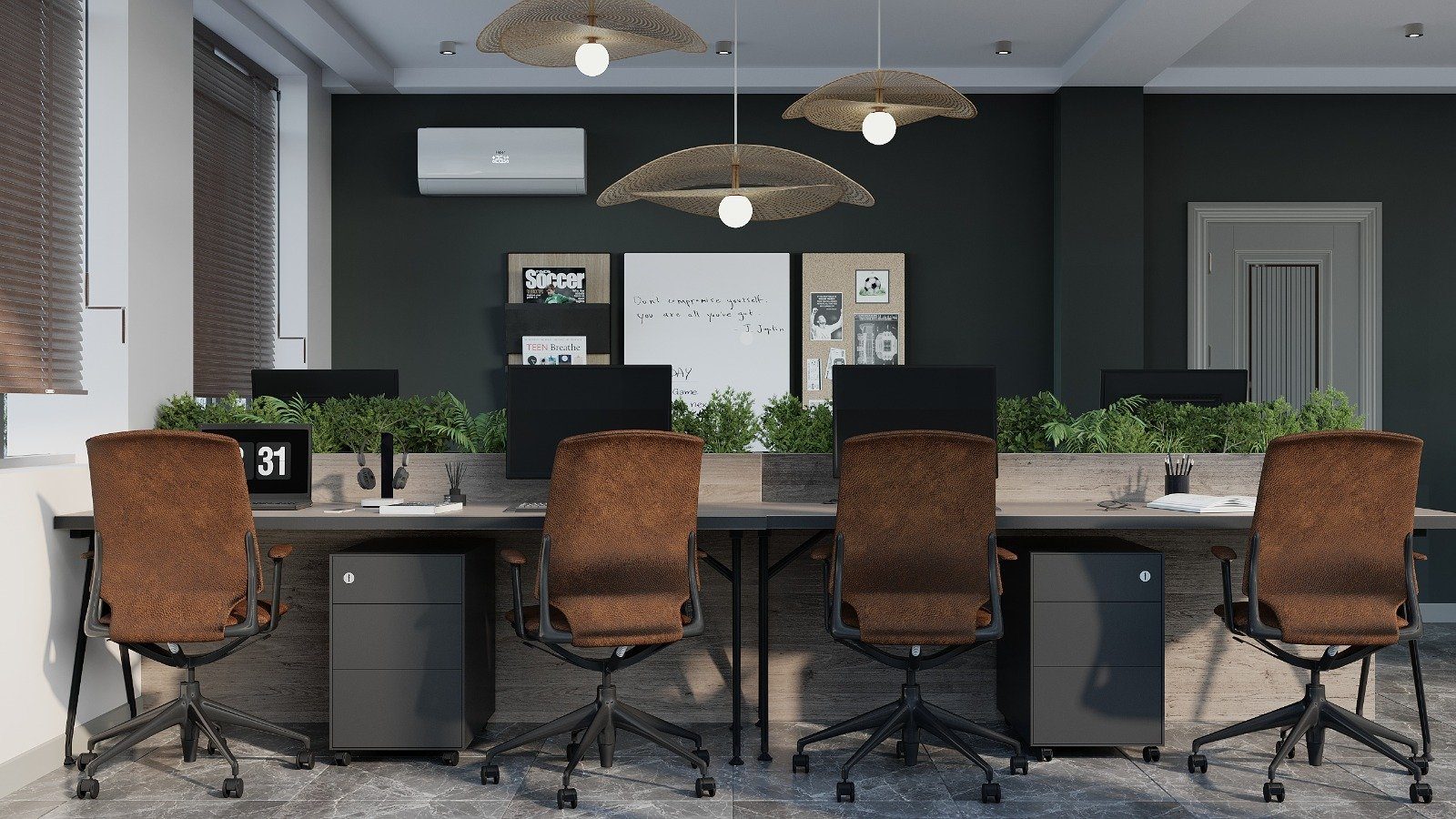
Zaferoglu Mebel makes office furniture, including desks and executive office furniture, to individual dimensions. When planning an office, desk heights and sizes can be matched to the chairs chosen.