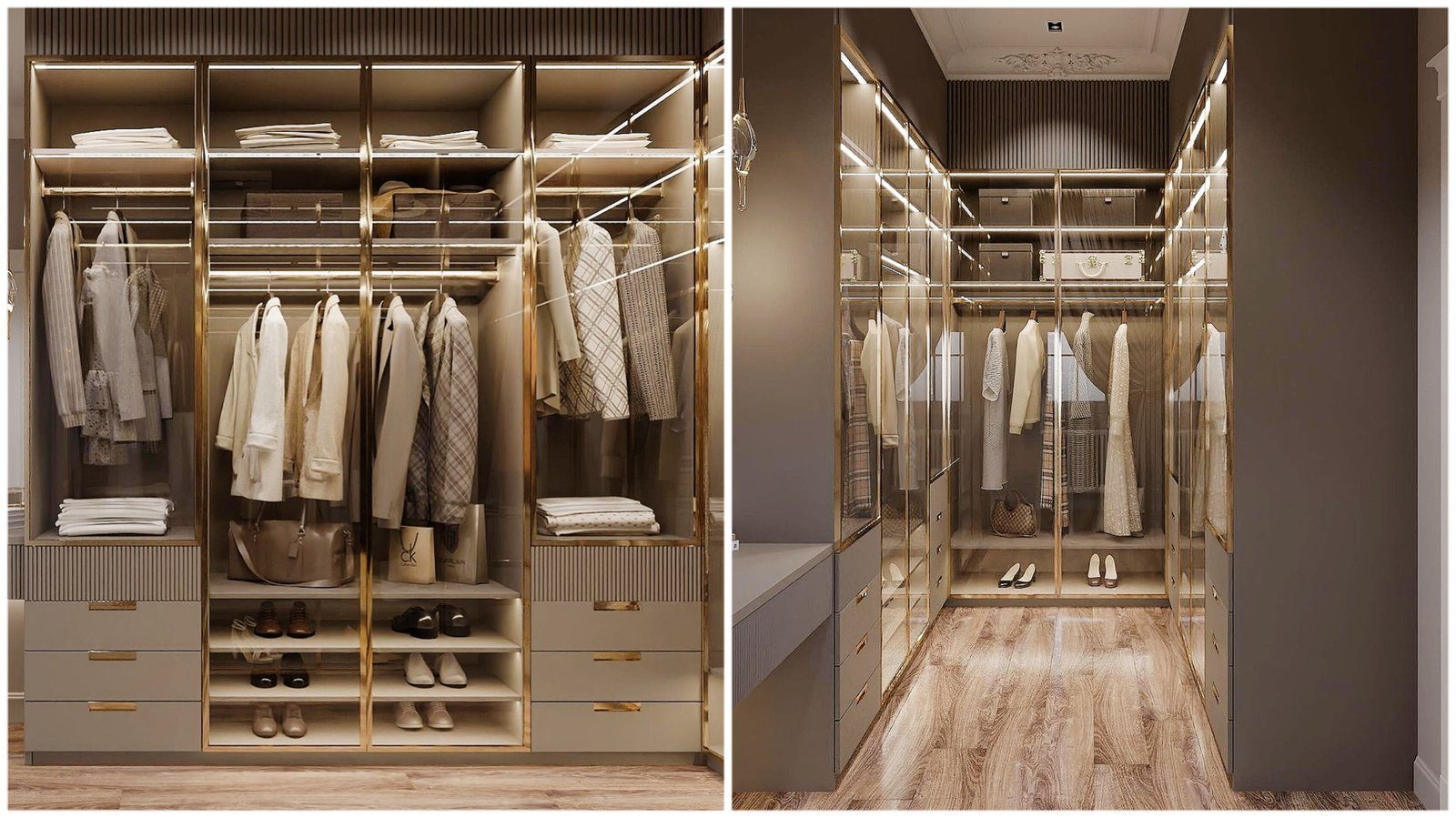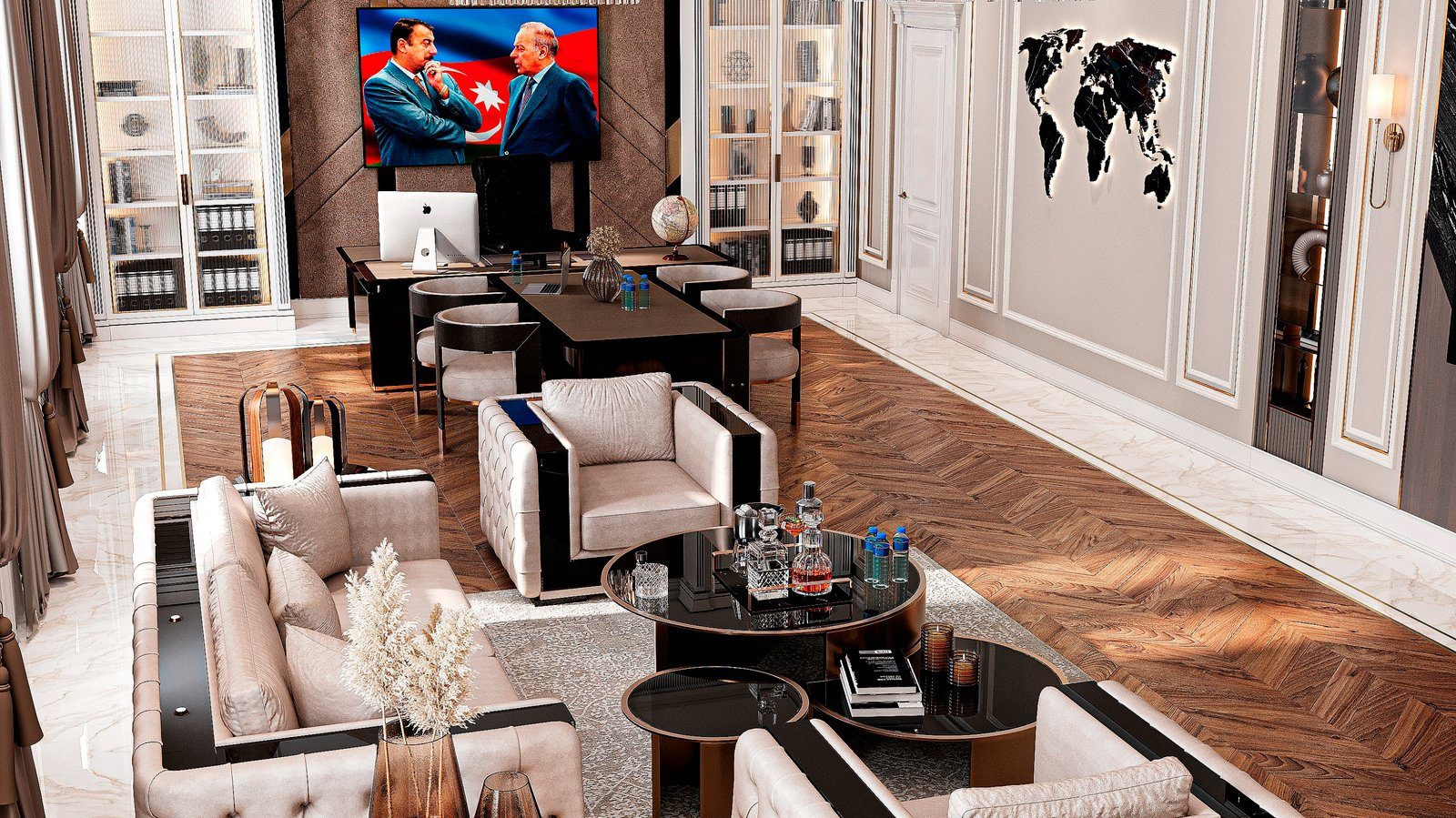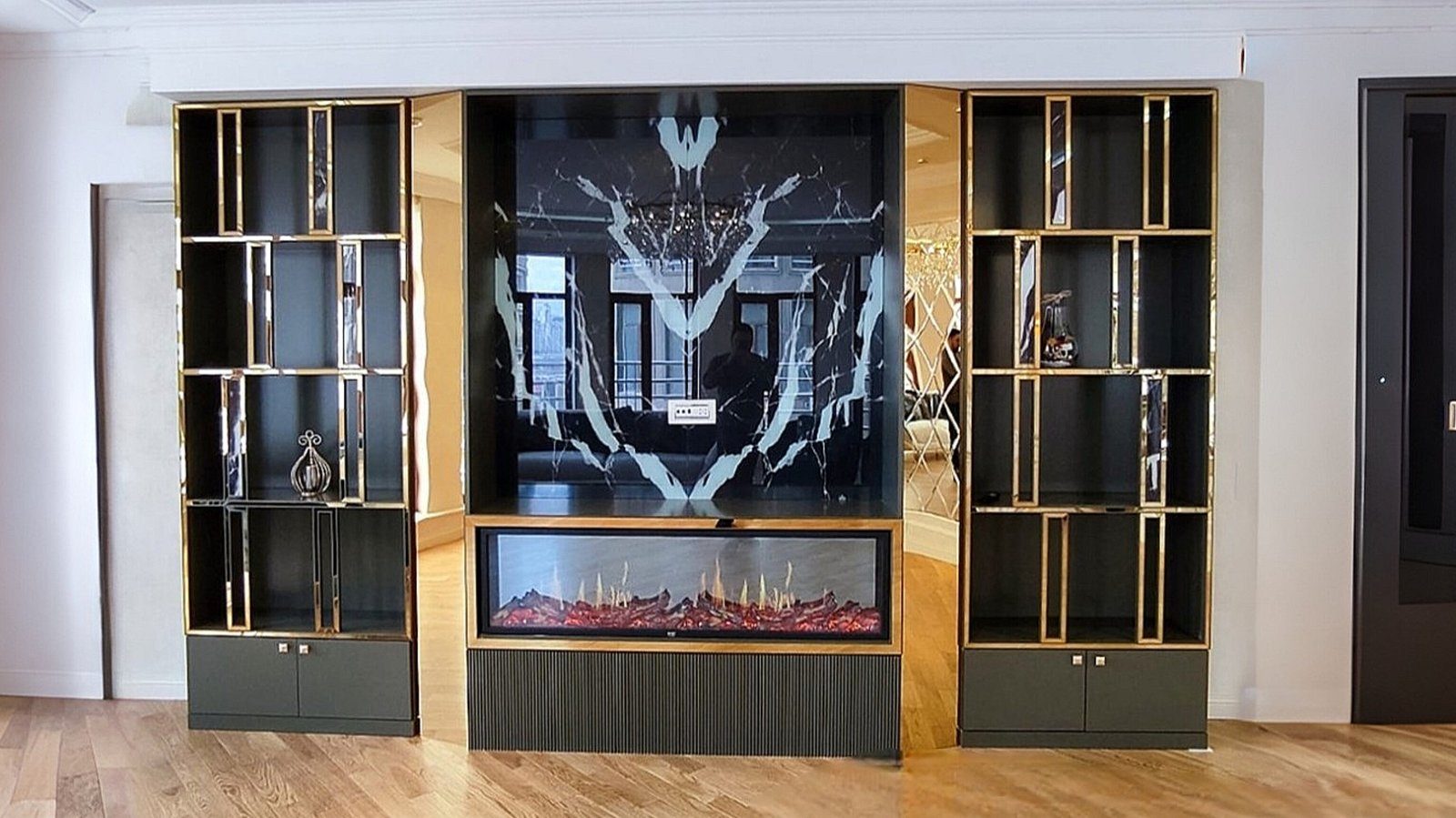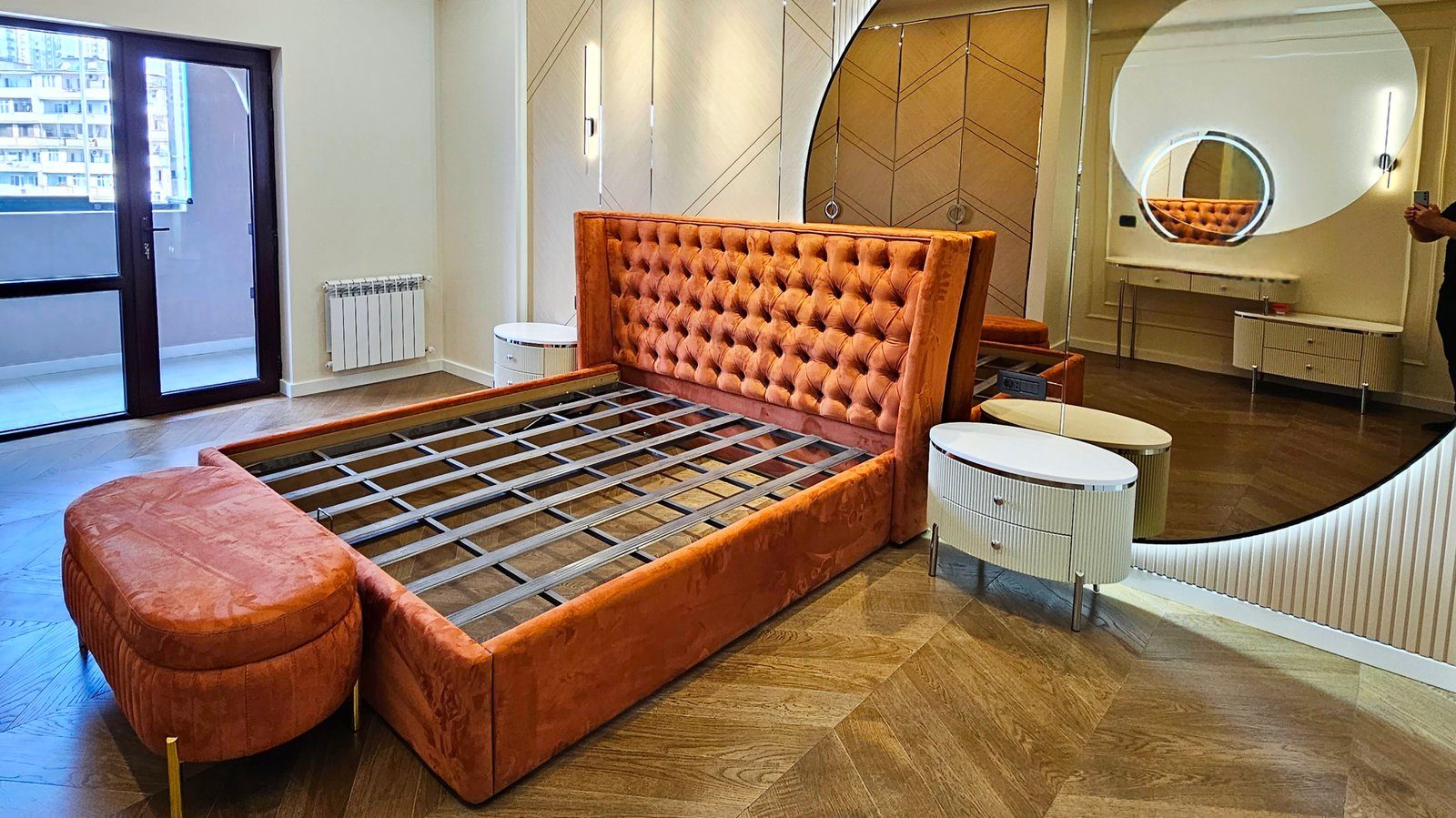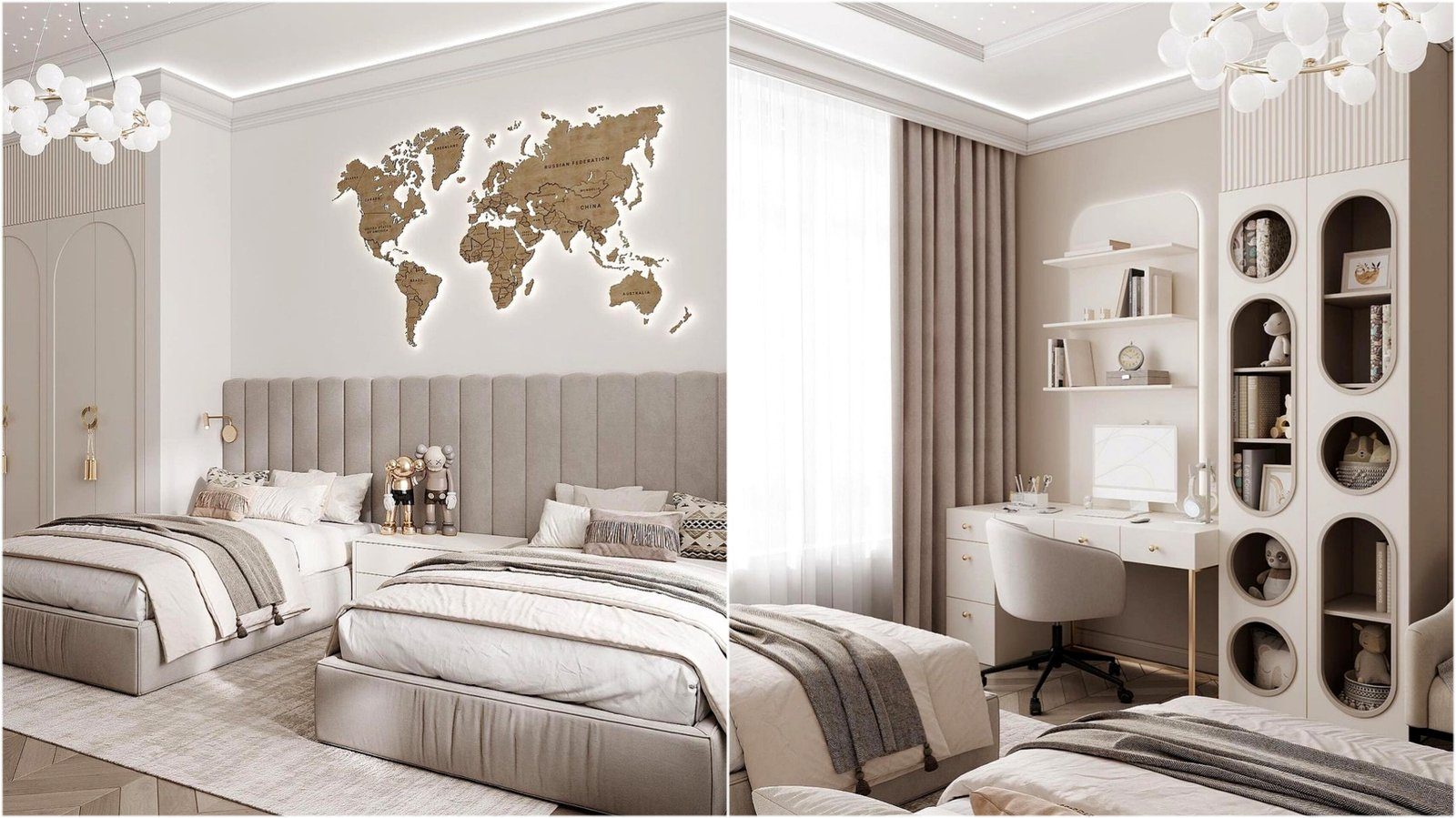

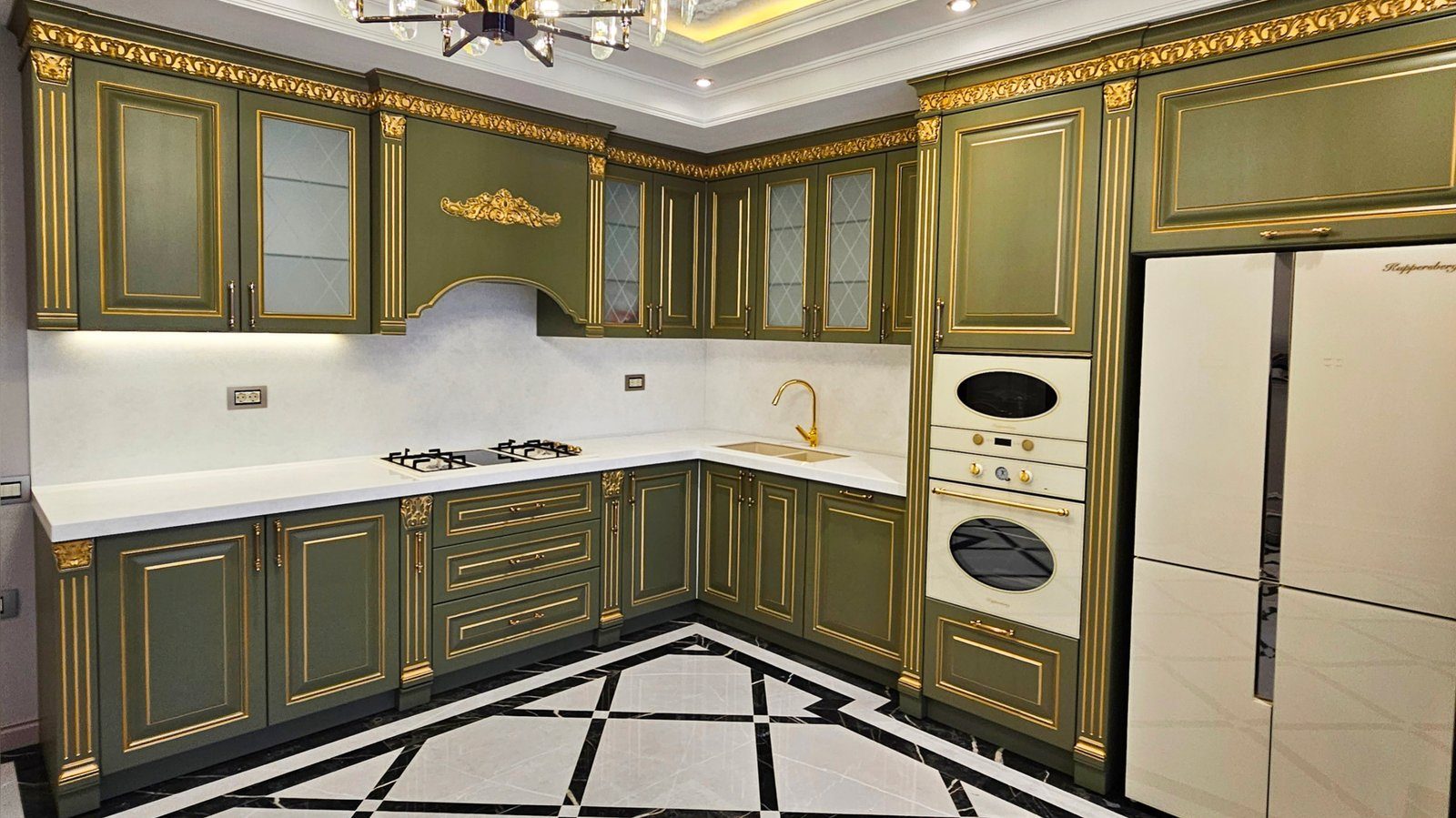
The interiors we see on social media start to resemble each other within a year or two: the same green doors, the same brass handles, the same arched shapes. They are appealing, but a kitchen or wardrobe is not bought for a single season. Made-to-order furniture usually stays in place for many years, so it is worth thinking ahead about how it will age.
When a trend becomes a problem
A trend is not bad in itself. The problem arises when it sits in a part of the furniture that is hard to change. Swapping handles takes a few hours; replacing doors is a significant cost; replacing the carcass is effectively new furniture. So the real question is how easily a design decision can be reversed.
Choices that date quickly share a few signs: a very specific colour shade, an unusual patterned decor, several glossy materials used together, or a narrow shape tied to a single function. Such solutions look fresh in the first year, and a few years later they reveal immediately when the interior was done.
The basis of timeless design
Furniture that still looks right years later tends to share three traits. Its proportions are simple and sound: doors divided logically, straight lines, heights that line up. Its materials are natural or convincingly look it: wood decors, matt finishes, stone-effect tops. And its colours are quiet: white, beige, grey, graphite and wood shades, which sit easily with each other and with whatever changes come later.
That does not mean an interior has to be dull. Classic style and minimalism can both be timeless; what matters is that form follows function and details are not overloaded.
A useful test: look at similar furniture photographed ten to fifteen years ago. Which solutions still look natural today, and which instantly recall a past era? Simple door layouts, natural wood tones and matt surfaces usually age well, while the signature colour or ornate decor of a period is recognised at once. The comparison also helps you look at your own choice more coolly, because today's trend will one day be looked back on in the same way.
Where to be bold
There is no need to give up trends; it is enough to put them in the right place. It helps to think of furniture in layers:
- Carcass, interior layout and mechanisms: the longest-lasting layer. Choose neutral colours and reliable hardware here.
- Doors and fronts: the middle layer. The colour can be bold, but if the shape stays simple, you can later update just the fronts.
- Handles, open-shelf decor and lighting elements: the easy-to-change layer, and the best place to play with fashionable colours and materials.
- Textiles, wall colour and accessories: the most flexible layer, where trends live most safely.
In a kitchen, for example, the base units can be deep green and the wall units neutral white. If the colour grows tiresome after a few years, replacing only the lower fronts is enough.
How materials age
Timelessness is not only about looks but also about how surfaces appear years later. High-gloss fronts are striking when new, but they show scratches and fingerprints more readily. Matt and textured surfaces hide everyday use better. Woodgrain boards lose small marks in their pattern, while plain dark surfaces highlight dust and smudges.
The edge banding colour, the match between fronts and carcass, and hardware that runs quietly and smoothly also preserve value over time. A broken hinge or sagging shelf makes even the most timeless design look old.
A check before you decide
A few simple questions help you judge whether a design will last:
- Will you still like this choice in five years, or is it simply everywhere right now?
- Is the fashionable element in a part that is easy to replace?
- Do the colour and material work with the fixed elements of the room, such as flooring, doors and window frames?
- If the home is sold or rented out, would this furniture suit someone else's taste too?
- How will the surface look with daily use?
The answers rarely point to a completely neutral choice; more often they lead to a balanced compromise.
Zaferoğlu Mebel makes furniture to individual sizes and designs and uses Egger and Kronopol decors for its boards. Deciding together at the design stage which parts will be neutral and which more expressive makes future updates easier.