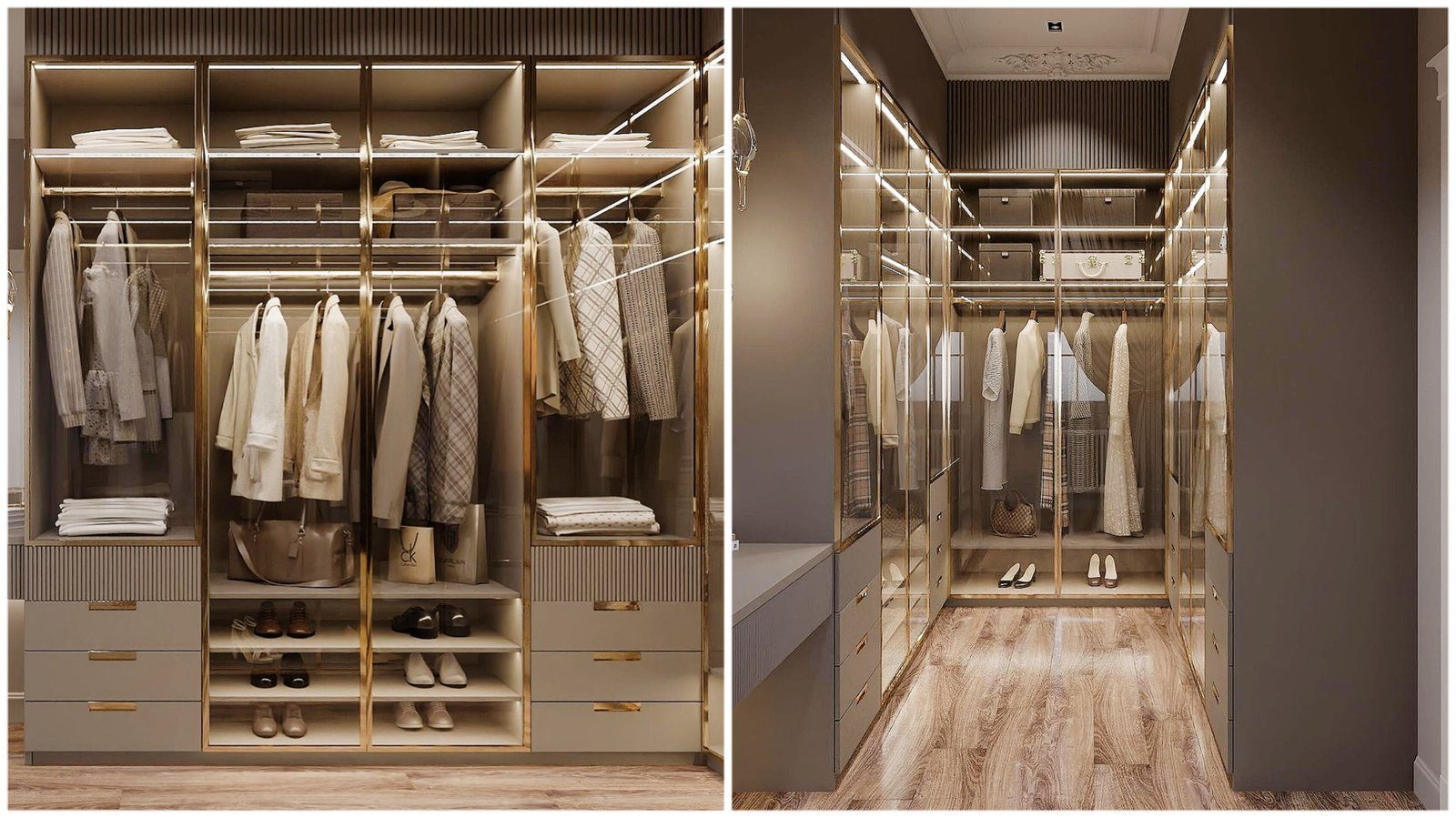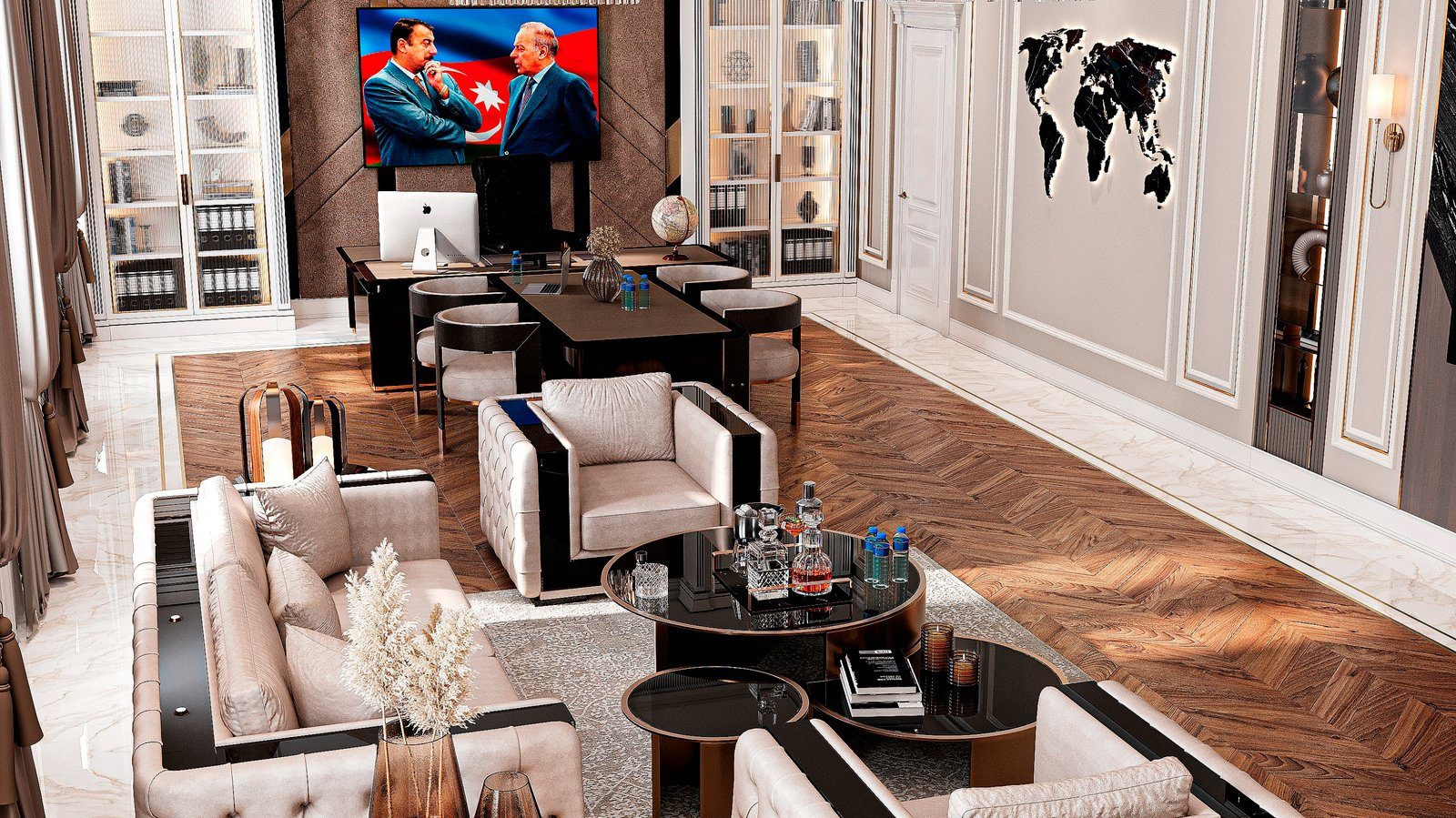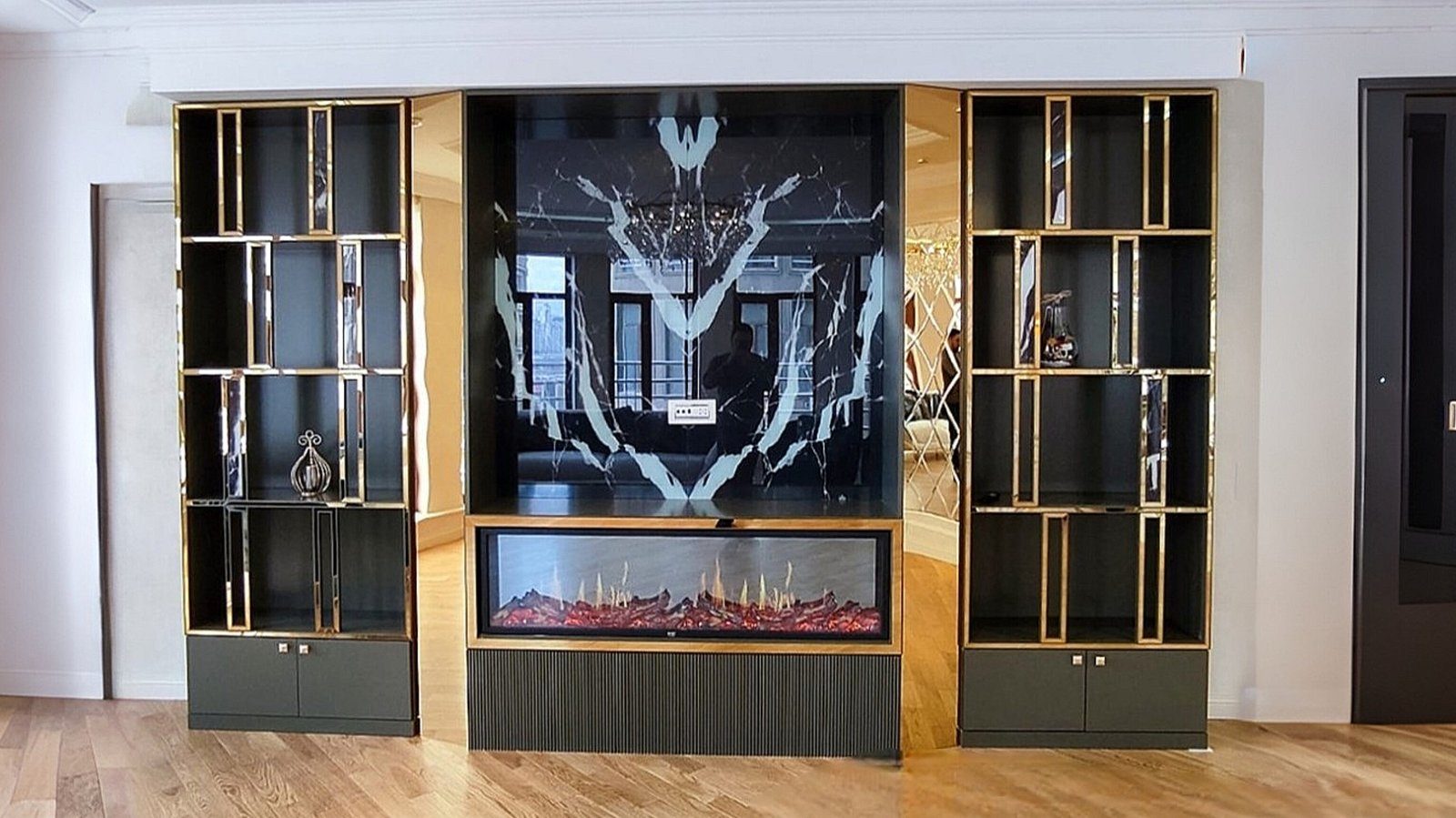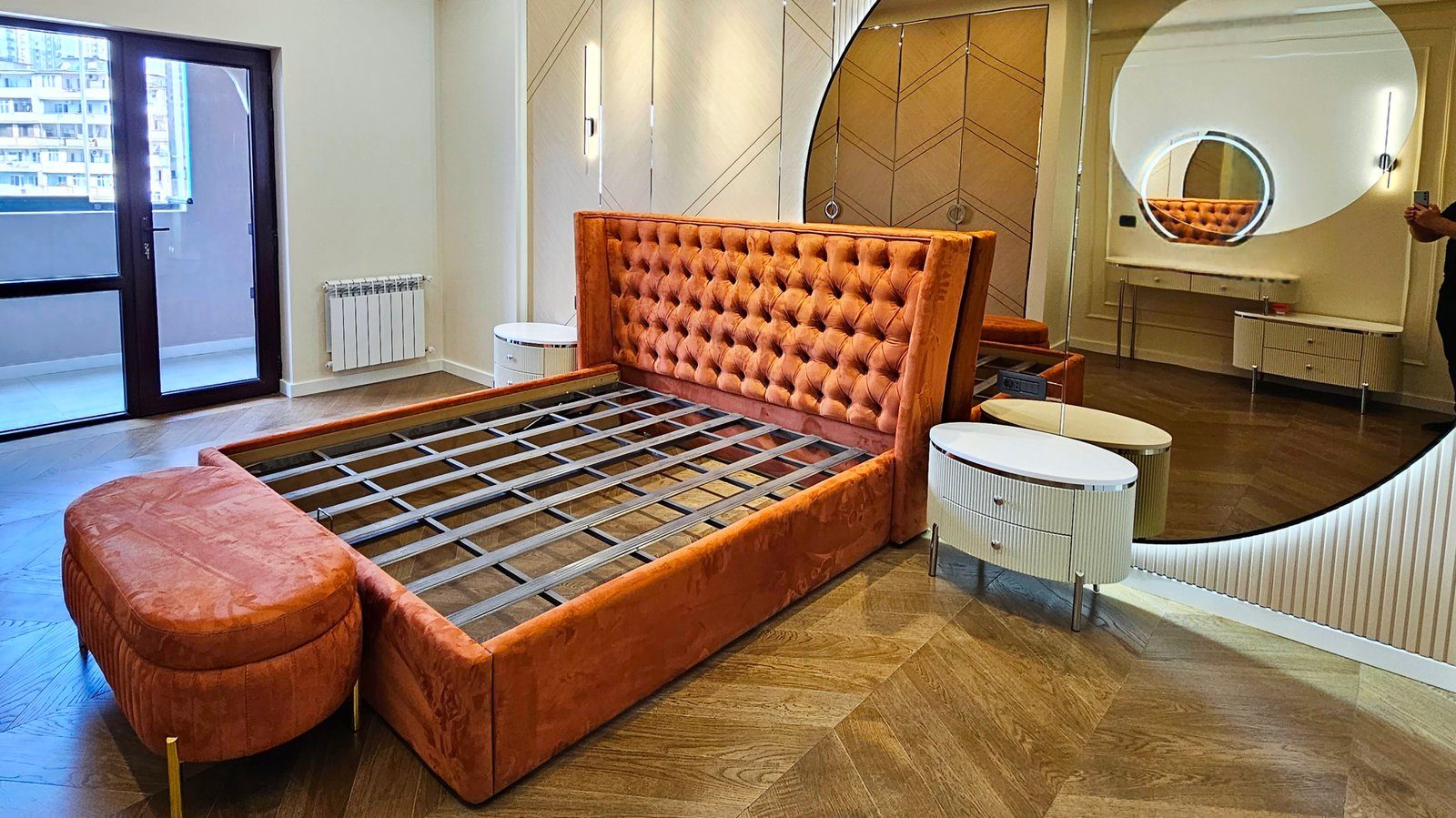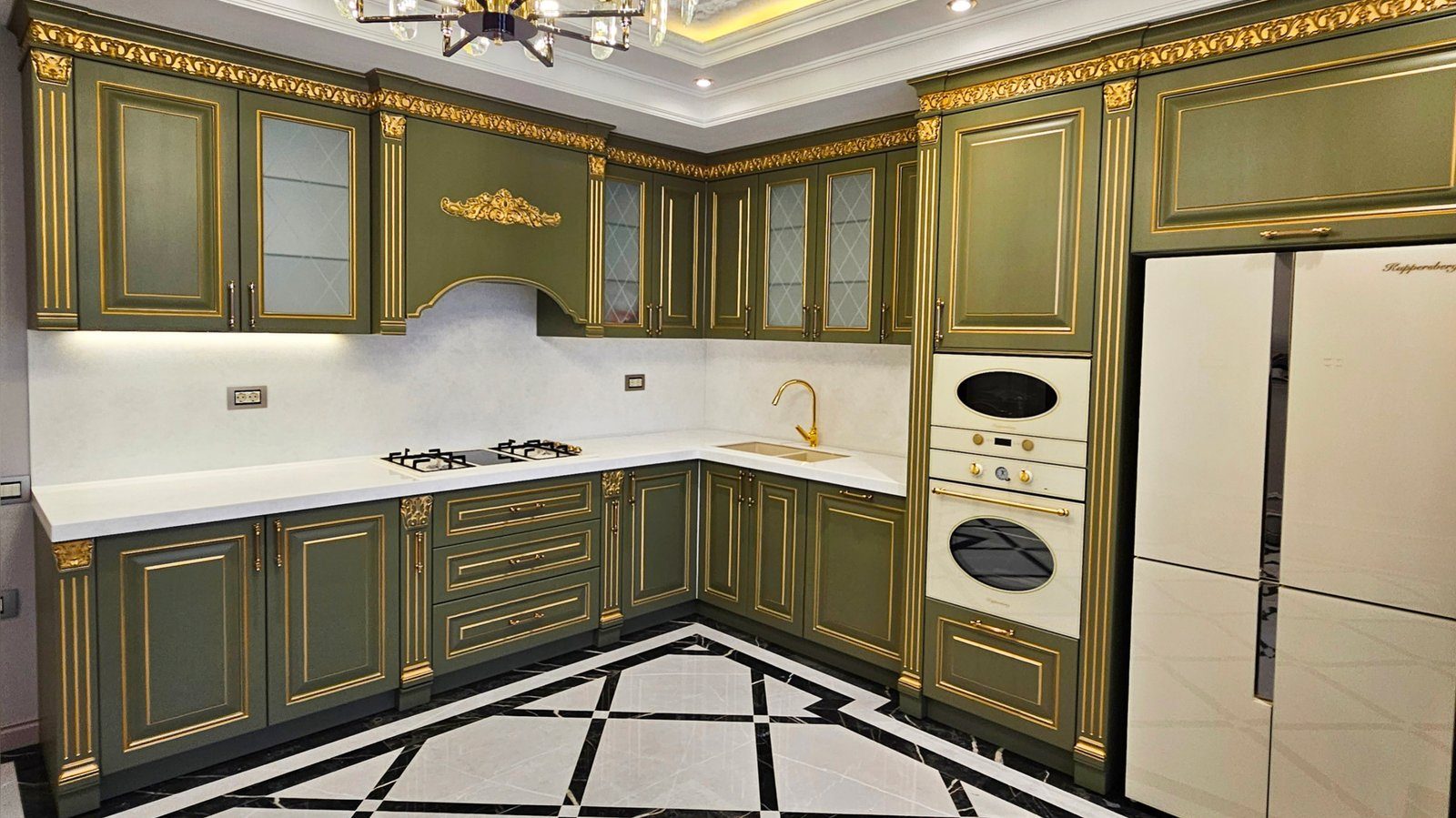

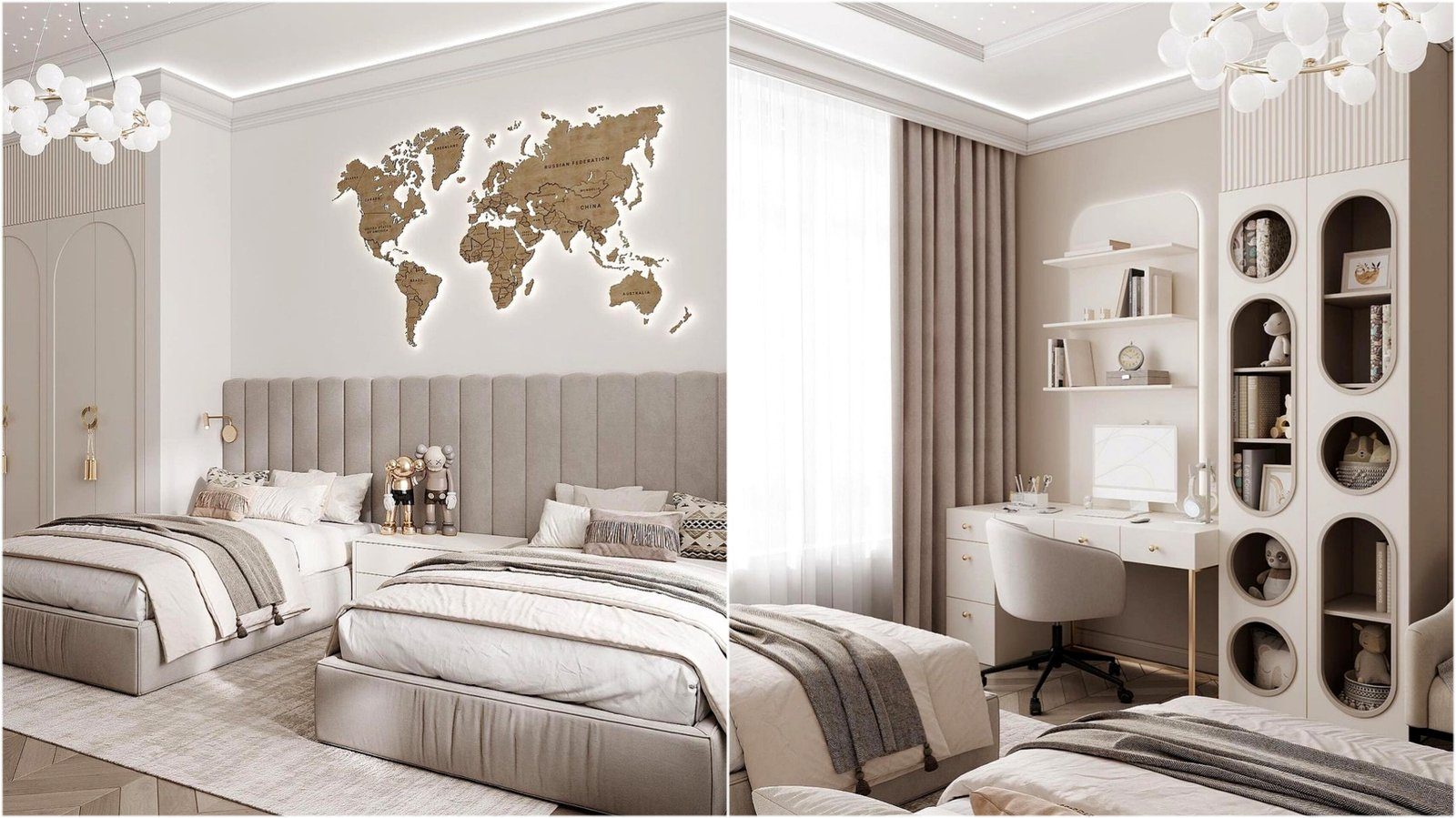
"I want it warm, but not too classic" — everyone reads that sentence differently. One of the hardest parts of ordering furniture is conveying the picture in your head to someone else. A mood board solves this by moving the conversation from words to images. A well-assembled board shows a designer the style, colours and atmosphere at a glance.
What a mood board is and why it helps
A mood board is a visual collection of interior photos, material samples, colours and details you like, gathered in one place. It is not a finished design but a direction. Its value shows up in three ways:
- you see your own taste more clearly, because images that sit well together reveal recurring themes;
- disagreements between family members become visible early;
- the conversation with a designer moves from vague questions to concrete statements such as "like this photo, but in a lighter colour".
Where and how to collect images
Interior magazines, design websites, interior accounts on social media and furniture makers' catalogues are all good sources. Dedicated apps make it easy to create separate boards, but a simple folder or a single document works just as well.
A two-stage approach helps. For a week or two, save everything you like without overthinking. Then go back and ask one question about each image: what exactly do I like here? Often it is not the whole room but a cabinet handle, a wall colour or the way light falls. Writing that down as a short note next to the image is extremely useful.
What to include
A useful mood board is not just a set of beautiful rooms. It helps to split it into groups:
- Overall atmosphere. Three to five photos that capture the feeling of the room.
- Furniture forms. Door styles, leg shapes, fronts with or without handles, open and closed storage.
- Materials and textures. Wood grain, matt or gloss finishes, stone, metal, fabric.
- Colour palette. Main, supporting and accent colours.
- Functional details. Drawer inserts, lighting, internal wardrobe organisation.
Add elements of the existing interior too: flooring that will stay, a sofa or curtains that will not change. The new furniture will have to live with them.
Spotting and sorting out contradictions
Looking at all the images together often reveals contradictions: one photo is minimalist and white, another full of dark wood and decoration. That is normal, but a choice has to be made before ordering. A simple method is to split the images into two or three groups and name each one, for example "light and calm", "warm wood", "high contrast". Then think about which group suits the way you live.
Practical questions help here. With small children or pets at home, dark high-gloss fronts will need a lot of upkeep. In a north-facing room, cool grey tones will look even colder. A mood board is a place to dream, but the final choice has to be checked against everyday life.
From images to real materials
Colour on a screen differs from the real material: lighting, the camera and display settings all change it. So colours and textures from the mood board must later be checked against physical samples. Board and laminate manufacturers such as Egger and Kronopol give their decors names and codes, and choosing the option closest to a photo is far more reliable when done with a sample in hand.
A physical mood board is useful too. Lay out the laminate, fabric and handle samples you have chosen side by side on a piece of card and look at them in the room itself, in daylight and in the evening. Two decors that seem to match on screen can clash in real light or, conversely, look so similar that they blur into each other. Adding a small piece of the flooring and a patch of the wall paint makes the whole picture clearer.
If you are ordering furniture for several rooms, give each room its own board but keep the overall palette of the home on one page. That prevents abrupt transitions from one room to the next.
When you present the board to a designer, show your notes as well. A sentence such as "only the shelf rhythm from this photo" prevents the designer from drawing the wrong conclusion. It is also helpful to include examples you dislike: "I don't want this" is sometimes more precise than "I want this".
Zaferoglu Mebel makes furniture to individual designs. Arriving with a mood board helps clarify the style quickly at the first meeting and then translate it into specific materials and dimensions.