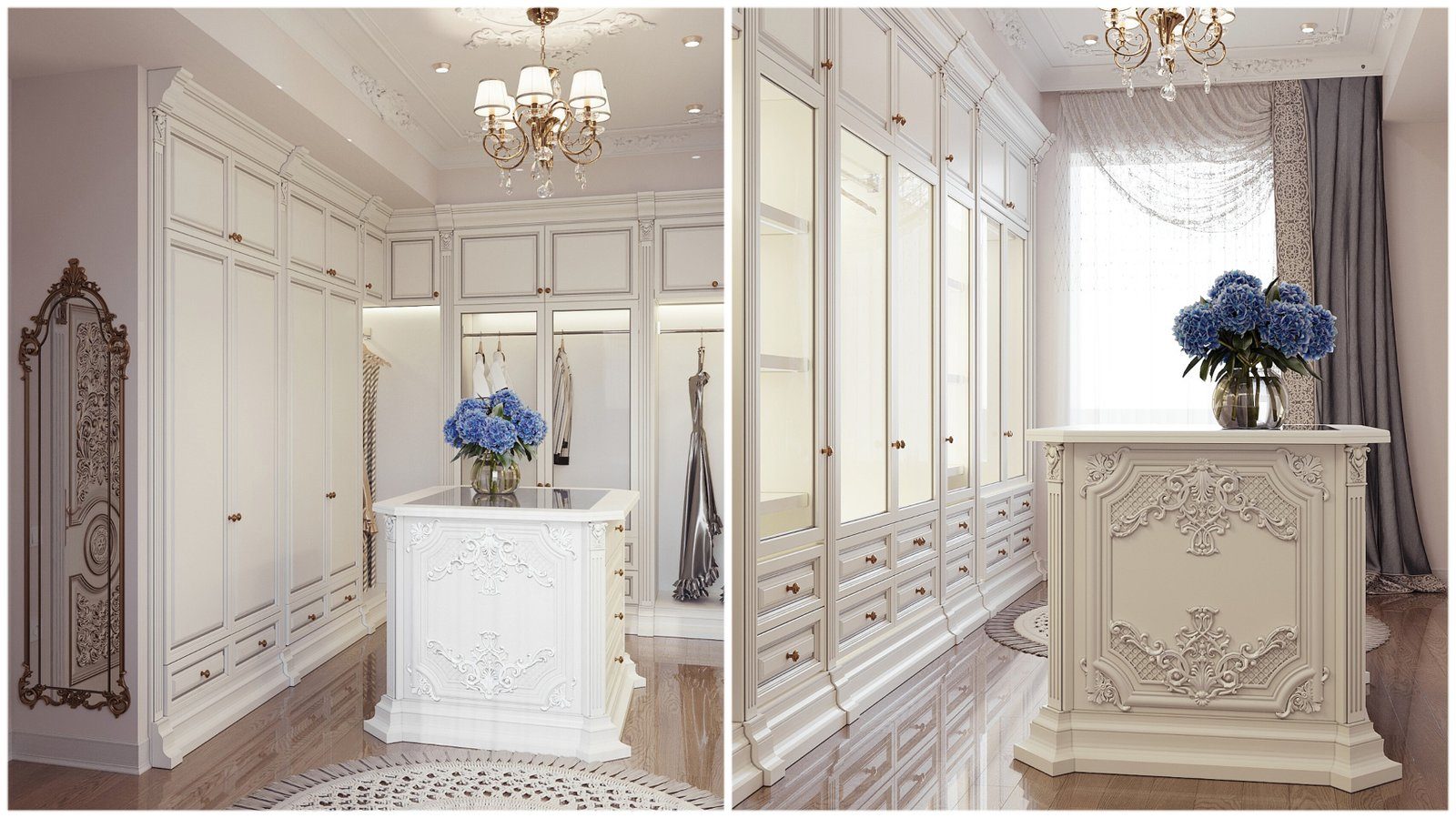

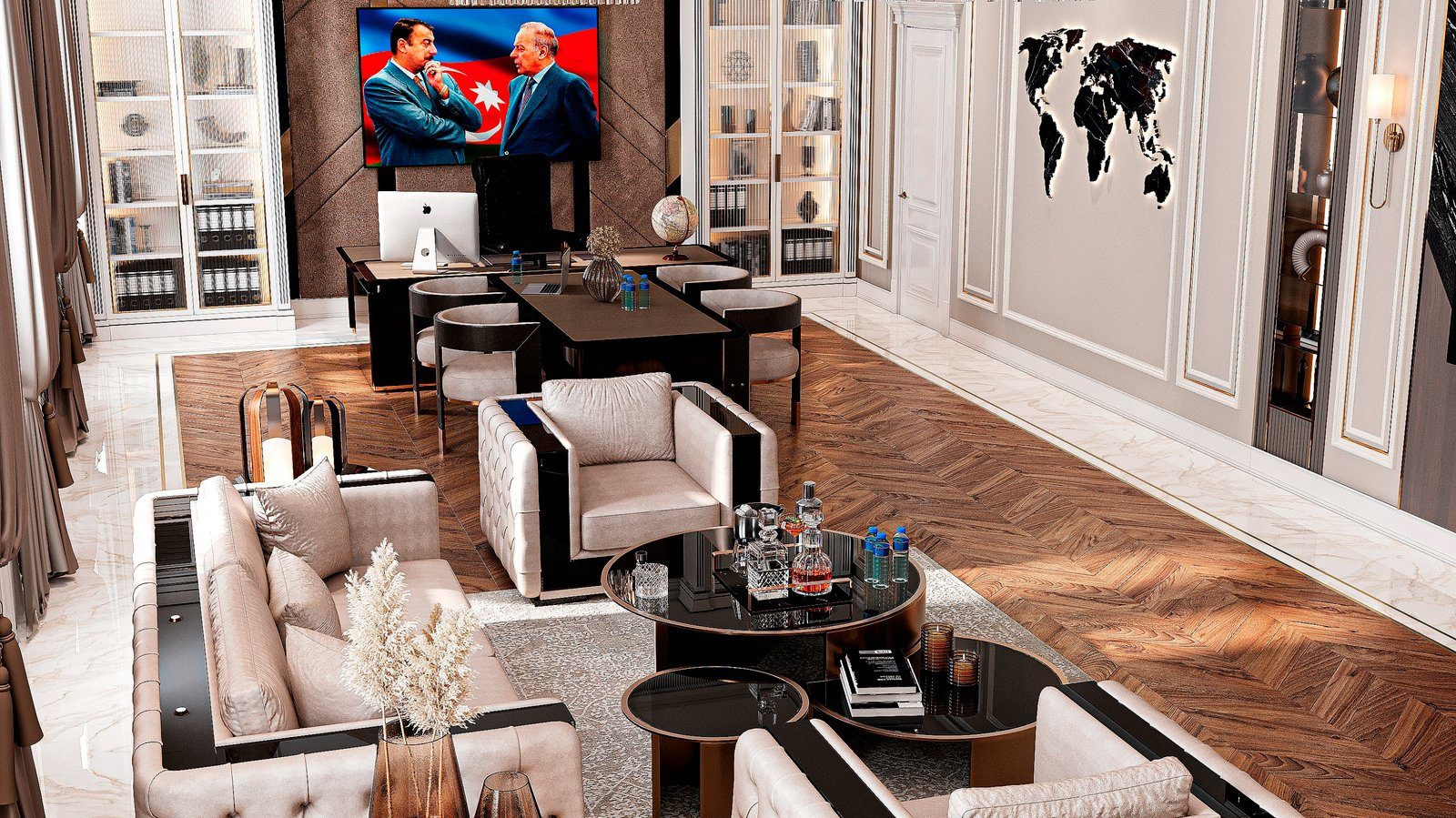
The geometry of shebeke lattice windows, the repeating pattern of a carpet border, the familiar shape of the buta: for many people these motifs are close to home and full of meaning in Azerbaijani interiors. Wanting to bring them into a home or office is natural. The difficulty is that national motifs often look either heavy like a museum piece or cheap like a souvenir shop. The secret to keeping them alive in contemporary furniture is not to copy them but to simplify them and translate them into the language of a new material.
Choosing and simplifying the motif
Traditional patterns are highly detailed. A carpet ornament may have dozens of colours and small elements, and shebeke is assembled from thousands of small wooden pieces. Reproducing that detail exactly in furniture is technically difficult and visually tiring.
A contemporary approach takes the motif's underlying geometry: the star or diamond structure of shebeke, the rhythm of a carpet border, the outline of the buta. That core line is kept in a simple, clean form. The shebeke motif, for example, can be routed as a shallow pattern on a front or laser-cut into a metal panel. The motif remains recognisable but sits lightly in the interior.
Where to apply it
Where the motif appears on furniture determines its effect. Applied to every surface, it loses its impact and overloads the space. One or two focal points give a better result:
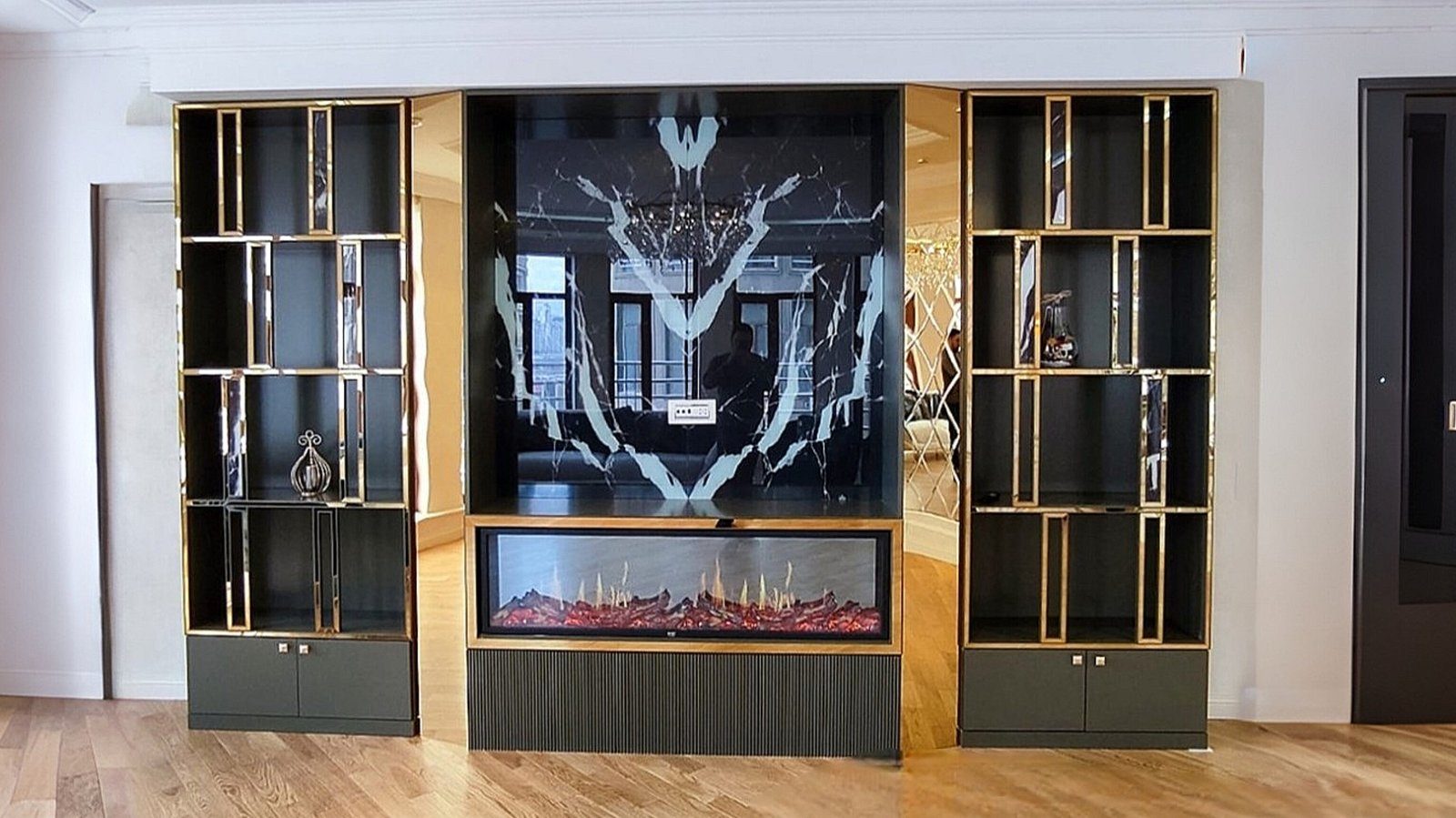
- Front panels: a routed pattern on one or two doors of a TV unit or sideboard.
- Partitions and screens: a cut panel inspired by shebeke lets light through and divides the space.
- Reception desks: in an office, a national motif on the front panel subtly signals the company's local identity.
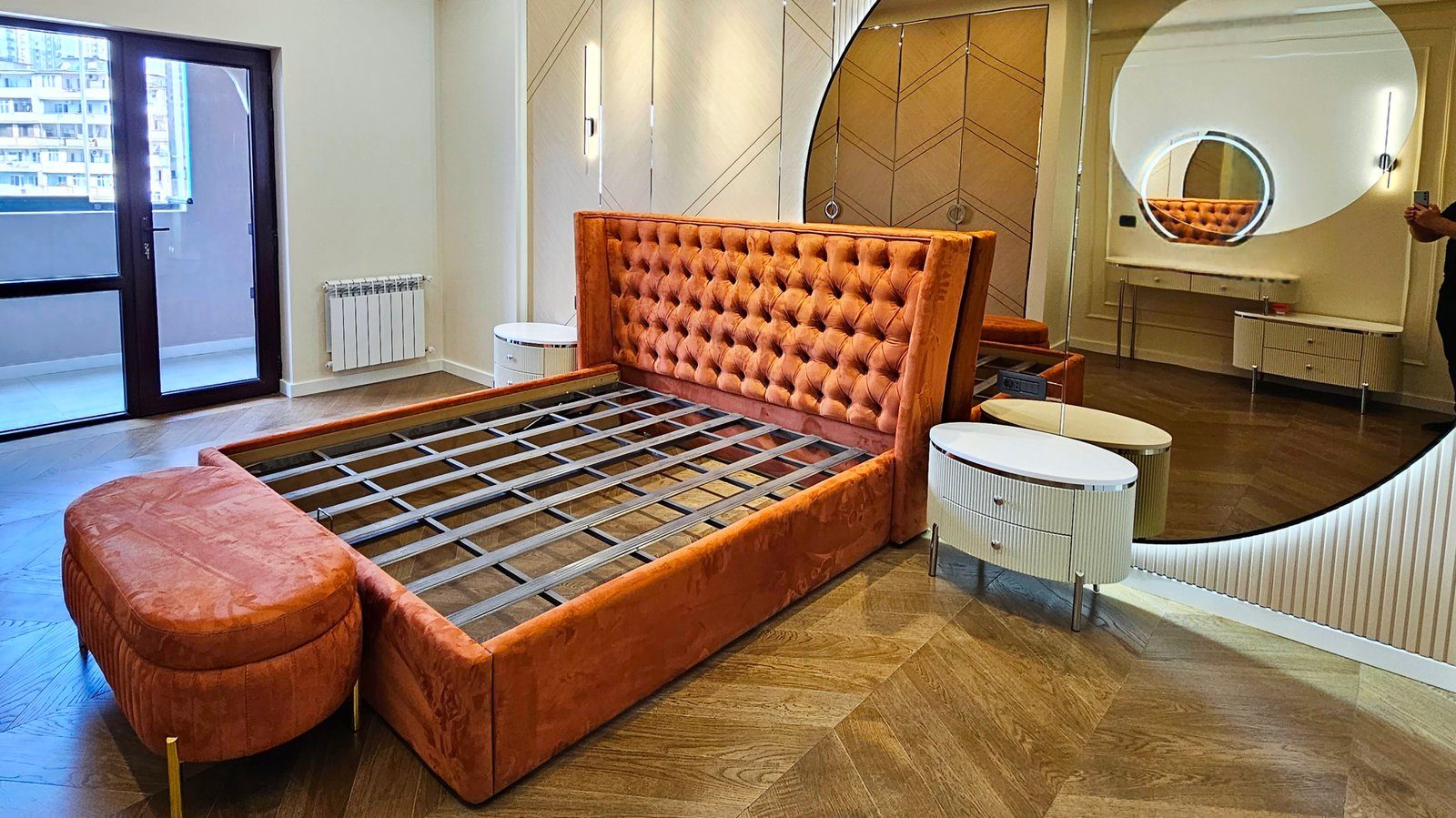
- Headboards: on an upholstered panel through stitching or patterned fabric.
- Small details: handle shapes, a patterned metal strip along a shelf edge.
In offices, hotels and food service venues, national motifs are especially valuable, because they remind guests where they are and what culture the space represents.
Material and technique
The same motif looks completely different in different materials. A pattern routed into wood feels warm and traditional. A pattern routed into MDF and painted a single colour looks more contemporary through the play of light and shadow. A laser-cut metal panel feels precise, graphic and cool. A pattern woven into or printed on fabric is the softest option.
Backlighting greatly increases a motif's impact. LED light behind a cut panel casts patterned shadows on the wall in the evening, recalling the atmosphere of a shebeke window. For such designs, enough space for lighting must be planned behind the panel.
Colour palette
Traditional carpets are dominated by deep red, blue, gold and dark green. Using all of that palette together is hard in a contemporary interior. There are several routes:
- Monochrome: the motif is the same colour as the front and shows only through relief. This is the calmest and most timeless option.
- One accent colour: a single colour taken from a carpet, such as deep red or turquoise, on a neutral background.
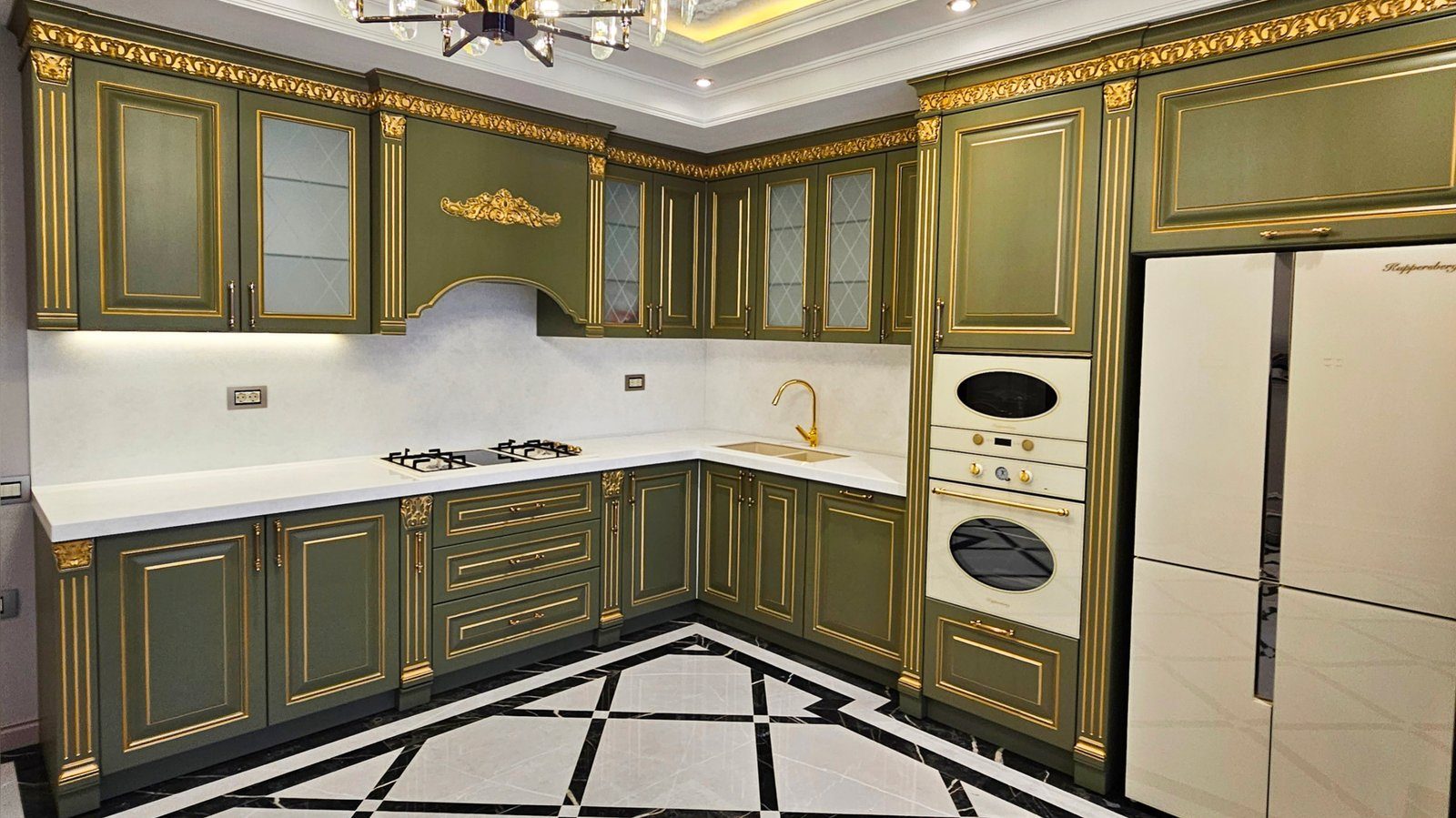
- Metal tone: gold or bronze gives the motif a festive but restrained look.
Dose and balance
A space full of national motifs quickly becomes tiring and feels like a themed restaurant. The general rule is simple: one main motif and one material per room. The rest of the furniture stays simple and clean-lined so the motif has room to breathe. The motif's scale should also suit the space: a large pattern feels heavy in a small room, while a fine one disappears in a large hall.
The cultural accuracy of a motif deserves attention too. If you draw on an ornament from a particular carpet school, learning its meaning and origin adds depth to the design.
A planning checklist
- Which motif is chosen, and is a simplified sketch ready?
- On how many surfaces will it be repeated?
- Which material and technique will be used: routing, laser cutting, fabric?
- Is backlighting planned?
- Is the palette monochrome or with an accent?
Zaferoğlu Mebel makes furniture with individual design for homes, offices and food service venues. If you are considering a front, panel or reception desk with a national motif, the pattern sketch, material and placement can be discussed together at the design stage.