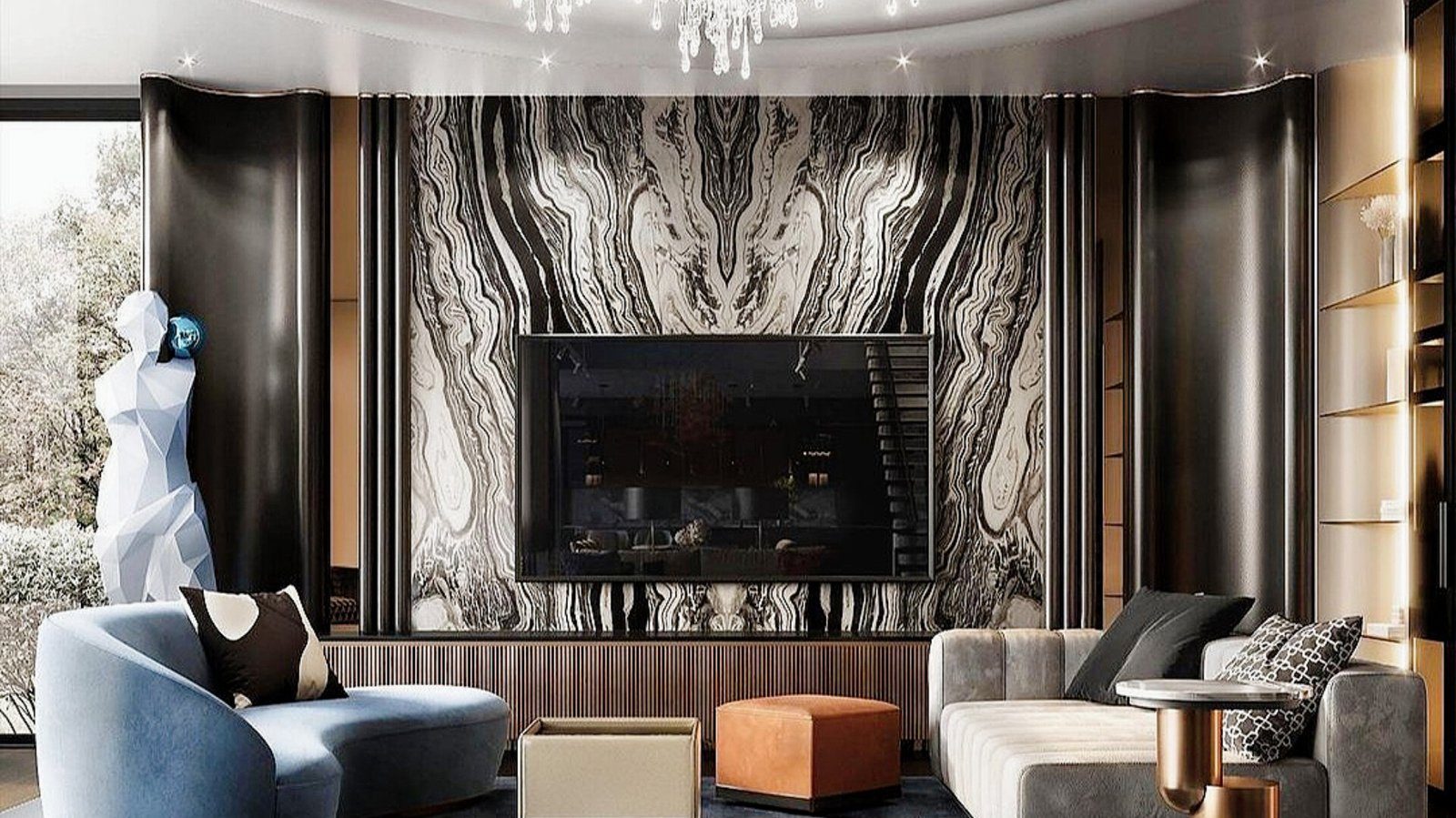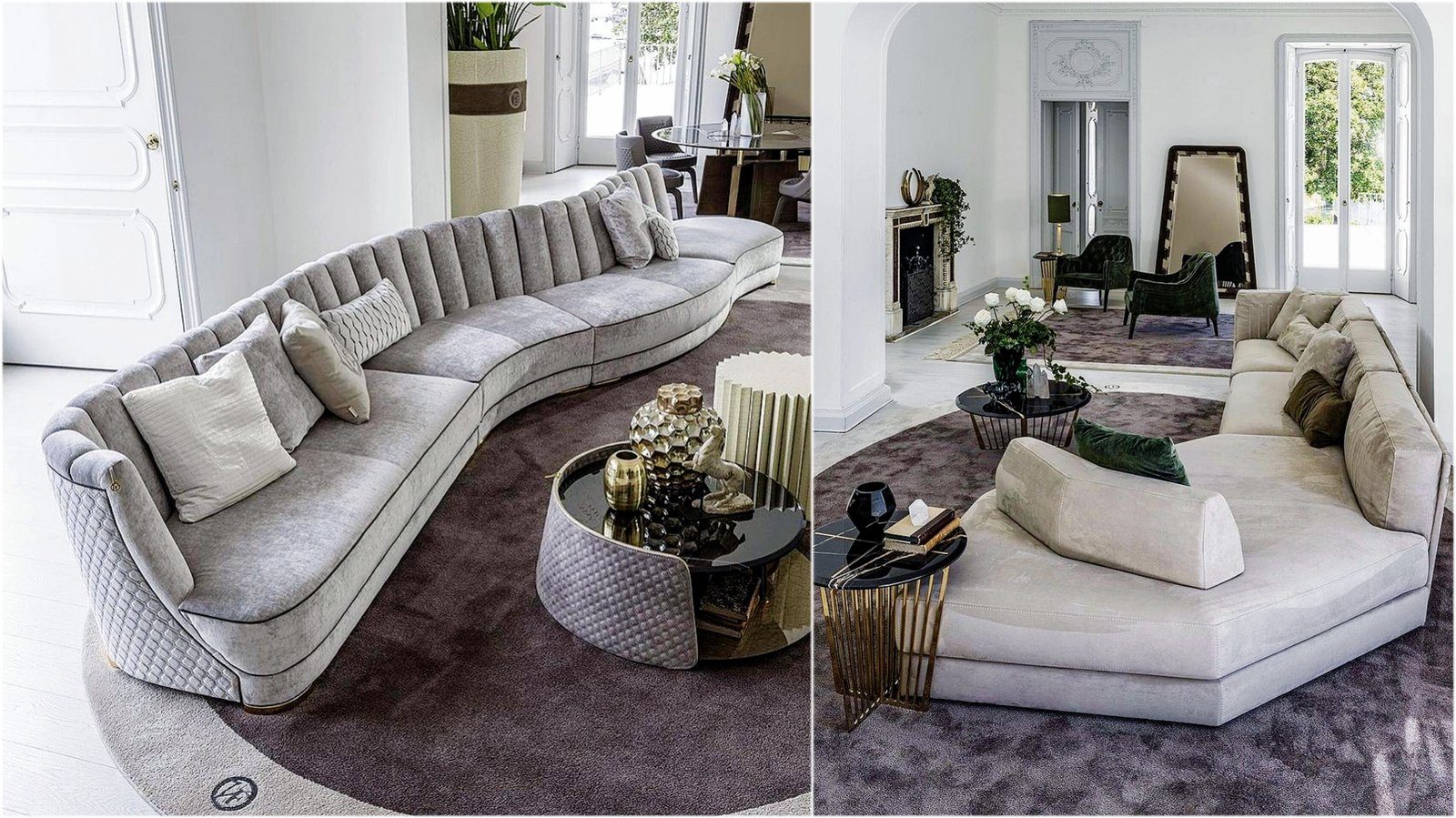

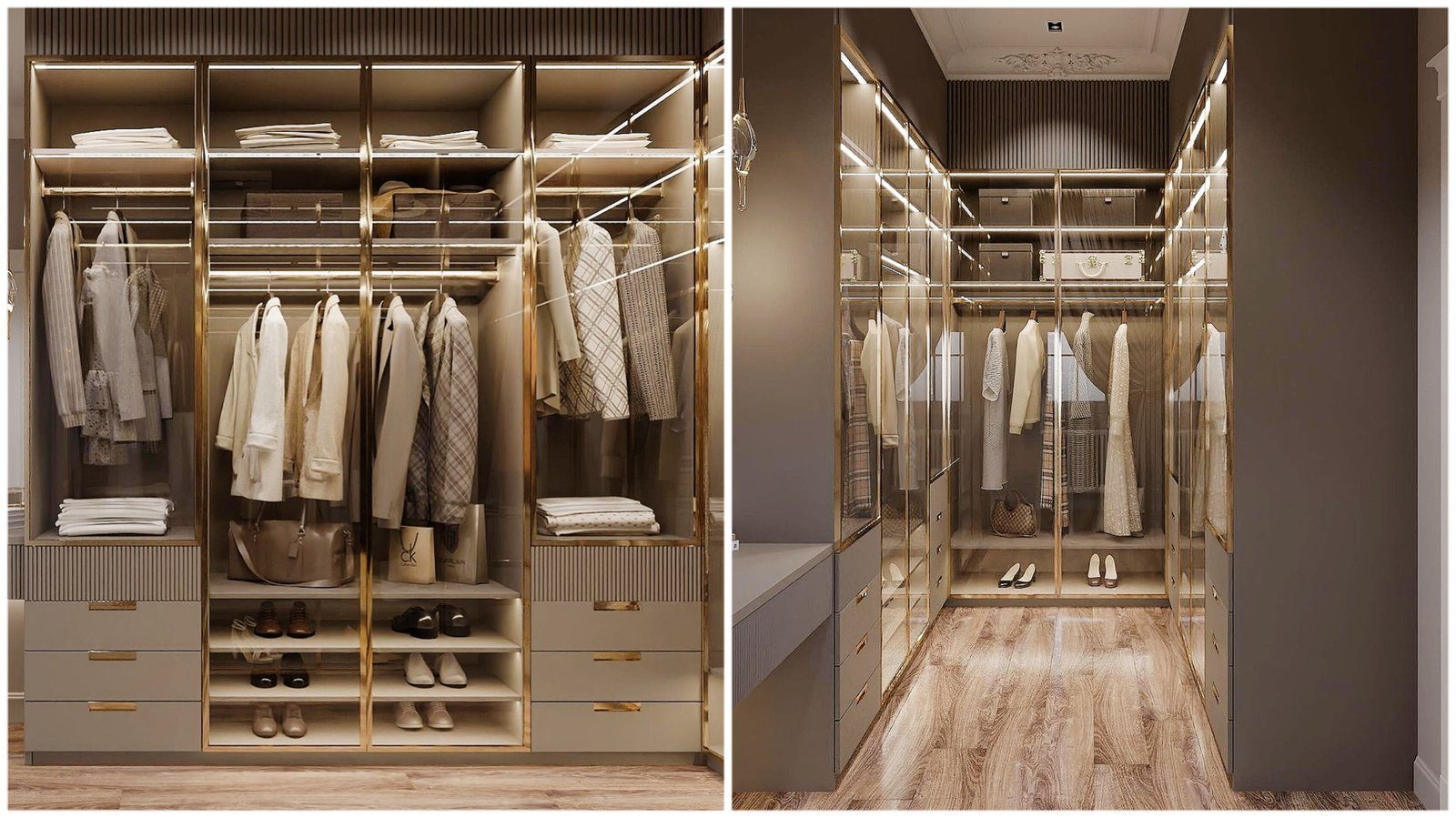
Photos of minimalist interiors usually show rooms that are almost empty: a sofa, a table, smooth fronts. A real home has clothes, paperwork, a vacuum cleaner, toys and seasonal things. Minimalist furniture does not make these disappear; it gives them a place where they stay out of sight yet come to hand in a single movement. In other words, a carefully calculated storage system sits behind the calm appearance.
Inventory first, design second
A minimalist furniture project starts with a list rather than a colour. Note what will be stored, room by room: how many pairs of shoes, how many metres of hanging clothes, how many boxes of documents, which bulky items such as suitcases, an ironing board or a vacuum cleaner. Without this list you cannot plan the interior behind smooth fronts properly, and some belongings end up out in the open again.
The list is also a good chance to let go of things. Minimalism increases storage space, but first it reduces what needs storing. When both steps work together, the result stays tidy for a long time.
Floor to ceiling, wall to wall
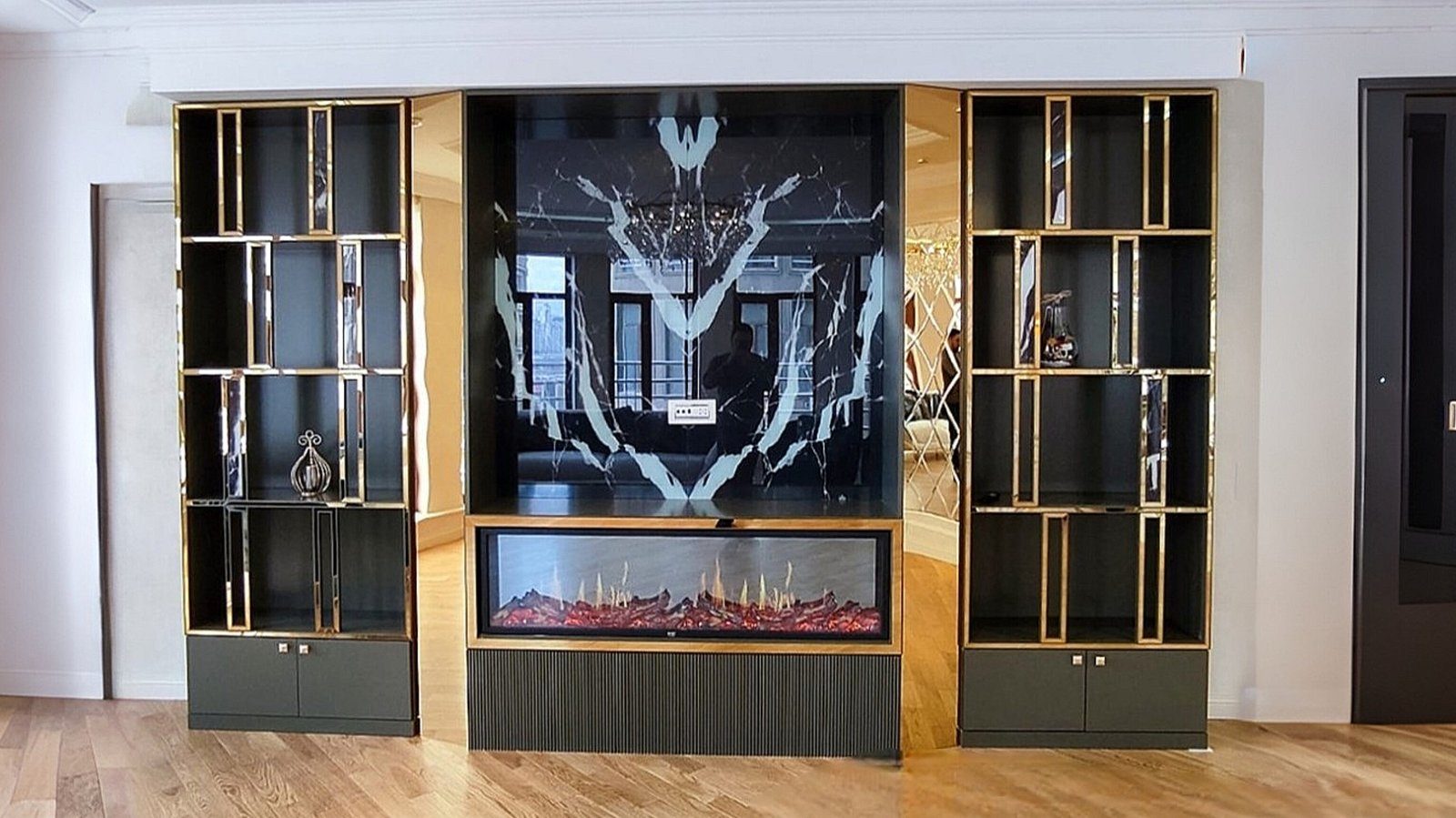
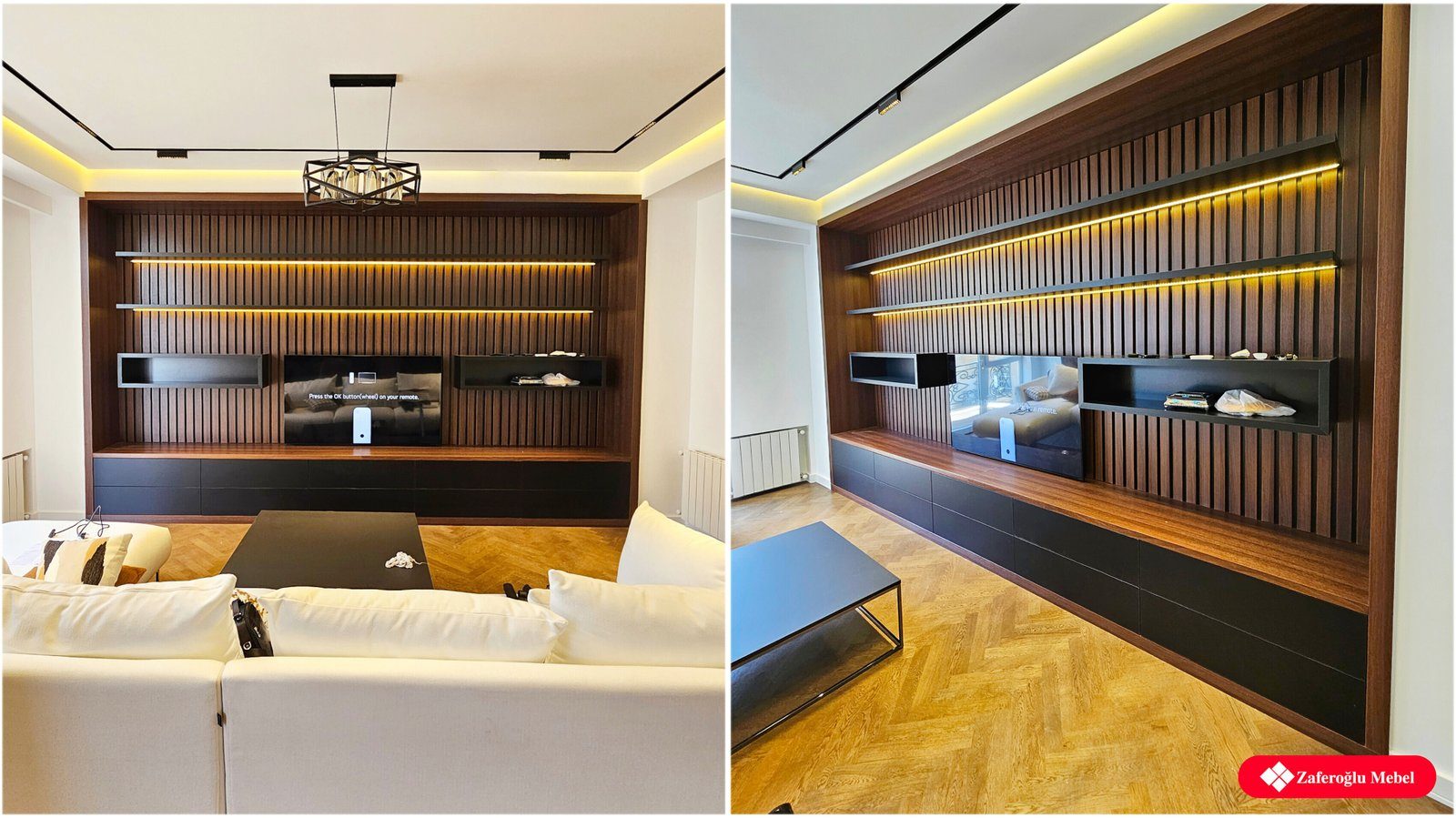
In a minimalist interior it makes more sense to build a single storage wall than several separate cabinets. Units that reach the ceiling leave no dust-collecting gap on top and merge with the wall, reading as part of the architecture. Upper sections hold rarely used items; lower and middle sections hold everyday things.
Niches behind doors, window seats with storage underneath and shallow cabinets set into the depth of a corridor are further hidden options. These spots often stay empty, yet they can hold a great deal invisibly.
Open versus closed shelving
Fully closed fronts can make a wall monotonous, while lots of open shelving creates the visual noise that minimalism tries to avoid. A practical approach is to keep most storage closed and reserve the open part for a few chosen objects. Open shelves hold things used every day that deserve to be seen; everything else goes behind fronts.
Placing open shelves rhythmically between closed units lightens the wall and avoids a heavy block effect.
Front rhythm and number of details
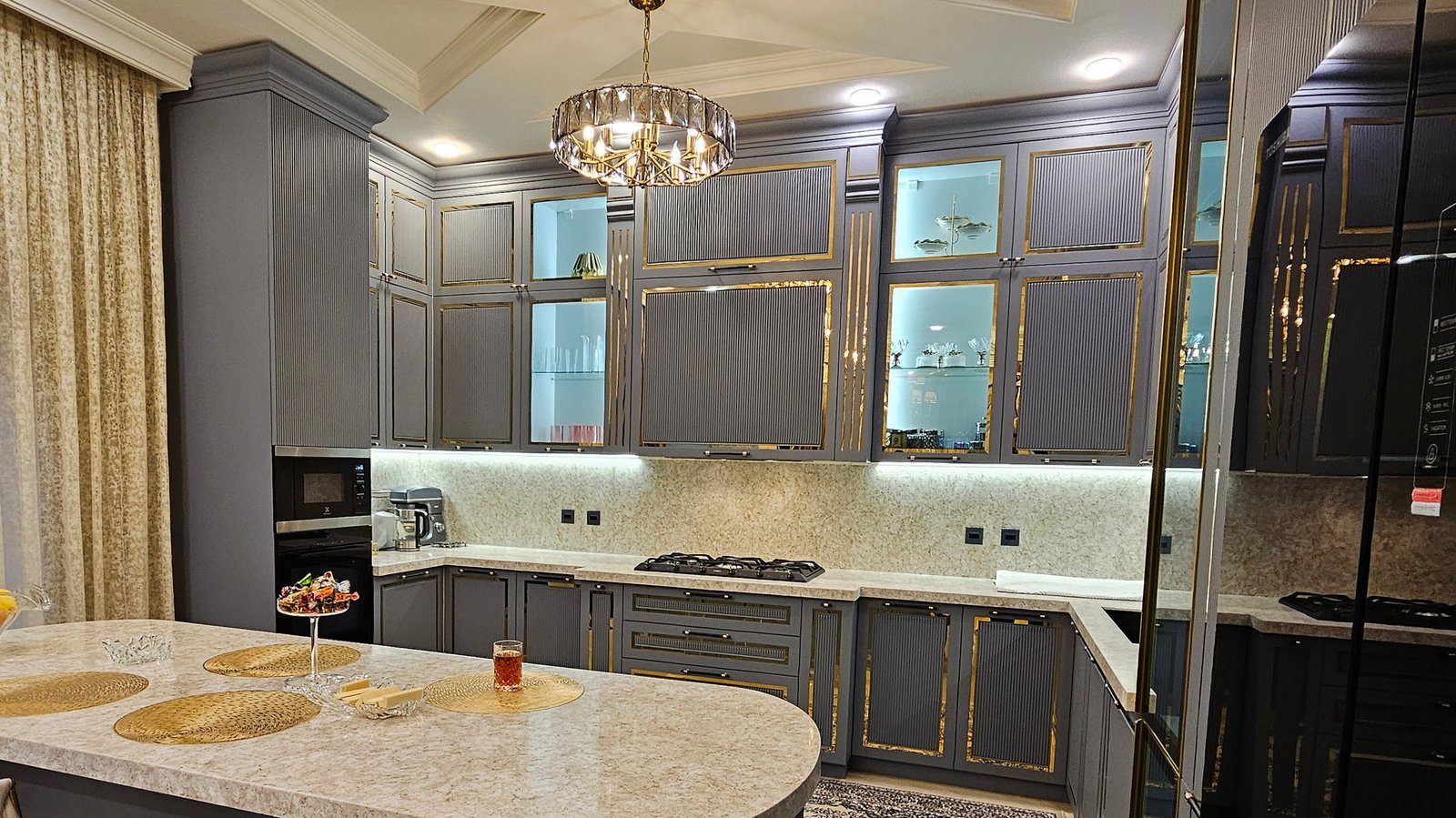
In minimalist furniture every detail shows, so the number of details is reduced. Gaps between fronts must be even and straight, because one crooked line spoils the whole wall. Front widths are divided into as regular a rhythm as possible; doors of different widths stand out immediately on a smooth surface.
Handleless opening, edge banding in the same colour as the fronts and concealed hinges complete the clean look. Still, the opening method should be chosen with ease of use in mind: a drawer opened many times a day and a top compartment opened once a year do not need the same solution.
Materials and colour palette
With fewer materials in minimalist furniture, the quality of each one is felt more. Usually one, at most two, main materials and one or two colours are chosen: for example, matt white fronts with a single natural wood-grain accent. A mix of many decors instantly breaks the calm.
Fingerprints show less on matt than on gloss, which is important for handleless doors pushed open by hand. Fronts close to the wall colour make a unit feel less bulky, and a wood grain brings warmth so the room does not tip into clinical. To decide, set the samples next to each other in the daylight and lamplight of the actual room.
Inner organisation
Order behind the fronts is the invisible but most important part of minimalism. If the inside is chaotic, things soon spill back out. Useful elements include:
- dividers and boxes for drawers;
- narrow vertical compartments for pan lids, trays and the ironing board;
- pull-out shelves for shoes and bags;
- hanging zones in the wardrobe divided by height;
- a compartment with a power socket for the vacuum cleaner, chargers and router.
When these are considered at the design stage they take no extra space; added later, they often do not fit.
Zaferoglu Mebel makes furniture to individual dimensions, which allows storage walls to be planned around the real size of the room and the list of things to be stored. Preparing that list before the project starts speeds the work up considerably.