
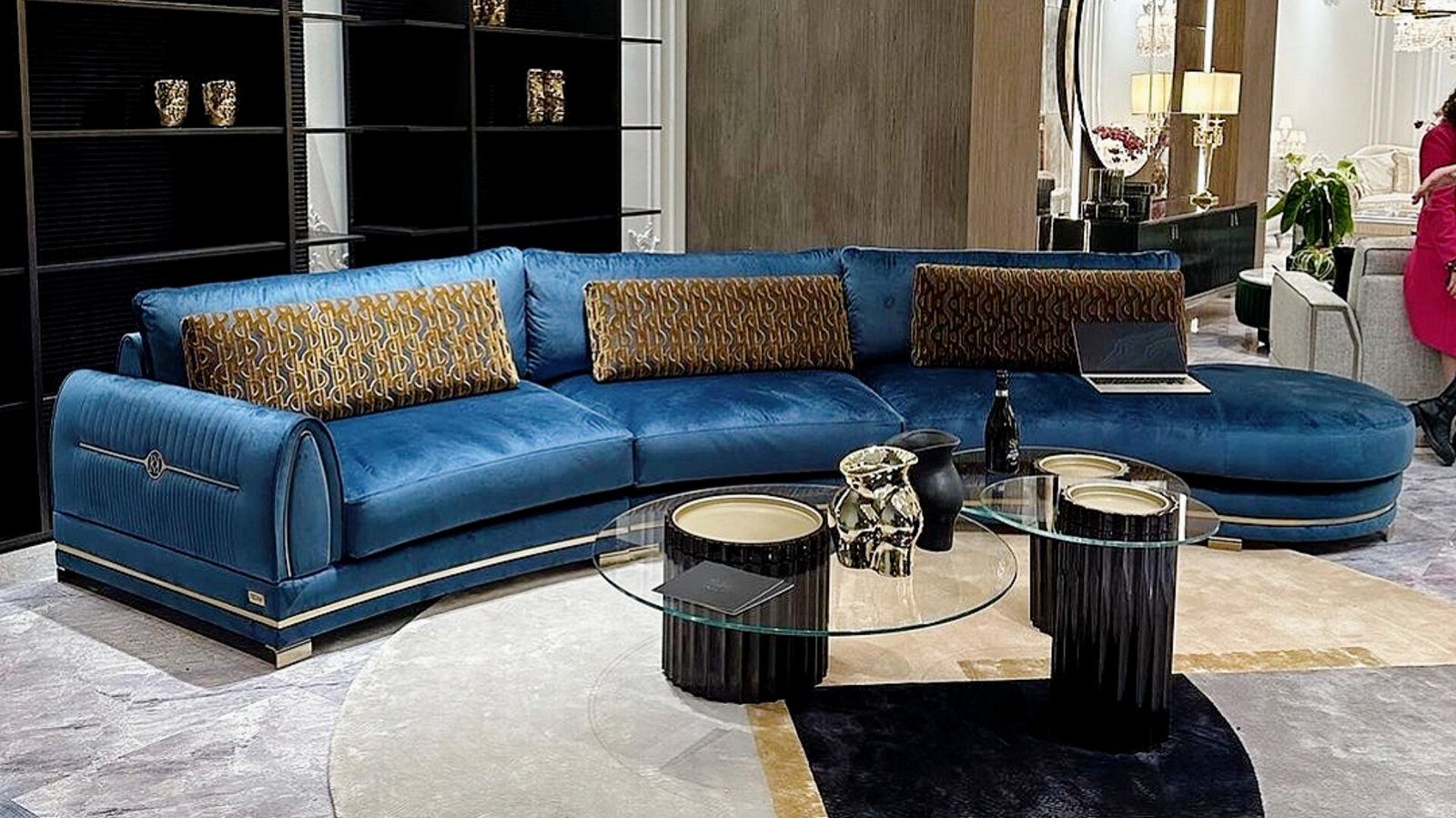
Velvet looks wonderful in the shop, soft in the light and shifting shade under your palm. Then, a few weeks after it arrives, owners often get anxious: the seats show pale and dark areas and some patches seem permanently crushed. This is nearly always how pile fabric naturally behaves rather than a fault, and knowing that takes much of the worry out of caring for it.
Velvet and velour: what is the difference
Both fabrics have a dense, short pile on the face, but they are made differently. Velvet is woven: the pile is anchored in the base weave, so the surface looks tighter and more lustrous. Velour usually has a knitted base; it is softer and stretchier, with a slightly longer, looser pile. Most velvets and velours used on furniture today are polyester-based, although cotton and viscose blends exist too.
Composition determines care. Polyester velvet copes relatively well with water and stains, while cotton and viscose blends can be left with a ring-shaped mark once a drop of water dries. Keep the fabric label or catalogue information and find out which cleaning method is allowed before the first spill happens.
Why pile direction matters
The pile leans one way. When your hand moves with it, the surface looks smooth and lighter; against it, the pile lifts and the colour looks darker. The different shades on the seats come from exactly this: body weight presses the pile in various directions and each area reflects light differently.
This effect is part of the fabric and cannot be removed entirely, but it can be managed:
- Turn and swap cushions regularly so the load does not always fall on the same spot.
- Always finish brushing in the natural direction of the pile.
- In the first weeks, before treating a shade difference as a fault, even out the surface with a soft brush and see how it looks.
Weekly care
A pile fabric holds dust and pet hair between the fibres rather than on top. Vacuuming once a week with the soft upholstery nozzle on low power is enough. Strong suction can bend the pile and leave uneven tracks, and a hard nozzle scratches the surface.
After vacuuming, a light pass with a soft clothes brush in the direction of the pile evens things out. For pet hair, a rubber glove or rubber brush works well: slightly damp rubber gathers the hair without harming the fabric. Lint rollers can be used too, but very sticky tape can pull fibres out of a loosely piled velour.
When something is spilled
The first rule is not to rub. Blot liquid with a clean, white, dry cloth. Rubbing crushes the pile, spreads the stain and leaves a shiny patch. Lift solid residue first with a blunt spoon or a card.
What comes next depends on the label. If water-based cleaning is permitted, press a cloth dampened with a little lukewarm water and mild soap onto the stain, working from the edge towards the centre. Remove soap residue with a clean damp cloth, blot dry and let the area dry naturally. A hairdryer, radiator or direct sunlight is not suitable for drying.
Test every new product on a hidden spot first, such as the back of the sofa or under a seat cushion. Cleaners containing bleach or strong solvents can change both colour and pile structure. For old, spread or unknown stains, a professional upholstery cleaner is the safer option.
Reviving crushed pile and protecting the fabric
Pile can flatten where a heavy item or cushion has sat for a long time. Brushing the tufts gently against the grain with a soft brush, then smoothing them back the right way, is often enough. If the care label permits, a handheld steamer held a few centimetres off the fabric can also raise the pile without touching it. An iron should never be pressed onto velvet, as it crushes the pile for good and leaves a glossy patch.
A few habits help in the long run:
- Keep the sofa out of direct sunlight or use curtains; dark velvet in particular fades quickly.
- Dye from new dark jeans can transfer to light velour, so take care with unwashed clothes on a pale sofa.
- Belt buckles, metal buttons and pet claws pull out fibres; a protective throw helps where that risk exists.
- Keep the manufacturer's care instructions together with your order documents.
When ordering a velvet or velour sofa from Zaferoglu Mebel, asking about the fibre content and the cleaning method on the label tells you up front what looking after it will take.