
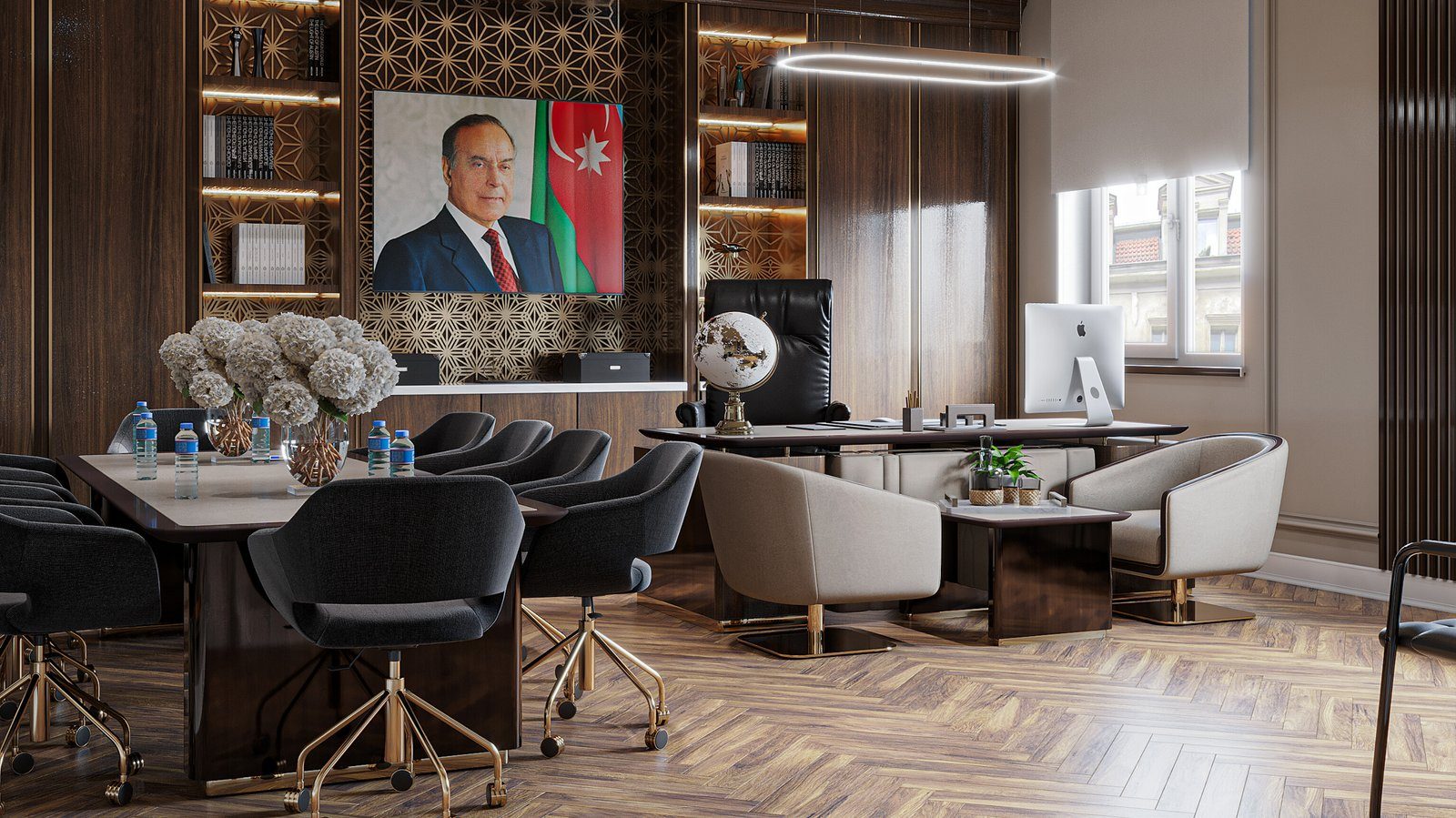
Leather armchairs and sofas are seen as long-lasting, representative furniture at home and in offices alike. But leather is a natural material: it loses moisture, changes colour in the sun and absorbs oils and sweat. Without proper care, cracks, shiny worn patches and darkened areas appear over the years. The good news is that care is not difficult; it simply needs to be regular and done with the right products.
First, identify the leather type
Not all leather is cleaned the same way. Three types are common in furniture:
- Aniline leather is coloured only with dye and has no protective coating. It is very soft and natural-looking, but absorbs stains and liquids quickly.
- Semi-aniline leather has a thin protective coat. It keeps a natural look and resists stains better.
- Pigmented, or protected, leather carries a coloured protective layer on the surface. It is the most practical type and is widespread in office and heavily used furniture.
A simple test: put a drop of water on a hidden area. If it soaks in within a few seconds and darkens the leather, it is aniline or close to it; if the drop sits on the surface, there is a protective finish. Confirming the leather type from the furniture documents or the manufacturer is more reliable.
Routine care
Dust is one of leather's main enemies: fine particles polish the surface where people sit. Wiping once a week with a dry, soft microfibre cloth and cleaning dust out of the seams with a soft brush vacuum attachment is enough.
Every few weeks the surface can be wiped with a well wrung, barely damp cloth. The leather must not get wet. Afterwards, dry the surface with a dry cloth.
Dealing with stains
- Blot spilt liquid immediately with a dry cloth, pressing rather than rubbing. Rubbing spreads the liquid further into the leather.
- Do not try to remove a grease stain with water. On protected leather a cleaner made for leather is safer; on aniline leather, professional advice is the safer route.
- Alcohol and acetone on pen, marker or paint marks can strip the dye and finish along with the stain.
- Always test any new product on an unseen area first, such as under the seat cushion.
In general, household cleaners, soap, wet wipes, glass cleaner and bleach are not suitable for leather. The alkalis and alcohol they contain strip the leather's natural oils.
Conditioning: why and how often
Natural leather gradually loses its oils, stiffens and starts to crack where it flexes. A conditioner or balm made for leather slows this process. A few applications a year are usually enough; in dry air, during the heating season or in a sunny room it may be needed more often.
The method is simple: clean the surface first, put a small amount of conditioner on a soft cloth, spread it in circular movements, and wipe off the excess once it has absorbed. Too much conditioner leaves a sticky film that attracts dust.
Sun, heat and placement
Strong sun bleaches leather and dries it out faster. Radiators, heaters and the airflow from an air conditioner do the same. Set leather pieces some distance from any heat source and shade a sunny window with curtains or blinds.
Metal zips, belt buckles and pets' claws leave scratches in leather. Light surface scratches on aniline and semi-aniline leather often fade when gently rubbed with a finger or treated with conditioner.
In an office, a leather chair is used for several hours a day, and the arms, headrest and front edge of the seat get dirty first. Oils from hands and hair gradually leave a dark, shiny band in these places. On such chairs it helps to wipe those zones with a damp cloth more often than the rest, for example weekly, and to apply conditioner there first.
Faux leather is different
Eco-leather and other faux leathers are textiles with a polyurethane or PVC coating. They do not need natural leather conditioner, and it does them no good. Care consists of a damp cloth and a mild neutral cleaner. On faux leather, too, sun and heat age the coating faster, and alcohol-based products can dry the surface.
Zaferoglu Mebel makes upholstered furniture for offices and homes to individual order. When the upholstery material is chosen, where and how intensively the furniture will be used is taken into account, which also determines in advance what its care will involve.