

Two kitchens made from the same materials by the same craftsmen can look completely different ten years on. In one, the doors still close evenly and the surfaces are clean; in the other, hinges are loose, the sink cabinet has swollen and drawers stick. Much of the difference comes down to daily habits. None of them requires special effort or expensive products; it is enough to know how furniture works and follow a few small rules.
Doors and drawers
Hinges and runners are the parts of furniture that move most, and their life depends heavily on how they are used. Slamming doors, leaning on an open door or hanging from it loosens hinge screws and warps the door. Even with a soft-close mechanism, forcing a door shut wears out its damper quickly.
With drawers, the key rule is load. Every runner is rated for a certain weight. Filling a narrow drawer with heavy pans and tins, or using an open drawer as a prop or step, bends the runners. Heavy items belong in wide, low drawers and lighter ones higher up. Closing drawers fully matters too: an accidental knock on a half-open drawer can damage its runners.
Water and heat in the kitchen
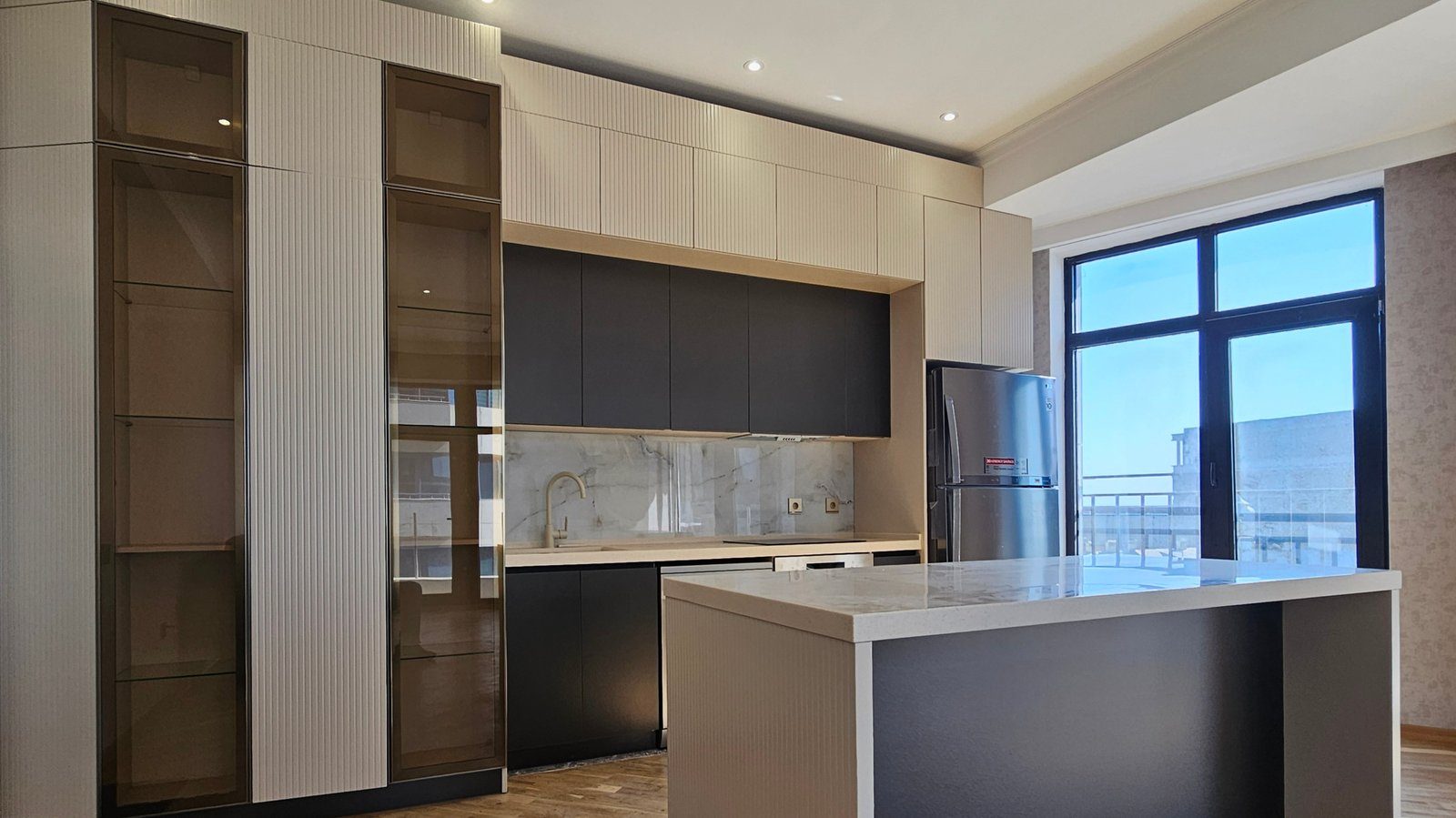
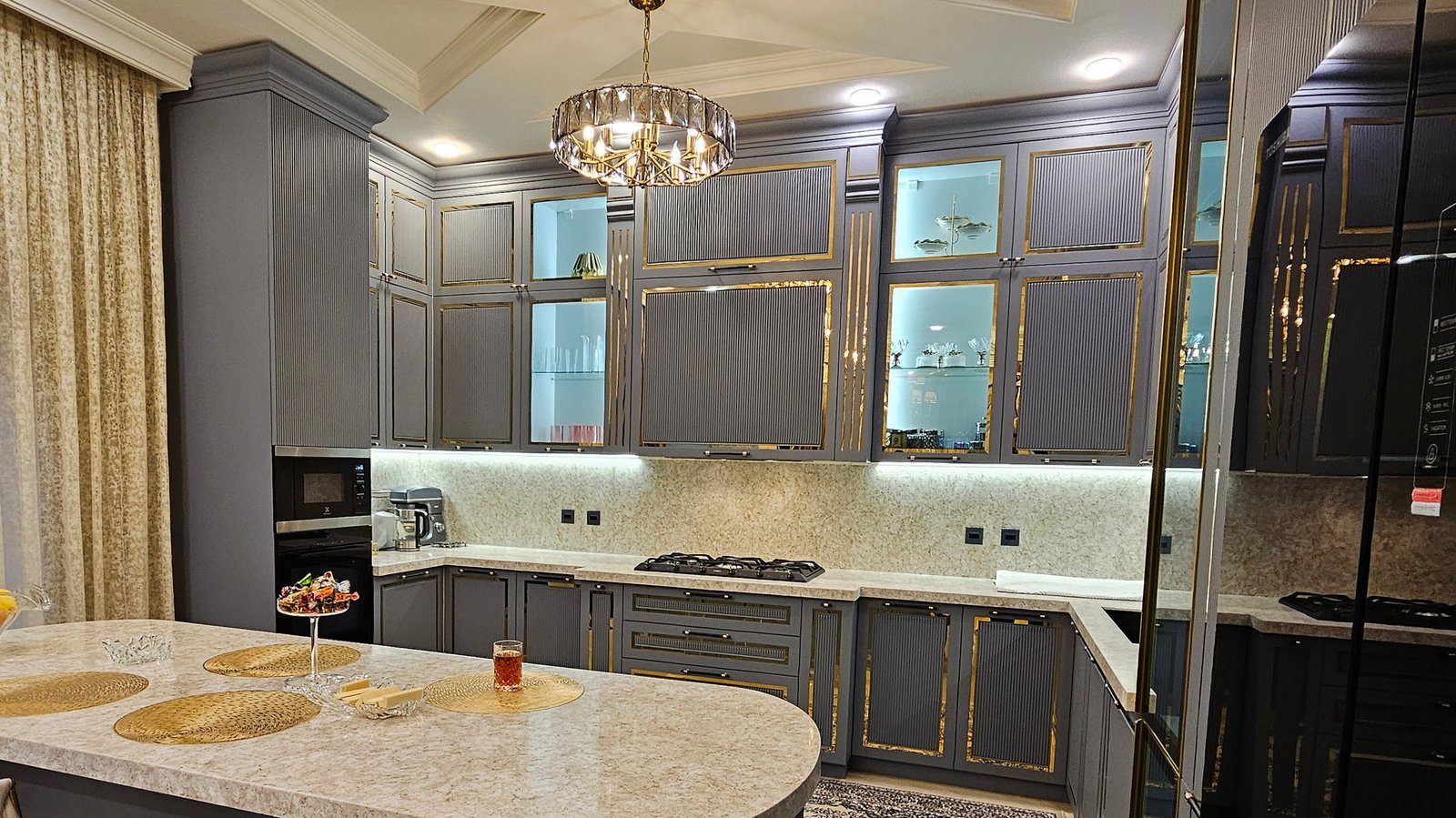
In a kitchen, water does the most harm. Mop up splashes on the worktop and doors at once, and never let water stand along joints or edging. A liner in the bottom of the sink unit and the odd look for drips under the trap stop damp from building up unnoticed.
Not putting hot pans directly on the worktop, not opening the dishwasher as soon as the programme ends, and not using the kettle under a wall cabinet are simple habits that protect surfaces and edges. Switching on the cooker hood while cooking protects not only the air but the fronts from grease and steam.
Wardrobes and walk-in closets
In a sliding-door wardrobe, clean tracks are essential for smooth movement. Hair, grit and small objects in the bottom track put strain on the wheels. Vacuuming the tracks regularly extends wheel life. It also matters to slide doors from the handle area with an even movement, not from one edge.
Overloading shelves and hanging rails leads to sagging over time. Hanging heavy winter coats near the supports rather than in the middle of the rail, and not storing heavy items such as books and documents on clothing shelves, prevents this. Opening the wardrobe from time to time to air it stops damp and smells building up.
Upholstered furniture
Sitting in the same spot on the sofa every day wears that seat cushion quickly. Swapping and turning removable cushions regularly keeps the filling working evenly. Sitting on the arm of a sofa puts a load on the arm frame it was not designed for, and jumping on the sofa damages the frame and springs.
Vacuuming now and then keeps grit from grinding into the weave. With a spill, dab rather than scrub, and try any cleaner out of sight before using it on the front.
Tables and surfaces
- Use coasters and mats under hot dishes and cups.
- Do not cut directly on the table; use a board.
- Do not drag furniture; lift it to move it, protecting both legs and joints.
- Stick felt pads under chair legs and renew them from time to time.
- Do not sit on the edge of the table: the top and its fixings are not designed for that load.
Environment: sun, heat and humidity
The environment furniture stands in quietly affects its life. Fronts and fabrics in direct sunlight fade, while furniture next to radiators and air conditioners dries out or faces temperature swings. Placing furniture a little away from heat sources and drawing curtains during the hottest hours reduces this. Air that is too dry or too humid at home is uncomfortable for furniture and people alike; moderate humidity keeps material movement to a minimum.
For cleaning, a soft cloth and neutral products are enough. Abrasive powders and products containing alcohol or solvents damage laminate, paint and lacquer.
Zaferoglu Mebel says it stands behind the quality and durability of its products. Asking at handover how to look after your specific materials and mechanisms helps you adapt these habits to your own home.