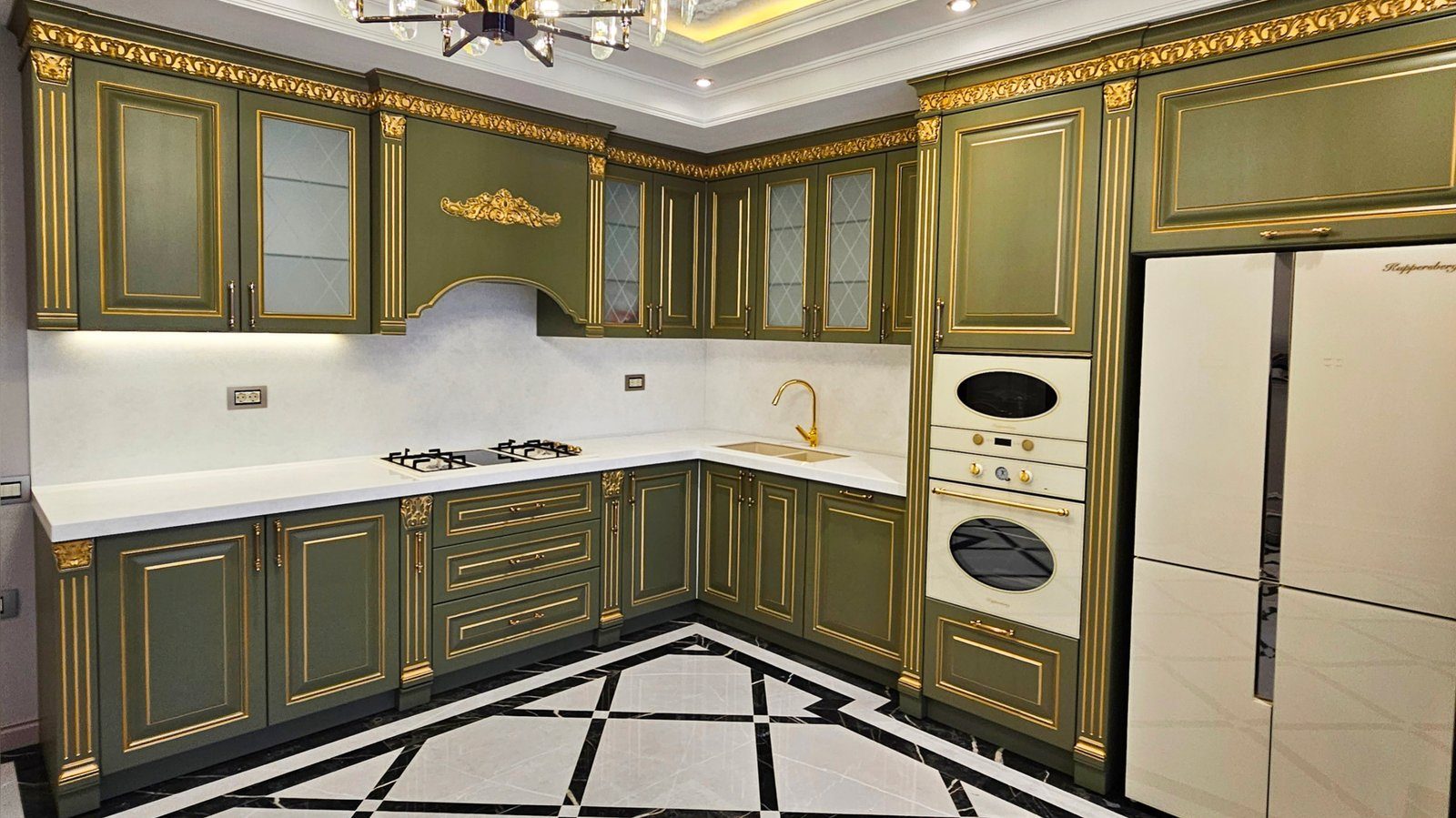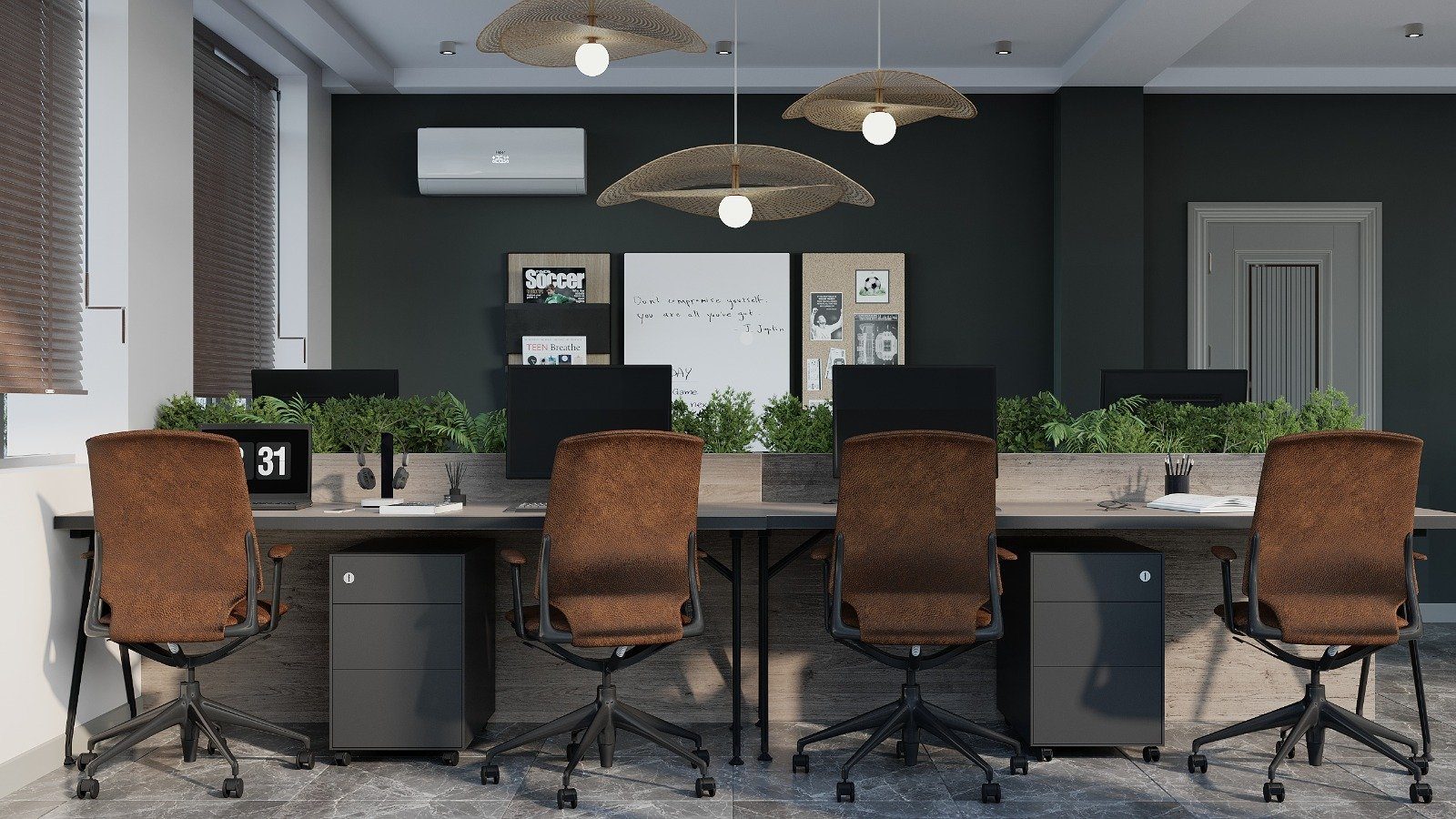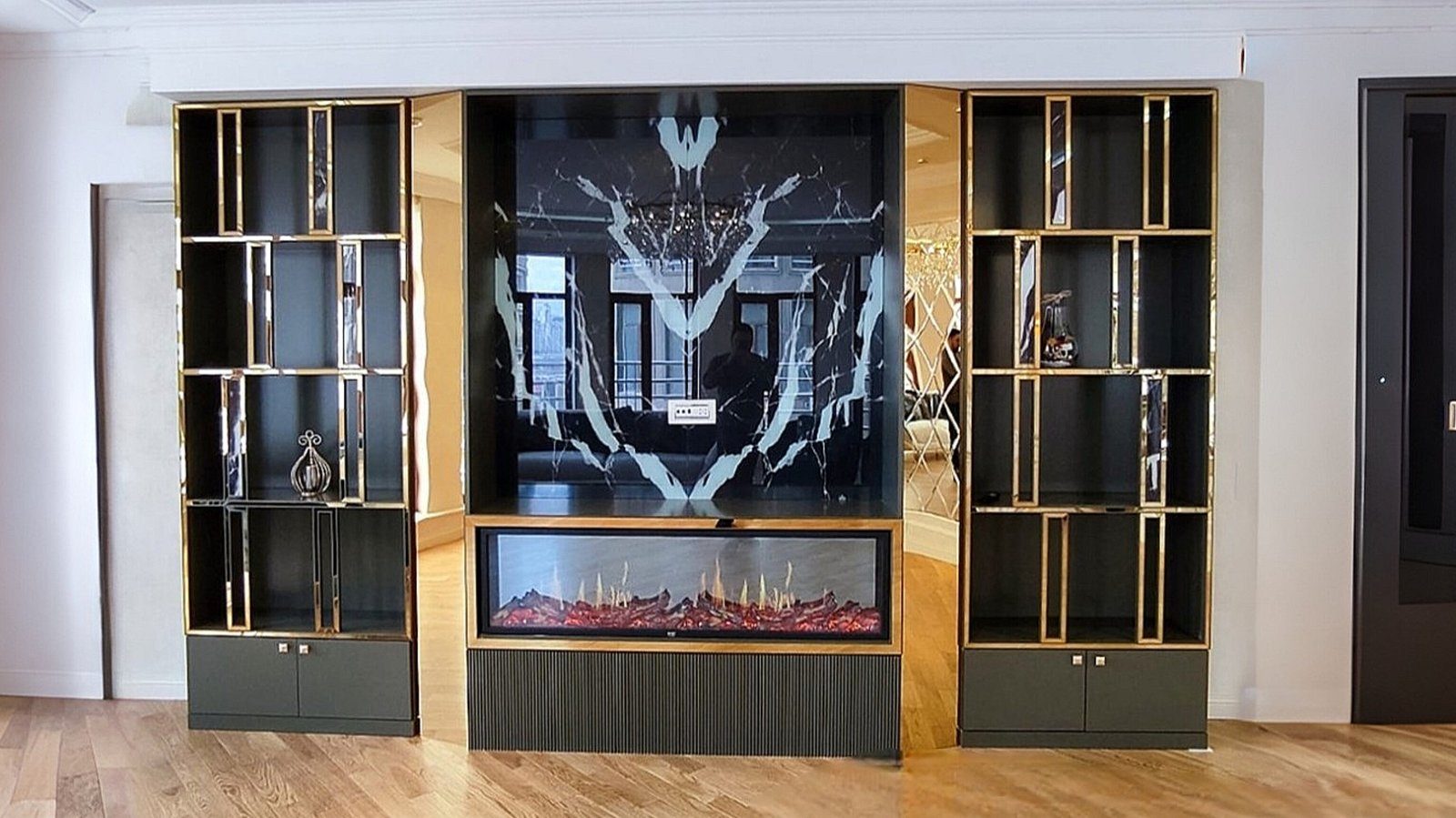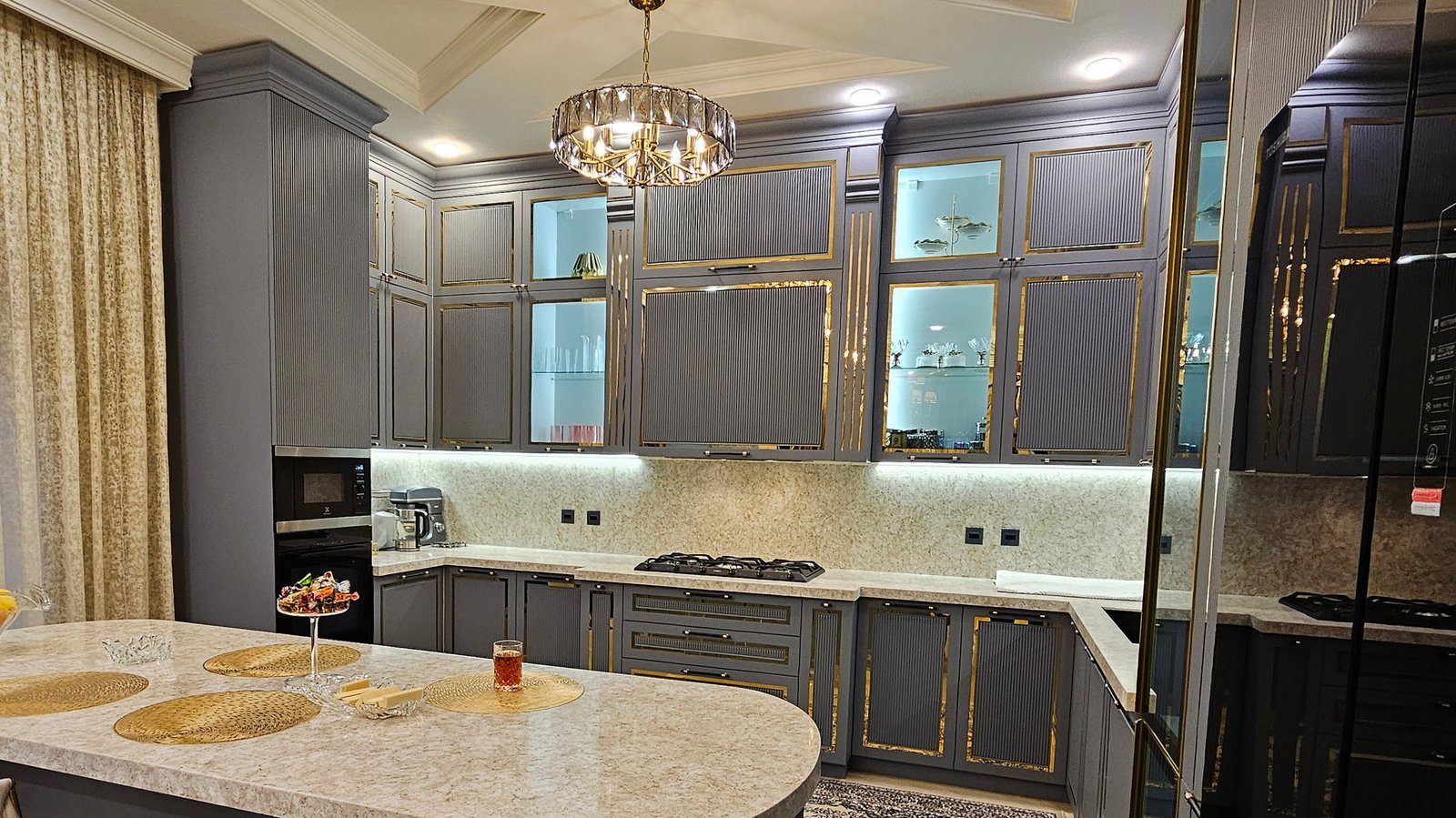

When furniture is ordered, the colours of doors, carcass and upholstery are discussed at length. Curtains and rugs, however, are often bought hastily after the furniture arrives. As a result, each element may be attractive on its own, yet the room looks like a collection of mismatched pieces. Textiles cover a large share of a room's surfaces, and when they are planned together with the furniture, the interior feels calmer and more cohesive.
Colour proportion: not everything in one colour
Choosing all textiles in the colour of the furniture seems safe, but the result is often monotonous. A widely used approach among designers is to divide colours into three levels: a main neutral on large surfaces such as walls, large furniture and curtains; a secondary colour on medium elements such as a sofa, rug or headboard; and an accent colour on small items such as cushions, throws and lamps. Exact percentages do not matter; the key idea is that one colour dominates and the others support it.
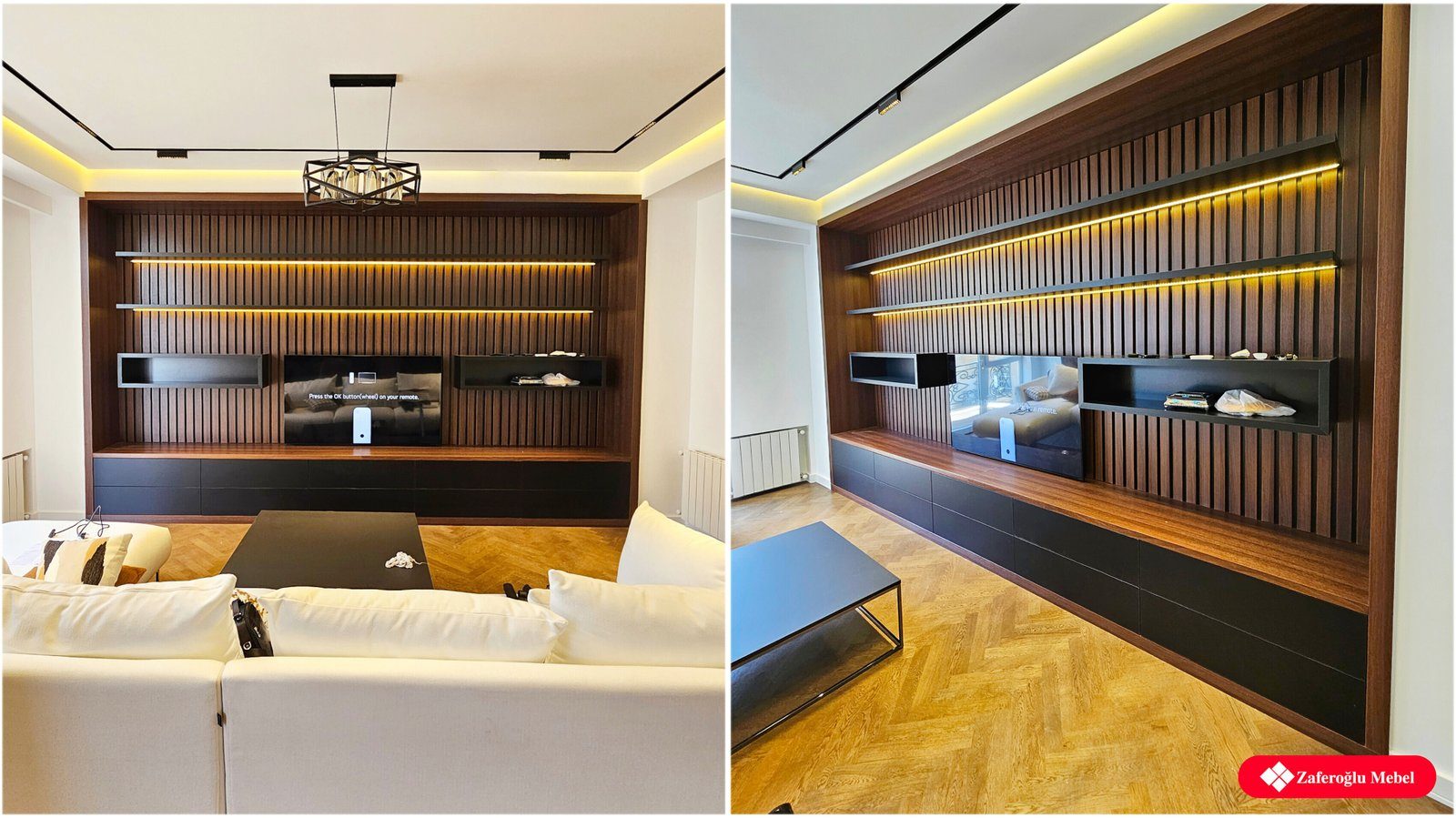
Decide in advance which level the furniture itself belongs to. A woodgrain wardrobe or kitchen already carries strong colour and pattern, so textiles should be calmer. Neutral white or grey furniture leaves more room for colour in textiles.
Pattern scale and texture
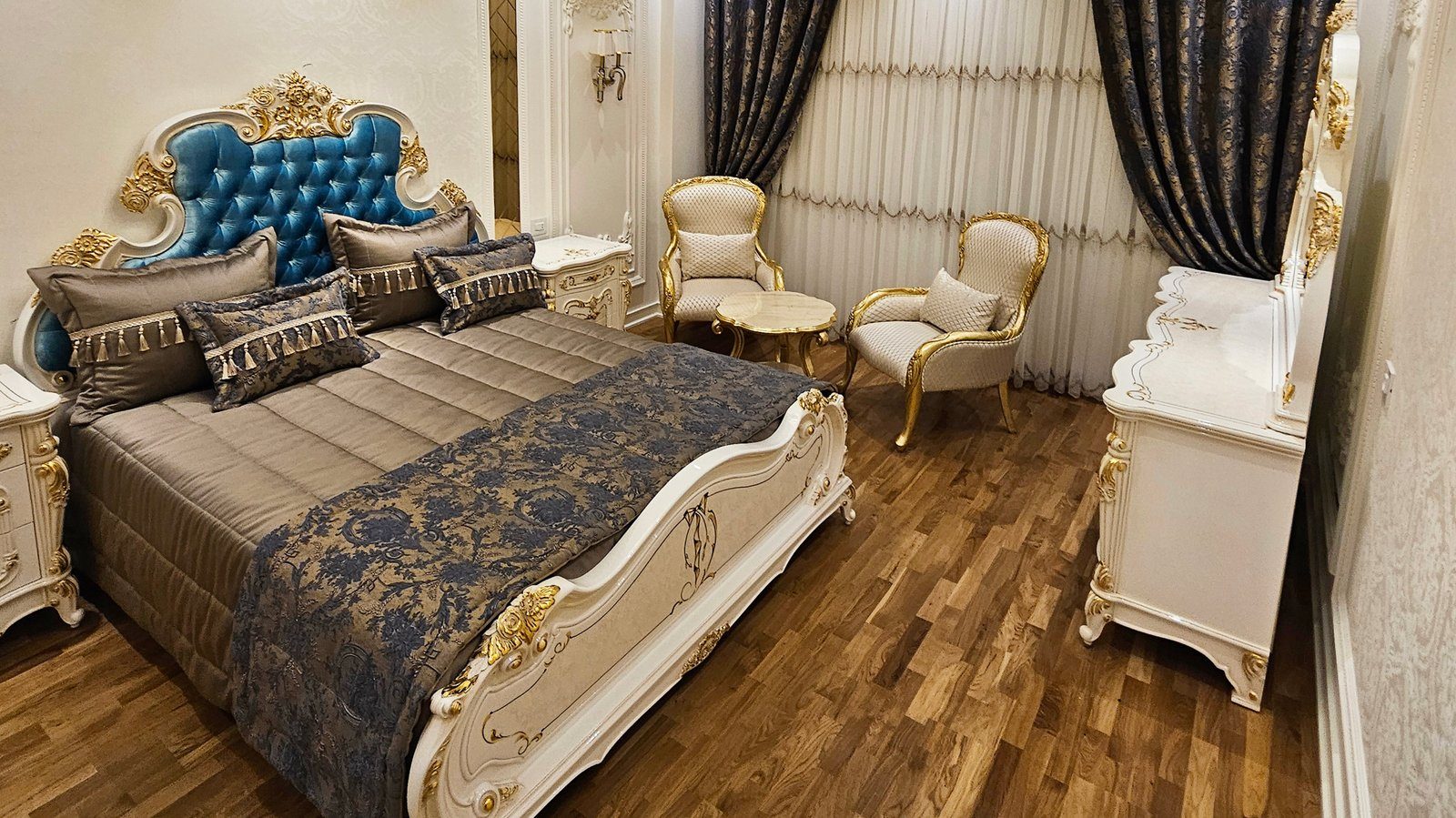
If several patterned fabrics are used in one room, their scale should differ. A large-patterned curtain works well beside a small-patterned cushion or a plain but textured sofa. Two different patterns of the same size compete with each other and tire the eye.
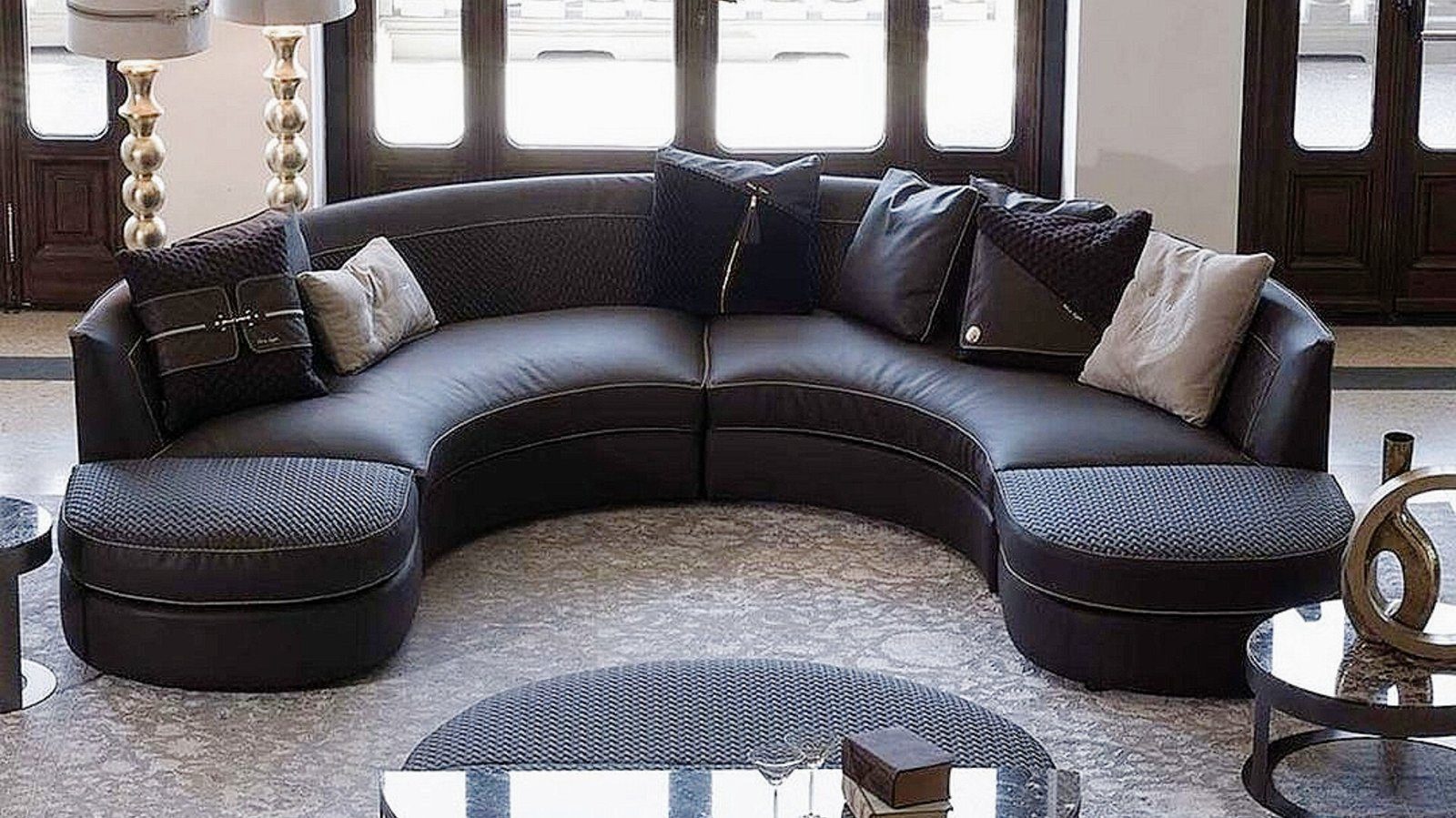
When colour is limited, texture creates the difference. A smooth-upholstered sofa, a chunky rug, linen curtains and a wool throw can all be the same neutral tone and the room still looks lively. Texture also reflects light differently: velvet looks deep and lustrous, linen matt and light, bouclé soft.
The texture of furniture surfaces belongs on this list too. Next to glossy fronts, matt textiles balance the look; next to matt wood, a fabric with a slight sheen does the same.
Rugs: size and connection to furniture
With rugs, going too small is the classic error. A little rug floating in the middle of the floor, clear of the furniture, fails to tie the pieces together and makes the room feel sparse. In the living room, go large enough that at least the front feet of sofa and armchairs sit on it. In the bedroom, let it reach past the sides of the bed so bare feet land on something soft. Under a dining table, the chairs should stay on the rug even when pulled out.
A rug's colour acts as a bridge between floor and furniture. Between a dark floor and light furniture, a mid-tone rug softens the transition. The zone matters as well: a light, long-pile rug near the kitchen or entrance gets dirty quickly.
Curtains, wood tones and light
Curtains are the largest textile surface in a room and directly change the light coming through the window. Heavy dark curtains darken a room and make furniture colours look darker too. Light, pale curtains diffuse light and make a room feel larger. Bedrooms often use two layers: sheer fabric for daytime and blackout fabric for night.
When pairing curtains with woodgrain furniture, look at the wood's undertone. Golden, warm oak, walnut and cherry tones combine well with beige, olive, terracotta and warm grey. Cool, greyish wood suits blue, cool grey and white textiles better.
Sunlight fades textiles. Upholstery on a sofa or armchair near a window should have high light fastness, and curtains should protect it during the day.
How to check samples
The most reliable way to choose textiles is to see samples in the room next to the furniture. Showroom lighting shows colours differently. A few practical steps:
- Place a door or board sample, upholstery fabric and curtain sample side by side and look at them in daylight and evening light.
- Make samples as large as possible; a small swatch does not show pattern scale or colour strength.
- Compare care requirements too: can the curtains be washed, how is the rug cleaned, does the upholstery have removable covers?
- Choose one accent colour and repeat it in at least two or three places in the room so it does not look accidental.
- Textiles are an easily changed layer; trying bold colours here is less risky than trying them on fixed furniture.
Zaferoğlu Mebel makes bedroom, living room and upholstered furniture to individual measurements. When choosing furniture colours and upholstery fabric, bringing samples of planned curtains and rugs into the discussion helps build the whole interior as one composition.