
Bedroom furniture is often the longest-serving furniture in a home. Kitchens age under moisture and heat and living rooms change frequently, but a bedroom wardrobe and bed stay in the same place for years. One day the room looks dated, yet throwing everything away feels wasteful. A sensible update starts by separating the parts that still work from those that have truly reached the end of their life.
Check the condition first
Appearance and construction are different things. Behind dated coloured doors there may be a solid carcass, while furniture that looks fresh may already have loose joints. A few simple steps are enough for a check:
- Are there swellings, bubbles or peeling edge banding on the wardrobe sides and base?
- Does the carcass wobble when pushed lightly, and have corner joints loosened?
- Are shelves sagging in the middle, or have shelf supports come loose?
- Have the screw holes for hinges widened, and do doors still respond to adjustment?
- Does the bed frame creak, and are the sides and legs firm?
- Are drawer runners catching, or simply worn?
If the carcass remains firm and straight, keeping it often makes sense. Swollen board, failed joints or screws that no longer hold in several places show that the carcass itself needs replacing.
Doors and handles: the most visible change
Doors and fronts define how furniture looks more than anything else. With the carcass kept, making only new doors and drawer fronts from a new material can change the character of a room completely. This requires accurate measurement of the old doors, the hinge positions and how straight the carcass is. If new doors do not match the old holes, hinge positions are drilled again, which requires the carcass to be sound at those points.
Changing handles is the simplest step, with one subtlety: if the hole spacing of the new handle differs from the old one, the old holes will show on the door. In that case, choose a handle with the same spacing or a model with a larger backplate that covers the old marks.
Hardware: an invisible but noticeable update
Doors that slam and drawers that stick are the most annoying features of old furniture. Replacing hinges with soft-close models and drawer runners with full-extension, quiet ones makes furniture feel new in daily use. In most cases the carcass needs no major changes, but new hardware must be chosen to fit the internal dimensions of the old carcass.
In a sliding wardrobe, worn rollers and tracks make doors jump and move stiffly. The track system can be replaced while keeping the door panels.
Reorganising the wardrobe interior
As lifestyles change, storage needs change too. A section planned years ago for long garments may now be half empty while there are never enough drawers. If the carcass is kept, the interior can be updated with an extra hanging rail, a pull-out trouser rack, shoe shelves or drawers with dividers. This increases usable capacity without touching the exterior.
The bed and when to replace everything
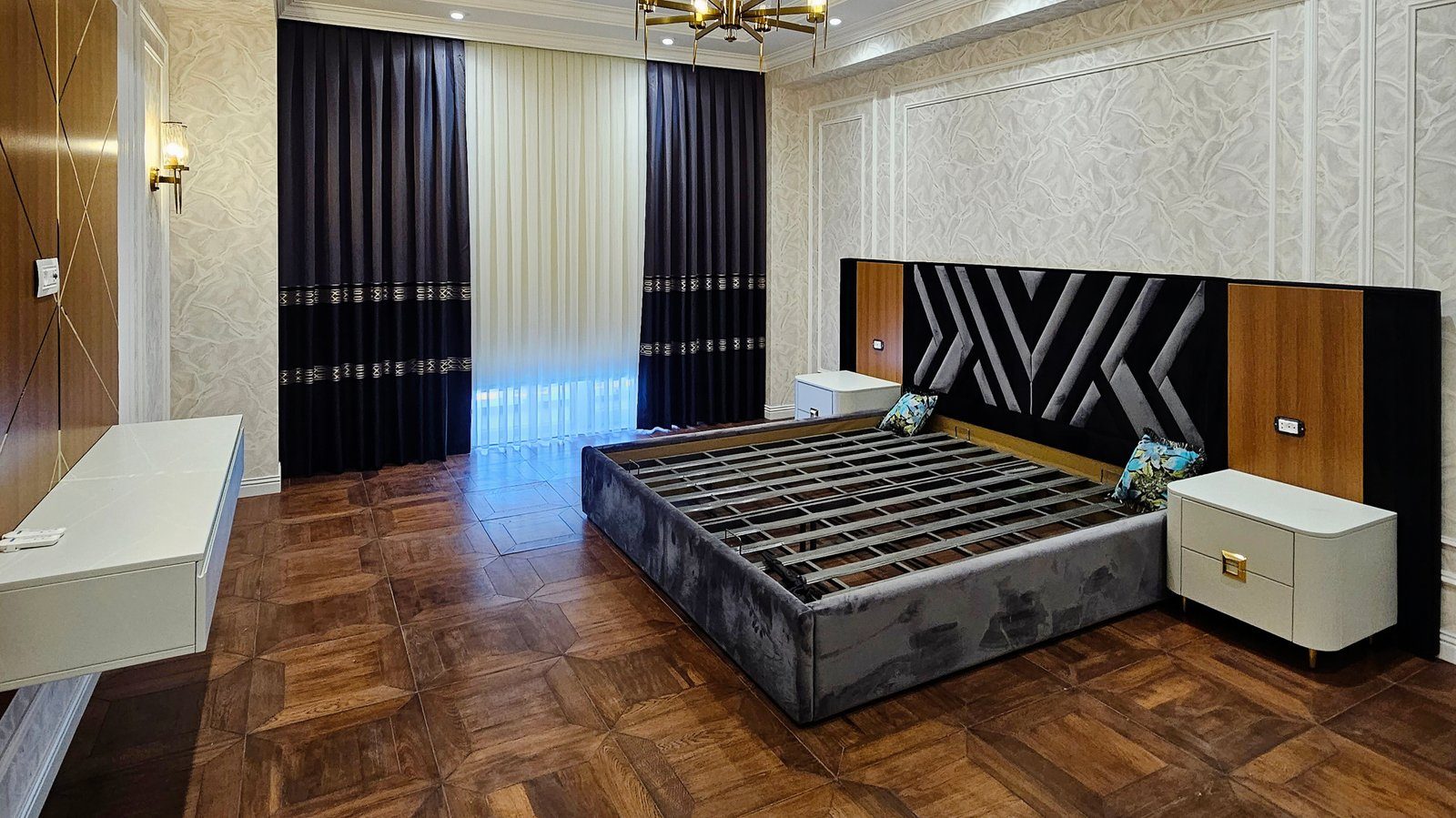
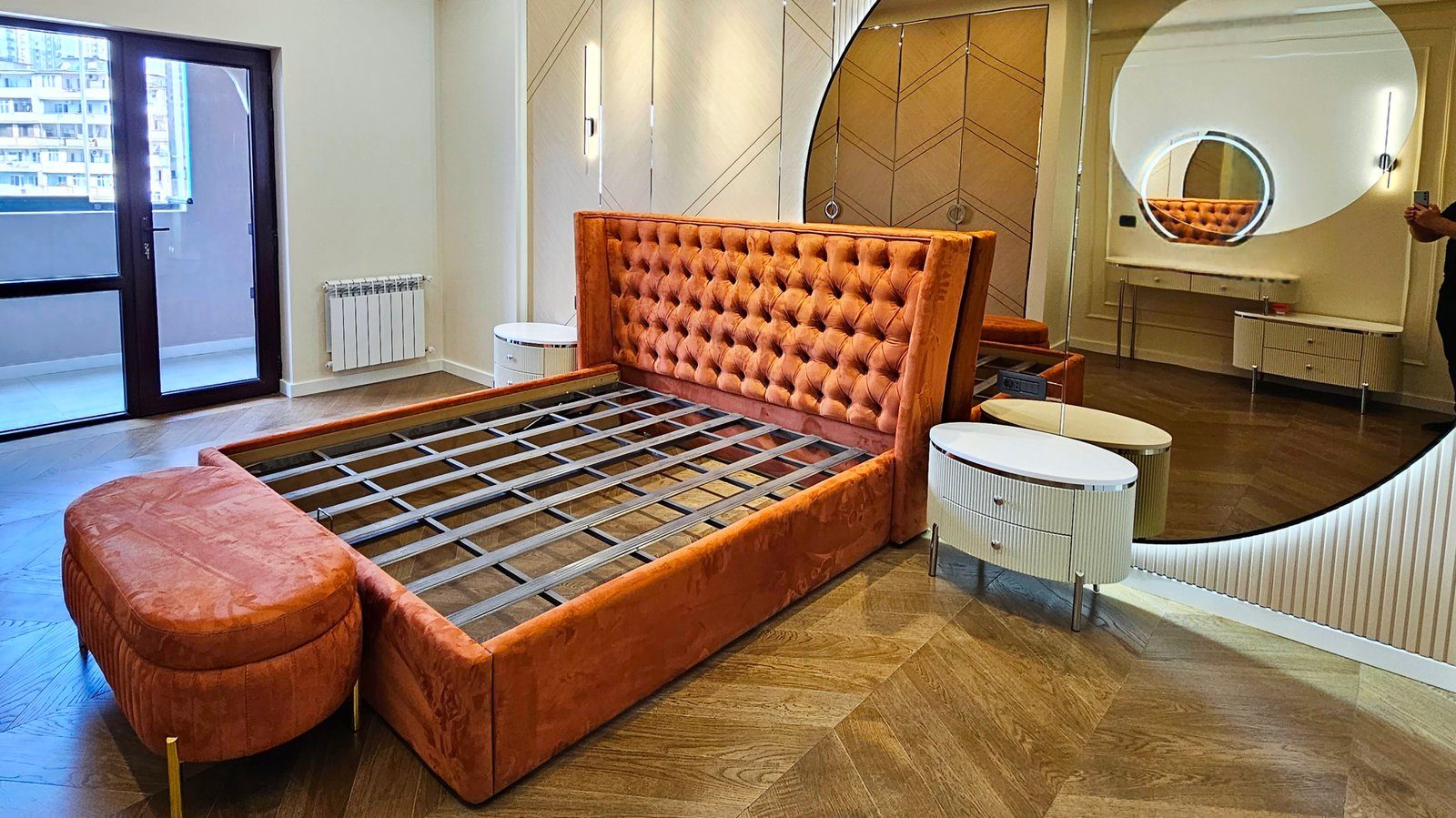
In a bed, what wears out most is usually the base rather than the frame. Bent or broken slats and a sagging base make a mattress fail sooner. If the frame is solid, a new slatted base and mattress make a big difference to sleep comfort. If the headboard looks dated, replacing it with a new upholstered panel refreshes the focal point of the room.
In some cases, though, full replacement is the better choice. If the carcass has swollen in several places, if the room layout has changed and the furniture no longer fits, or if the cost of new doors, hardware and interior approaches that of new furniture, ordering new makes more sense. A simple test: will the part you keep last as long as the part you renew?
Colour matching deserves its own check. The interior and edge banding of an old carcass may have yellowed or faded slightly over the years. Even if new doors are ordered in a decor with the same name, a difference in shade can show next to the old parts. So choosing a colour for the new doors that deliberately contrasts with the old one sometimes gives a better result than trying to match it.
The order of work matters as well. Structural problems come first, then hardware, then doors, and finally decorative elements such as textiles and lighting. Otherwise new doors will not hang straight on an old, crooked carcass.
When refreshing a bedroom, you can go over with Zaferoglu Mebel which existing pieces are worth keeping, based on the room's measurements and what you need now.