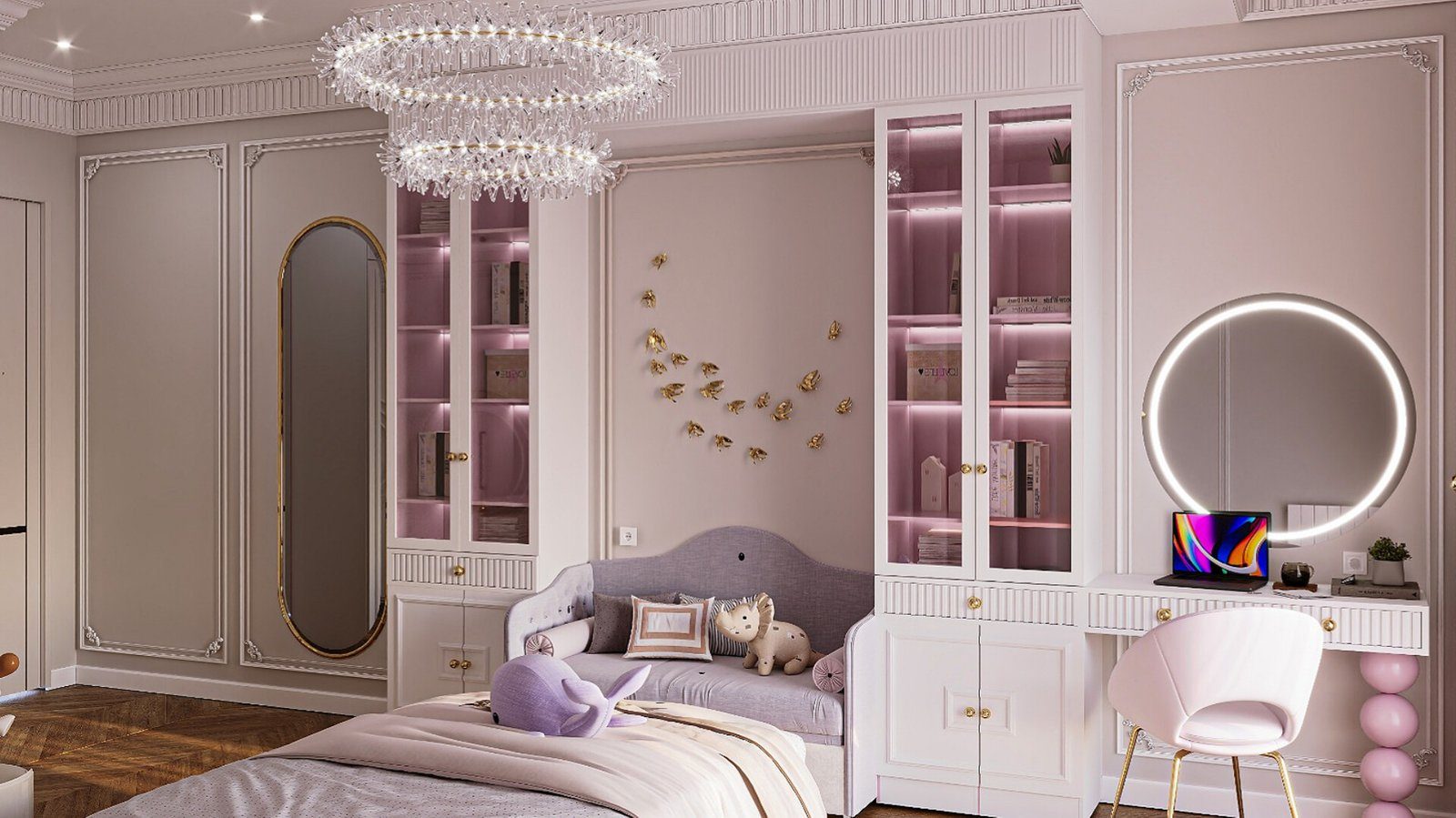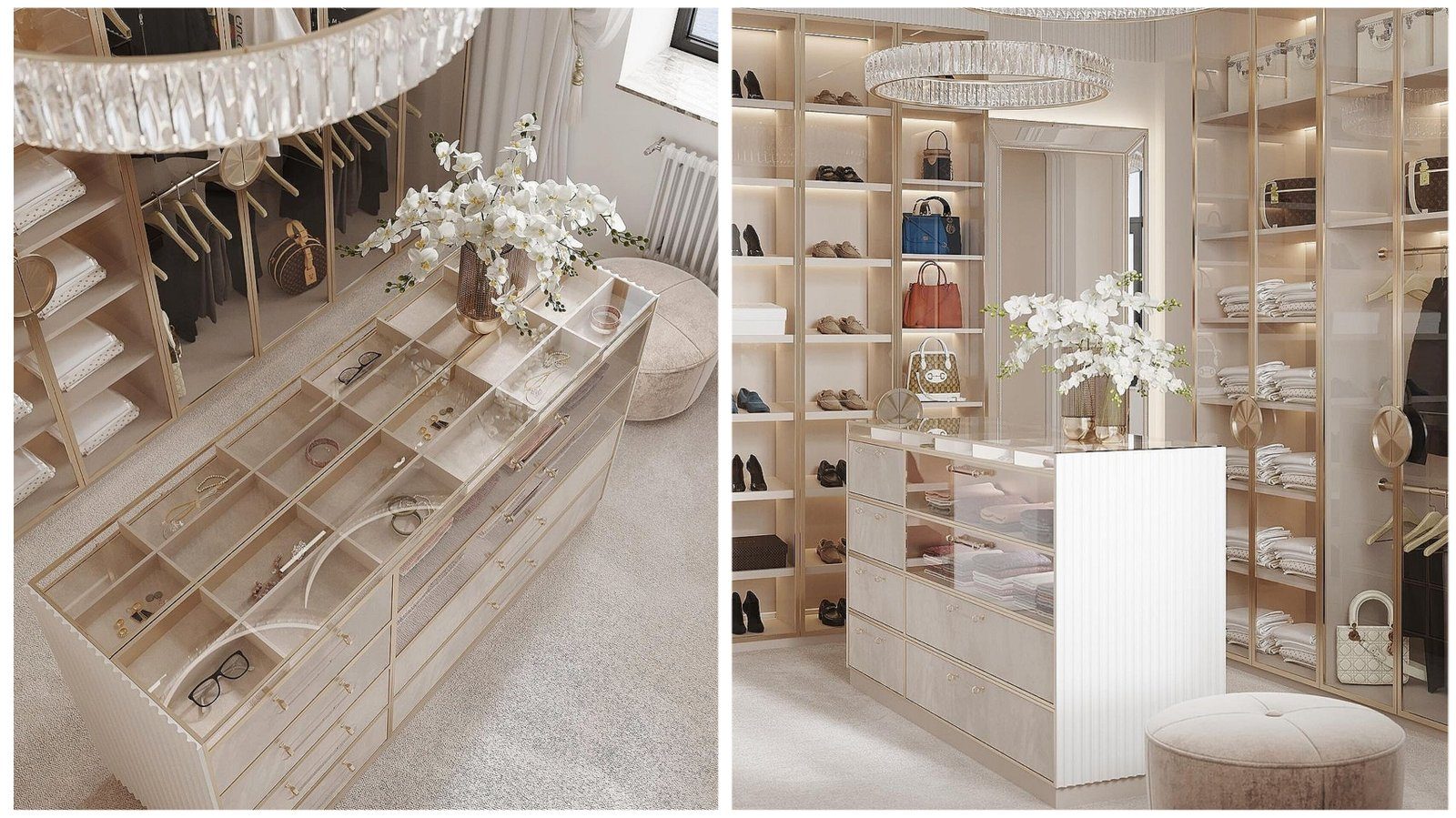

Living in a rented flat often means compromise: the existing furniture is either old or the wrong size, but spending money on the home feels unwise when you may move in a few years. So renters usually buy cheap ready-made furniture or none at all. Yet made-to-measure furniture can also be portable; it simply has to be designed for that from the start.
The key principle: furniture that stands on its own
The first rule for rented homes is that furniture should not depend on the building's structure. A floor-to-ceiling wardrobe fixed to the wall, shelves cut to fit a niche or wall-hung cabinets either stay behind when you move or get damaged when removed. The landlord may also not allow holes in the walls.
Approaches for portable furniture:
- freestanding carcasses, with wardrobes, TV units and shelving standing on their own bases and legs;
- wall fixing only for safety, using a small anti-tip bracket that leaves a hole easily filled later;
- carcasses close to standard height plus a separate top module instead of full ceiling height;
- adjustable filler panels instead of panels cut precisely to a niche.
Joints that can be dismantled
To be moved, furniture must come apart and go back together without damage. That depends on the connecting hardware. A carcass glued together or assembled with single-use fixings loses strength when reassembled. Cam fittings, threaded metal inserts and other reusable hardware allow furniture to be taken apart several times.
The same principle applies to upholstered furniture: modular sofas, beds with removable legs and bed frames with detachable headboards are easier to move. Oversized furniture with one-piece frames causes trouble at every move.
A modular approach: adapting to a new home
The main difficulty of moving is not only transport but the different layout of the new home. A wardrobe that stands along a four-metre wall in one flat may need splitting across two walls in the next. Modular furniture solves this:
- the wardrobe is not one large carcass but several standard-width sections that can be placed separately;
- the TV unit is assembled from several low modules that can form a straight line or a corner in a new room;
- shelving systems have sections that can be added or removed;
- corner elements are separate modules, left out when not needed.
When module widths and heights follow one system, they look unified in different combinations too.
What to order and what not to
In a rented flat it does not make sense to have everything custom-made. Some items are closely tied to the flat's structure and become useless after a move. The general approach:
- worth ordering: a bed and good mattress base, a desk, modular wardrobe sections, a TV unit and shelving, a sofa, meaning furniture needed in any home that can be moved;
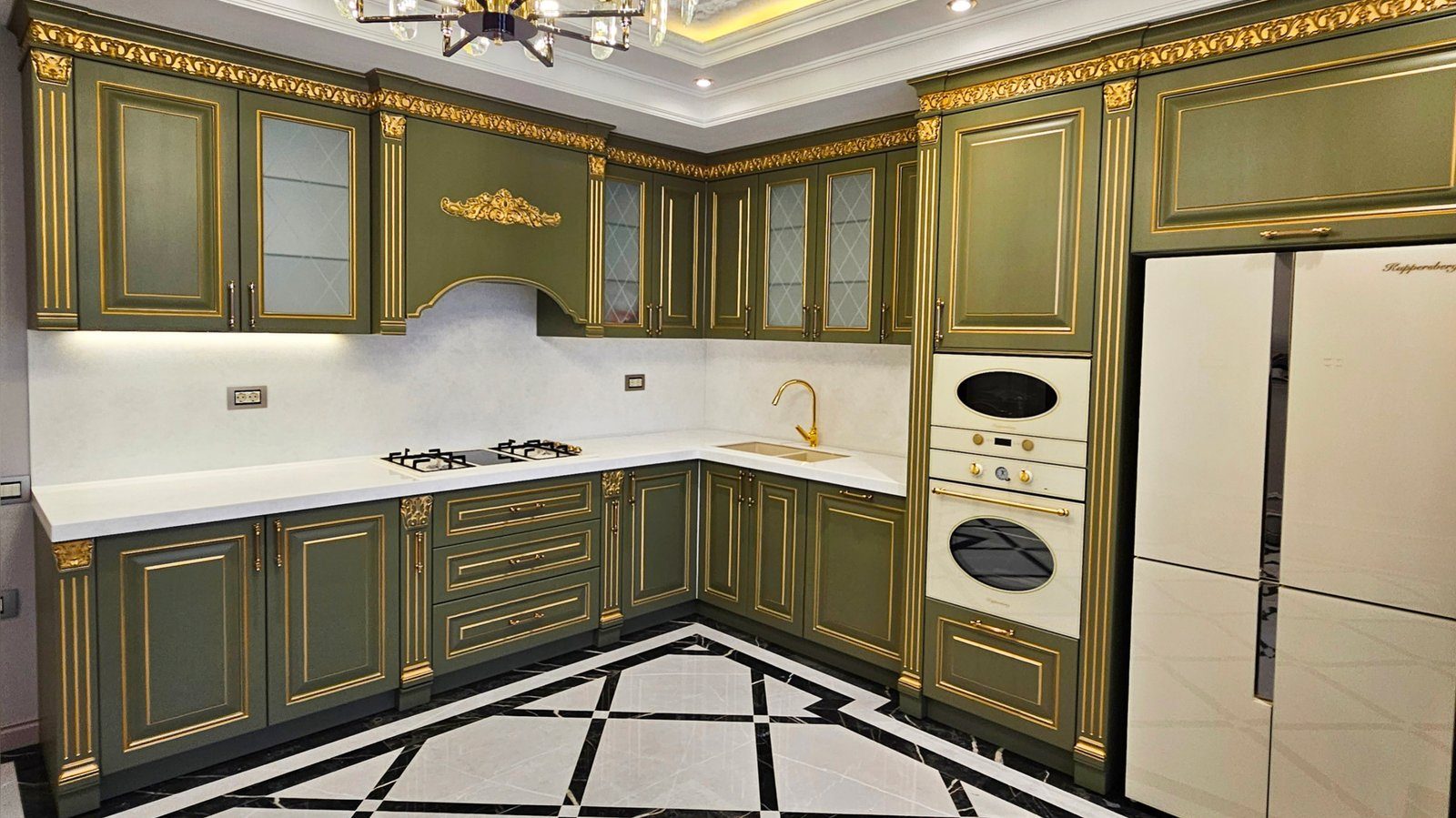
- approach with caution: kitchen furniture, which depends on water and gas points and the specific room size; bathroom furniture; cabinets cut to niches;
- agree with the landlord: anything fixed to the walls.
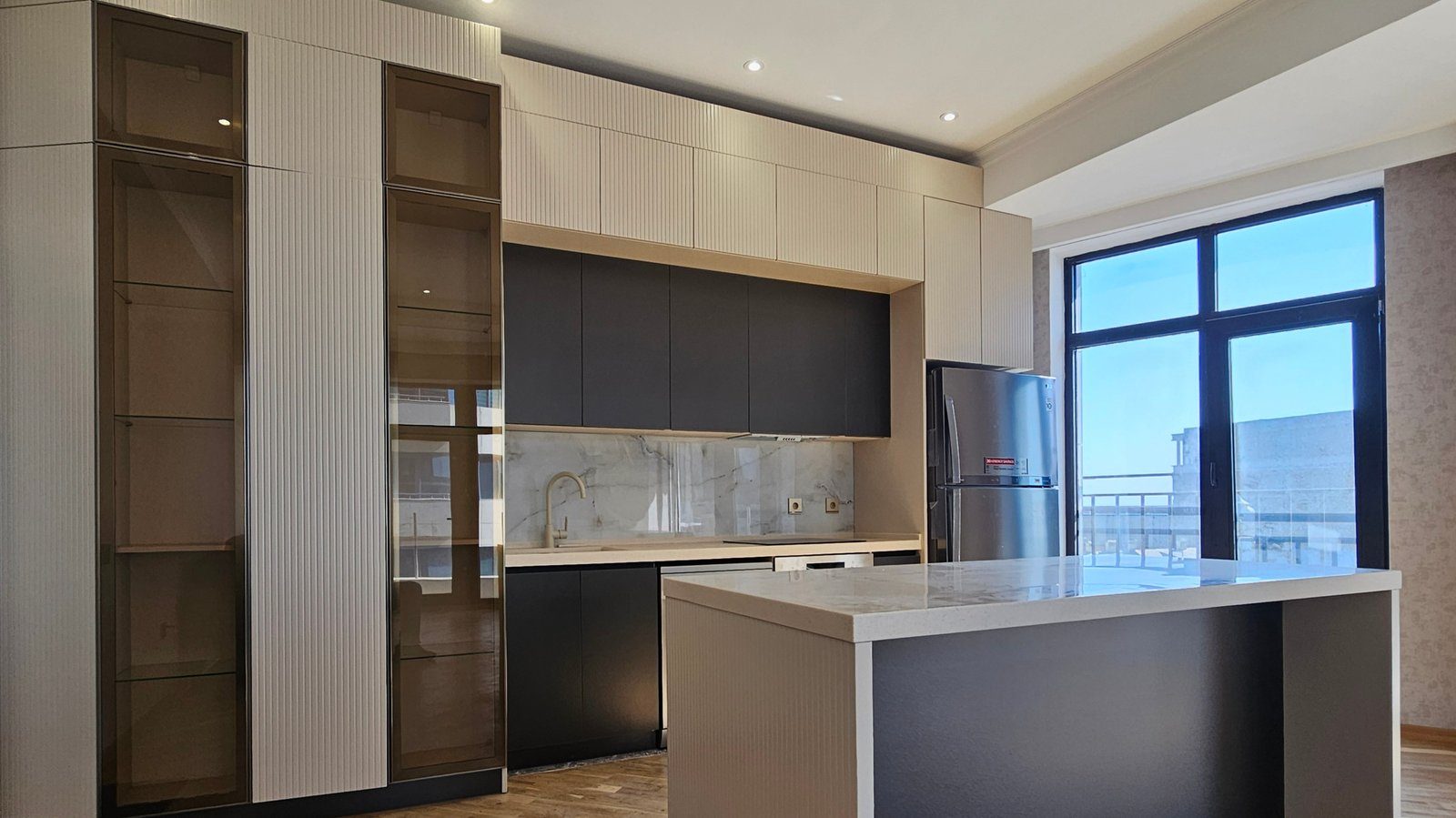
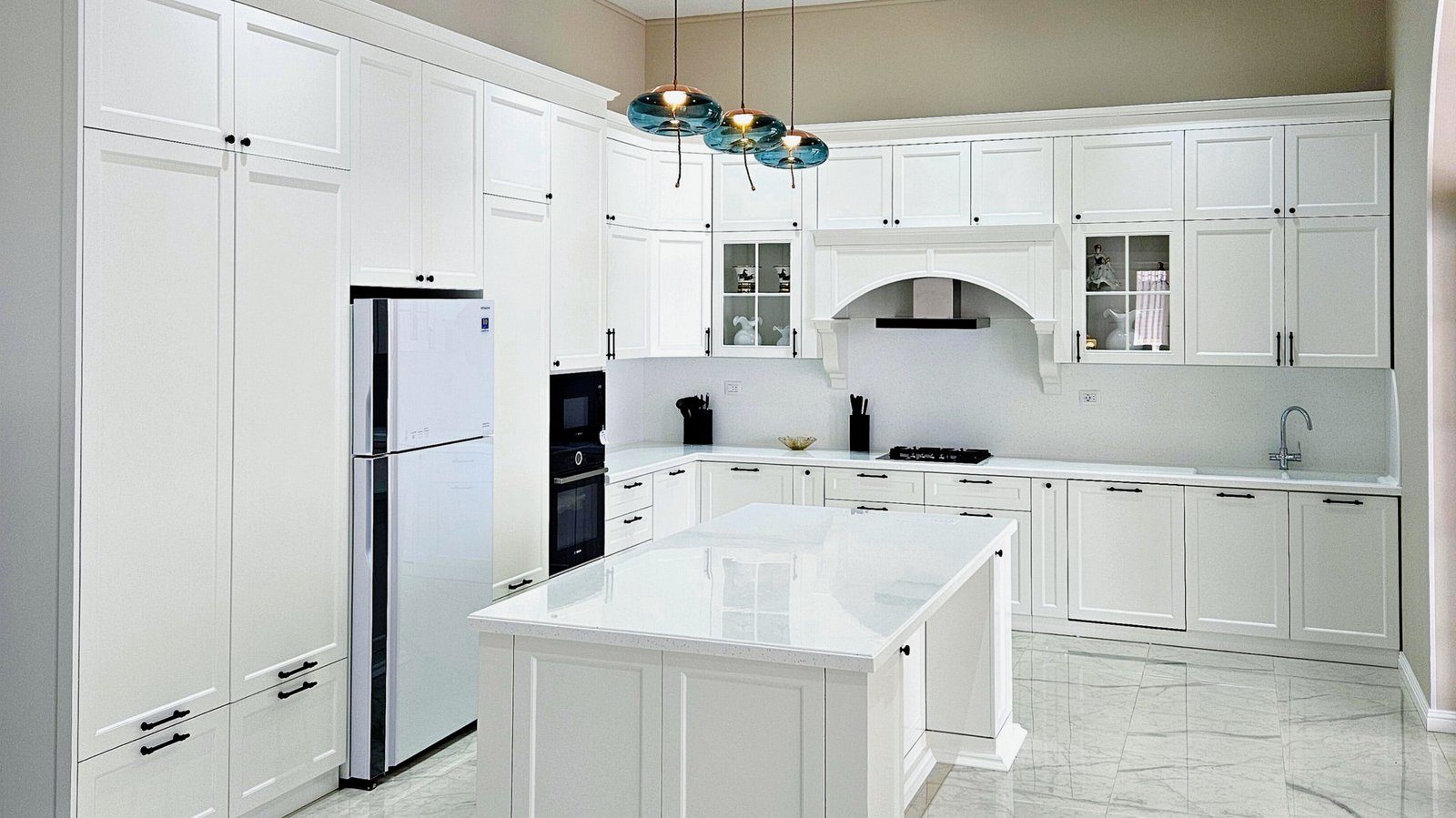
For kitchens in rented flats, portable elements such as a freestanding island, a mobile trolley or a separate dresser may be more sensible.
Choosing materials and sizes
Durability matters more in portable furniture, because moving brings knocks and rubbing. Boards with well-sealed edge banding, protective corner profiles and removable doors reduce the risk of damage.
When choosing sizes, avoid oversized single carcasses. Each module should be small enough to pass through standard lifts and stairwells. Staying close to standard heights makes it easier to fit a new flat's ceiling height.
Preparing for moving day
The benefit of portable furniture only shows if the move is well organised. Asking for the assembly diagram or instructions when ordering, bagging screws and fittings separately for each module, and protecting doors and glass separately make it possible to reassemble the furniture quickly in the new home.
Zaferoglu Mebel manufactures furniture to individual measurements. Mentioning at the start that the order is for a rented flat allows the design to be freestanding, modular and easy to dismantle and reassemble.