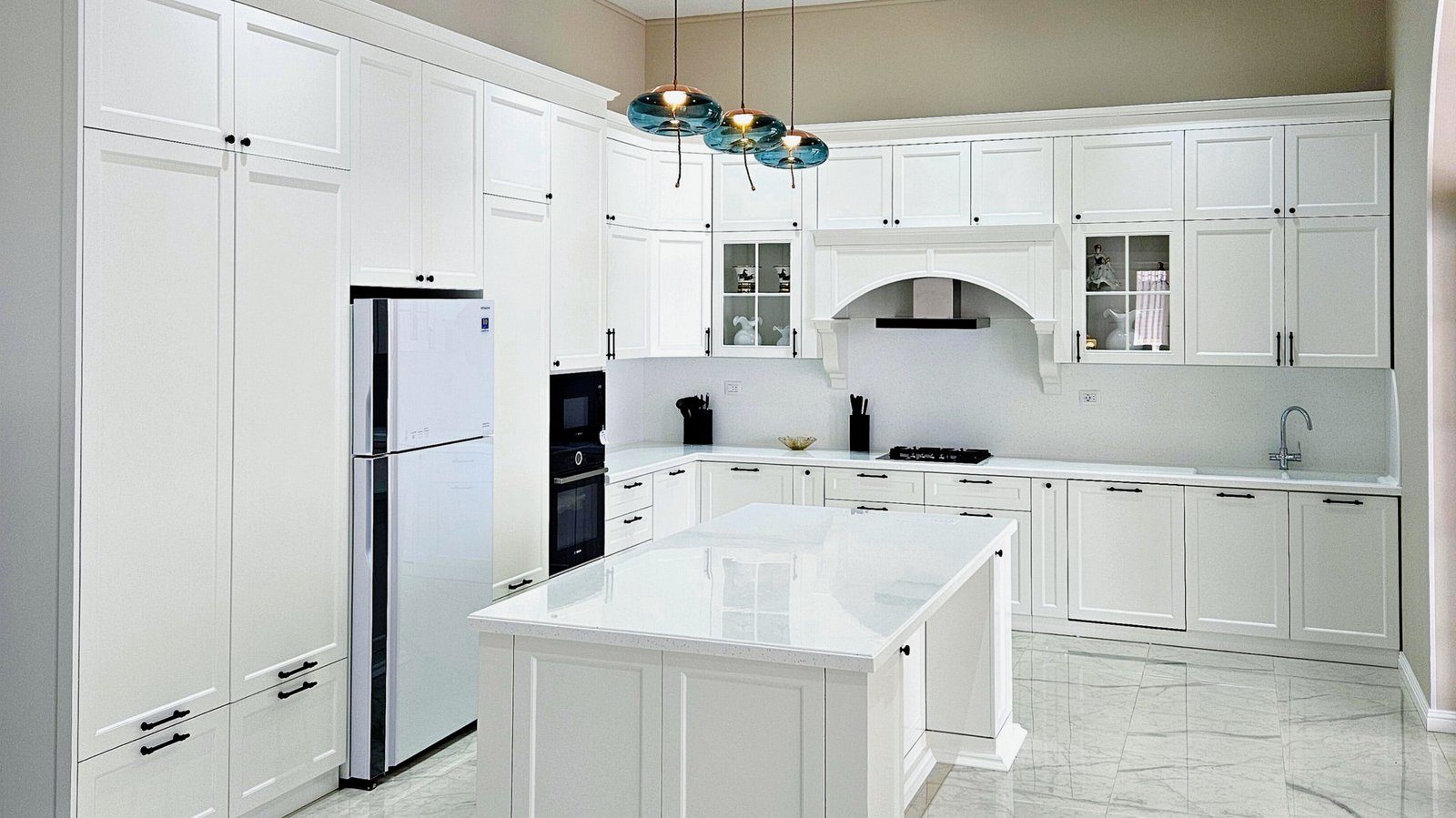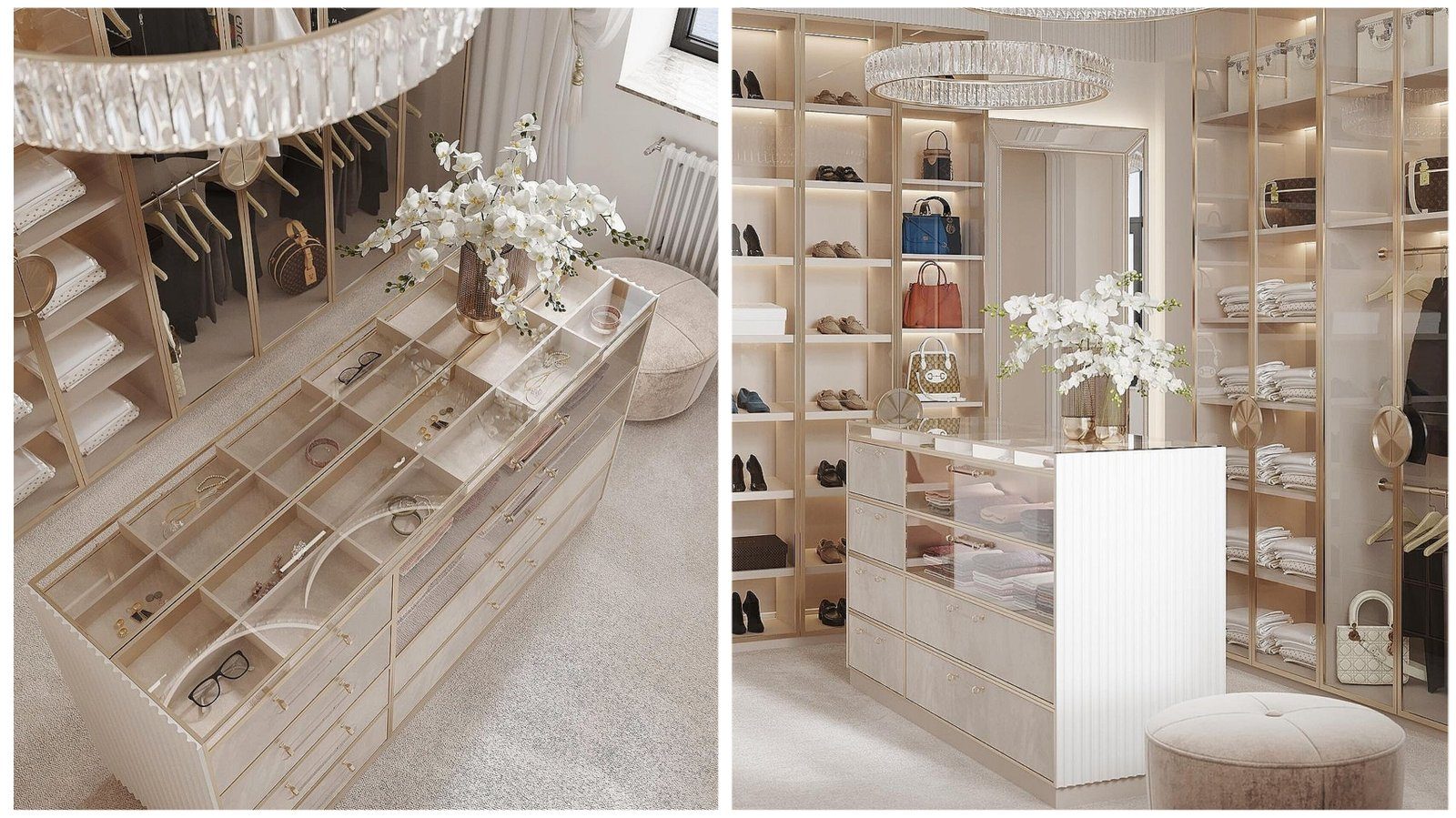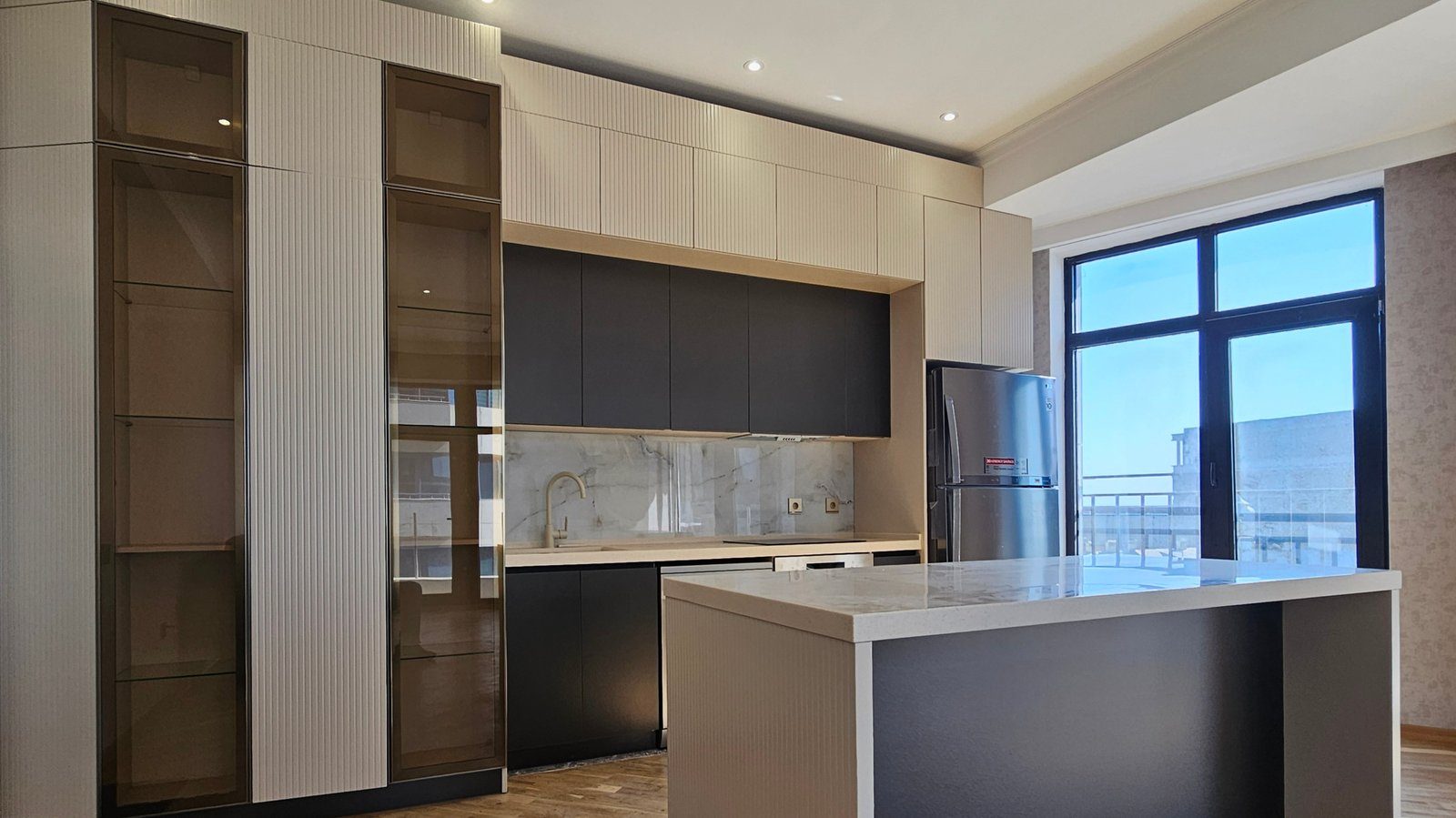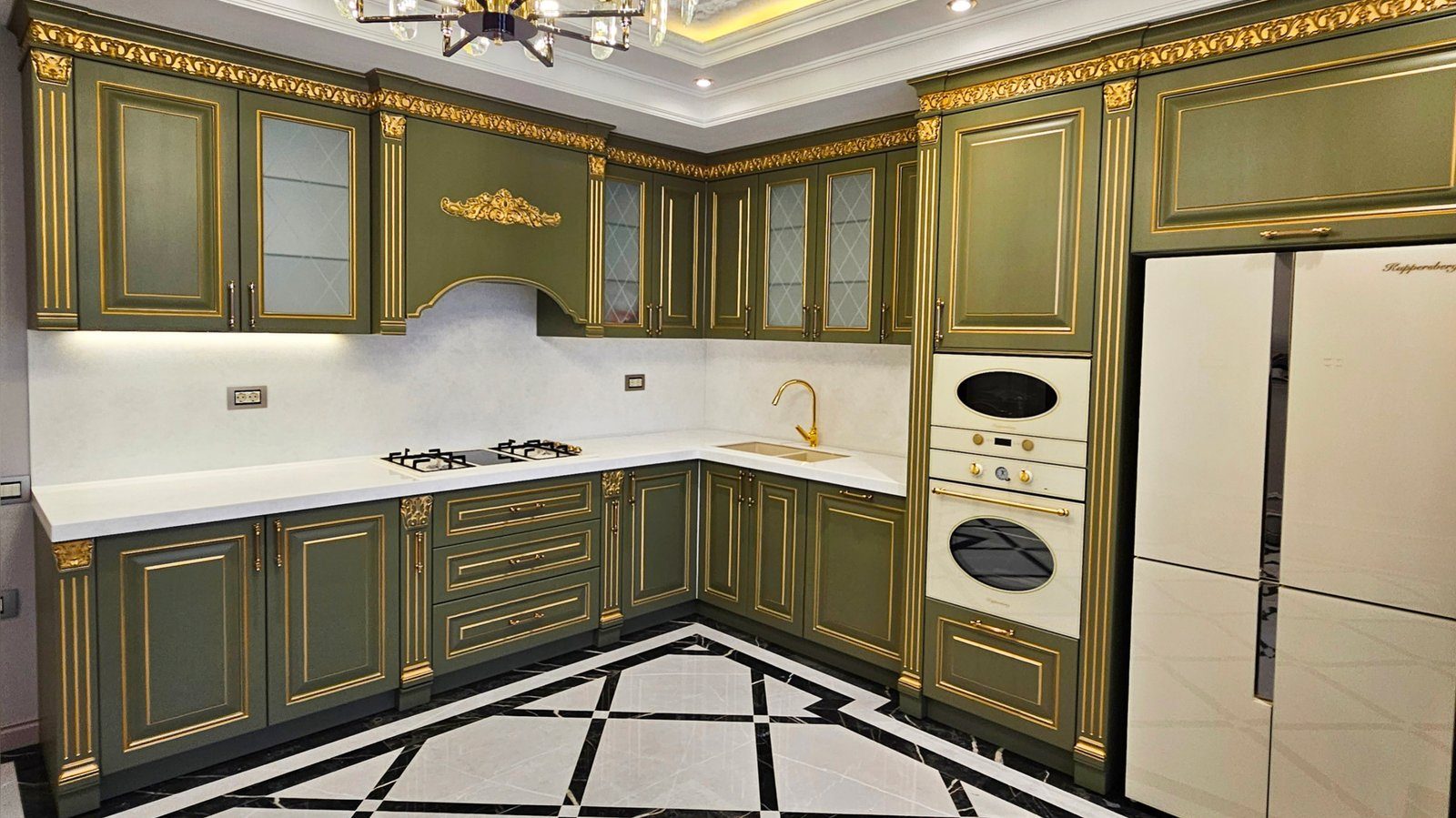

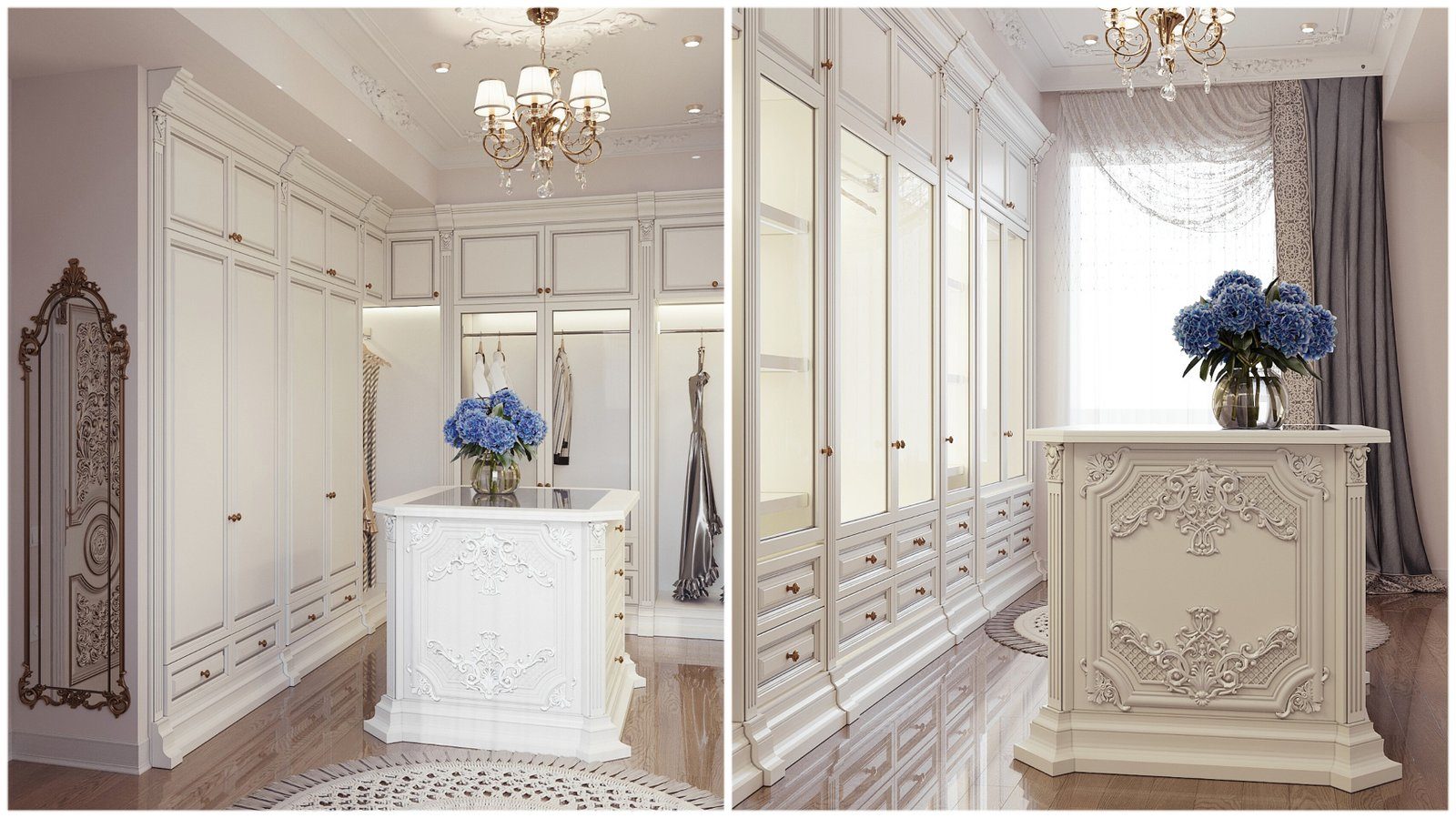
Installation day is the most exciting day of a furniture order: the kitchen or wardrobe planned for months finally arrives. How the day goes, however, does not depend on the fitters alone. Small problems such as waiting for the lift, moving things out of the room or finding an unexpected pipe in the wall can stretch installation by hours or even push it to another day. A few preparations made in advance reduce these risks.
A few days before: organisation
- Confirm the date and approximate arrival time, and make sure an adult who can make decisions will be at home that day.
- If the building has a service lift, arrange its use with the building management. Some buildings require the lift to be protected or used only at certain hours.
- Check whether the vehicle can park close to the building. Carrying long panels and packed units from far away takes time and increases the risk of damage.
- It is a good idea to let neighbours know, since installation will involve drilling and hammering.
- If you have pets, plan to keep them in a separate room that day; open doors and tools are dangerous for animals.
Preparing the room
The room where the furniture will be installed, and the route to it, should be clear:
- Take out old furniture beforehand, or agree in advance who will do it.
- Clear a space of at least a few steps along the wall where the furniture will go: the fitters need room to unpack and assemble units.
- Remove fragile items such as rugs, mirrors, vases and hanging pictures from the hallway, doorway and stairs.
- Laying protective sheeting over parquet or laminate flooring is worthwhile.
- The room should have light and at least one working, accessible socket, because the tools need power.
If renovation has just finished, make sure walls and floors are fully dry and the dust has been cleaned up. Furniture fixed to damp walls and assembled in a dusty room does not get a good start.
Extra preparation for a kitchen
Installing a kitchen involves the most technical conditions:
- Water, drainage, electrical and gas outlets must be where the design says. If an outlet does not match the plan, report it in advance.
- Built-in appliances — oven, hob, dishwasher, hood, fridge — should ideally be in the home on installation day. Without them, the niche sizes cannot be checked one last time and fronts cannot be aligned.
- Keep the appliance manuals handy: they list installation dimensions and ventilation requirements.
- If a stone or quartz worktop needs separate measuring and fitting, confirm in advance at which stage it will arrive.
During installation
The best approach is to stay out of the fitters' way but remain available. Questions may come up during the work: shelf heights, handle positions, which side the lighting switch goes on. If these decisions can be made on the spot, work does not stop.
Keep children away from the room being worked in. Opened packaging contains parts with sharp edges, screws and tools, and a tall unit that has not yet been fixed can be dangerous.
Handover checklist
Checking the furniture with the fitters present once installation is complete prevents disputes later:
- All doors close with even gaps and do not touch each other.
- Drawers extend fully and close softly.
- The furniture is level, and tall units are fixed to the wall.
- There are no scratches, chips or marks on fronts, worktop or edge banding.
- Lighting, sockets and appliances work, and there are no leaks under the sink.
- Protective films have been removed, and rubbish and packaging have been dealt with as agreed.
Keep the adjustment instructions for hinges and runners, plus any spare handle or edge banding. It is normal for doors to settle slightly after a few weeks, and adjustment puts that right.
The first days after installation
It is best not to rush to load the furniture fully right after installation:
- If silicone or adhesive has been used around the sink or at worktop joints, keep those areas dry for as long as the fitters advise.
- New furniture may have a faint smell from the materials; ventilate the room regularly for the first few days and leave doors and drawers open for a while.
- Fill shelves and hanging rails gradually, and keep in mind what load each shelf was designed for.
- For the first weeks, wipe new fronts only with a soft damp cloth and avoid abrasive products.
Zaferoglu Mebel delivers all ordered furniture free of charge and installs it with its own fitters at no cost. The conditions needed for installation day can be discussed in advance during measuring and design.