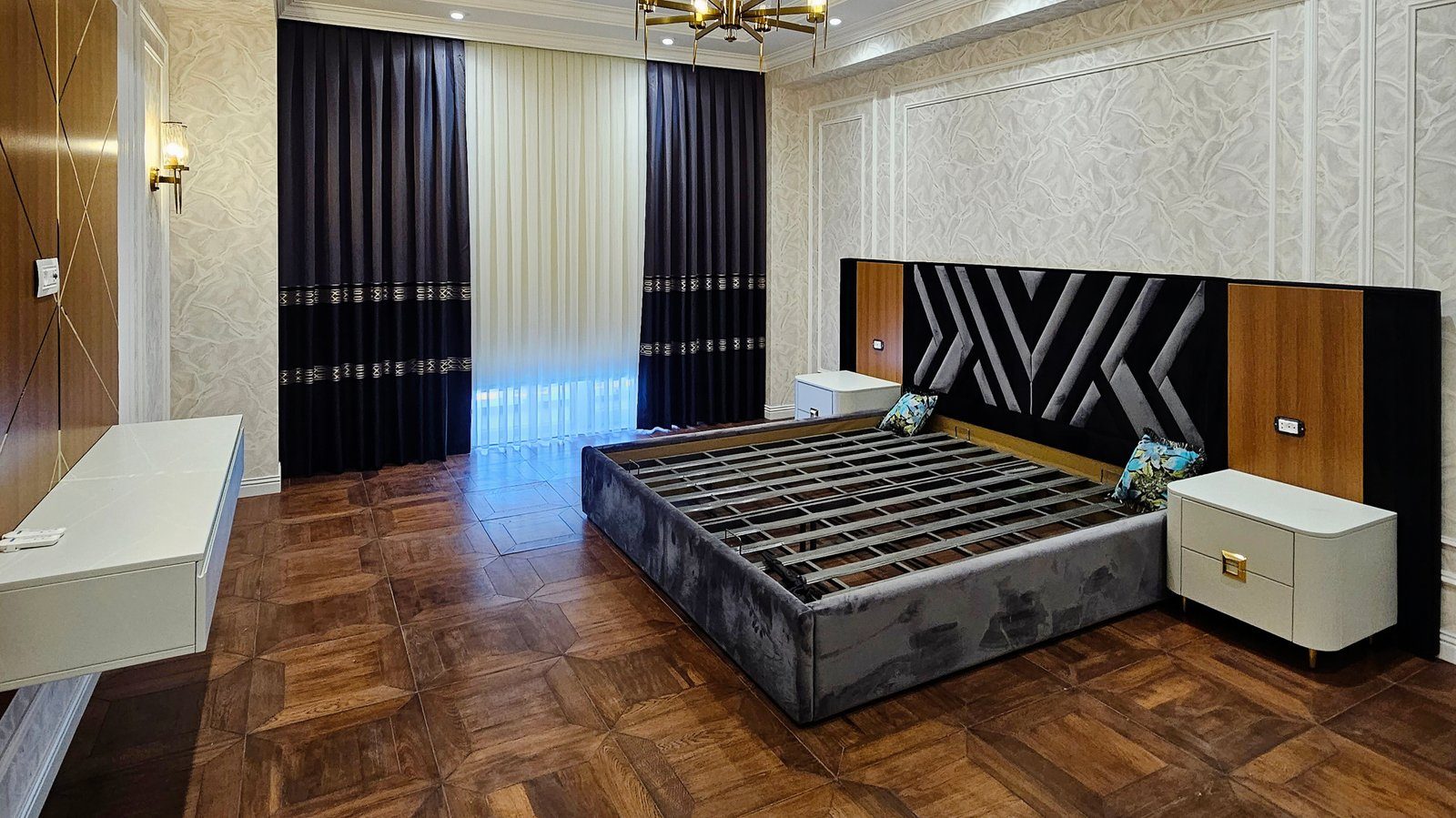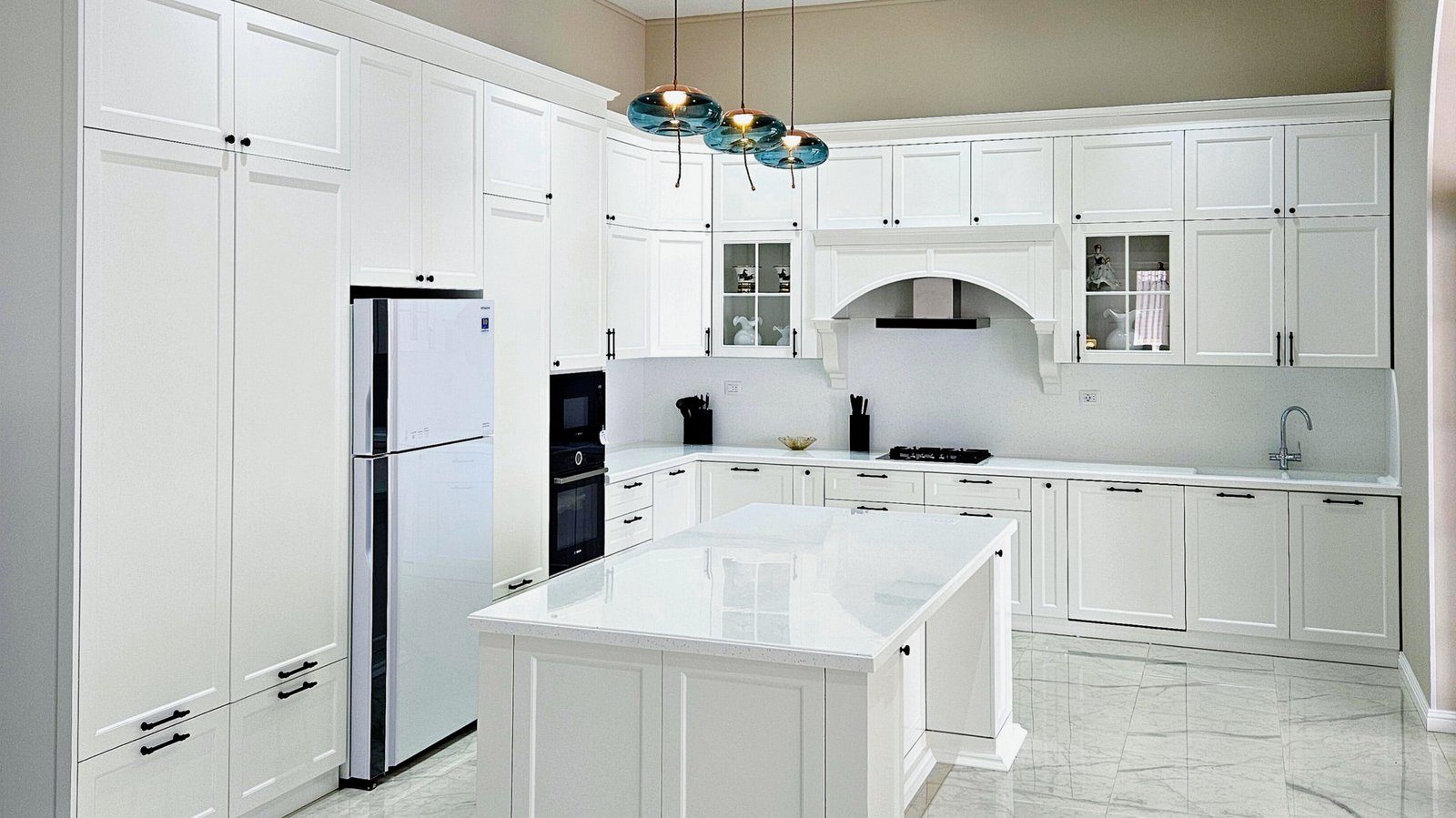

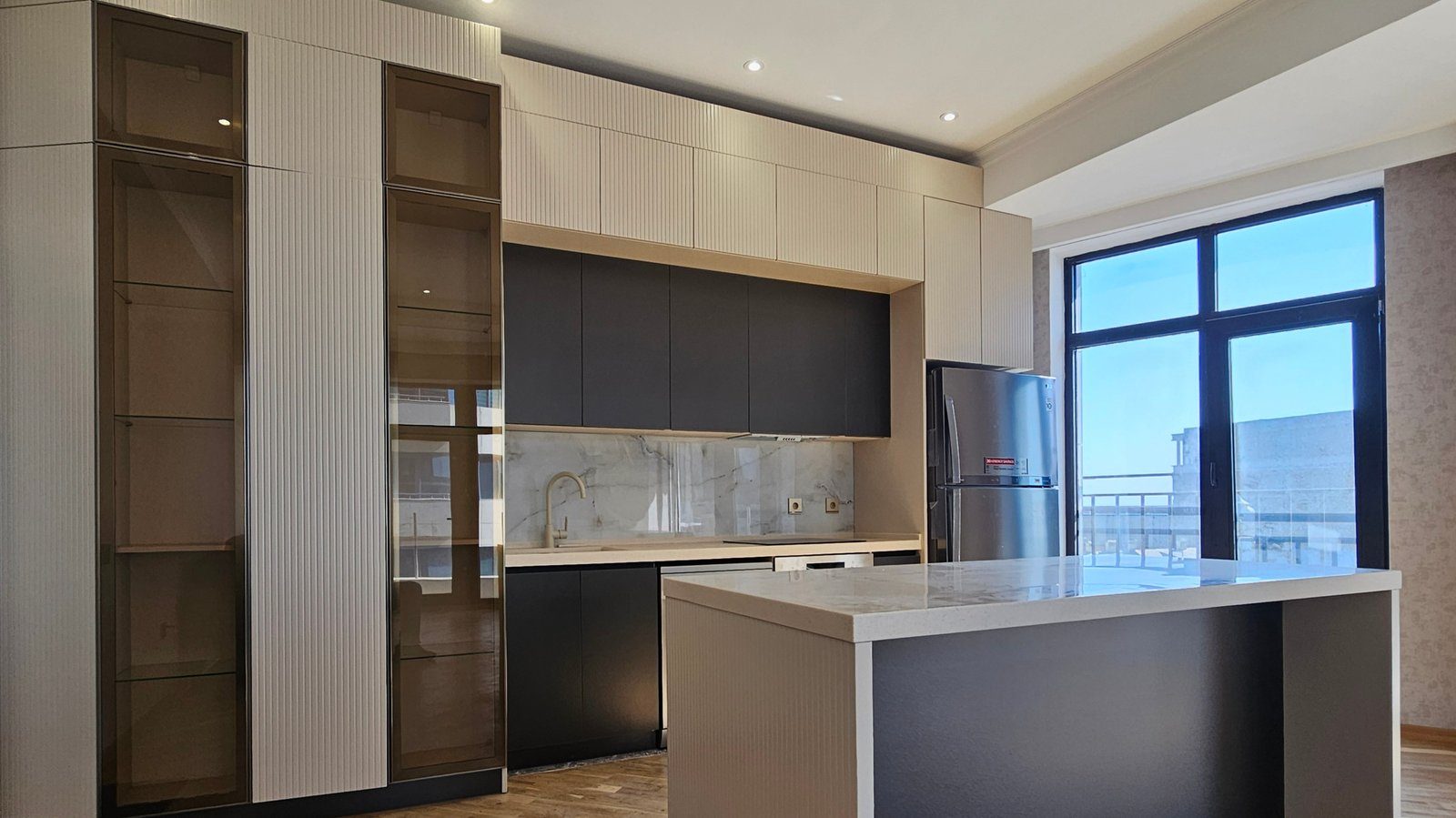
The furniture is in, the fitters are packing their tools and the room smells of new board. At this moment many people simply say "looks great" and sign off. Yet the handover is one of the most important steps of the whole order: while the fitters are still on site, small adjustments take minutes. A week later the same issue means a separate visit, finding a time that suits everyone and explaining it all again.
Preparing for the handover
Do the check without rushing and in good light. Scratches and colour differences disappear under a weak lamp in the evening, so use daylight and a phone torch where possible. Keep the approved drawings or sketches at hand: the check should be based on the agreed dimensions and details, not on whether you like it.
Wipe away the dust and debris left after installation first. A layer of dust can hide minor damage, and a crumb can look like a scratch.
The person who placed the order and knows the agreed details should be present. If one family member handled the design and another the payments, it helps to have both. Allow at least half an hour, and more for a large kitchen or several rooms. If built-in appliances have not yet been connected, note that too: some mismatches, such as a fridge door that will not open fully, only show once the appliance is in place.
Fronts, gaps and straight lines
Nothing makes a fitted unit look neat or sloppy like the line of its doors. Walk a few steps away and take in the full length:
- Are the gaps between doors even? A wide gap in one place and a narrow one in another calls for hinge adjustment.
- Do the top and bottom edges of the doors line up?
- Is the bottom line of the wall cabinets parallel to the top line of the base units?
- When closed, do the doors sit fully against the carcass without a corner standing proud?
Most modern hinges adjust in three directions, so these faults can usually be corrected on the spot.
Doors, drawers and mechanisms
Open and close every door and every drawer several times; checking a sample of one or two is not enough. Pay attention to:
- If soft closing was specified, does it work the same on all doors?
- Do the drawers run smoothly to full extension and close quietly?
- Do lift-up wall cabinet doors stay put in any position without dropping?
- Do corner mechanisms, pull-out baskets and sliding wardrobe doors move without catching?
- On push-to-open systems, does a single touch open the door?
Put a few heavy items into the drawers while testing: an empty drawer and a loaded one behave differently.
Surfaces, edges and joints
Inspect the fronts, worktop and visible end panels with light falling at an angle. Look for scratches, dents, chipped laminate, lifting edge banding or a difference in shade between fronts. Different production batches of the same decor can vary slightly in tone; if this shows on neighbouring doors, note it.
Check the worktop joints, the edges of the sink cut-out and the line where the worktop meets the wall separately. Ask whether the cut-outs around the sink and hob have been sealed against moisture, because you cannot always see it.
Fixing, appliances and missing parts
Pull gently down on the wall cabinets to feel that they are firmly mounted. Make sure tall cabinets and wardrobes are fixed to the wall, especially if there are children in the house. Are the base unit legs adjusted so that nothing rocks?
If there are built-in appliances, check that they sit properly, that cabinet doors do not hit the appliance doors, and that ventilation gaps have been kept. Make sure sockets and outlets are still reachable.
Finally, the small things: are all handles, cover caps, shelf supports and plinth panels in place? If anything has not been fitted, write it down.
Recording what you find
List every issue briefly and photograph it if you can. Separate what was fixed immediately from what needs a return visit. Get the warranty terms and care recommendations in writing. This is not a claim against anyone; it simply ensures both sides understand the same thing.
Zaferoglu Mebel describes staying in touch with customers after handover as one of its working principles. Notes taken at acceptance help that contact lead to quick and concrete results.