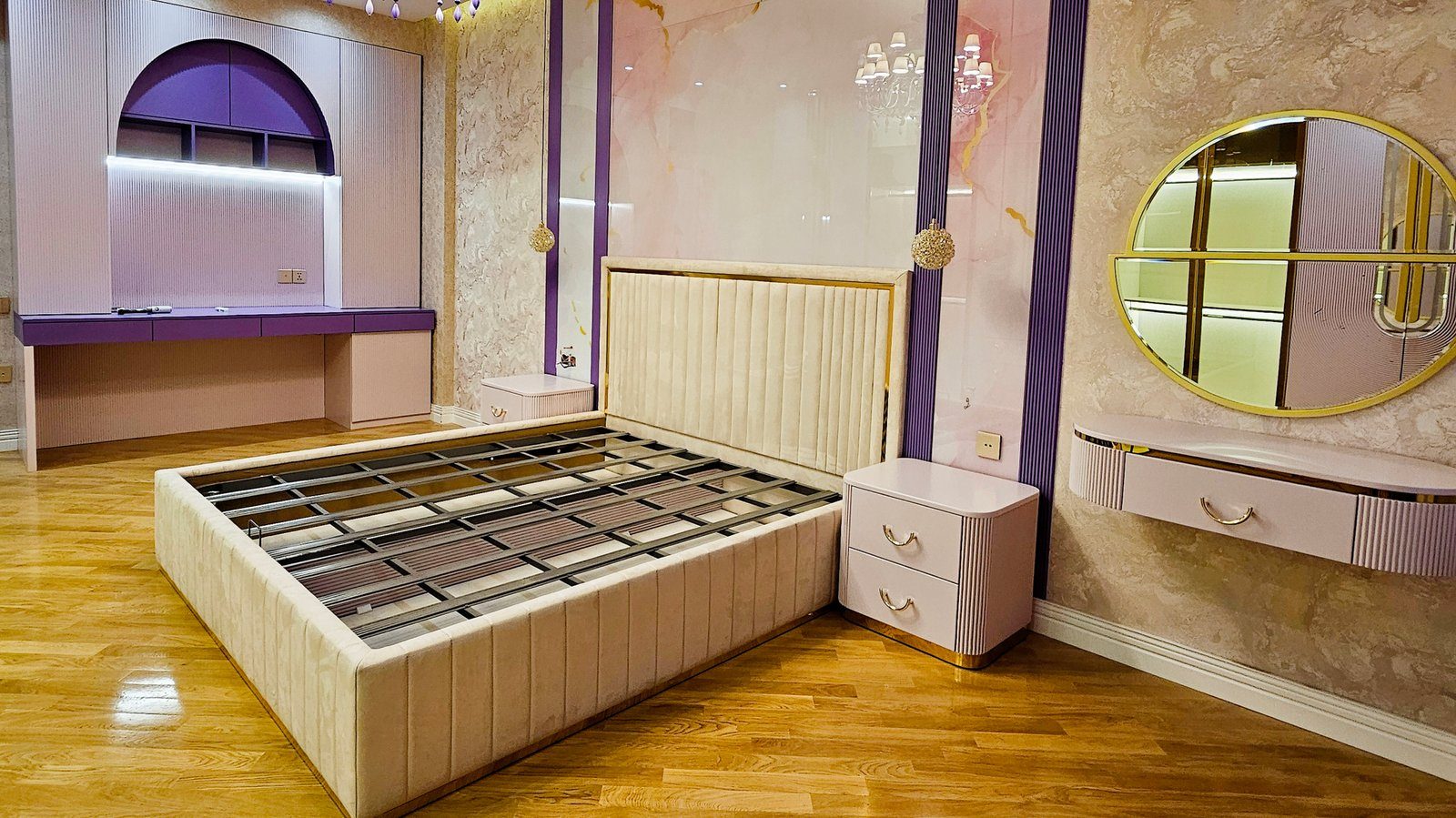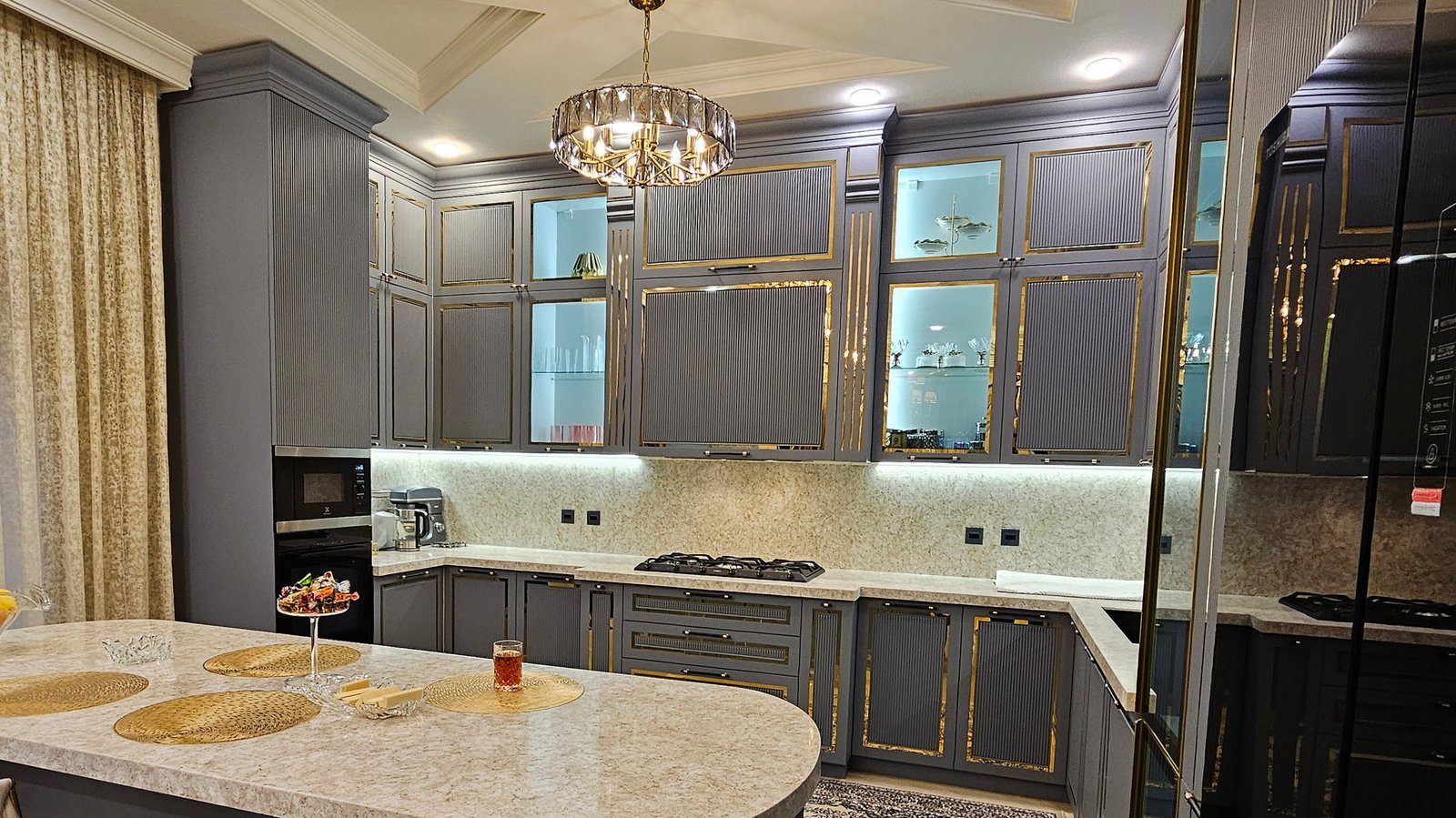

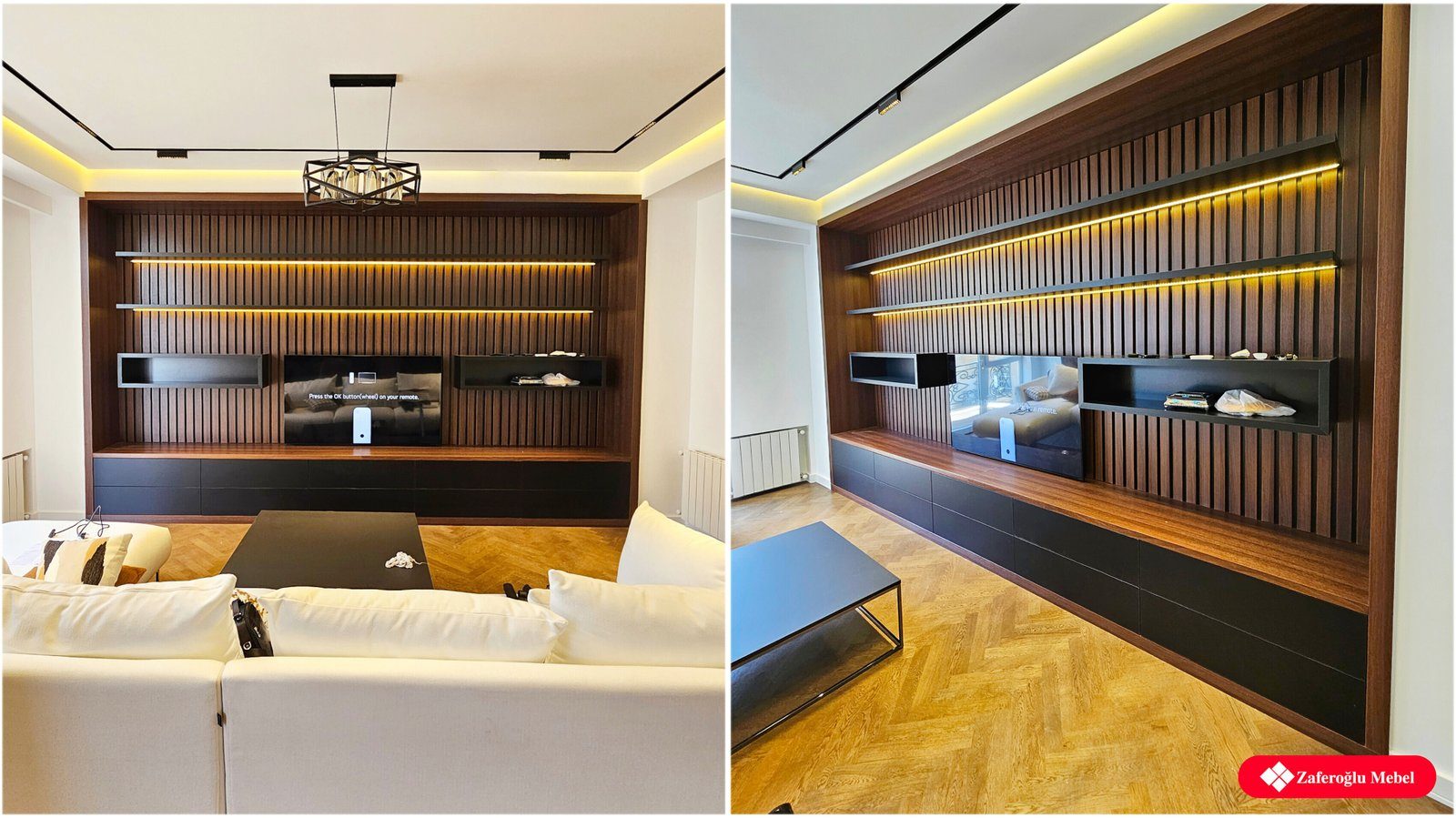
After guests leave, a whitish ring on the coffee table and a swollen edge on the TV unit are all too familiar. The damage happens in a moment, yet it often cannot be removed or needs the surface refinished. The good news is that almost all of it can be prevented with simple habits and the right choice of materials.
Why heat marks appear
When a hot dish is placed on a surface, two things happen. First, the high temperature softens the lacquer or plastic coating and changes its structure. Second, moisture from the bottom of the dish or the air gets under the warm coating. The result is a white or cloudy ring.
Different surfaces react to heat in different ways:
- lacquered solid wood and veneer are heat-sensitive, and white marks appear most often here;
- the top layer of laminated board is fairly resistant, but very hot items such as a boiling pan or an iron can discolour it or make it blister;
- acrylic and high-gloss plastic finishes can deform and lose their shine;
- stone and ceramic surfaces cope better with heat, though a sharp temperature change can sometimes cause cracking.
So heat resistance has to be judged for each material separately. A pan that does no harm on one surface may damage another.
Water rings and moisture damage
Condensation forms on the outside of a glass holding a cold drink, runs down and leaves a ring on the table. Water wiped away quickly usually leaves no trace. Water left for several hours, however, can pass through micro-cracks in the lacquer.
The main danger from moisture is at the edges. The face of a laminated board resists water well, but its edge is protected only by the edge banding. If the banding is damaged or the glue line is not continuous, water soaks into the board and it swells. Swollen board cannot be restored. That is why the condition of edges needs particular attention in kitchens, bathrooms and wherever plant pots stand.
Everyday protective habits
The most effective protection starts with simple things:
- coasters for glasses and cups, especially cold drinks and hot tea;
- wooden, cork or silicone trivets for pots and pans;
- a leak-proof saucer or small protective mat under plant pots;
- a tablecloth or placemats on the dining table, especially in families with children;
- blotting spills straight away with a dry cloth rather than rubbing.
Choose the coasters with care as well. Rubber mats and some plastics, left in the same spot for months, can react with a lacquered finish and mark it. Felt and cork are the safer choice.
Decisions when choosing materials
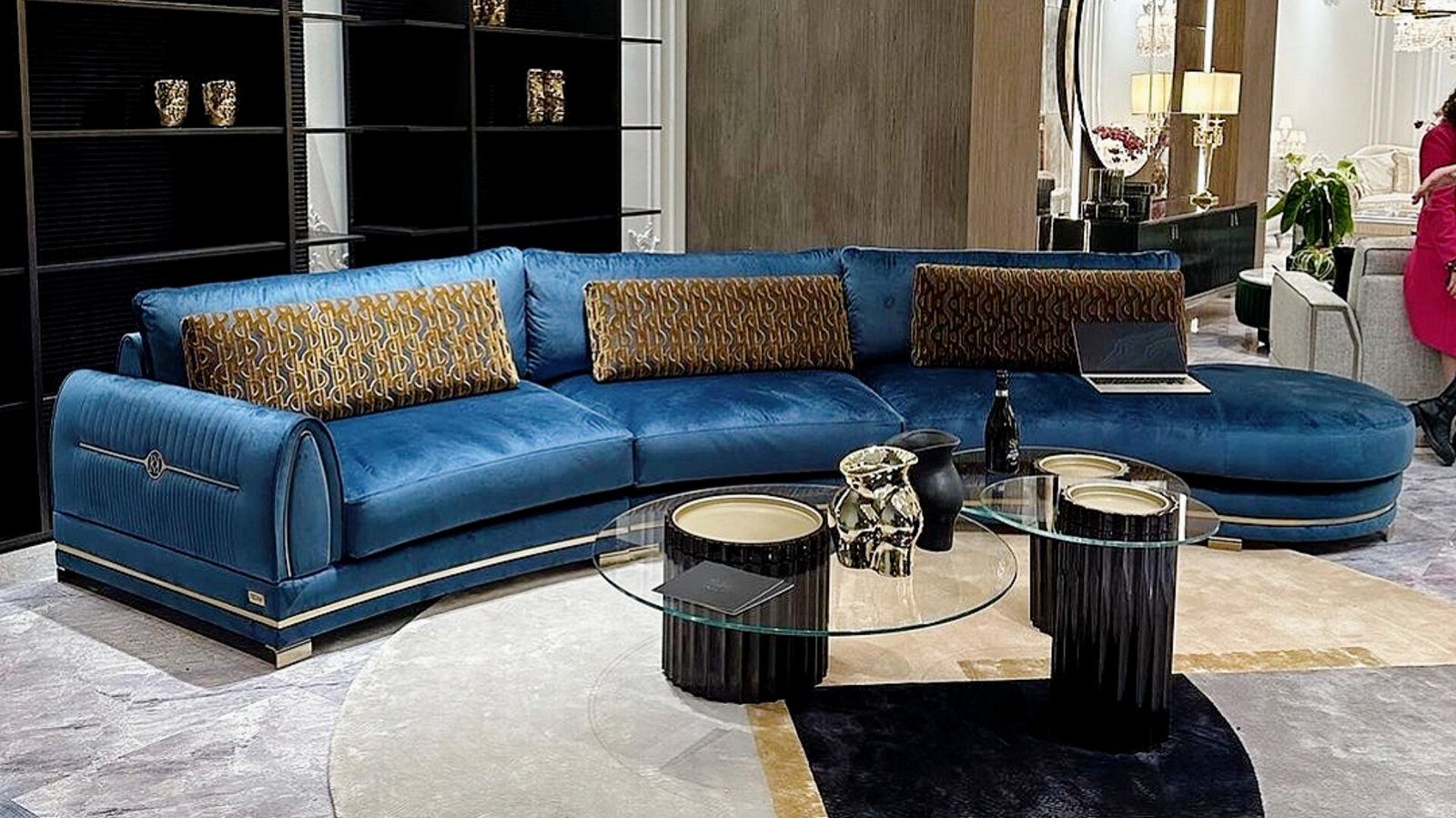
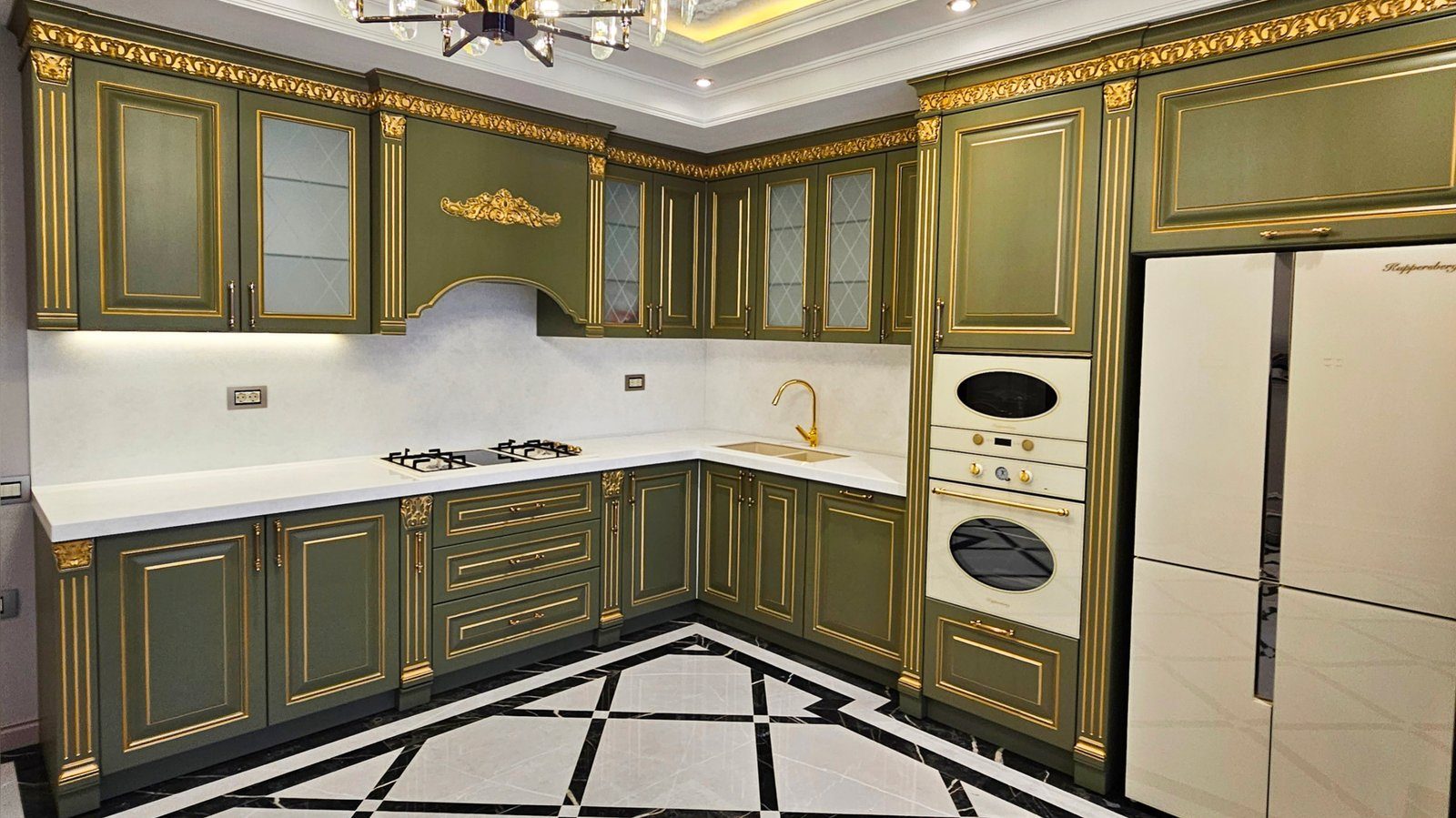
When ordering furniture for areas at high risk of damage, it helps to choose materials by how they will be used. For a living-room coffee table that regularly holds tea and coffee, durable laminate or stone may be more practical than lacquered veneer. In the kitchen, plan a heat-resistant area next to the hob where hot pans can be put down.
Edge finishing is part of the choice. Edge banding with a thin, continuous glue line is the best barrier against moisture getting in. In damp areas, check that the lower edges near the floor are sealed too.
What to do if a mark appears
If a white ring appears on a lacquered surface, the moisture sometimes sits only in the top layer of lacquer and fades with time. Keeping the surface dry and ventilated may be enough. Popular home tricks with an iron, toothpaste or alcohol are risky: rather than removing the mark they can damage the lacquer further. On valuable or solid wood surfaces in particular, it is better to avoid such experiments.
If heat has discoloured or blistered a laminate or plastic surface, the damage is usually permanent and the part needs replacing. The same applies to a swollen edge.
In custom orders Zaferoglu Mebel discusses materials according to where and how the furniture will be used. Mentioning at the ordering stage which surfaces will hold hot dishes, plants or drinks helps the surface and edges to be chosen accordingly.