
Works carried out without emptying the whole home — painting one room, fitting an air conditioner, replacing a window or laying a floor next door — put furniture at more risk than most people expect. Construction dust is extremely fine; it gets into drawer runners and hinges and scratches glossy surfaces when wiped. A few hours of preparation prevents long cleaning sessions and repairs later.
Decide first: move it out or protect it in place
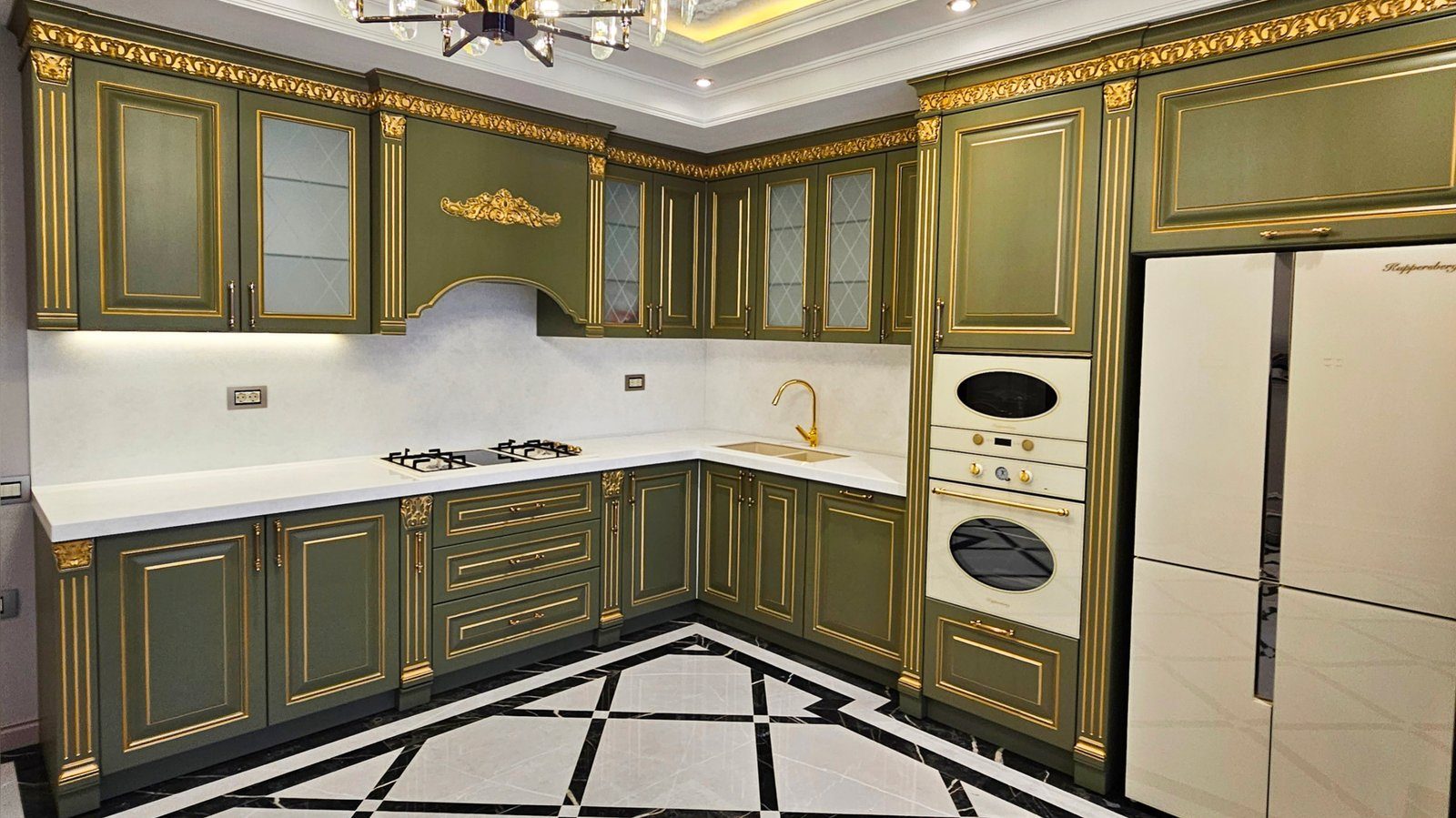
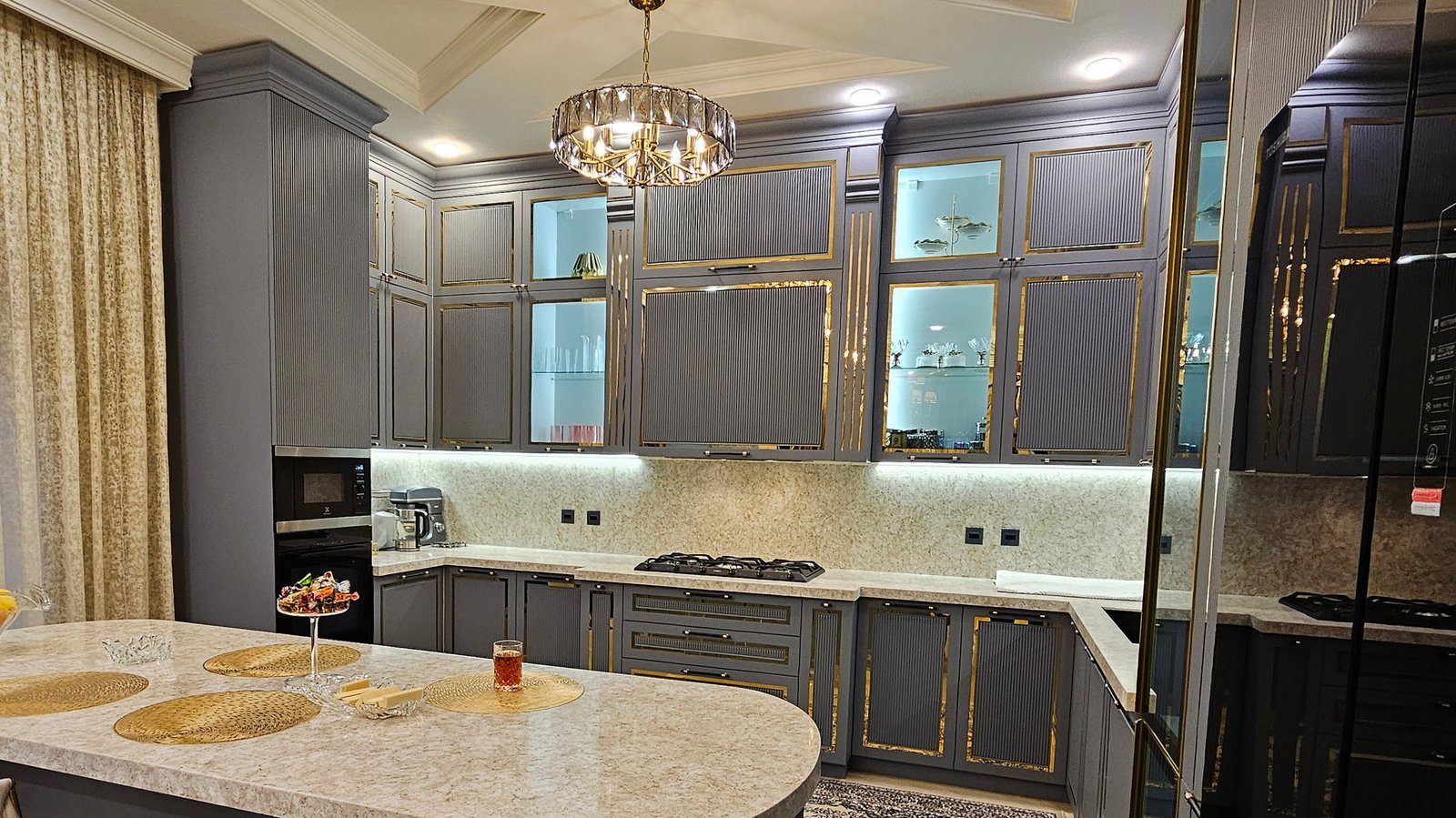
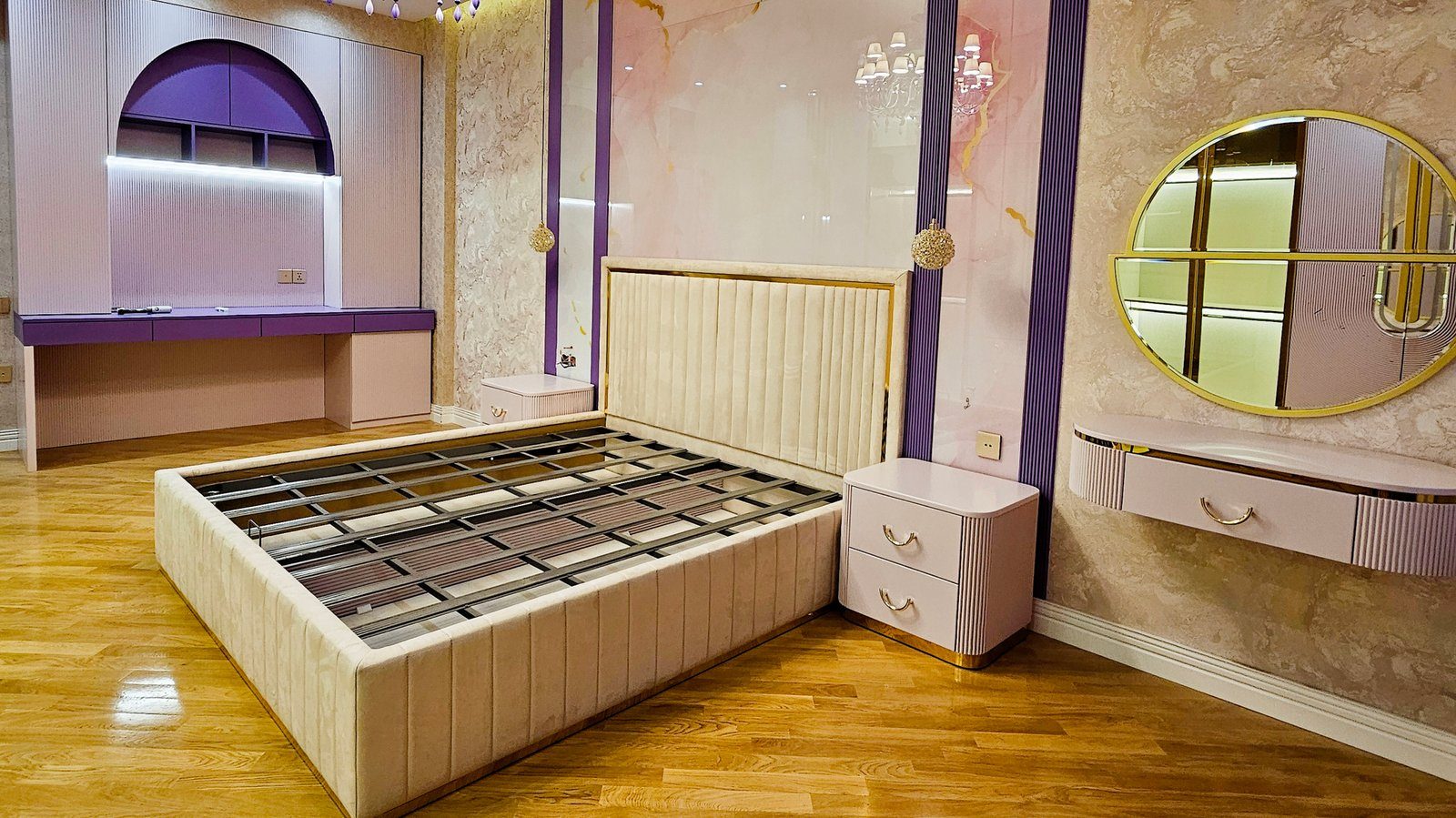
Not every piece can leave the room. A fitted kitchen, a wardrobe fixed to the wall or a built-in cabinet stays where it is. Freestanding pieces — armchairs, pouffes, coffee tables, small chests of drawers — should go to another room if at all possible, because even the best cover does not keep all the dust out.
Before moving furniture, empty the drawers and close the doors. Carrying a chest with full drawers can bend the runners. Heavy cabinets should be lifted rather than dragged: when feet catch on the floor, the joints of the carcass work loose.
How to cover furniture that stays
The right cover depends on the type of work:
- For painting and filling, heavy polythene sheeting protects against dust and drips. Tape its edges to the wall and floor with masking tape so dust cannot creep underneath.
- Where knocks are likely — ladders, tools, materials being carried — put cardboard or an old blanket under the sheeting to protect the surface.
- On upholstered furniture, avoid wrapping plastic tightly against the fabric for long periods, as moisture can build up underneath. A cotton sheet first and polythene over it is better.
Sticking masking tape directly onto lacquered, painted or high-gloss fronts is risky. Left for a long time, the tape can lift the finish or leave adhesive behind when removed. Wherever possible, tape onto the sheeting itself, the wall or the floor protection.
Drawers, hinges and mechanisms
Fine dust does the most damage to moving parts. Dust in drawer runners, door dampers and lift mechanisms increases friction and makes movement noisy and stiff. To prevent this:
- do not open drawers and doors while the works are going on;
- cover the gaps where doors meet with sheeting taped along the edges;
- take out anything you will need beforehand so there is no reason to open the cabinet during the works;
- in the kitchen, cover appliance ventilation openings too, but remember to uncover them before switching anything on.
Sanding and cutting dust is a special case
Dust from sanding walls or cutting tiles and stone is the finest of all and stays in the air for a long time. Where possible, such work should be done outside the room with the furniture, and the doorway sealed with a plastic curtain. Tools connected directly to a vacuum extractor greatly reduce the spread of dust, so it is worth discussing this with the tradespeople in advance.
There is no need to rush once the work is done, either. Pulling off the sheeting straight away tips the dust on top of it onto the furniture. Vacuum the sheeting first, then fold it carefully from the edges inwards and remove it.
Cleaning: vacuum before you wipe
Wiping construction dust straight off furniture with a dry or damp cloth is a mistake. Hard particles in the dust act like sandpaper and leave fine scratches, especially on gloss, lacquered and dark surfaces. The right order is:
- first vacuum the surfaces and edges with a soft brush attachment;
- then wipe with a lightly dampened microfibre cloth without pressing, rinsing the cloth often;
- finally, dry with a clean microfibre cloth, paying attention to the joints of the edge banding.
Vacuum drawer runners and hinges as well. If movement still feels stiff, the mechanism may need adjusting or a service visit.
Humidity and temperature
Renovation brings moisture as well as dust. Fresh plaster, screed and paint release a lot of water into the air. Keep the room ventilated, but in winter do not aim a heater directly at furniture: rapid drying can affect edge banding and solid wood parts. Opening windows and keeping furniture slightly away from a damp wall is safer.
A quick checklist: freestanding furniture moved out; remaining pieces covered with sheeting and cardboard where needed; tape stuck to the sheeting rather than the fronts; drawers and doors kept closed; and a plan to vacuum first and wipe second when the work is finished.
Zaferoglu Mebel says it keeps supporting customers after handover, so if a drawer or door starts behaving differently once the building work is over, you can contact the company about adjusting it.