
Turn over a cushion on a sofa that has stood by a window for a few years and the difference is obvious: the side facing the room is faded, the underside still its original colour. On a wooden table, a vase left in one place for a long time leaves a patch of different colour. The main cause of these changes is sunlight. It cannot be stopped completely, but it can be slowed down considerably.
How light affects materials
Ultraviolet radiation is the most damaging part of sunlight, but visible light and heat play a role too. The rays break down the dye molecules in fabric and the colour weakens. In wood, natural compounds change chemically under light: some species darken, others lighten or yellow. Lacquers and other finishes can also yellow and become brittle over time.
An important point: ordinary window glass blocks part of the ultraviolet, but not all of it. Furniture behind glass still fades, just more slowly than outdoors.
Fabrics: which fade faster
A fabric’s resistance to light depends on the fibre and the dyeing method:
- Natural fibres such as cotton, linen and silk are generally more sensitive to sun, especially in bright and dark colours.
- Synthetic fibres such as polyester and acrylic are often more durable. When dye is added to the fibre during manufacture (solution dyeing), the colour sits inside the fibre and fading slows down markedly.
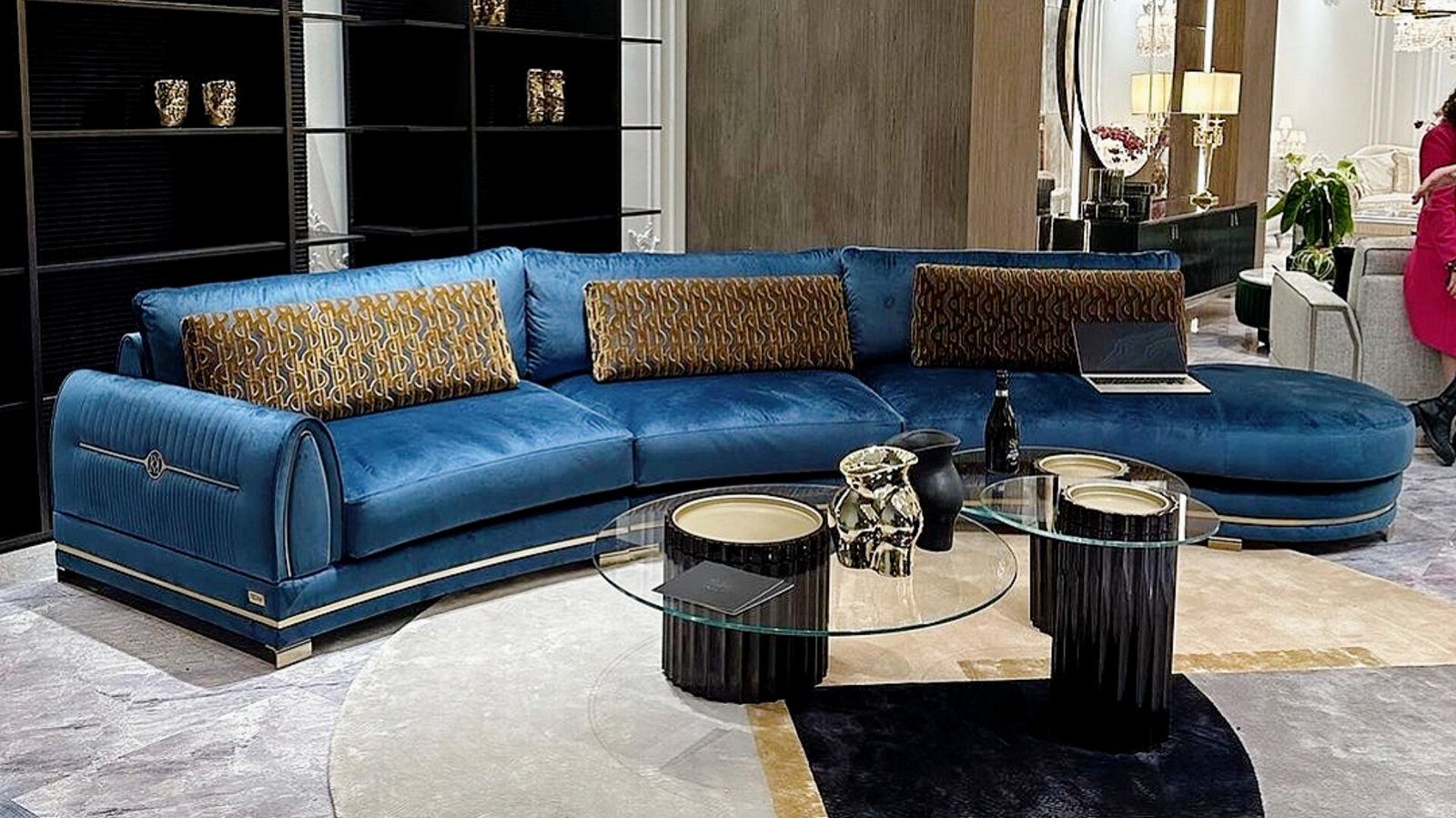
- Pile fabrics like velvet can change the direction of the pile as well as fade, which makes the colour look uneven.
- Natural leather loses colour in the sun and can dry out and crack.
When choosing fabric it is worth asking for the manufacturer’s lightfastness rating. It is usually given on the blue wool scale, where a higher number means greater resistance to light.
Wood, veneer and board surfaces
Solid wood and veneer react to light more than any other surface. Cherry darkens with time, walnut lightens slightly and oak can take on a yellowish tint. The change is most noticeable in the first months. That is why it is sensible to move objects on a new wooden table from time to time, or their “shadow” will remain on the surface.
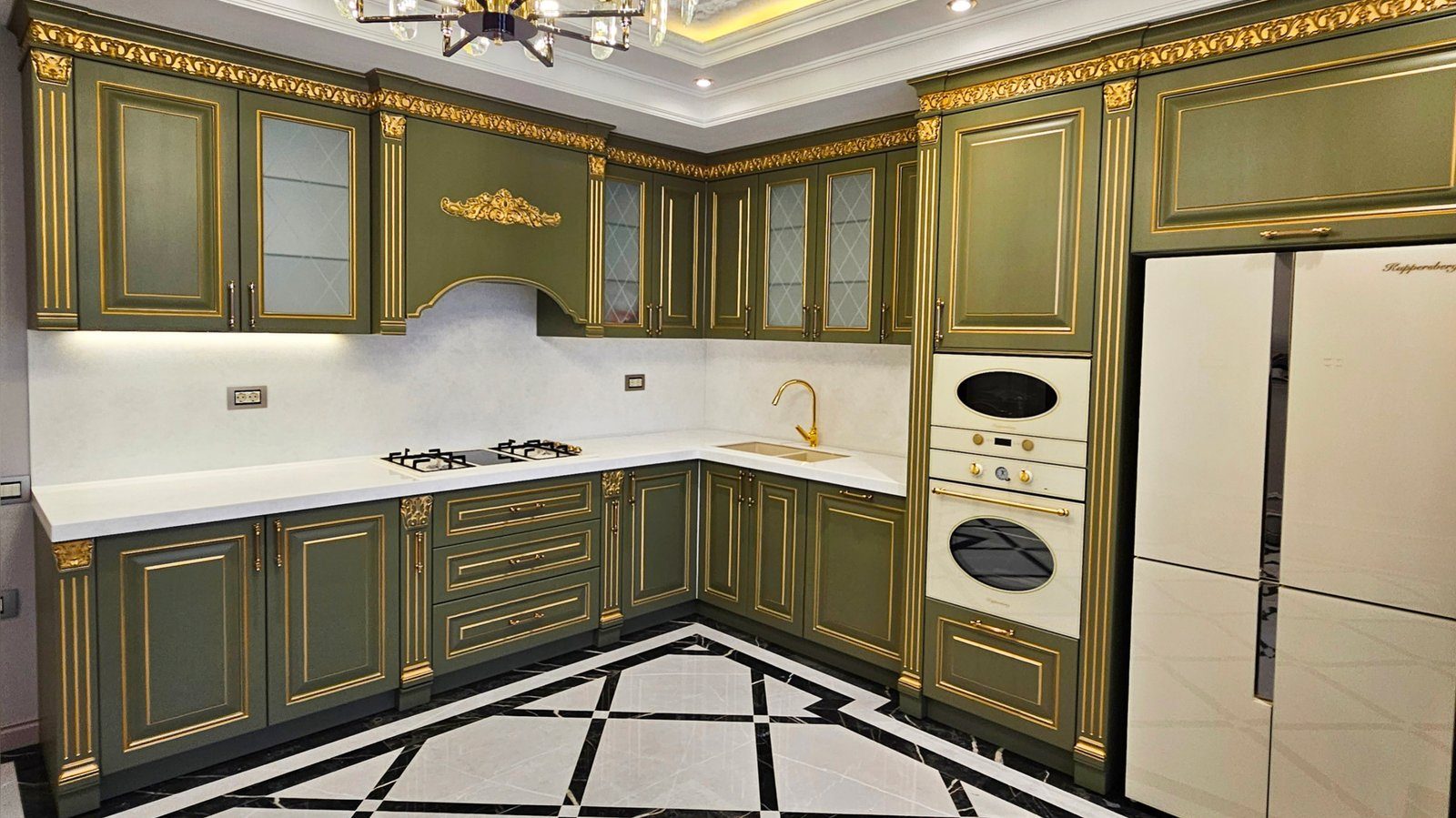
On laminated board and HPL the decor layer is usually more lightfast, though not immune. On painted fronts, whites and light tones can yellow while dark and saturated tones can fade. Within one kitchen, fronts that get sun and those that do not can drift apart in colour over the years.
Protection at the window
The most effective protection reduces light before it reaches the furniture:
- Curtains and blinds. Heavy curtains or roller blinds closed during the strongest midday hours are the simplest solution. Sheer curtains diffuse light but do not block the rays.
- Window film. Clear films that block ultraviolet reduce the effect without changing the view.
- Energy-efficient glazing. Some modern double-glazed units reduce both heat and part of the ultraviolet; ask about this when replacing windows.
- External shading. An awning or external blind on the sunny side reduces light before it enters the room.
Placement and daily habits
When positioning furniture, watch where the sun falls in the room over the course of the day. It makes sense to keep dark, saturated upholstery out of direct sunlight and to place pieces with light, neutral or lightfast fabrics in front of the window.
Simple habits also help:
- turn and swap sofa cushions regularly;
- move decorative objects on tables and chests of drawers now and then;
- rotate rugs periodically;
- close curtains during the day in rooms that are not in use.
If fading has already started
Faded fabric is hard to restore at home. If the cover is removable, a new cover is the most reliable answer. On wood, small colour differences can even out over time as the surface gets uniform light; deeper changes require sanding and refinishing.
Zaferoglu Mebel recommends taking the light conditions of the furniture’s intended spot into account when choosing upholstery and front materials; more resistant fabric and surface options for a sunny room can be discussed at the ordering stage.