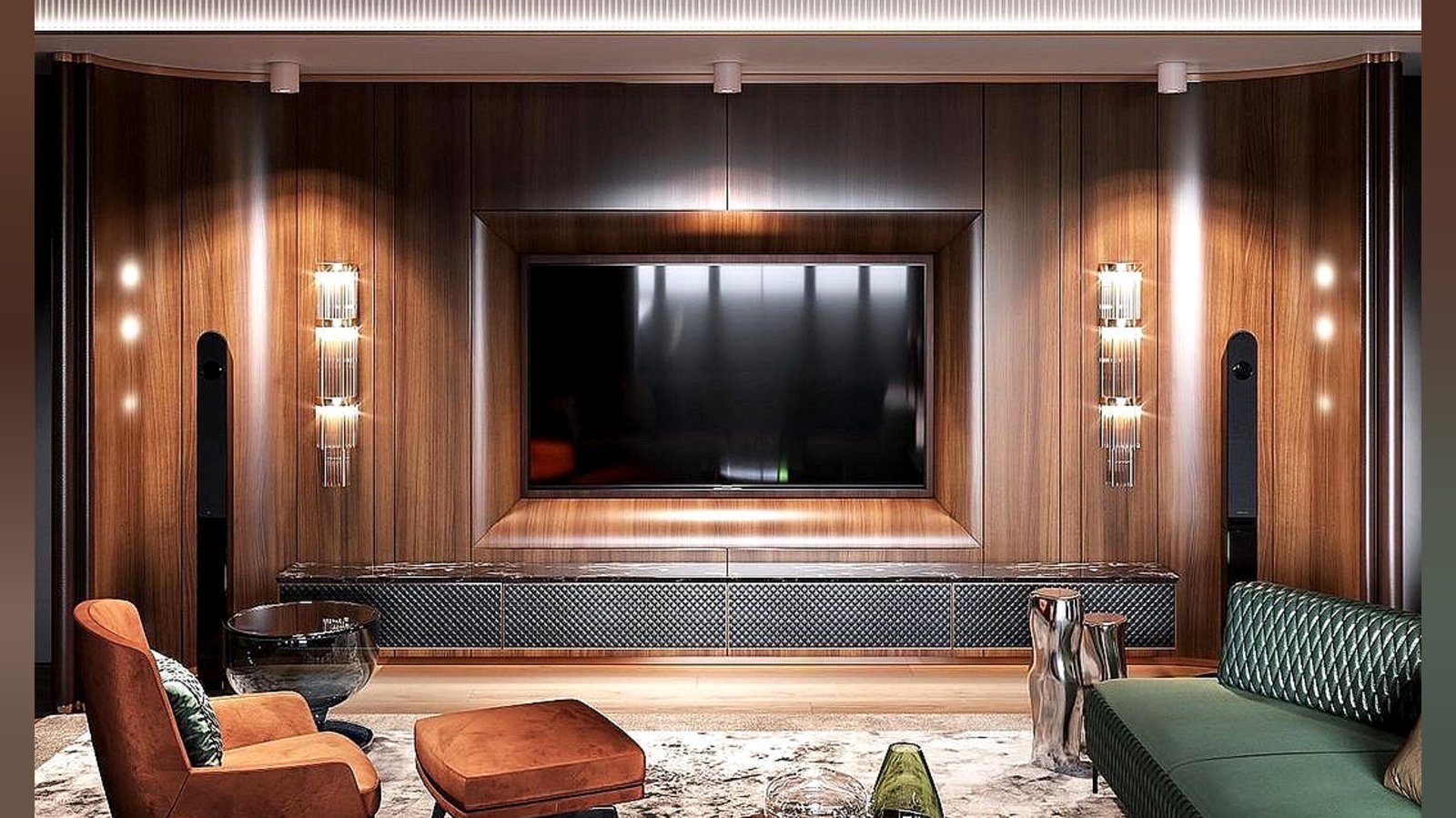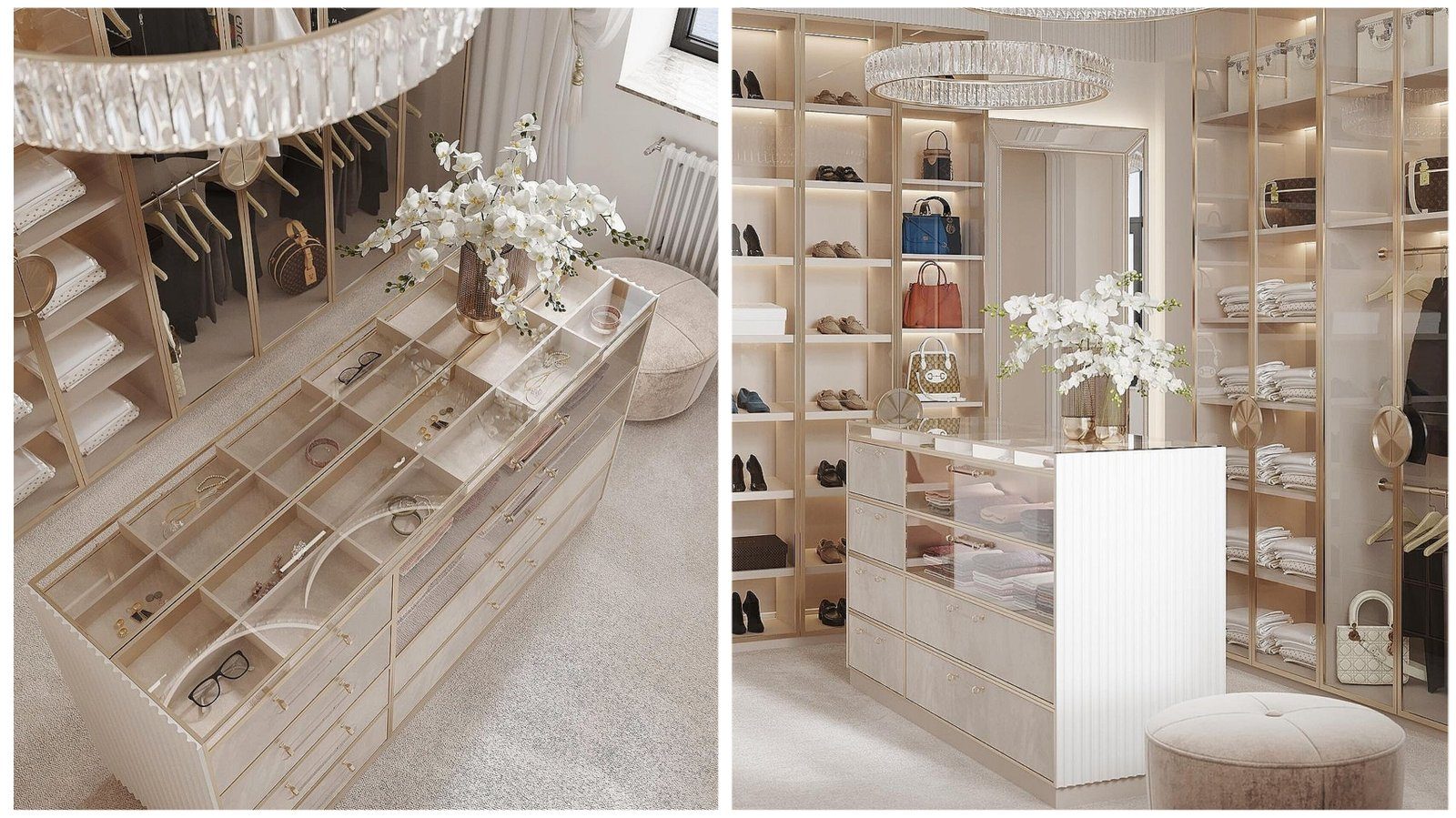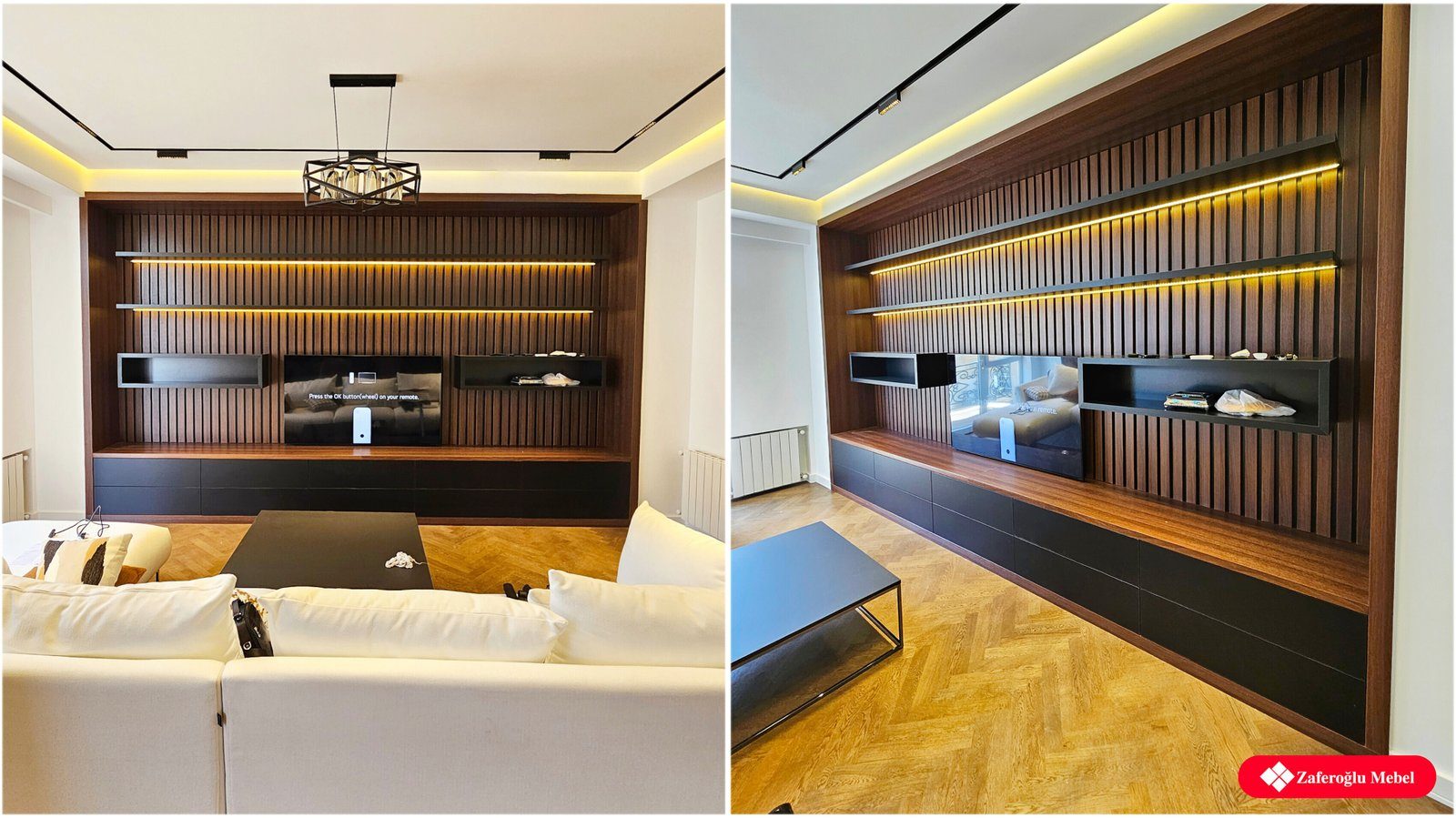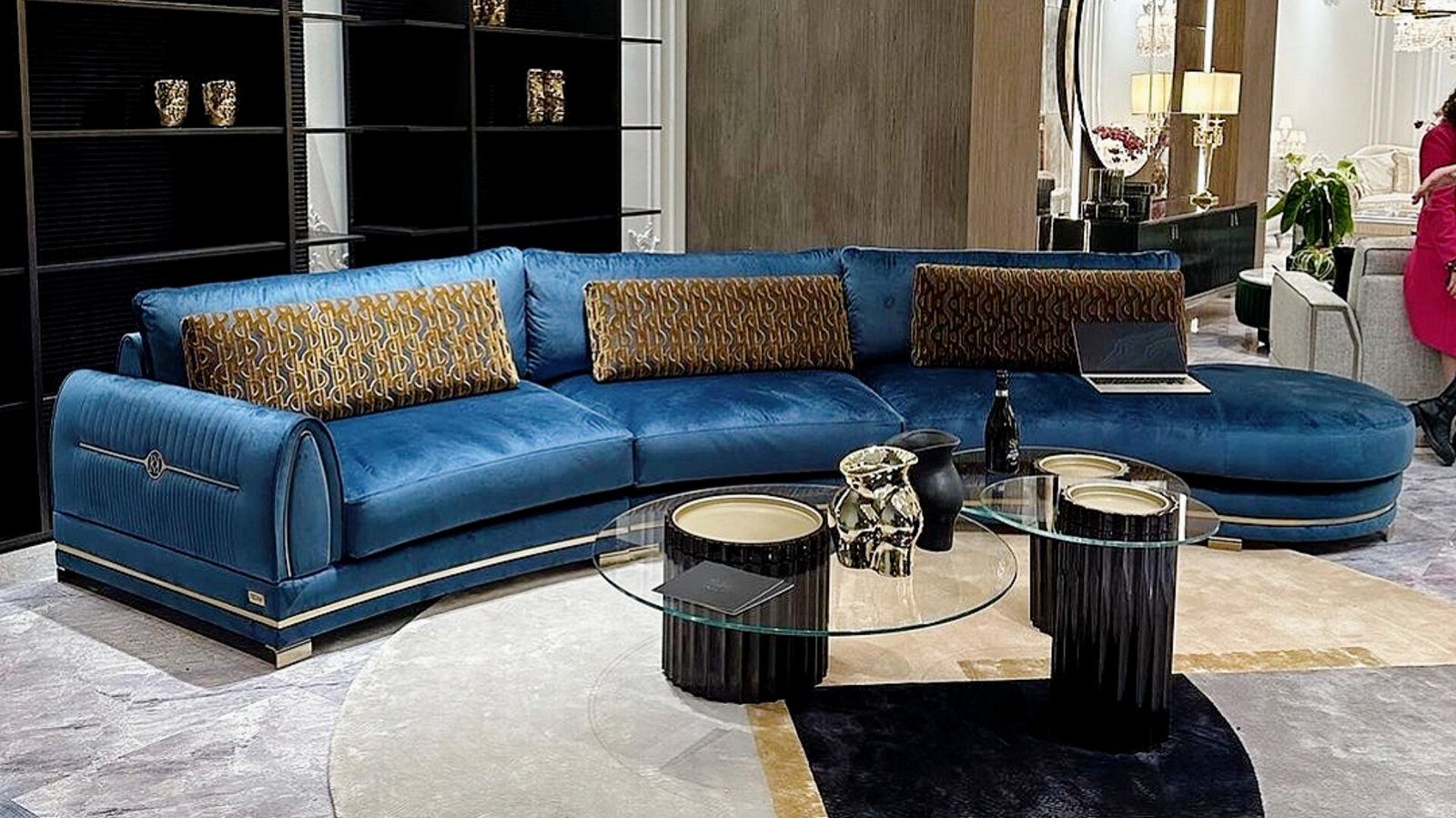

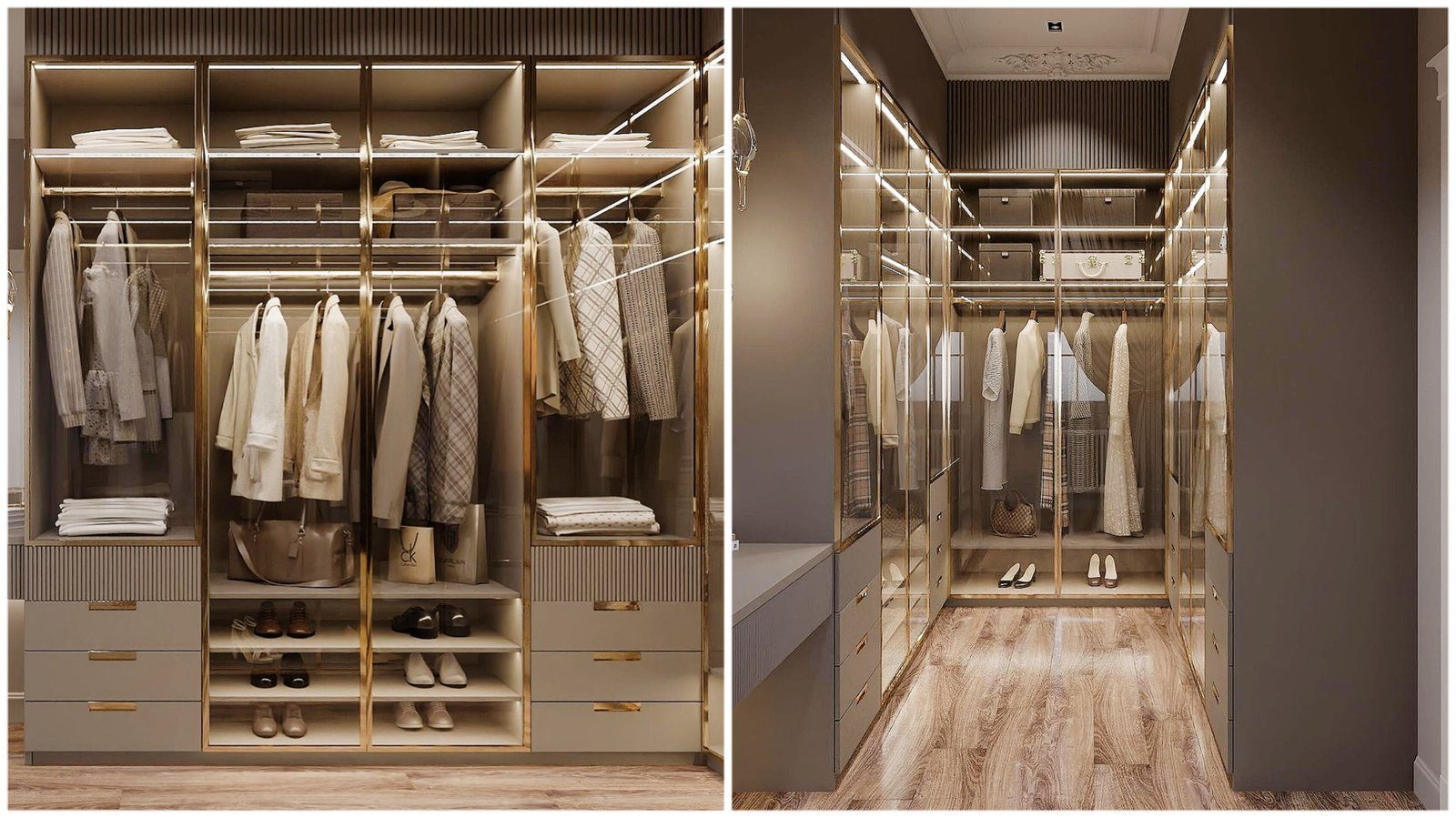
A mirrored wardrobe front, the glass door of a display cabinet or a glass shelf on a TV unit brightens a room when it is clean. But these same surfaces instantly show the smallest fingerprint, dust mark and streak left by wiping. On top of that, glass and mirrors in furniture are not the same as window glass: they are surrounded by board, aluminium profiles, adhesive and the mirror's backing. The wrong product or too much water can clean the glass while damaging the materials around it.
Why streaks are left behind
The main causes of marks on glass are:
- Too much cleaner: the product is not fully wiped off and leaves a thin film as it dries.
- A dirty or greasy cloth: grease on the cloth spreads over the glass.
- Hard water: minerals in tap water leave white spots and rings as they dry.
- Cleaning in direct sunlight: the product dries before it is wiped off.
- Circular motions: dirt is lifted from one spot and spread to another.
Knowing these causes defines the method itself: little product, a clean cloth and systematic movements.
What you need
No special equipment is needed for furniture glass. It is enough to have:
- Two clean microfibre cloths: one for damp wiping, one for dry polishing. A smooth-weave microfibre made for glass leaves no lint.
- A gentle glass cleaner, or warm water with a very small amount of neutral detergent.
- In hard-water areas, distilled water for the final rinse.
Abrasive powders, rough sponges, scraping marks off with a knife or scraper, and frequent use of strong ammonia-based products near mirror edges are not recommended.
Step-by-step method
- First remove dust with a dry microfibre cloth. Dust turns to smears when wiped wet.
- Spray cleaner onto the cloth, not onto the glass. This matters especially on mirrored fronts and cabinet doors: liquid sprayed on the glass runs down to the profile, the board and the mirror backing.
- Wipe from top to bottom in an S pattern or in overlapping straight strokes.
- Immediately polish in the same direction with the second, dry cloth.
- Look at the glass from the side against the light: remaining streaks show up better at an angle.
Mirrored front edges and backing
A mirror's reflective layer is on the back and protected by paint. Water and harsh chemicals seeping in at the edges gradually damage that layer, causing dark marks at the edges — the corrosion known as "desilvering". This cannot be repaired afterwards; the mirror has to be replaced.
So on the mirrored front of a sliding wardrobe, wipe the edges, the joint with the profile and the bottom section with a barely damp cloth, and do not leave water drops there. The safety film applied to the back of mirrored fronts keeps shards from scattering if the glass breaks; take care not to peel it at the edges while cleaning.
Glass shelves and display cabinet doors
Sliding objects across glass shelves can cause fine scratches; using items with soft feet reduces the risk. It is easier to clean a shelf after lifting it off its supports; when doing so, do not lose the clear rubber or silicone pads on the shelf supports, which stop the glass from sliding.
In illuminated display cabinets, switch off the lights before cleaning: moisture on an LED strip or bulb is unsafe and also leaves marks inside the diffuser profile. When wiping the glass of a cabinet door, do not leave excess water around the hinges and handle.
Special stains
- Grease marks (kitchen display units): warm water with a little neutral detergent, then a rinse with clean water and dry polishing.
- Limescale and water spots (bathroom furniture): dampen the cloth with diluted vinegar, but keep it away from surrounding stone, metal and painted surfaces.
- Adhesive and label residue: soften with a little vegetable oil or adhesive remover, then clean as usual; do not scrape with metal tools.
- Frosted (satin) glass: may have a special coating; oily products leave stains on it, so only a damp cloth and a neutral product are recommended.
Zaferoglu Mebel uses mirror and glass elements in wardrobes and display cabinets, with Aristo and RaumPlus profiles in its sliding door systems. Care advice for a specific mirrored or glazed front can be obtained from the installers during installation.