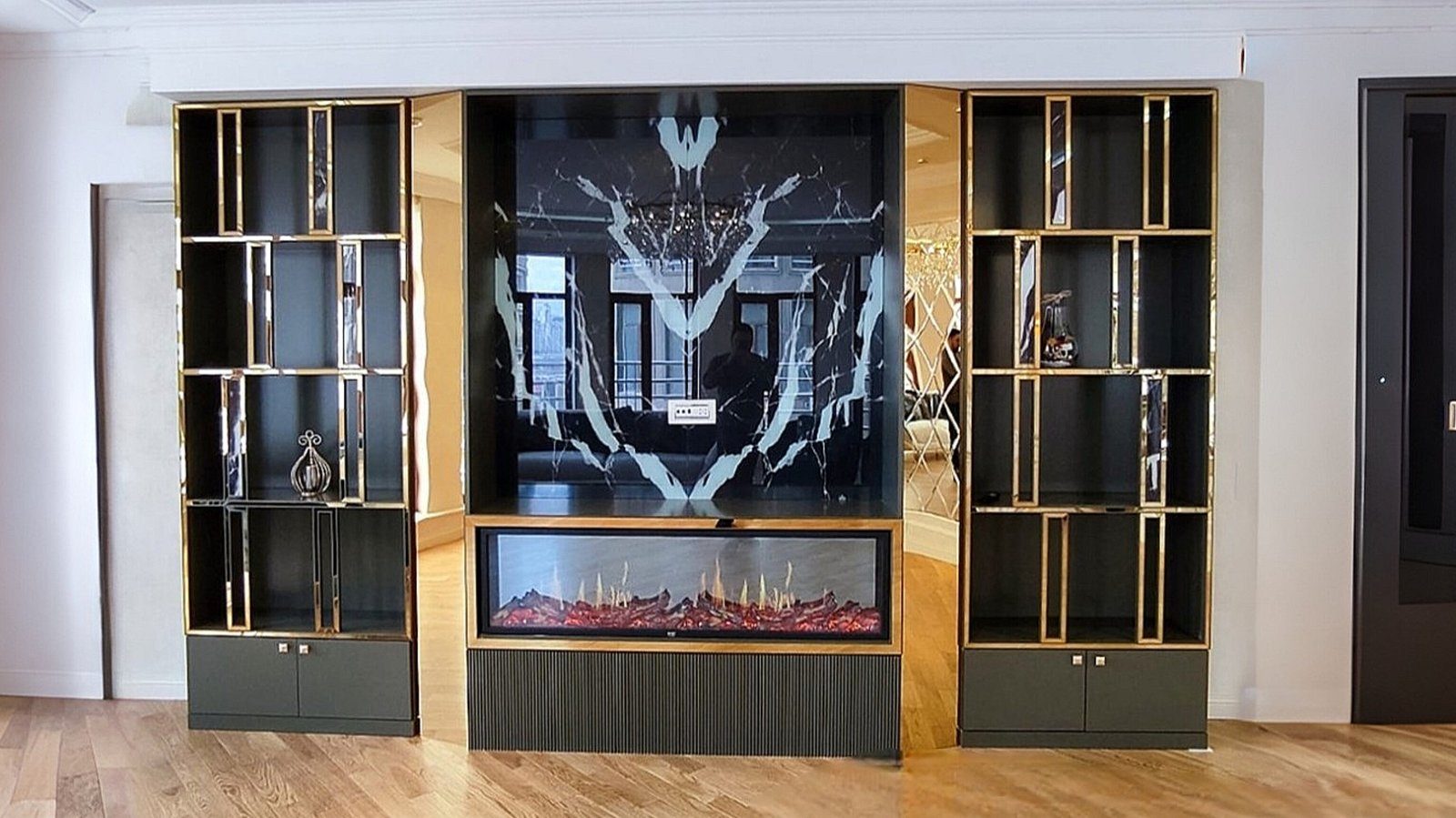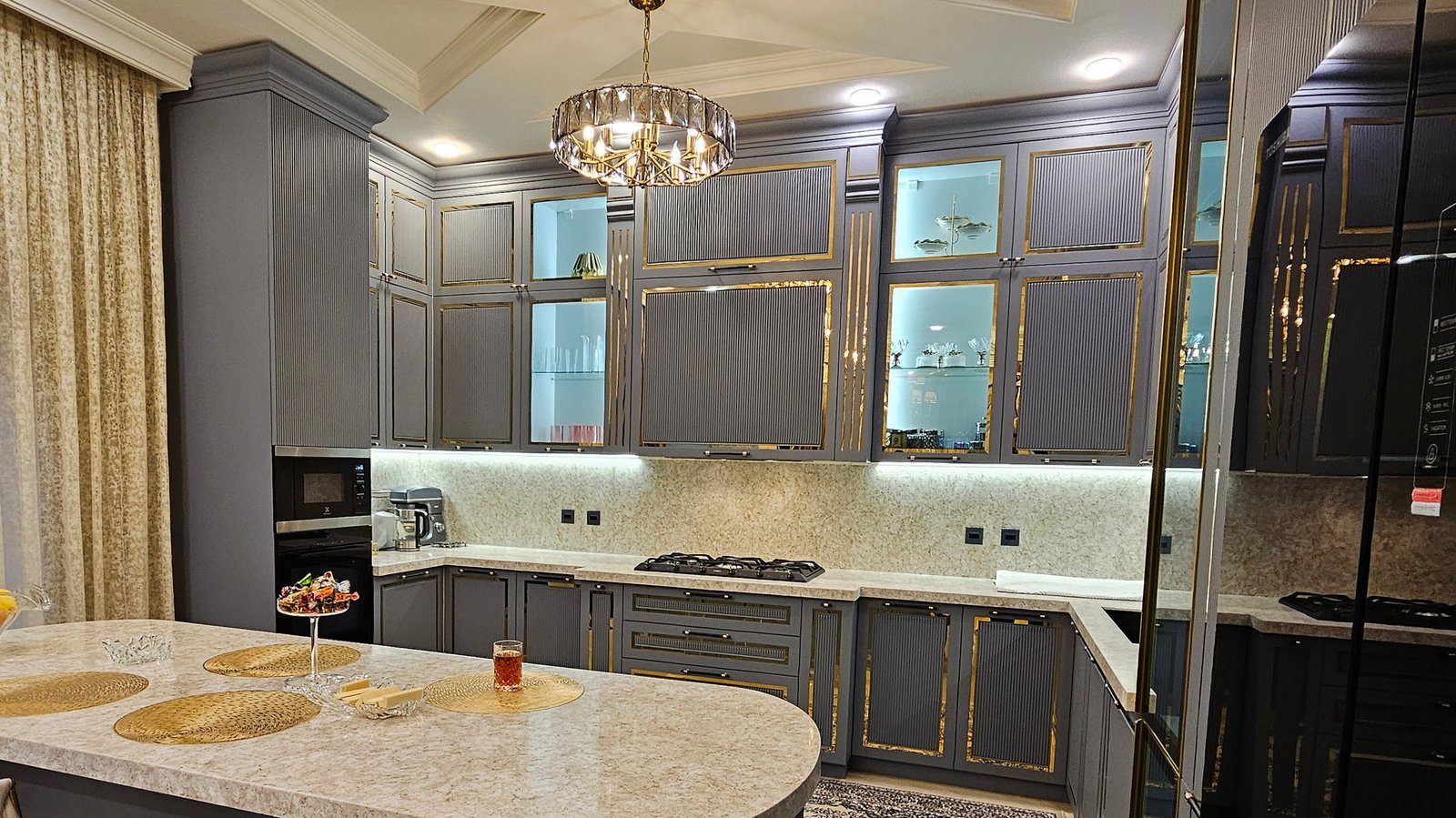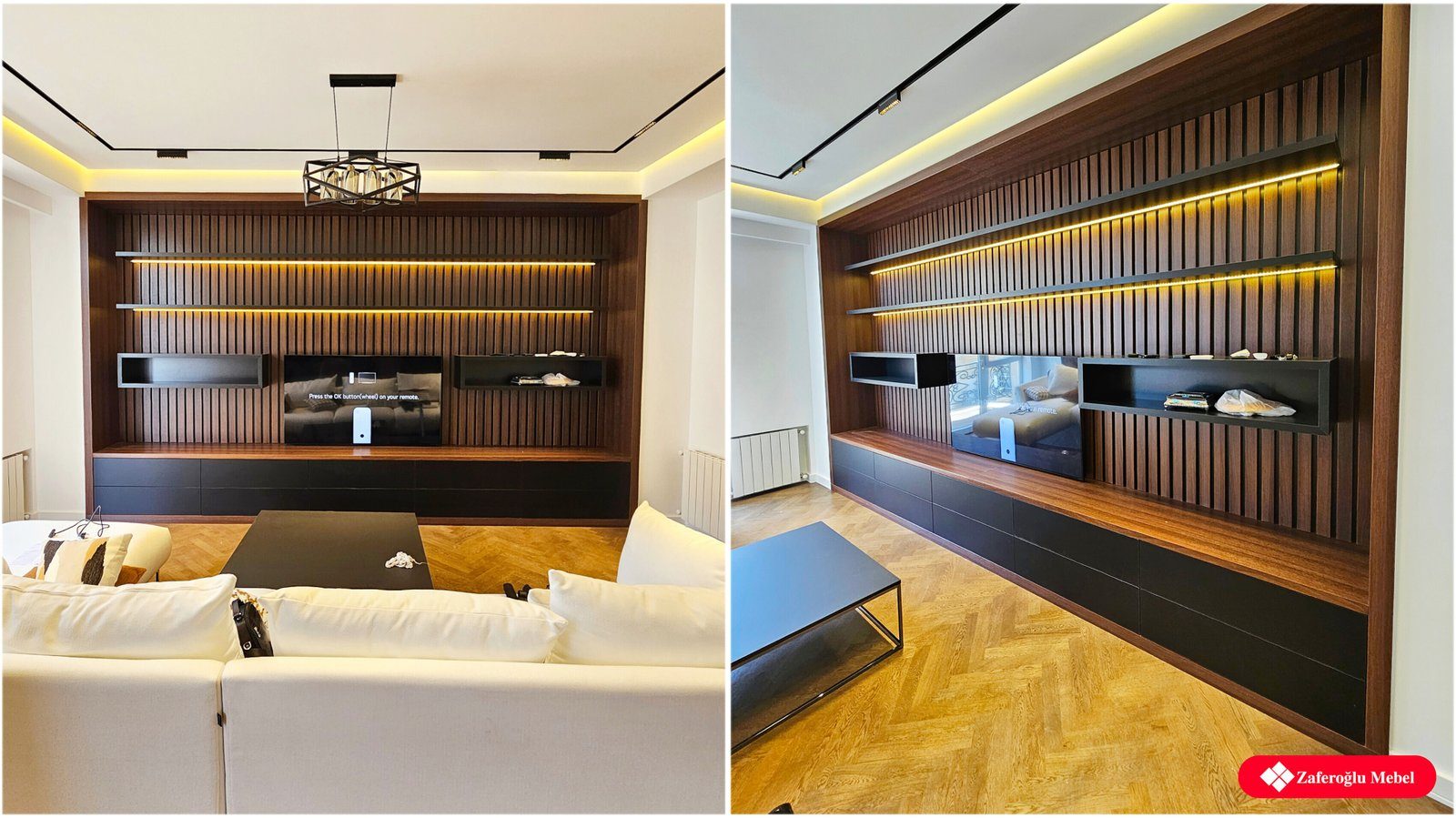

The mirror is the oldest optical trick in interiors: it doubles light, pushes walls back visually and makes a small room look larger. In furniture, mirrors appear on wardrobe doors, hallway cabinets, the backs of display cabinets, above chests of drawers and even on kitchen fronts. But a mirror is not a neutral material. It repeats everything in front of it, the lovely view from the window and the messy corner alike. So when placing it, the key question is not where the mirror goes but what it reflects.
The light effect
A mirror reflects light and sends it to another part of the room. Mirrored doors opposite or beside a window carry daylight deeper into the room. In a hallway with little natural light or a dark bedroom, the effect is particularly noticeable.
However, a mirror directly facing a strong light source can be uncomfortable: daylight reflects into your eyes, and in the evening a lamp's bright point appears twice. Placing the mirror at a slight angle to the window rather than directly opposite spreads the light more softly.
The illusion of depth and space
Mirrored wardrobe doors in a narrow bedroom or hallway make the wall disappear, and the room seems twice as wide. For the effect to work, a few conditions apply:
- the space in front of the mirror should be open and tidy; if full shelves or a cluttered desk stand opposite, the mirror doubles the chaos;
- a large, continuous mirror surface creates a stronger illusion, while many small divided mirrors create sparkle rather than depth;
- what the mirror reflects should be worth seeing: a window, a plant, a painting or a well-lit wall.
Mirrors in the bedroom
Mirrored wardrobes are common in bedrooms, because a full-length mirror is needed for dressing and there is often no room for a separate one. One practical point needs thought: some people are unsettled by seeing their reflection or movement in a mirror facing the bed at night, and find it harder to fall asleep.
Solutions include:
- placing the mirror on a wardrobe on a side wall rather than directly opposite the bed;
- fitting the mirror on the inside of a door, within the wardrobe or on a slide-out frame;
- mirroring only one wardrobe door rather than all of them;
- choosing a tinted mirror, such as grey or bronze, which softens reflections and looks calmer.
Mirror types and decorative options
Mirrors used in furniture are not only standard silver:
- tinted mirrors in grey, bronze or graphite give a deep, restrained look in contemporary interiors;
- antiqued mirror with a mottled, patinated effect suits classic and vintage interiors;
- mirror with a frosted pattern, partly matt and partly reflective, is decorative and partly hides the reflection;
- bevelled mirror with angled cut edges refracts light and gives a classic look.
On the back wall of display cabinets and shelving, a mirror shows objects from all sides and deepens the interior of the cabinet. But a mirror-backed cabinet needs more tidiness, because the backs of objects and dust are visible too.
Safety and technical points
A mirror in furniture is a large glass surface with safety requirements:
- on doors and at low heights, a safety film on the back is important so that fragments stay in place if the mirror breaks;
- in a child's room, safety film is essential if the mirror is low down;
- mirror edges should be polished;
- in damp places such as bathrooms, choose moisture-resistant mirror, or the backing will blacken over time;
- on sliding doors, the weight of a large mirror panel must suit the mechanism's load limit.
Cleaning also needs thought: the lower parts quickly collect fingerprints and children's handprints, so areas that will be wiped often should be easy to reach.
When choosing a mirrored door, pay attention to the back of the mirror too. Good furniture mirrors have a protective backing coat that slows down darkening of the silver layer in humid conditions. This matters especially in hallways next to a bathroom.
Zaferoglu Mebel designs wardrobes and hallway cabinets to individual measurements. When planning mirrored doors, discussing what stands opposite the wardrobe and where windows and lamps are helps the mirror bring light and depth to the room without causing discomfort.