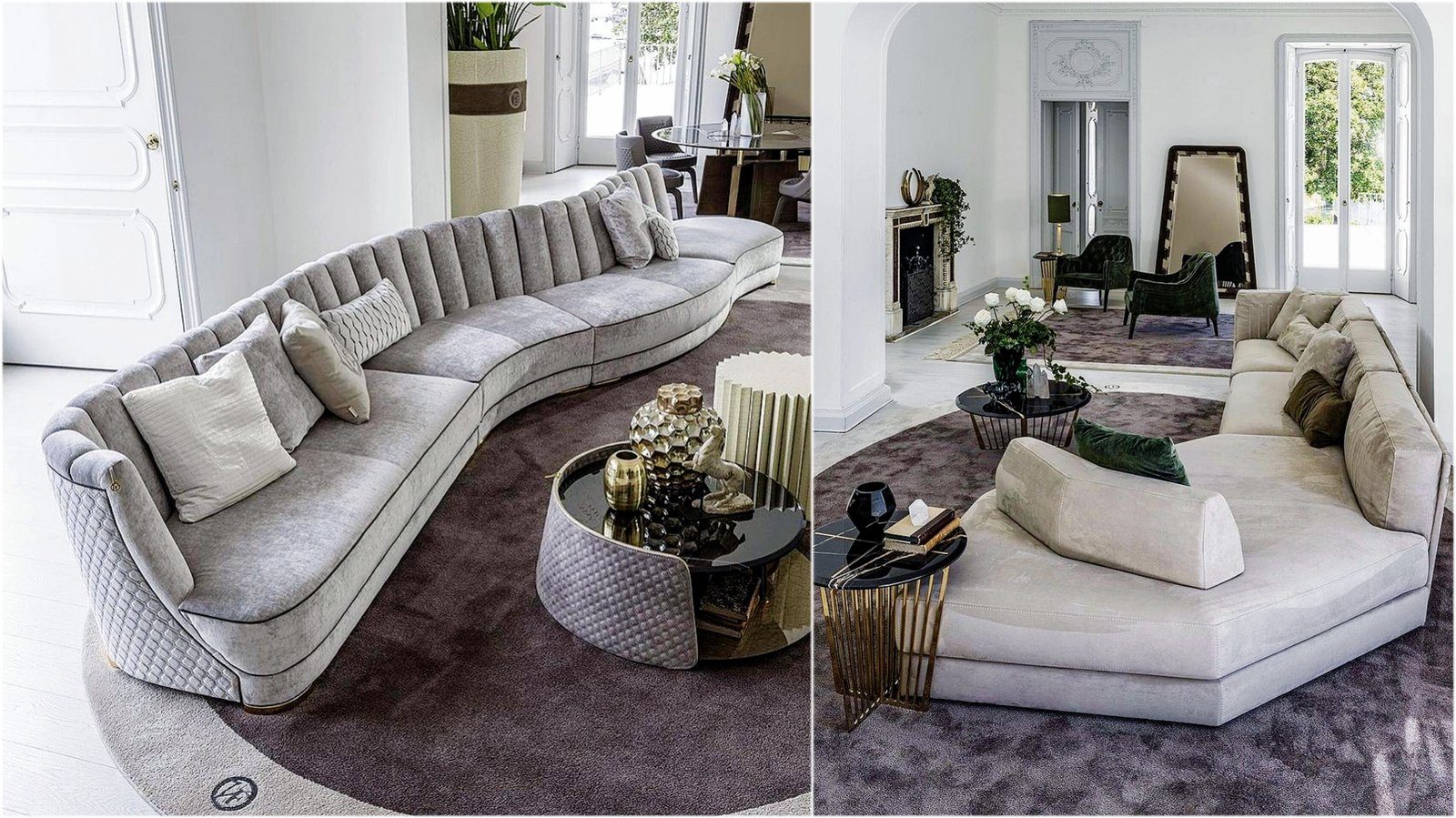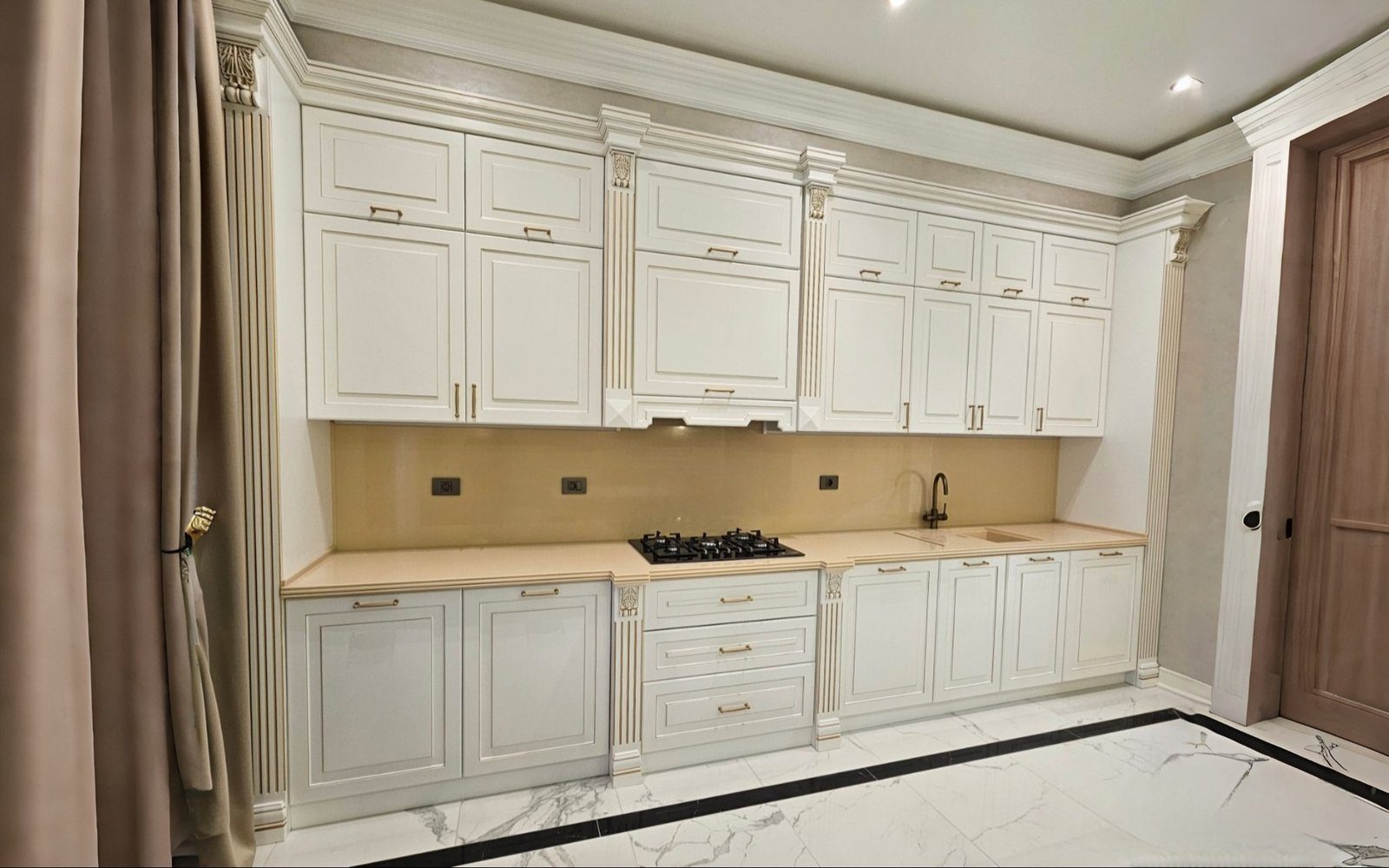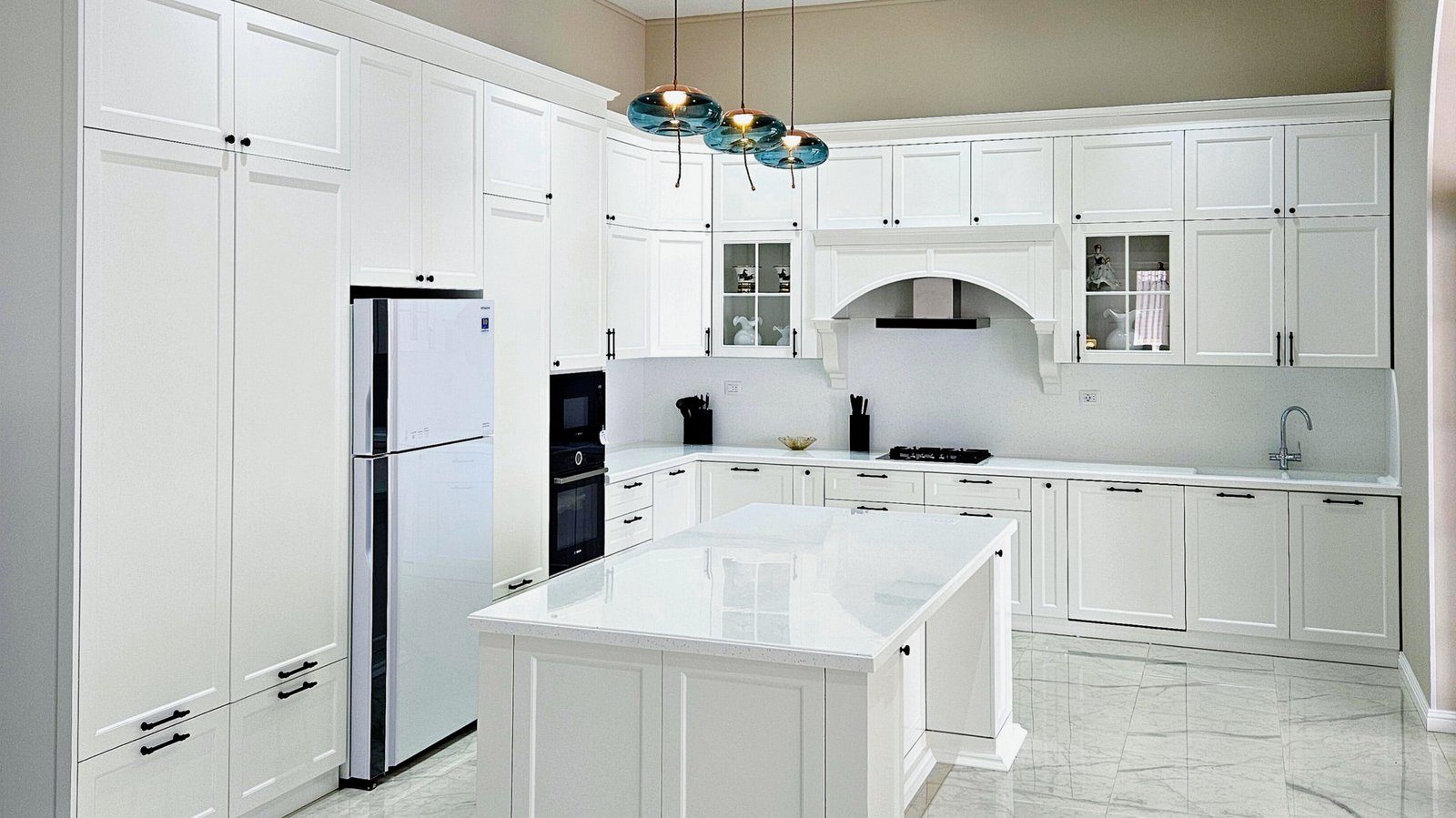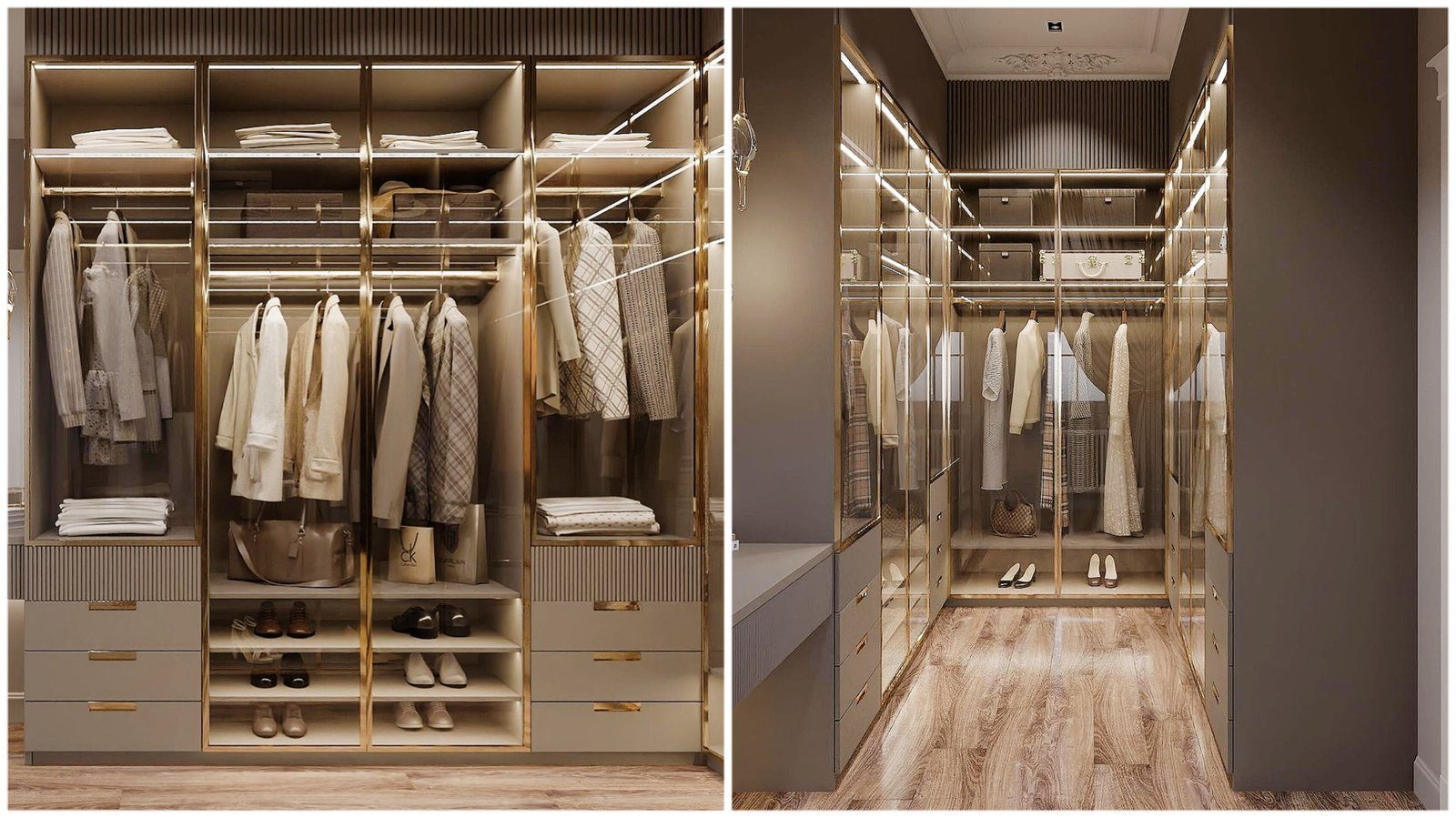

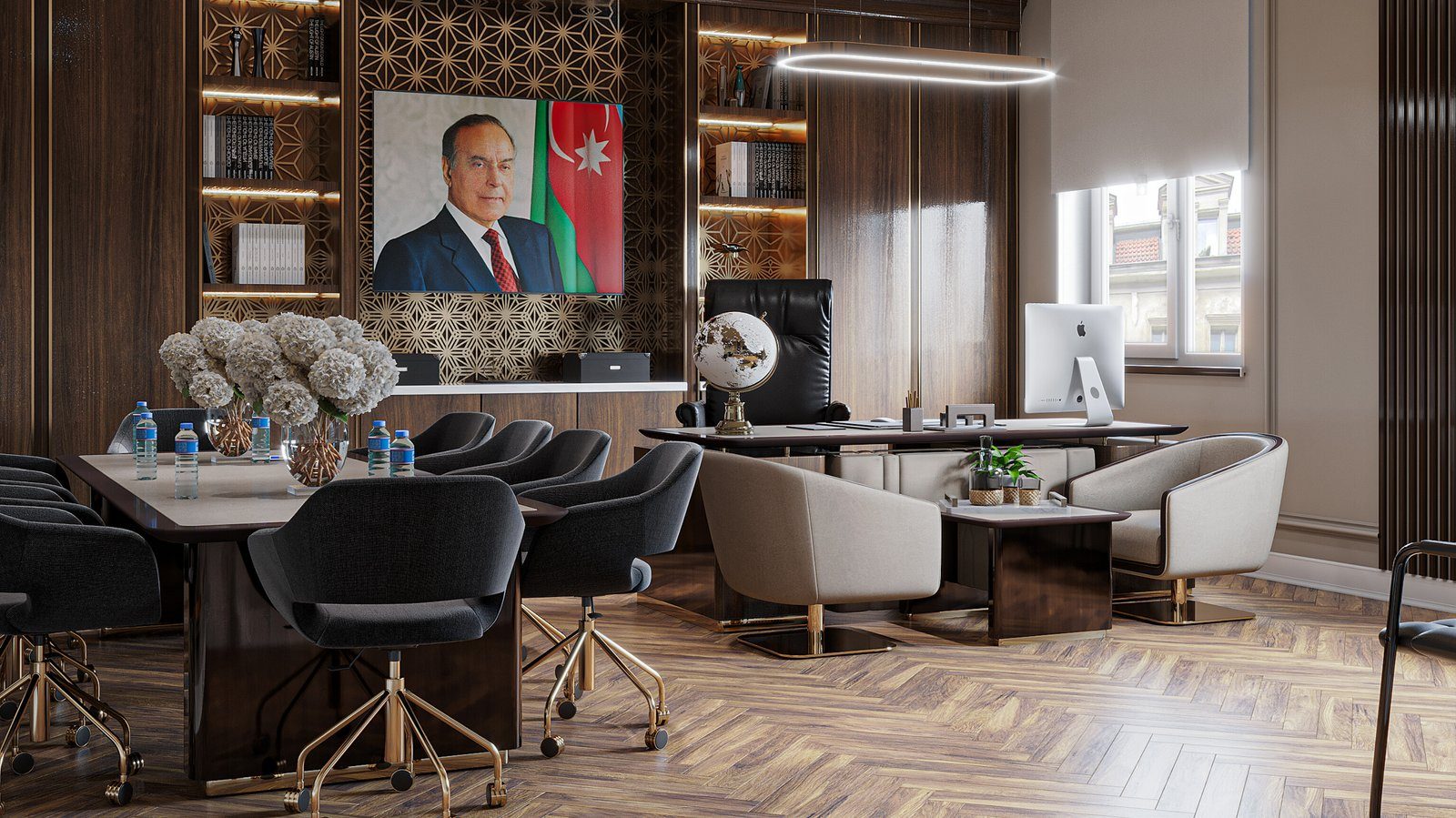
A wooden top on a metal frame, shelves edged with a slim black profile, a walnut cabinet on brass legs: combinations of metal and wood have become widespread in both office and home furniture. They bring together the strengths of two materials. Wood offers a warm, natural surface that is pleasant to touch, while metal carries heavy loads in a slim section and makes furniture look lighter. For a good result, though, the type, colour and construction of the metal must be matched thoughtfully with the wood.
Black metal: loft and modern simplicity
Matt black metal is most associated with loft and industrial styles, but its uses are wider. A black profile draws a clear outline and shows the structure of a piece as a graphic line. With light oak or whitewashed wood, black metal creates strong contrast and looks clean in Scandinavian and minimalist interiors. With dark walnut it feels calmer, deeper and more serious, which suits executive offices.
Black metal is usually powder-coated. The coating is hard and even but can chip under a sharp knock, revealing bare metal. A matt finish shows fingerprints less than gloss black, so it is more practical for frequently touched table legs and handles.
Brass: warm sheen and classic harmony
Brass and gold-toned metal amplify the warmth of wood. With walnut, cherry and dark oak, brass creates a rich look with a hint of art deco. With light woods and white fronts it feels soft and refined. Brass details work best in small doses: leg tips, a slim trim, a shelf edge or a handle. Large brass surfaces easily overwhelm a room.
Think about the room's lighting before settling on a metal finish. Under warm bulbs brass reads yellow; under cool light it looks paler. Black metal barely changes, so it is simple to carry through several rooms.
Proportion: how slim should the metal be?
Metal's great advantage is strength in a slim section. A wooden table leg cannot go below a certain thickness, while a metal profile can be much thinner and carry the same load. That gives furniture an airy look. But proportions must be balanced: a thick, heavy wooden top on very thin metal legs looks unstable even if it is structurally sound. Conversely, a thin wooden shelf gets lost in a heavy metal frame.
In shelving, a metal frame is also used to stop shelves sagging. A slim metal profile under a shelf prevents a long span from bowing and adds a design line at the same time.
How many metals in one room?
Choosing metal details at random around a room breaks the unified look. The most reliable approach is to pick one main metal tone and repeat it in furniture, lights, curtain poles and handles. If a second metal is added, its role should be clear: for example, black metal for structure and brass only for small decorative details. Three or more different metal tones usually look muddled.
Construction: wood moves, metal does not
One technical point is essential when joining metal and wood. Natural wood, especially a solid wood tabletop, expands and contracts across the grain as humidity changes. Metal barely changes size under the same conditions. If a wooden top is fixed rigidly to a metal frame, the wood cannot move and may crack or warp.
To prevent this, slotted holes are made in the metal frame for the fixings, so the wood can shift slightly along with the screws. Materials such as laminated board or veneered panels move far less than solid wood, but even with them a thin pad between metal and wood prevents rubbing noises and scratches. Gluing metal to wood is not recommended.
A short checklist
- Main metal tone: black, brass or something else?
- Does the wood tone contrast with the metal or blend softly?
- Is the metal profile thickness in proportion to the wooden part?
- Does the fixing allow for wood movement?
- Does the metal finish suit the conditions of use: frequent touching, damp, sunlight?
Zaferoglu Mebel makes office and home furniture to individual designs; its projects include shelving towers framed in brass. The tone of metal details and the size of profiles can be chosen by comparing them side by side with wood and board samples.