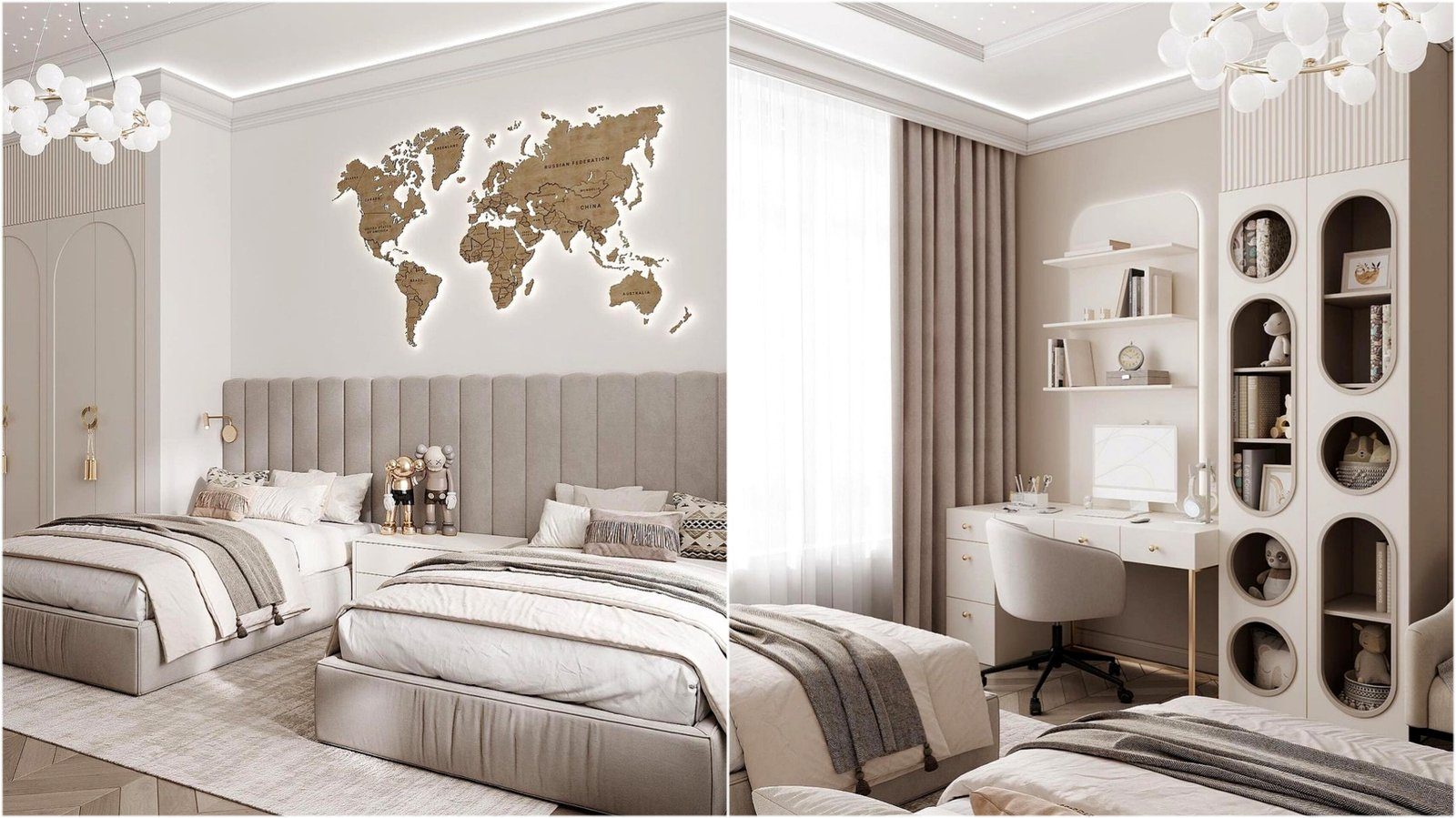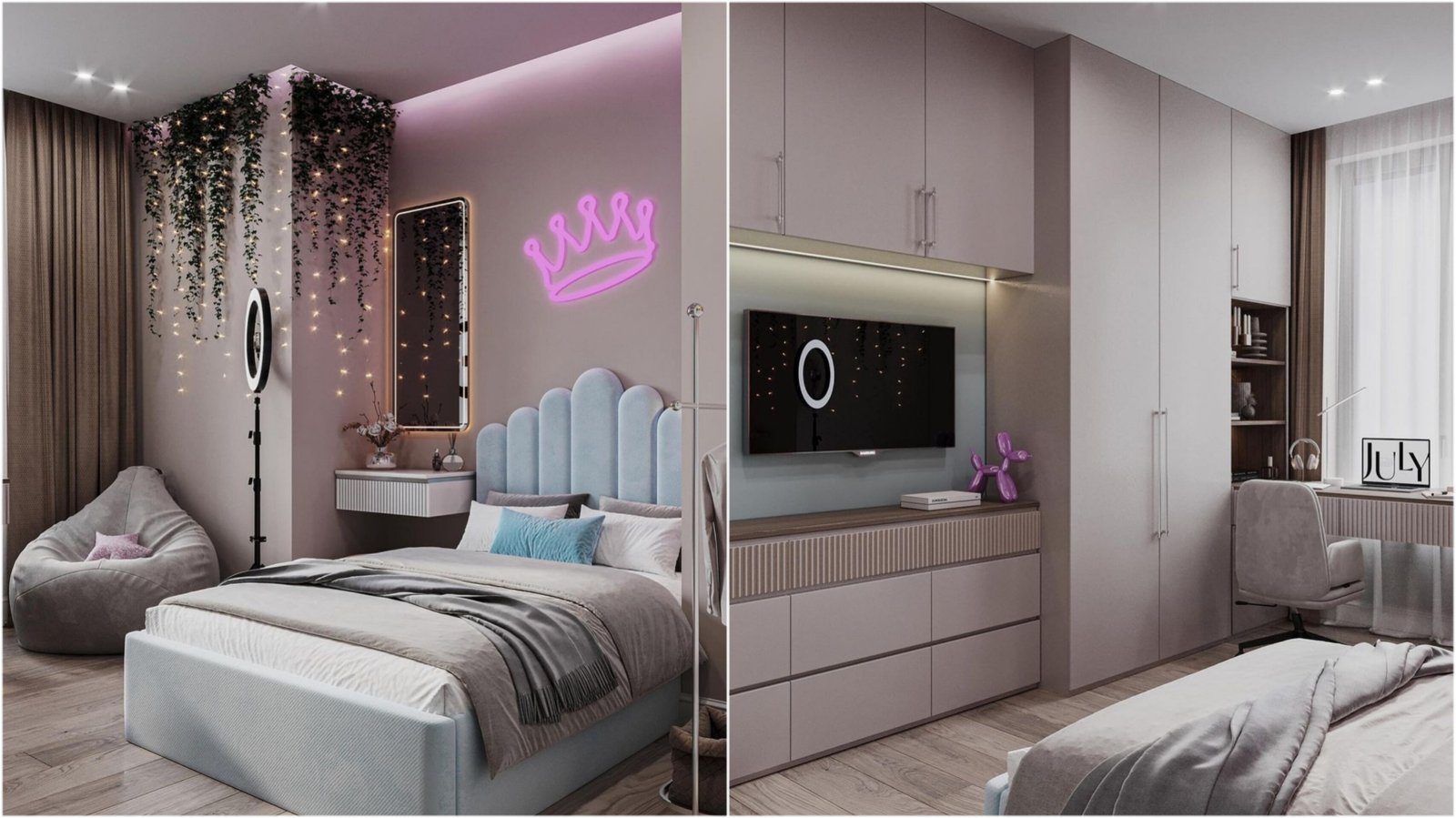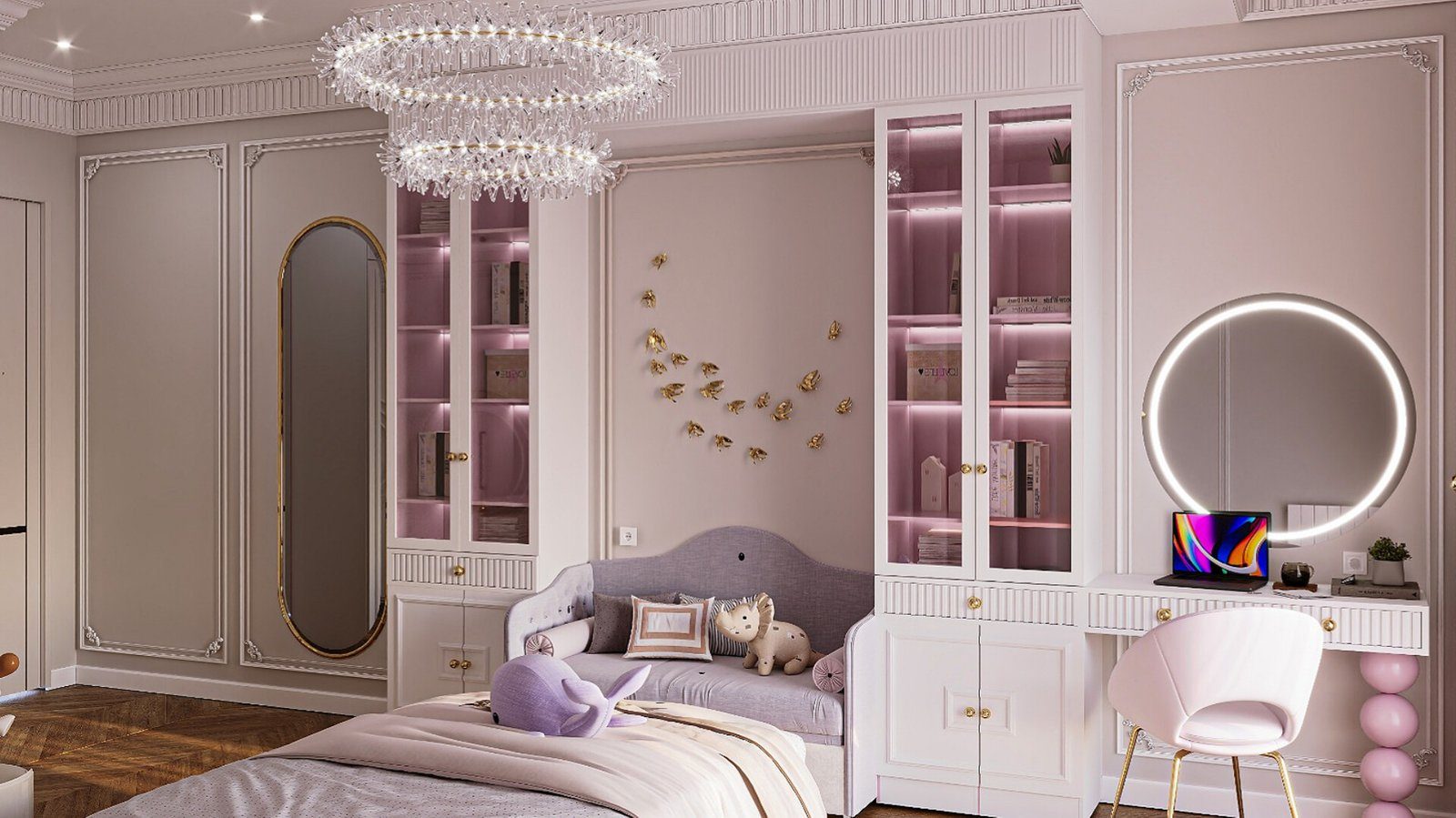

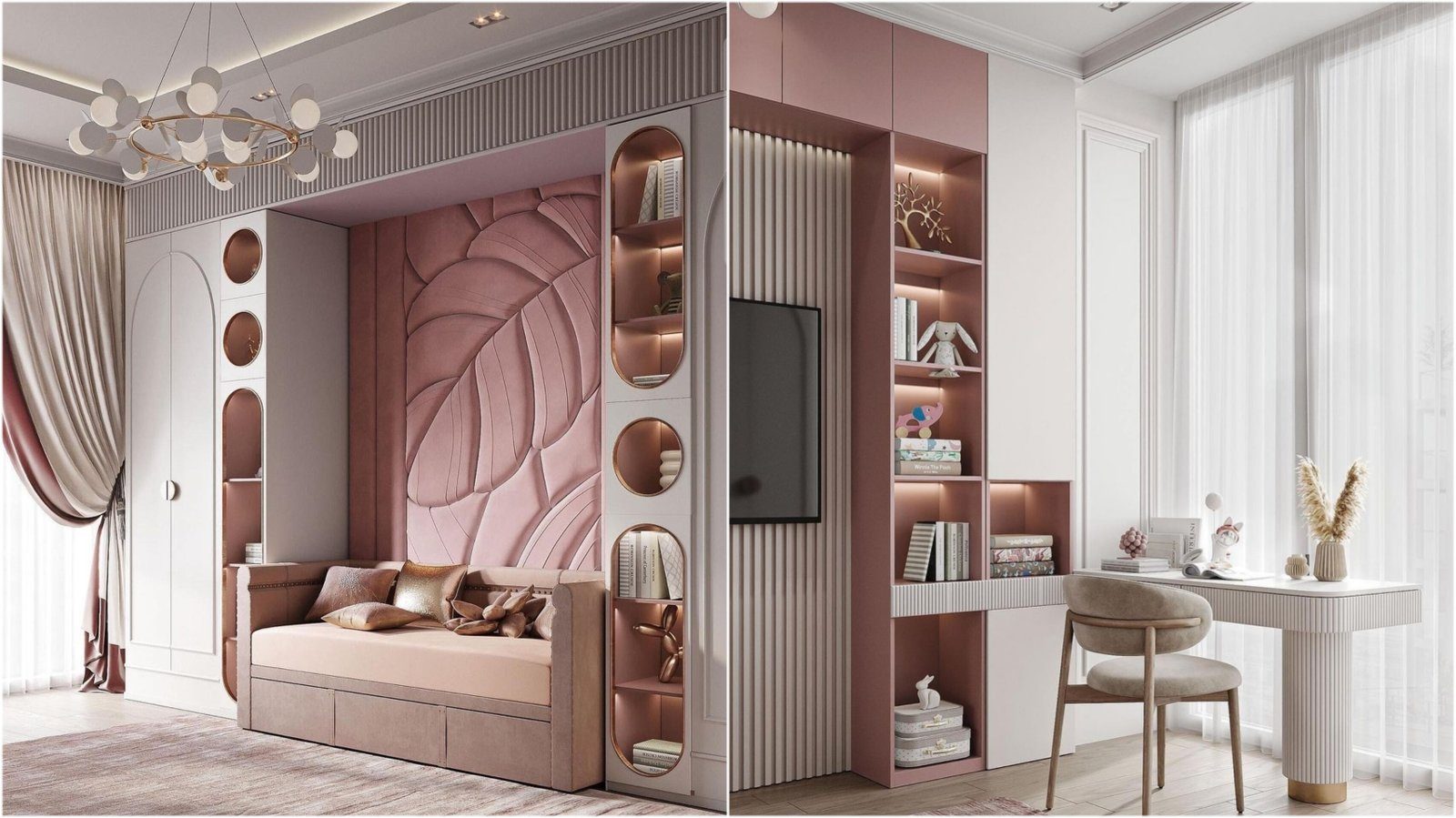
When furnishing a child's room, parents discuss colours, bed size and desk height, while handles are often picked at the last minute from a catalogue. Yet a child runs around this room, plays on the floor and opens drawers many times a day. Handles directly affect both safety and how independently a child can use the furniture.
Protruding handles and knobs
A classic knob or bow handle is the most intuitive option: the child sees it, grabs it and pulls. But anything that sticks out from a front sits at the level of a small child's head, eyes and shoulders, and that creates a risk of knocks. A toddler getting up from the floor or running can bang their head on a low cabinet handle. So if you choose protruding handles, they should have rounded edges, a flat profile and only a small projection.
The second issue is fixing. A knob that comes off easily and fits in a small child's mouth is dangerous. Handles should be screwed firmly from the inside and checked from time to time for loosening. Decorative elements attached only with glue are best avoided on children's furniture.
Long bar handles have another drawback: a pocket, sleeve or bag strap can catch on them, and a running child may suddenly yank a drawer open. On upper wall units and doors above the child's height, protruding handles pose no such problem. So a mixed approach within one room is perfectly possible: profiles on the low units and design-led handles higher up.
Integrated profiles
A routed recess along the top or side edge of a front, or an aluminium profile built into the carcass, works as a handle with nothing sticking out. It is one of the safest options against knocks. The child hooks their fingers into the profile to open the door or drawer, and because the top stays smooth, there is nothing to hit.
Profiles have their own requirements. The finger space must be deep enough for a small hand to grip comfortably. The edges of a routed recess should be rounded rather than sharp. Dust and crumbs collect in the gap, so an easy-to-clean shape is sensible. A profile also creates a gap in the front, which affects how drawers are stacked and their heights, so it needs to be planned early.
Push-to-open: handle-free, but not for every age
With a push-to-open system, a light press on the front makes the mechanism push the door or drawer open. Systems from makers such as Blum create smooth, handle-free fronts that look very tidy in a modern child's room. For children, though, the mechanism often becomes a toy. A young child presses doors open again and again, fronts open unexpectedly, and a child may catch themselves on an open drawer or try to climb it like a step.
Push-open mechanisms are also triggered by any accidental touch. During play a ball, or the child, bumps a front and the door opens. Fingerprints show more on smooth surfaces too. That is why push-open suits teenagers' rooms best, especially on upper wall units.
Pinched fingers and soft-close
Whatever the handle type, soft-close doors and drawers are important in a child's room. The mechanism slows the last few centimetres of movement, the door does not slam and the chance of trapped fingers drops. Drawer stops that prevent full extension keep a heavy drawer from falling on a child's foot. On toy chests and lidded boxes, a stay mechanism that stops the lid dropping under its own weight is essential.
A short guide by age
- Preschool: integrated profiles, or flat, rounded, firmly fixed handles; push-open is not recommended on low units.
- Primary school: profiles or rounded handles; frequently used drawers at a height suited to the child.
- Teenagers: push-open, slim profiles or design-led handles, taking the child's own taste into account.
- At every age: soft-close, drawer stops and regular checks of handle screws.
Handle type for a child's room is picked by Zaferoglu Mebel for the child's age and the layout, and it can be agreed from the start that handles will be swapped later.