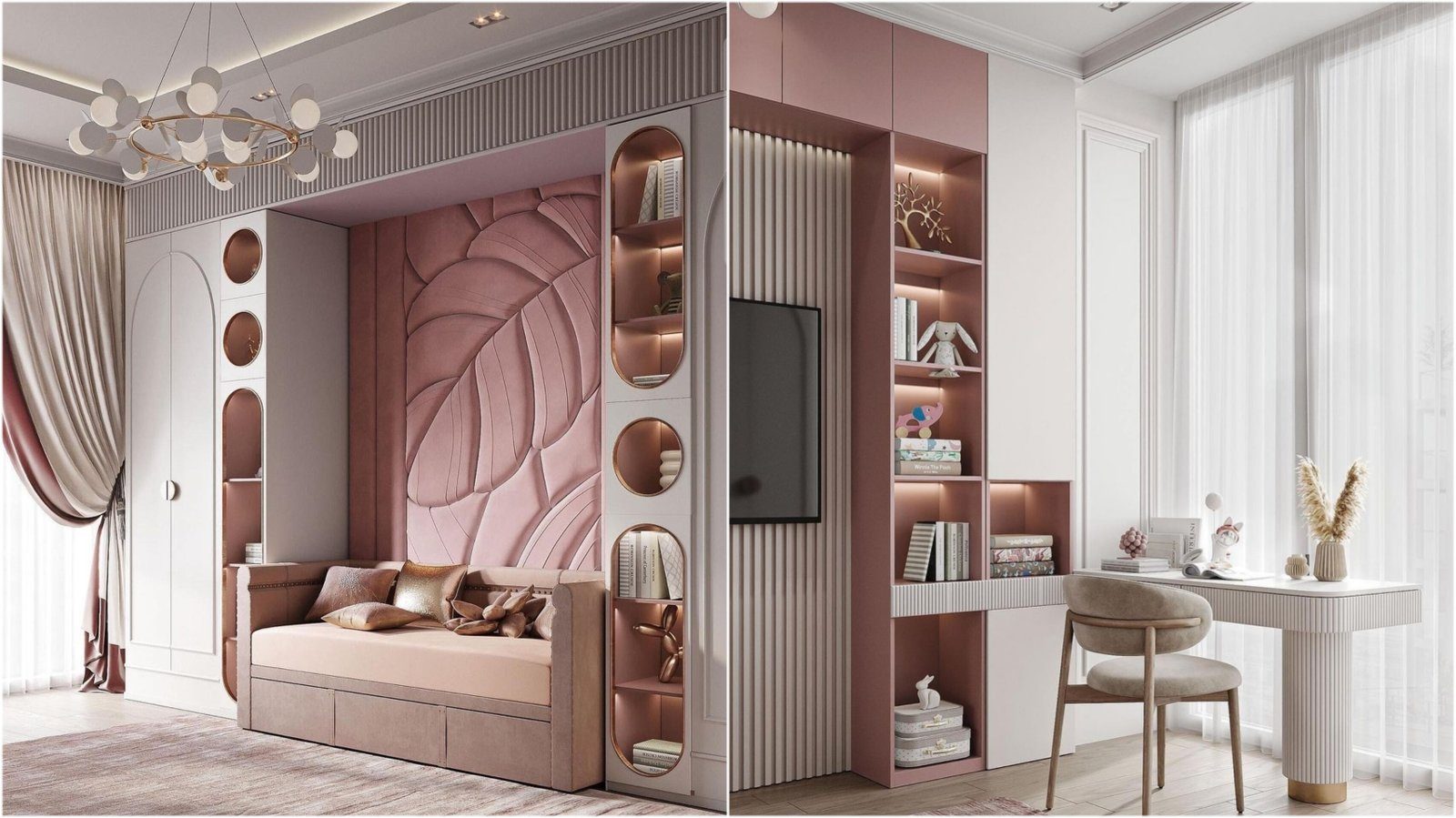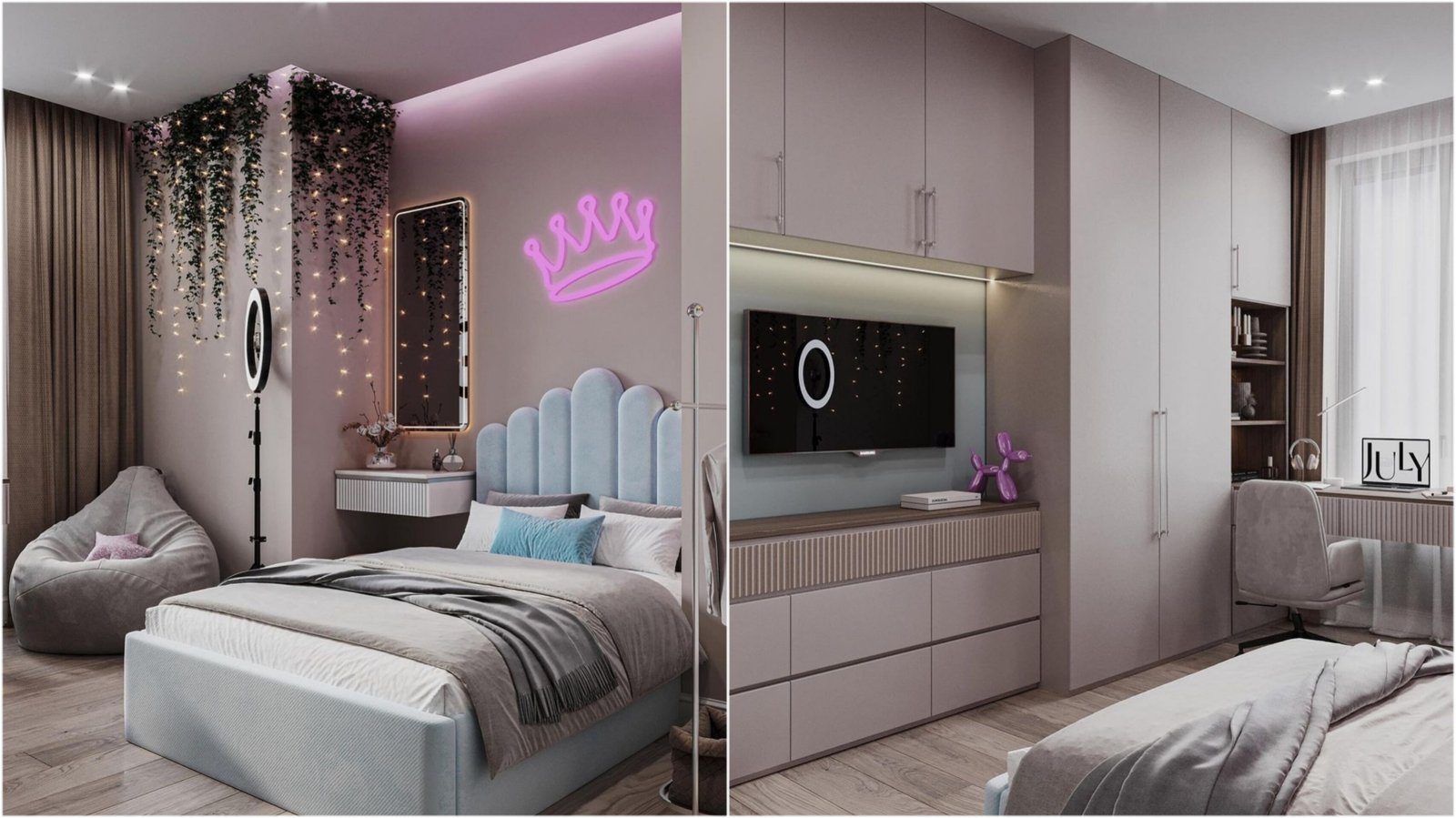

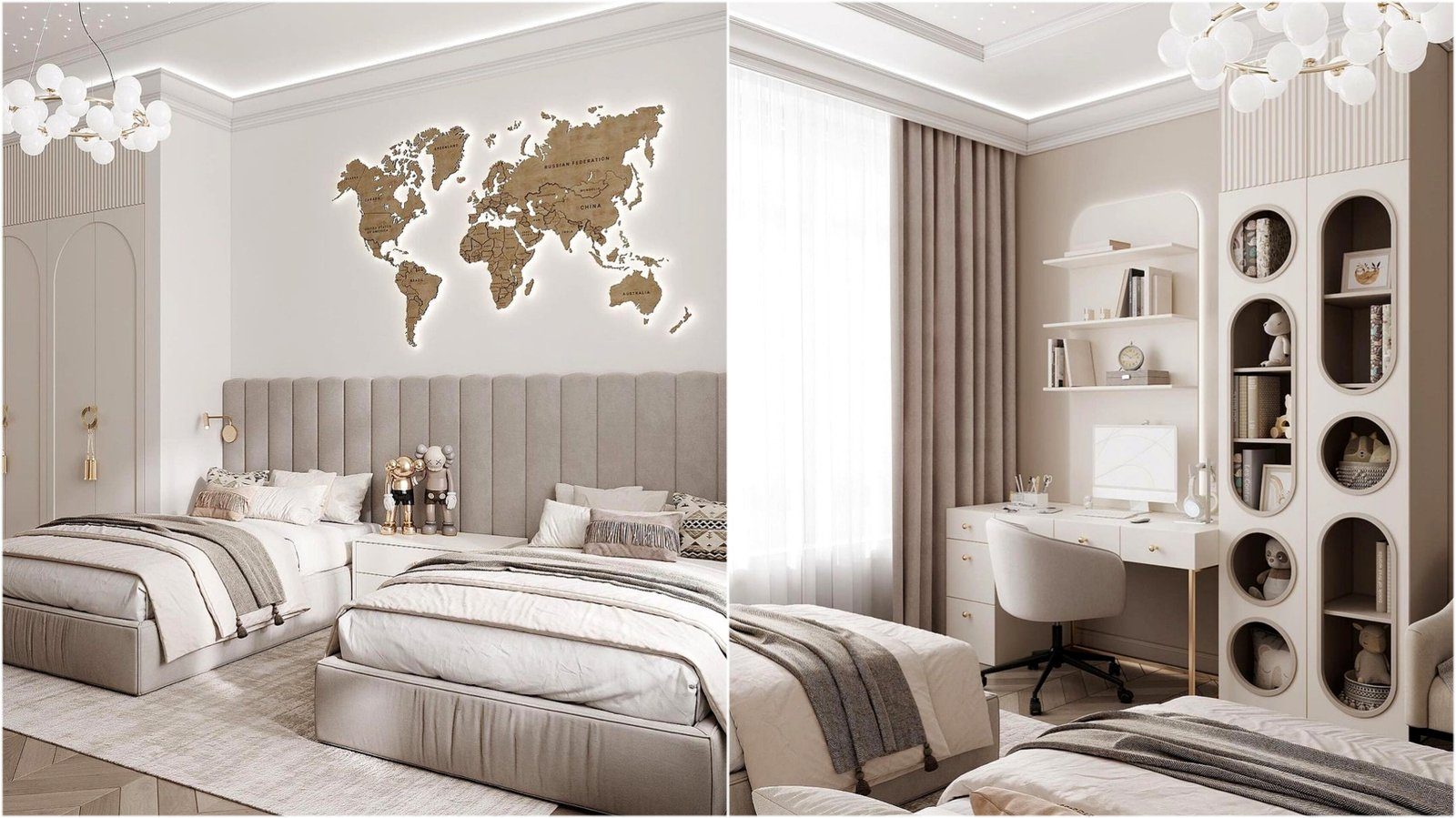
A full wardrobe or a heavy chest of drawers looks solid and immovable. But tall furniture has a high centre of gravity and relatively little depth. When a small child opens drawers and climbs them like steps, pulls on a door to reach a toy on a high shelf, or when all the drawers are left open at once, the centre of gravity shifts forward and the piece can topple. The most reliable way to prevent this is simple: fix tall and heavy furniture to the wall.
Why weight is not enough
Many people assume a full wardrobe is too heavy for anything to tip it. But tipping does not require lifting the whole unit. When load falls on the front edge, the wardrobe pivots around its front feet. An open drawer carries that load forward, beyond the furniture, and a child standing on it adds even more. If the heaviest items are kept on the top shelves, the centre of gravity rises further and the piece loses balance easily.
The floor plays a part too. If a thick rug or skirting board raises the back of a wardrobe and tilts it slightly forward, far less force is needed to tip it. That is why tall furniture is levelled during installation or set with a very slight lean towards the wall.
Which furniture should be anchored
In children's rooms, and in every room a child can reach, these pieces should be fixed to the wall:
- tall wardrobes and bookcases;
- chests of drawers, especially low but heavy ones;
- cabinets and chests with a TV standing on them;
- narrow, tall display cabinets and decorative shelving;
- wall cabinets, which of course are only ever installed hung on the wall.
A low chest of drawers should not be considered safe either. Because it is at a child's height, it is exactly the piece most likely to tempt them to use the drawers as steps.
Wall type and choice of fixings
How secure the anchoring is depends more on the wall than on the furniture. In concrete and brick, plugs and screws hold firmly. In walls built from hollow blocks, an ordinary plug can fall into the cavity and spin, so special plugs are designed for them. In plasterboard partitions a screw grips only the board and can pull out under load; here either special winged fixings are used or the screw goes into the metal stud inside the partition.
Before drilling, check for hidden electrical cables and water or heating pipes. Drilling directly above, below or beside sockets and switches, or along the line of radiator pipes, is risky. If in doubt, leave the job to the installer.
Fixing on the furniture side
On the furniture, the fixing is attached to a strong part of the carcass, usually the top panel or the upper rear corner of a side panel. A screw driven into a thin HDF back pulls through under load and offers no protection. Dedicated anti-tip kits are available: metal brackets, steel cables or strong straps. Straps and cables hold the unit without pulling it tight against the wall, which is handy where there is skirting or the wall is uneven.
Checking afterwards is simple: take hold of the top edge and pull gently towards you. If the unit does not move away from the wall and the fixing has no play, the job is done properly.
Drawers and spreading the load
Anchoring is the main protection, but other steps reduce risk further. Keep heavy items in lower drawers and shelves and lighter ones higher up. For children's rooms there are drawer stops that prevent full extension and interlock systems that allow only one drawer to open at a time. Keeping toys and everyday items low, within easy reach, reduces a child's urge to climb.
If a TV stands on a chest of drawers, the TV must be secured separately too. A heavy screen can topple together with the chest or on its own.
When moving house or rearranging furniture
When furniture moves to another wall, the old fixings are removed and it is anchored again in its new place. This step is often forgotten: the furniture stands in its new spot but is no longer attached to anything. As a child grows, the furniture in the room may change, and anchoring should be checked again for every new tall piece.
Zaferoglu Mebel's fitters install ordered furniture free of charge. For tall wardrobes and chests in a child's room, the anchors are chosen on the day according to whether the wall is concrete, brick or plasterboard.