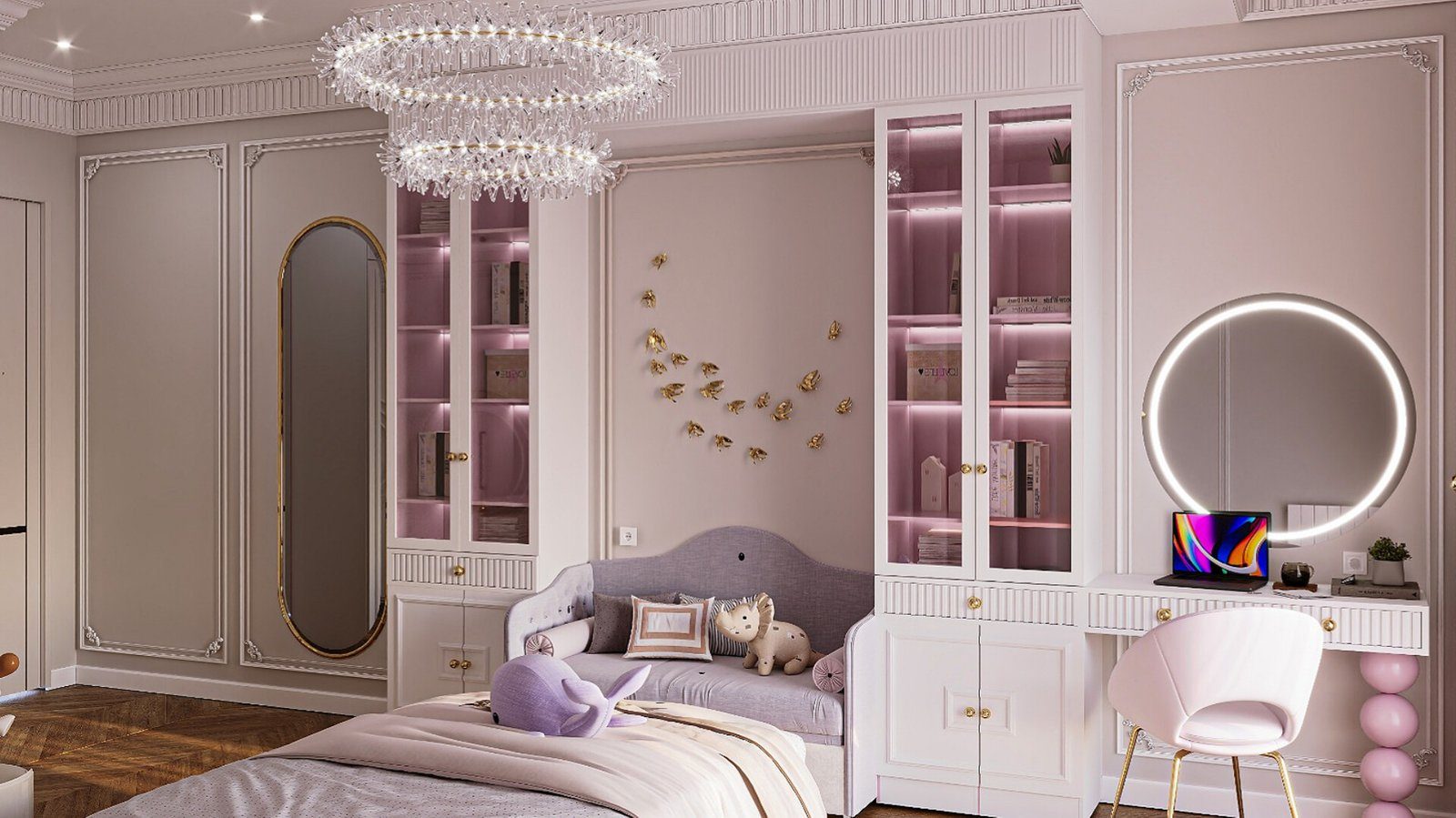

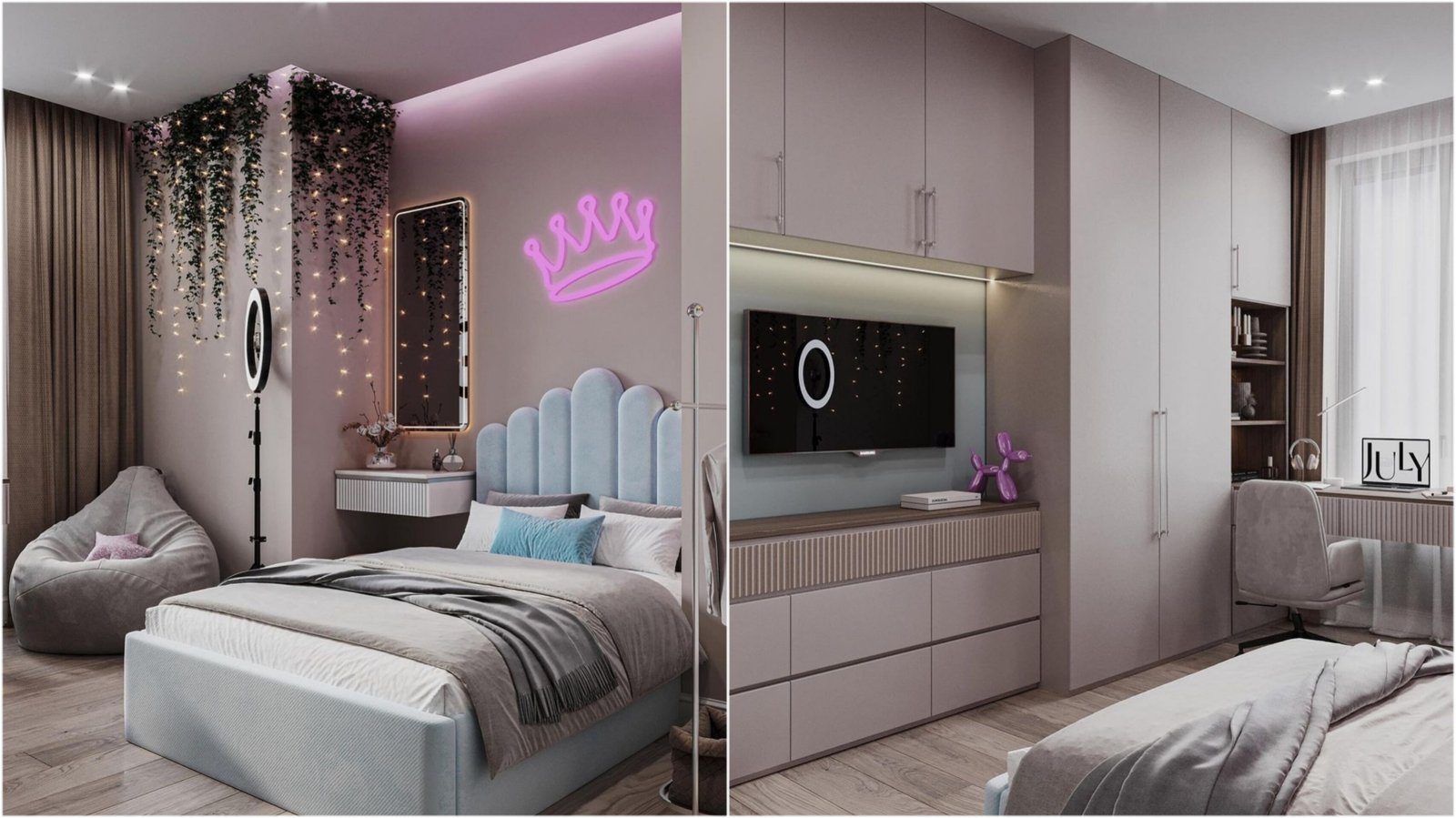
Scandinavian style grew out of the long, dark winters of Northern Europe. Where daylight is scarce, homes were built around light surfaces, as much natural light as possible and a warm, cosy atmosphere. Today the style is loved worldwide because it makes both small flats and large homes feel brighter and calmer. But a Scandinavian interior is not simply white walls and pale furniture; a few principles keep it from feeling cold and impersonal.
Light wood: the foundation
The hallmark of Scandinavian furniture is pale timber: oak, ash, birch and pine. These woods have a calm grain, and their colours range from honey to greyish beige. In made-to-order furniture the same effect can be achieved in several ways:
- Natural veneer fronts and panels: real wood grain and a lively look.
- Laminated board in light oak or birch decors: practical, easy to care for, and suitable for children's rooms and kitchens.
- White or light grey fronts combined with a wood-decor carcass, shelves or worktop.
When choosing the wood tone, consider the floor. Furniture in exactly the same tone as the floor can make a room look flat; a slightly different tone of the same temperature — both warm or both cool — gives a livelier result.
One more property of natural wood is worth knowing: its colour changes over time under light. Light oak and pine gradually turn slightly yellower or darker, and a front in the sun can end up a different tone from a side panel in the shade. This is how the material naturally behaves, and many people find it appealing. If the colour must stay unchanged for years, laminated board in a wood decor is the more stable choice.
Simple forms, but not crude
Scandinavian furniture avoids ornament: no routed patterns, carvings or gilded details. Fronts are plain and lines are straight. Yet simplicity does not mean coldness. The finesse of the style lies in its details:
- Softly rounded corners and edges.
- Slim, slightly splayed wooden legs that lift the furniture off the floor and make the room feel lighter.
- Handles in wood or leather, or integrated into the front.
- Compact pieces with well-judged proportions.
Furniture on legs is no accident in a Scandinavian room: the visible floor underneath makes the space feel larger and lets light spread freely.
Function and hidden storage
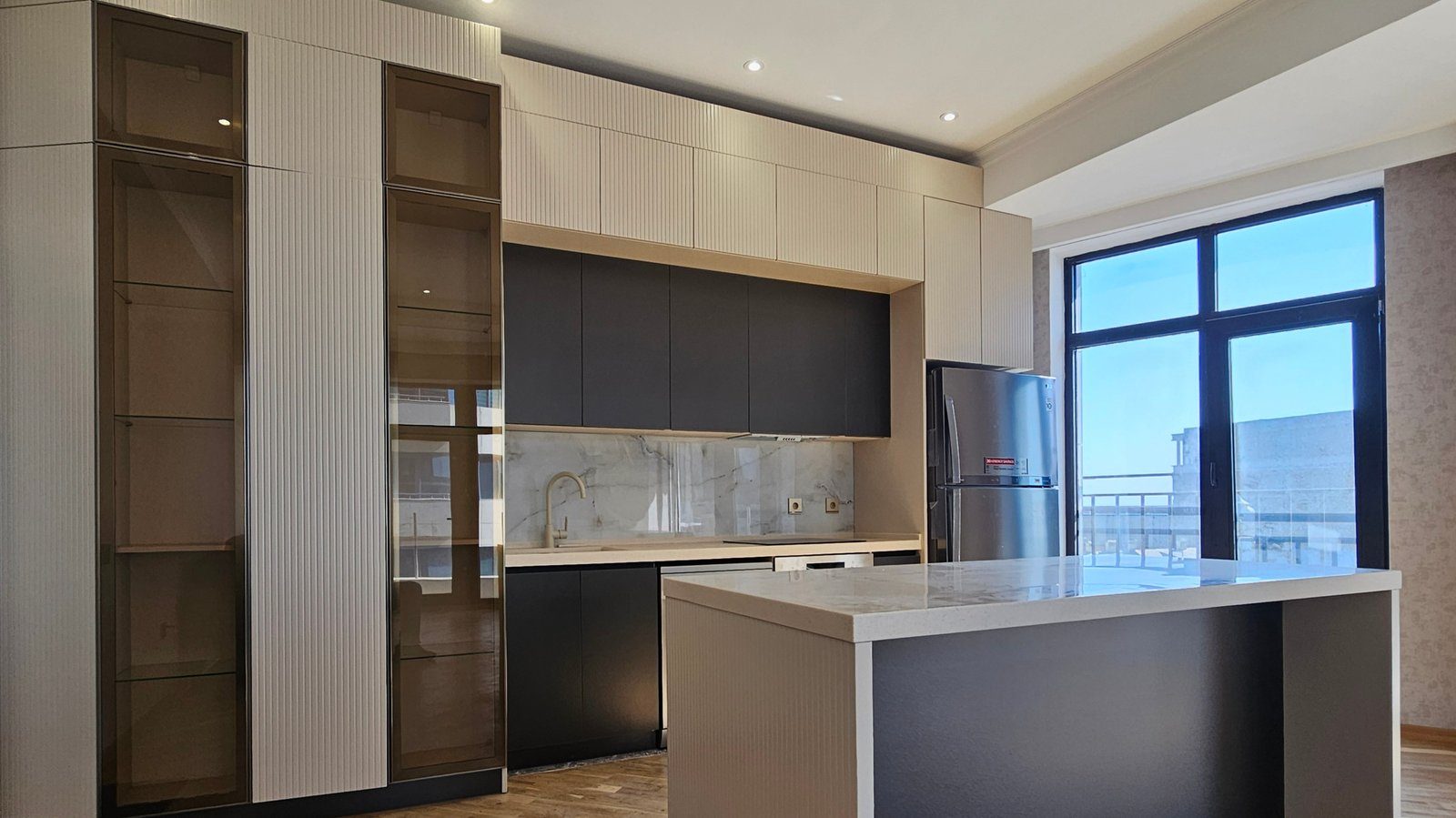
The calm look of a Scandinavian interior comes from having few things on open surfaces, and that requires well-planned storage. Closed wall-length cabinets, beds with drawers and benches with storage under the seat keep everyday items out of sight. Open shelves are left for a few chosen books, plants and ceramics.
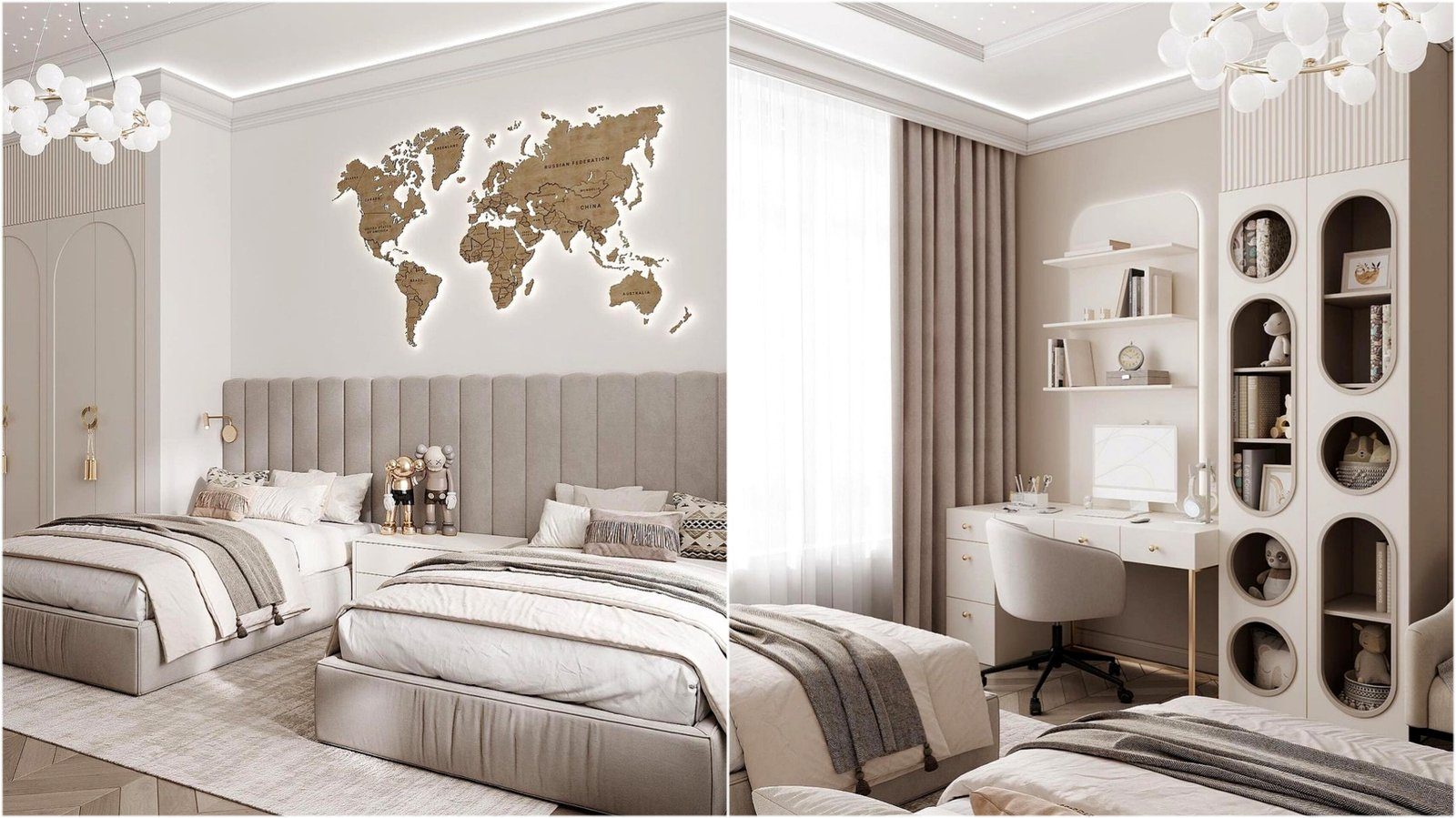
The idea works especially well for children: low open shelving and wheeled boxes put toys where small hands can reach them, and closed doors make the evening tidy-up fast. Pale wood and white give a restful base, with colour added through textiles and accessories that are simple to swap.
Colour palette
The base is white, cream, light grey and sand. Accents are muted colours taken from nature: sage green, dusty blue, terracotta, mustard. Black usually appears in thin lines — lamps, frames, handles — and adds definition to the interior.
An all-white interior is not Scandinavian; it feels clinical. Next to white fronts there should be at least one large wooden surface: a table, a shelf or a TV unit.
What creates warmth
Scandinavians describe this feeling of cosiness with the word "hygge". The elements that create it in and around furniture include:
- Natural textiles: wool throws, linen curtains, woven rugs.
- Soft, warm light from several low light sources.
- Natural textures such as wood, ceramics and woven baskets.
- Living plants.
Common mistakes
- Choosing everything in one wood tone and making the room monotonous.
- Confusing minimalism with a lack of storage, so that things pile up on open surfaces.
- Picking very glossy, plastic-looking surfaces.
- Forgetting textiles and lighting.
Zaferoglu Mebel makes furniture for children's rooms, living rooms and bedrooms to individual designs. Samples of light wood decors and front colours can be compared together in the room's own light at the ordering stage.