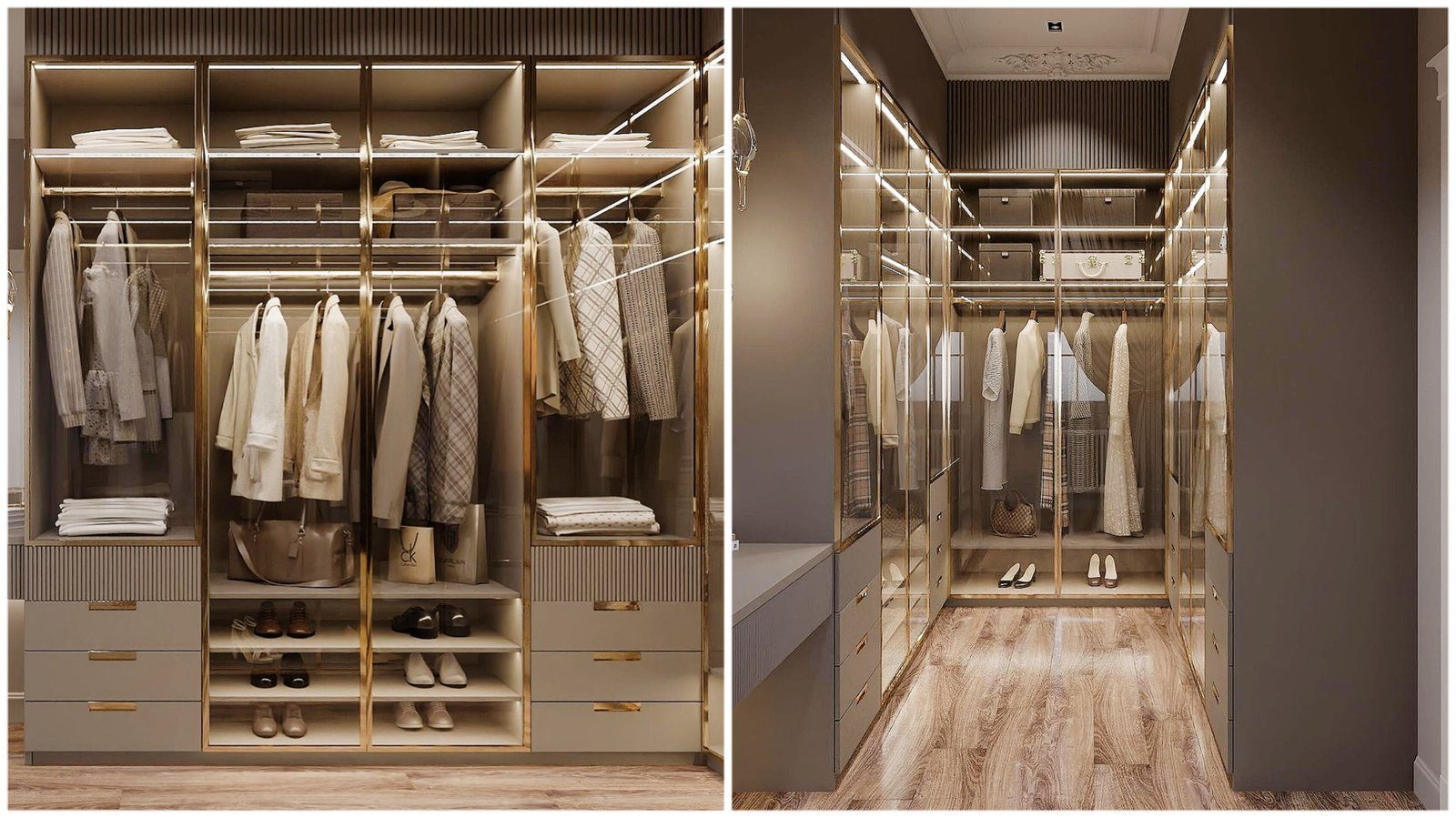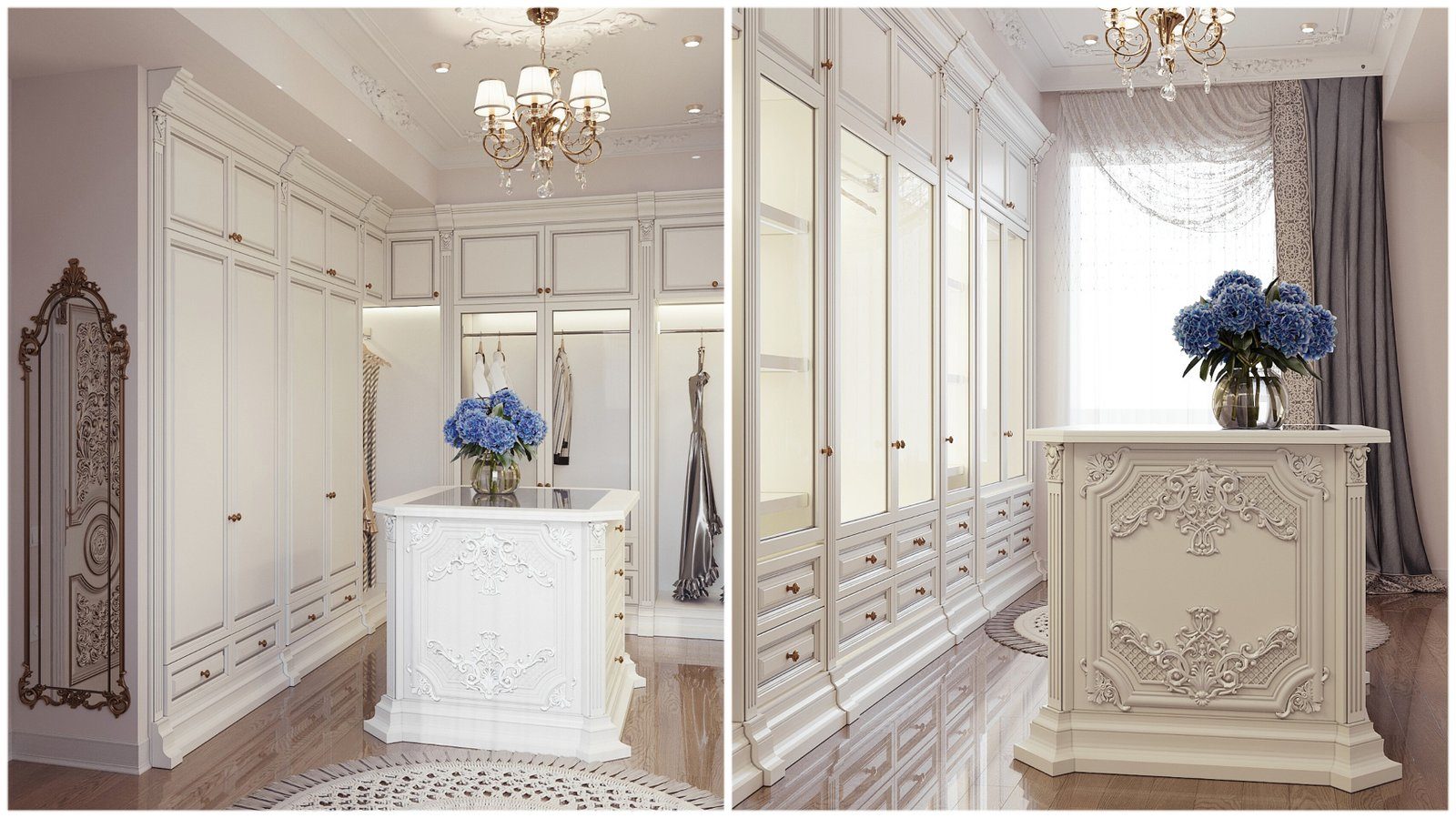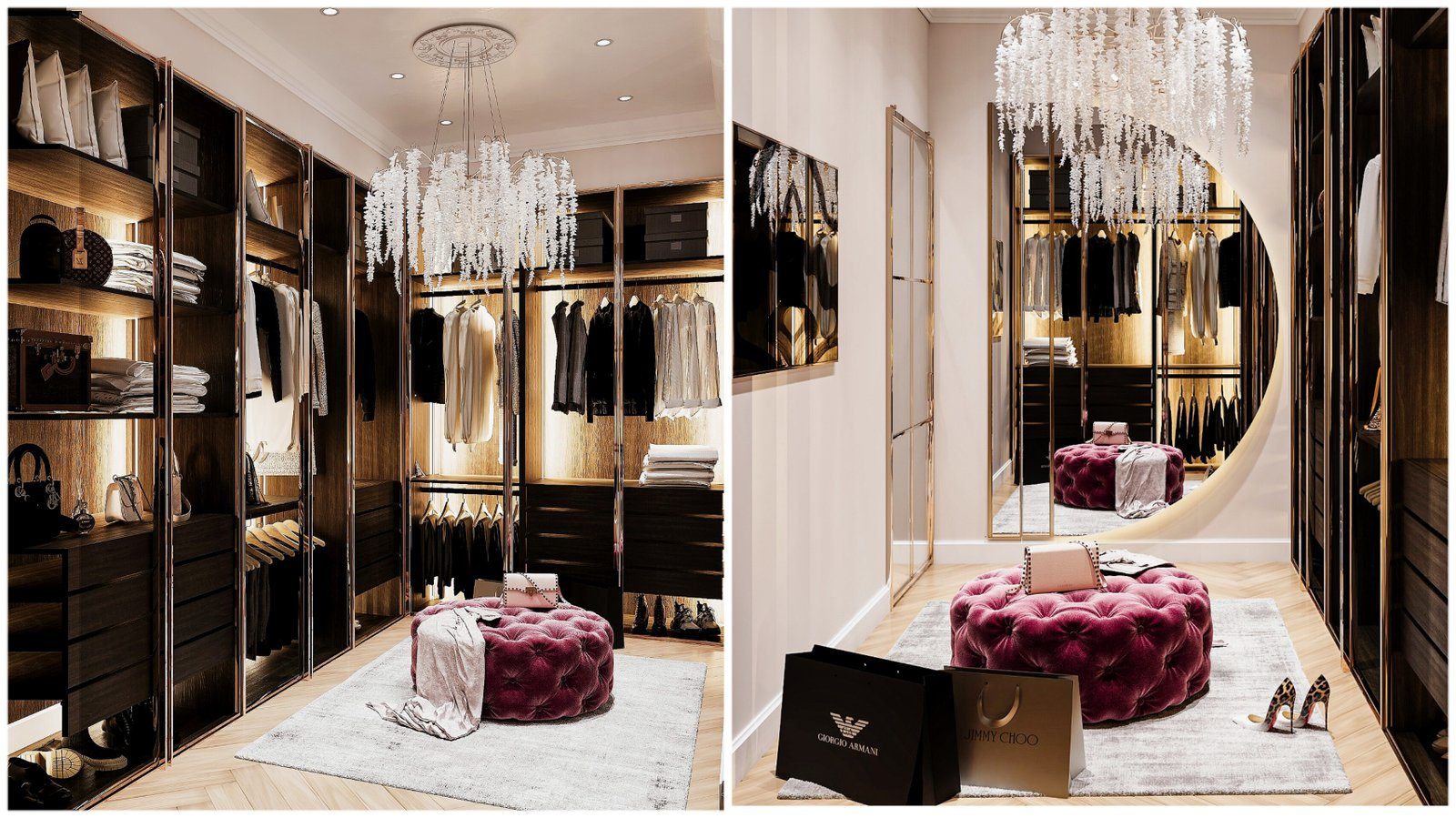

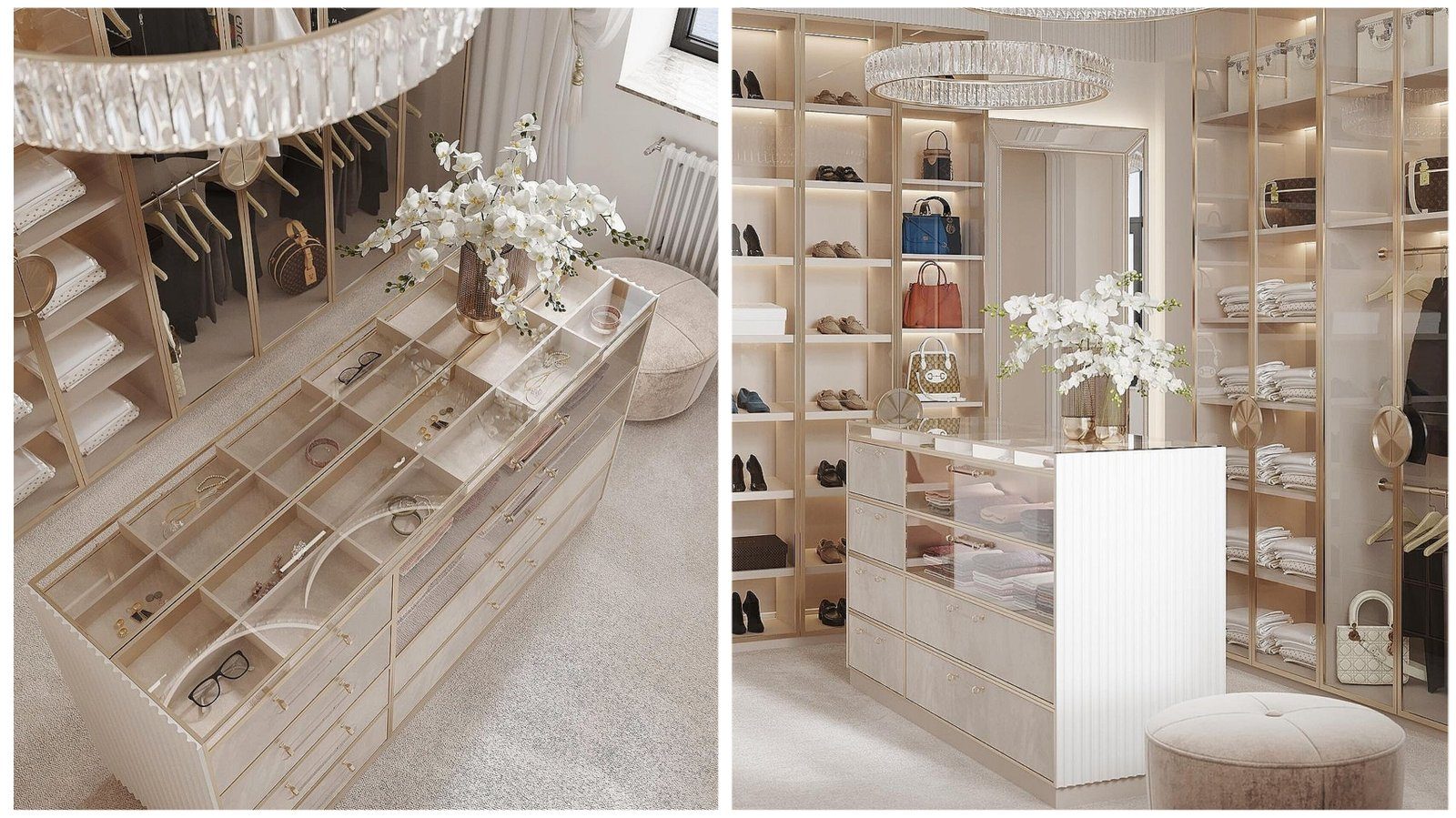
When a wardrobe is being designed, the designer usually asks one question: what will you keep in it? The answer is often vague: clothes, shoes, maybe a duvet. A wardrobe built on such an answer ends up short of hanging rail, with shelves left empty, or with long coats brushing the shelf below. To make the interior layout really work, take an inventory before ordering. It is an evening's work that pays off in years of comfortable use.
Sort first, then count
It would be a mistake to base the list on everything you currently own. First set aside items that have not been worn for years, no longer fit or are worn out, or the new wardrobe will be planned around clothes nobody uses. It also helps to group each family member's things separately, since a separate zone for each person is often more convenient.
Hanging clothes: long and short
Divide hanging clothes into two groups by length. The long group includes coats, long dresses, long skirts and trousers hung full-length. The short group covers shirts, blouses, jackets and trousers folded over a hanger. Short clothes can use two rails one above the other, while long clothes need the full height.
Counting items is not enough to work out rail length, because a thick coat takes up several times the space of a thin shirt. The most accurate method is to hang your existing clothes closely, without crushing them, and measure how many centimetres of rail they occupy. Measure winter and summer clothes separately: if seasonal items move to an upper section or another cupboard, only the current season's clothes will stay on the main rail.
Folded clothes and drawers
Jumpers, T-shirts, sportswear and jeans are usually kept folded on shelves. Sort them by type and note how many stacks each type makes. When a stack is too tall, it is hard to pull out the bottom item and the order soon falls apart, so shelf spacing should be planned around a comfortable stack height.
Underwear, socks, handkerchiefs and accessories are easier to keep in drawers. Estimate roughly how much drawer space each group of small items needs by looking at the boxes or drawers you use now. Drawer dividers should be noted separately on the list.
Shoes, bags and accessories
- Count pairs of shoes by season and height: boots and tall footwear need extra height.
- Group bags by size; large travel bags and suitcases need an upper section or a separate space.
- Note whether belts, ties, scarves and jewellery need special accessories such as pull-out racks or divided drawers.
- List seasonal accessories such as hats and gloves separately.
Things that are not clothes
Wardrobes rarely hold only clothes. Duvets, pillows, bed linen, an iron and ironing board, a vacuum cleaner, document folders, festive decorations and children's toys often end up there too. If these are not on the list, they later get piled onto clothing shelves and the whole system breaks down. The topmost section is planned for large, rarely used items, and eye and hand level for things needed often.
Frequency of use and spare space
Next to each group, note how often it is used: every day, several times a week, once a season. Everyday items go at eye level; rarely used ones go at the top and bottom.
Finally, think ahead. Children's wardrobes grow as they do, a new family member may arrive, a change of job may mean more formal clothes. Leaving a little free space in each section is more practical than filling the wardrobe from day one. Adjustable shelves and rails that can be moved also make future changes easier.
Bring a list like this to your wardrobe meeting with Zaferoglu Mebel, and the interior can be drawn around what the family actually owns from the first sketch.