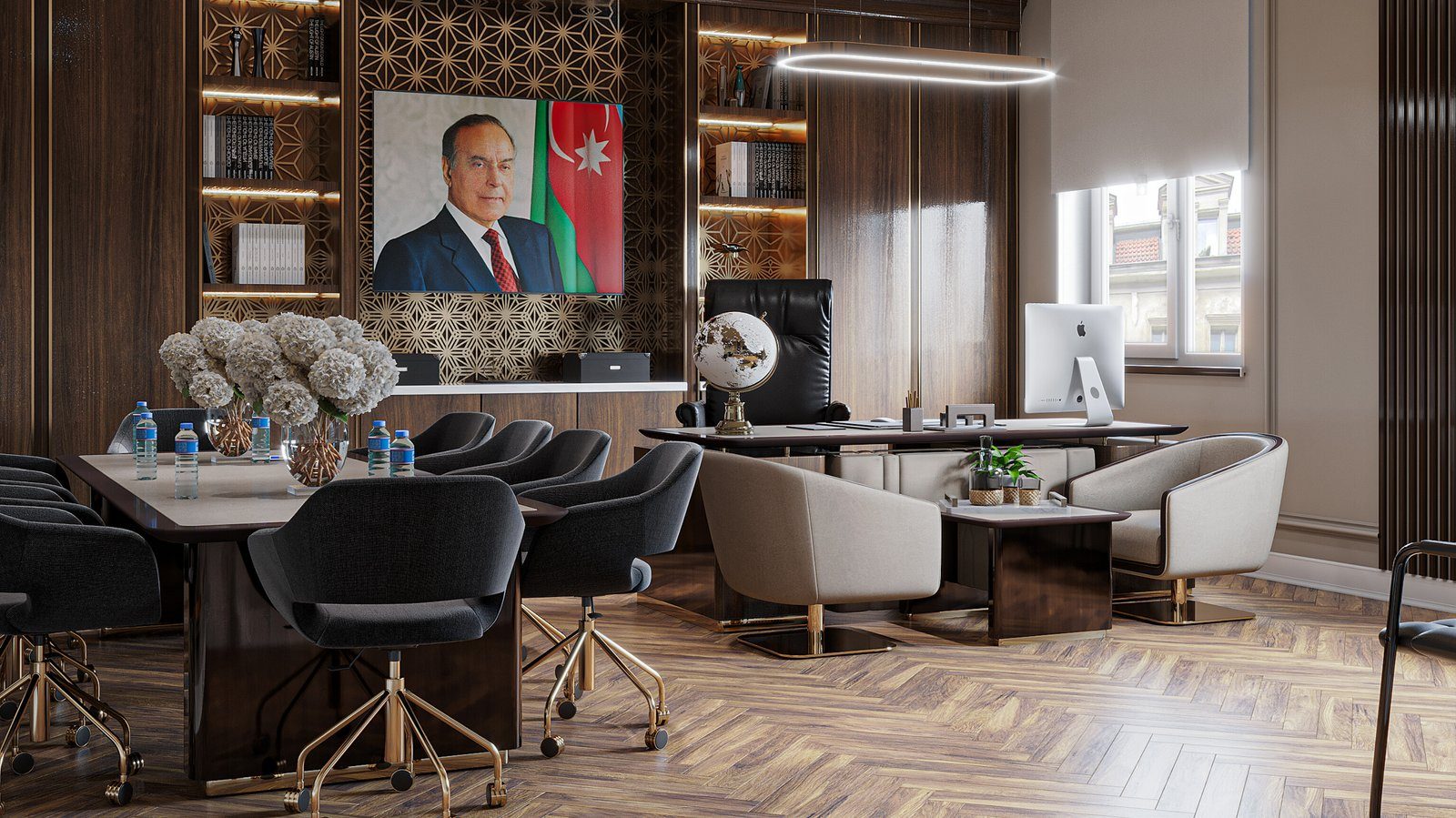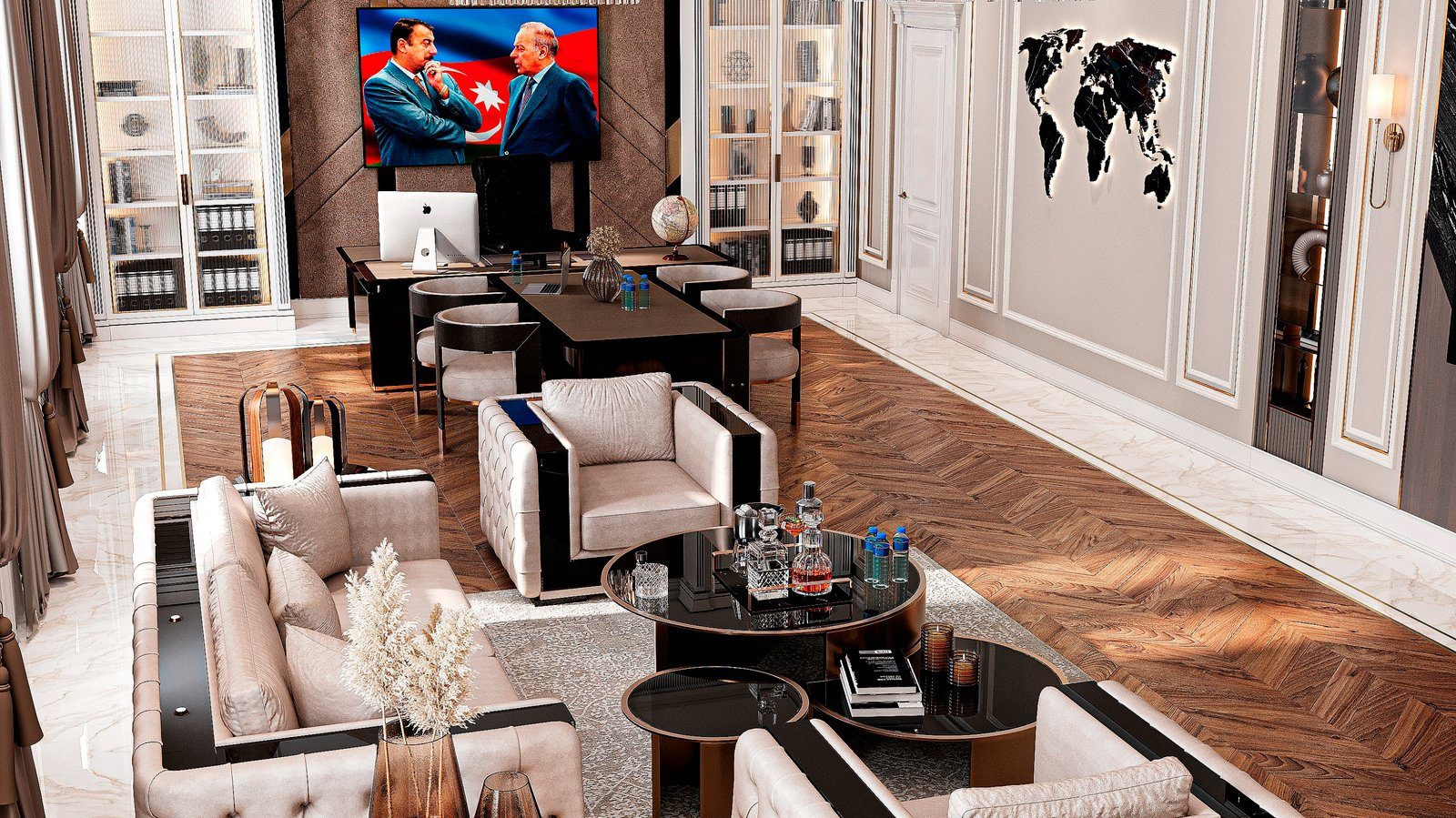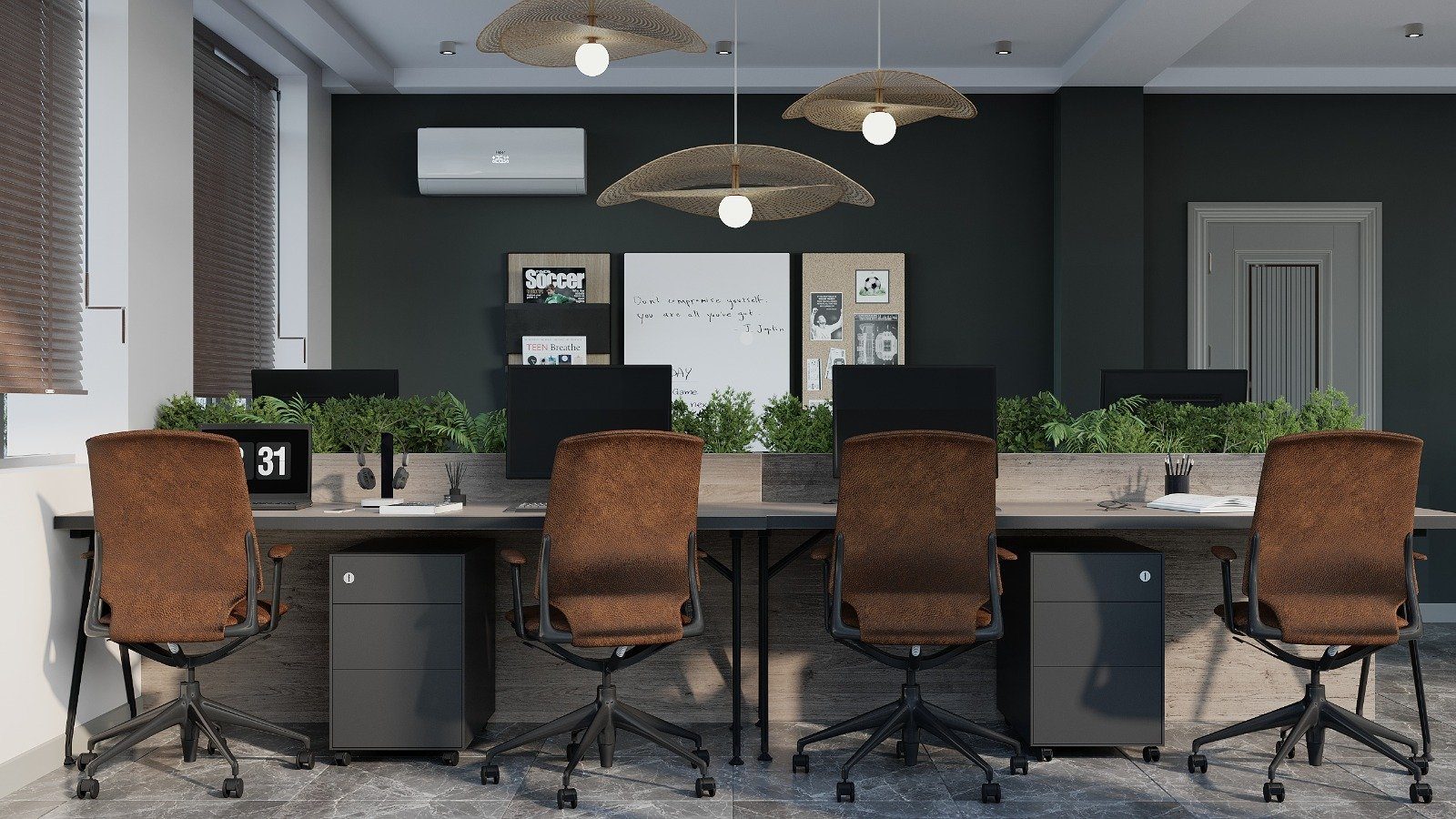

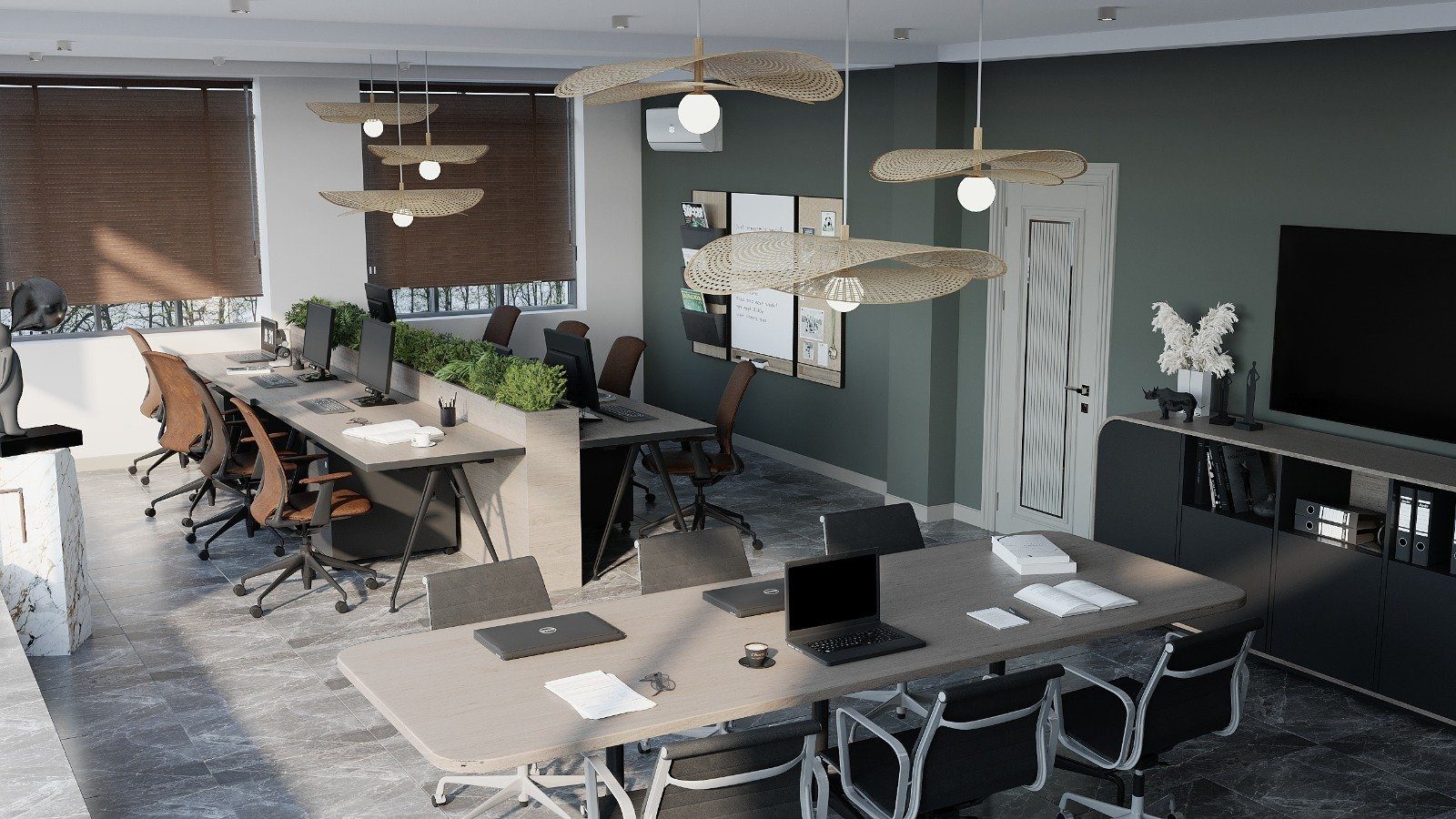
Not every document in an office is equally confidential. Catalogues and general reference material can stand on open shelves, but personnel files, payroll sheets, contracts and client data should not be kept where anyone can reach them. Furniture alone does not guarantee information security, but the right lock and cabinet layout are the first layer against casual access and carelessness.
Group the documents first
Before ordering lockable furniture, sort the office's documents by confidentiality:
- open — documents everyone uses, catalogues, reference material;
- internal — belonging to a department and not for visitors' eyes;
- confidential — personnel files, finance, contracts, personal data.
This grouping determines how many cabinets are needed, where they go and what locks they get. Fitting the same heavy-duty lock to every cabinet is both an unnecessary expense and a drag on daily work.
Types of furniture lock
These are the lock types most often used in office furniture:
- Standard door and drawer lock. Works with a cylinder key and locks one door or drawer. A simple, widespread solution.
- Central locking. On a pedestal, one key locks all drawers at once, so an employee secures every drawer in a single action when leaving the desk.
- Espagnolette (rod) lock. Locks both doors of a tall cabinet at top and bottom points, making it harder to pull a door open at the edge.
- Mechanical combination lock. Needs no key, and the code can be changed. Convenient for lockers used by different people.
- Electronic lock. Opens with a card, code or electronic key; some systems log opening times.
Each has its place. A furniture lock is not a safe: it protects against unauthorised and casual opening, not against forceful attack. For highly sensitive documents, a proper safe or a records room should be considered separately.
Key management
A lock is only as reliable as the control over its keys. In practice, most problems arise not with the lock but with the keys: a spare left on a desk, a departing employee who does not return a key, the same key fitting every cabinet.
A few simple rules reduce these risks:
- confidential cabinets should have different keys, and any master key should be held only by the responsible person;
- spare keys should be kept in a separate lockable key box;
- a simple log should record who holds which key;
- it should be possible to replace the lock cylinder if a key is lost — worth asking about when ordering the furniture.
Combination and electronic locks avoid the key problem, but changing codes periodically and revoking access for departing staff are just as important.
Where the cabinet stands
Where a cabinet is placed matters as much as its lock. A cabinet with confidential files should not be in reception, in a corridor used by visitors or in a meeting room. The best place is within sight of the responsible employee's desk and away from the entrance.
Glass-fronted cabinets make an office feel lighter, but folder labels can be read from outside. For internal and confidential documents, solid doors or frosted glass are more suitable. Open shelves should hold only open documents.
Convenience for everyday work
If there are too many locks and they slow work down, staff start leaving doors open and the protection loses its point. So frequently used documents are kept close at hand in a pedestal that locks but opens easily, while rarely used archives go into a tall cabinet with a more robust lock. A centrally locking pedestal lets staff lock every drawer in one action at the end of the day and supports a clear-desk habit.
A quick checklist: documents grouped by confidentiality; a cabinet and lock assigned to each group; keys differ and are logged; the confidential cabinet is away from visitor areas; the lock cylinder can be replaced.
When ordering office cabinets from Zaferoglu Mebel, marking in the design which ones hold confidential papers and which hold everyday files allows the right lock type to be chosen for each.