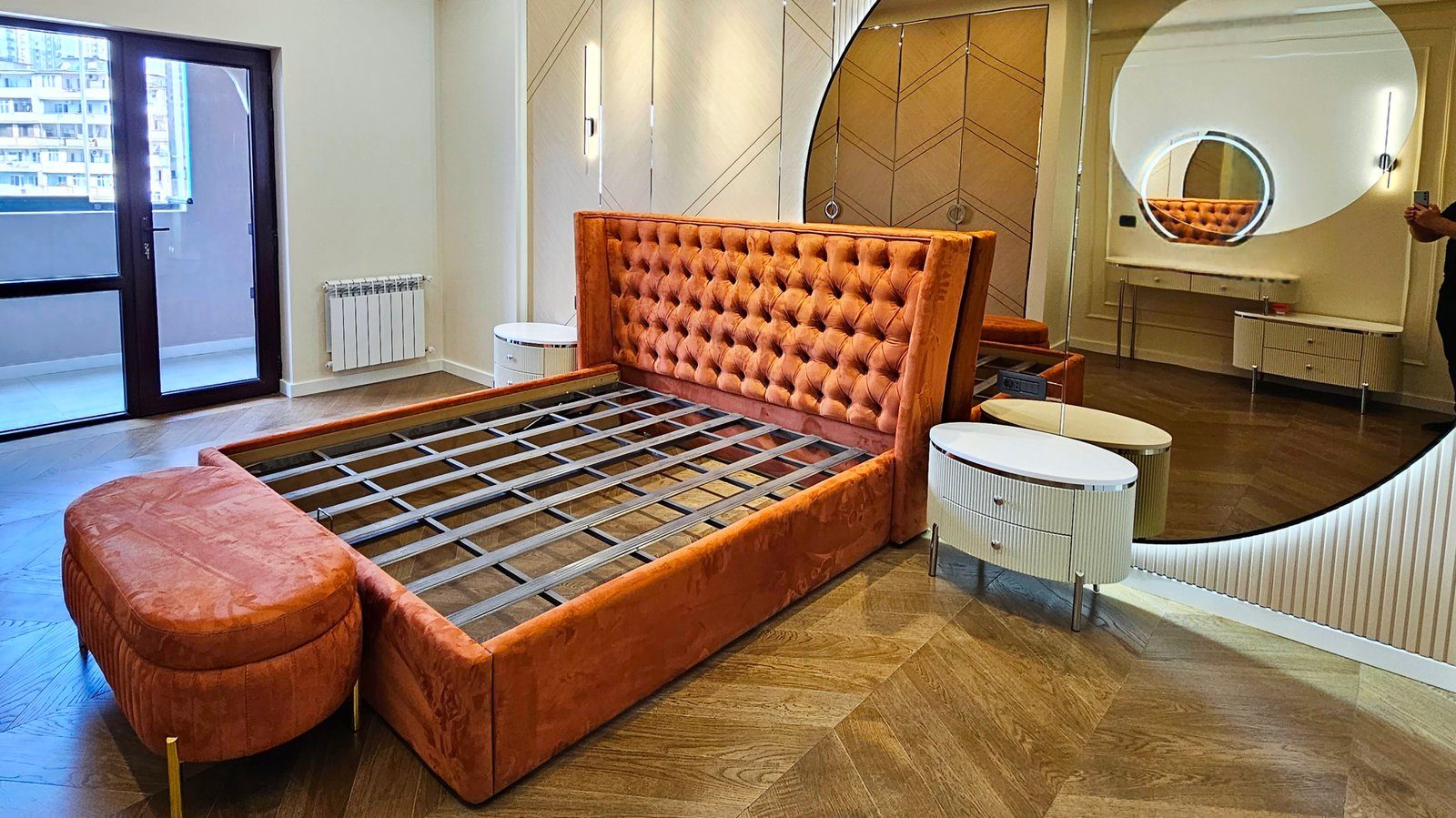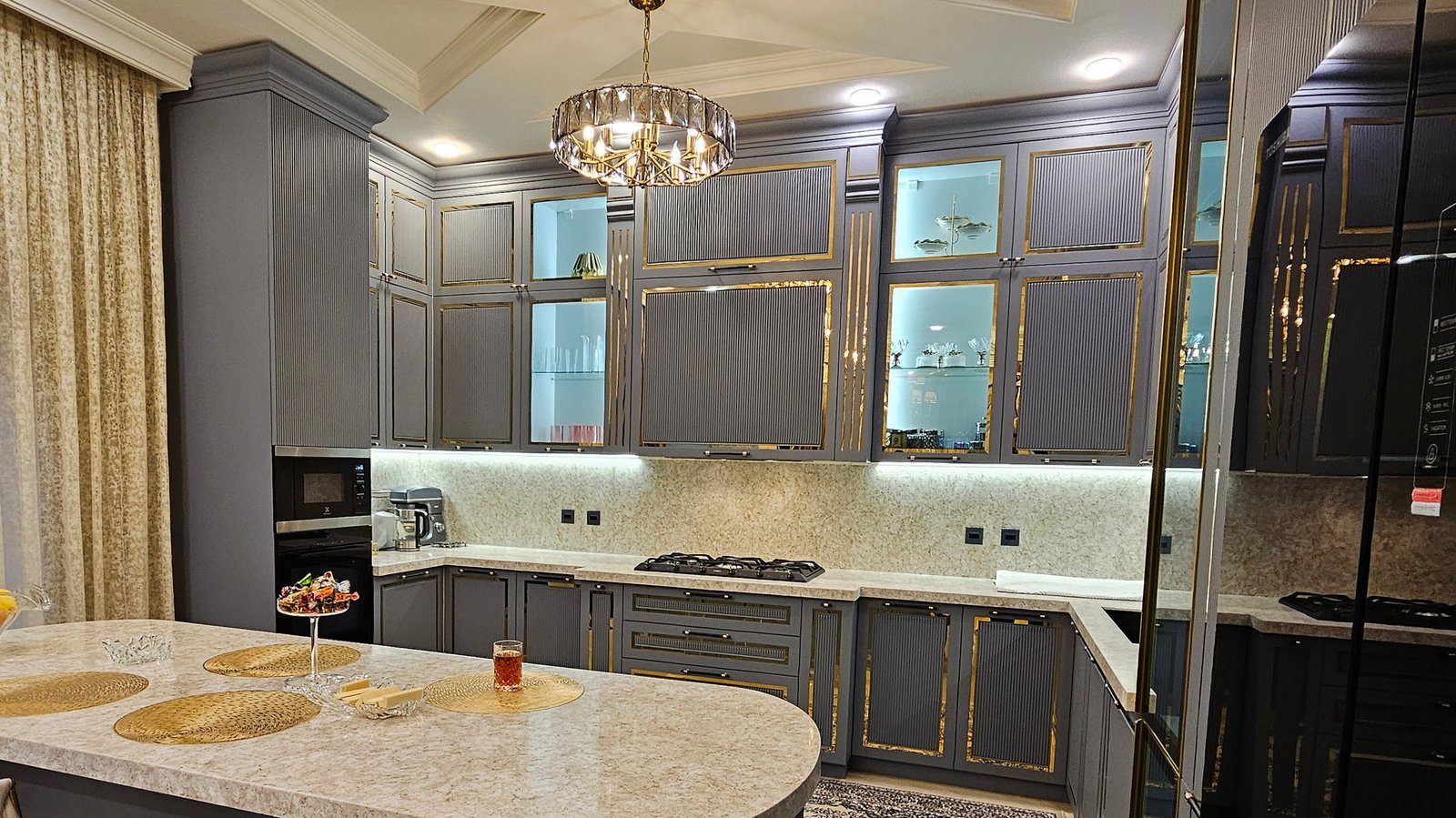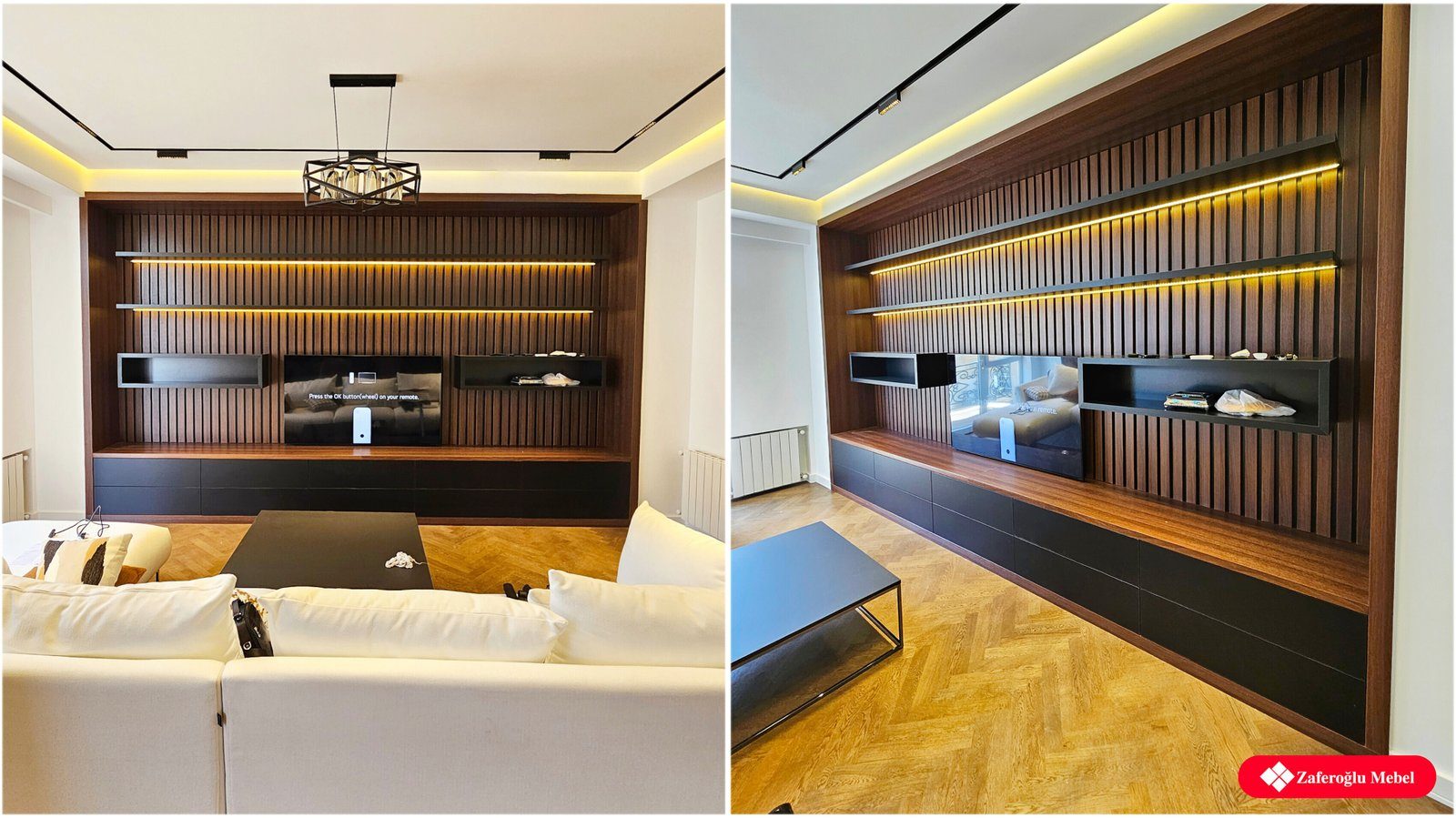

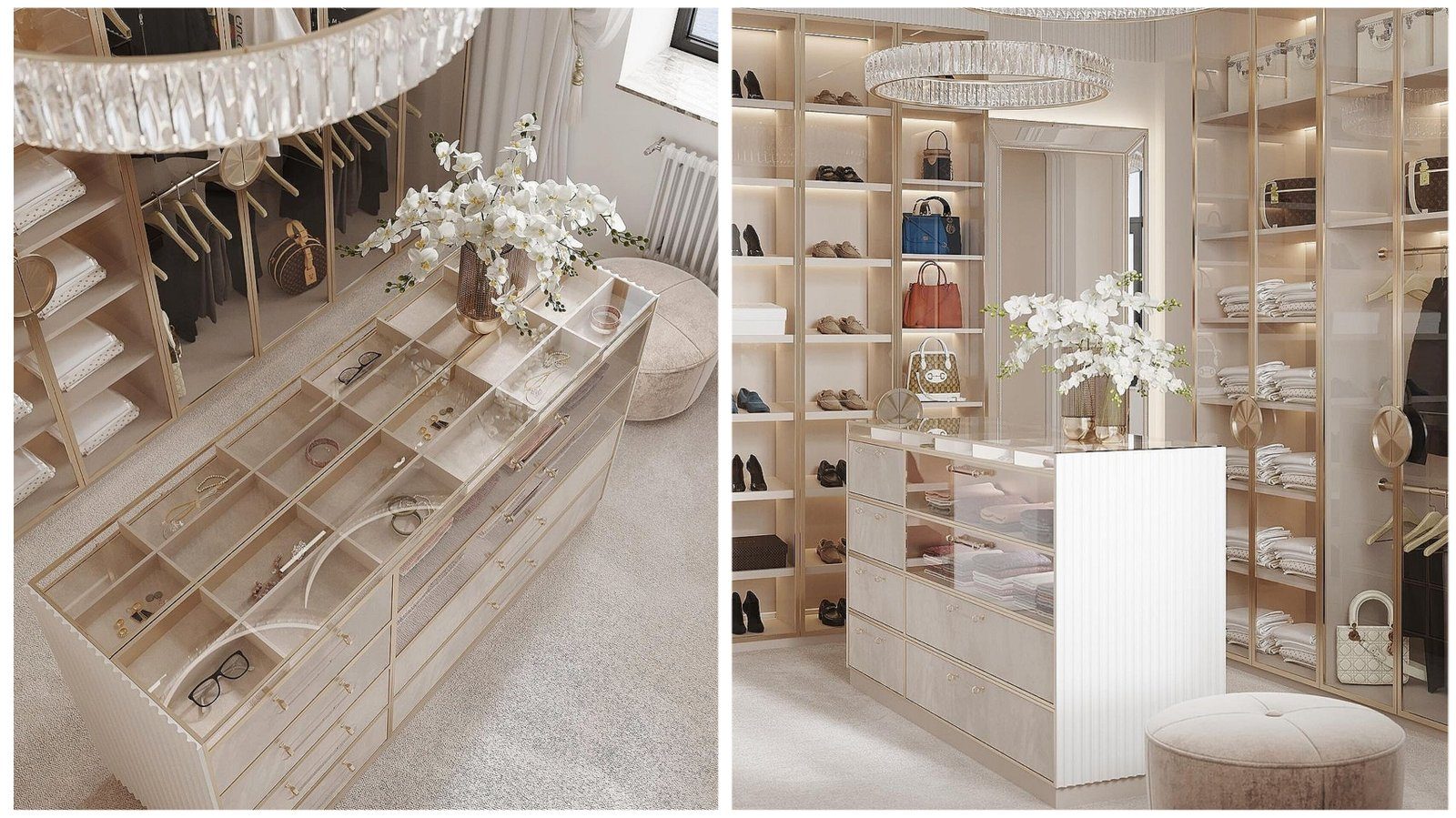
On moving day everything is rushed: the van is waiting, neighbours need the lift and there are never enough boxes. It is tempting to carry a wardrobe down the stairs in one piece, or to unscrew the hinges in a hurry and tip every screw into one bag. The result is a wardrobe in the new flat whose doors will not hang straight, a few missing parts and a chipped corner on a side panel. Panel furniture is designed to be taken apart and reassembled, but it has to be done properly.
Before you start: photos and labels
The first tool is your phone, not a screwdriver. Photograph each piece as a whole, its interior layout, shelf heights and joints. The internal fittings of a large wardrobe fade from memory within days; a photo gives an exact answer.
Then label the parts. Put masking tape on the back or a hidden edge and write notes such as “left side” or “top shelf 2”. Do not write directly on laminate or painted surfaces with a marker, as it may leave a mark. Labelling which side each door belongs to is especially important, because the hinges have been adjusted for each door individually.
Dismantling order
Work in the reverse order of assembly: contents first, then doors and drawers, then shelves and internal fittings, and the carcass last.
- When removing hinged doors, it is usually enough to release the hinge from its mounting plate; there is no need to unscrew it from the door. On systems such as Blum the hinge releases with a button or clip.
- To remove drawers from their runners, find the release levers on the model; pulling by force can bend the runner.
- Before lifting out sliding doors, note which track each one runs in.
- Cam fittings should be fully opened and confirmat screws removed carefully. Driving a screw in and out of the same hole repeatedly wears away the board.
Put each item's hardware in its own zip bag and write the furniture name on it. Taping the bag to the largest part of that piece stops it from getting lost.
Packing: corners and surfaces
The most vulnerable parts of panel furniture are corners and edges. Cardboard corner protectors, foam sheet or an old duvet protect them from knocks. Stack fronts with cardboard between them rather than face to face. For gloss fronts, cover the surface with something soft before wrapping in stretch film, since dust trapped under the film can scratch.
Glass and mirrors are packed separately with corners protected and carried upright on their edge in the van, never flat. Worktops and long panels also travel upright so they do not bend under their own weight.
What is better left assembled
Small bedside units, chests of drawers and narrow cabinets with a solid carcass can often be moved without dismantling. Every dismantling loosens the joints a little, so it is better not to do it unless necessary. Emptying the drawers and securing them with tape is enough. For upholstered furniture, removing the legs and covering the upholstery in film is usually sufficient.
In the van and on the stairs
Most damage happens not on the road but during loading and unloading. Place heavy carcass parts low and against the van wall, with light fronts on top and to the side. Strapping long panels stops them sliding and knocking into each other on the way. On stairs, large parts should be carried by two people; a side panel dragged by one person catches the step edge and chips at the corner.
Before moving, it also helps to check the entrance of the new home, the size of the lift and any tight turns. Sometimes a chest of drawers you expected to carry through whole will not fit through the door, and furniture dismantled out on the street is at greater risk. Labelling the rooms in the new home in advance stops movers taking parts to the wrong place.
Reassembly in the new home
Start with the largest carcass and level it with a spirit level. The floor may differ from your old one, and on a carcass that is out of level no amount of adjustment will make the doors hang straight. Readjust the hinges once the doors are back on. If a screw hole has become loose, do not force the same screw in; talk to a fitter, because there are special dowels and repair methods.
Zaferoğlu Mebel installs furniture with its own fitters and states that staying in touch with customers after handover is one of its principles. If you have questions about reassembling or adjusting furniture made by the company after a move, you can get in touch.