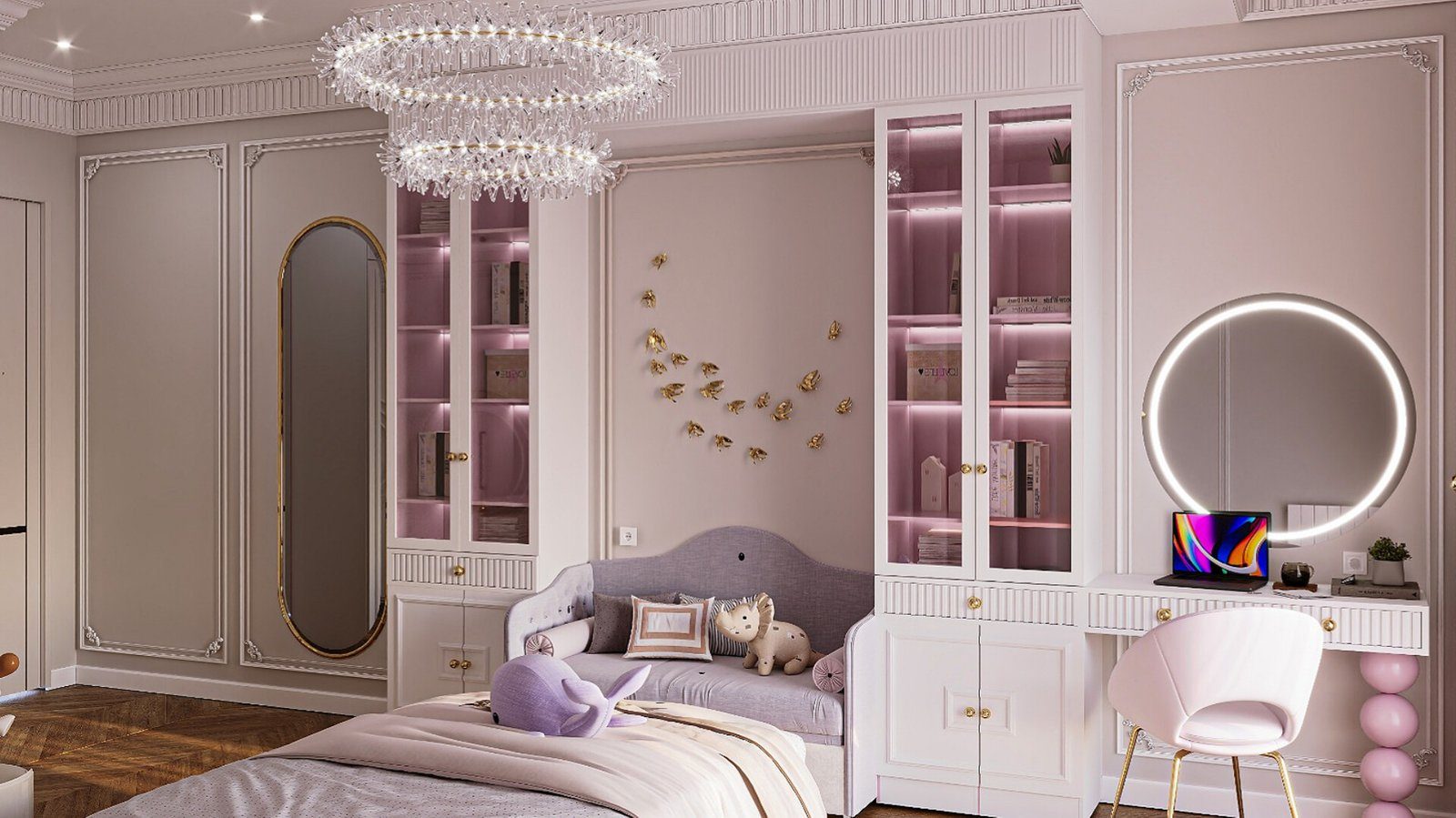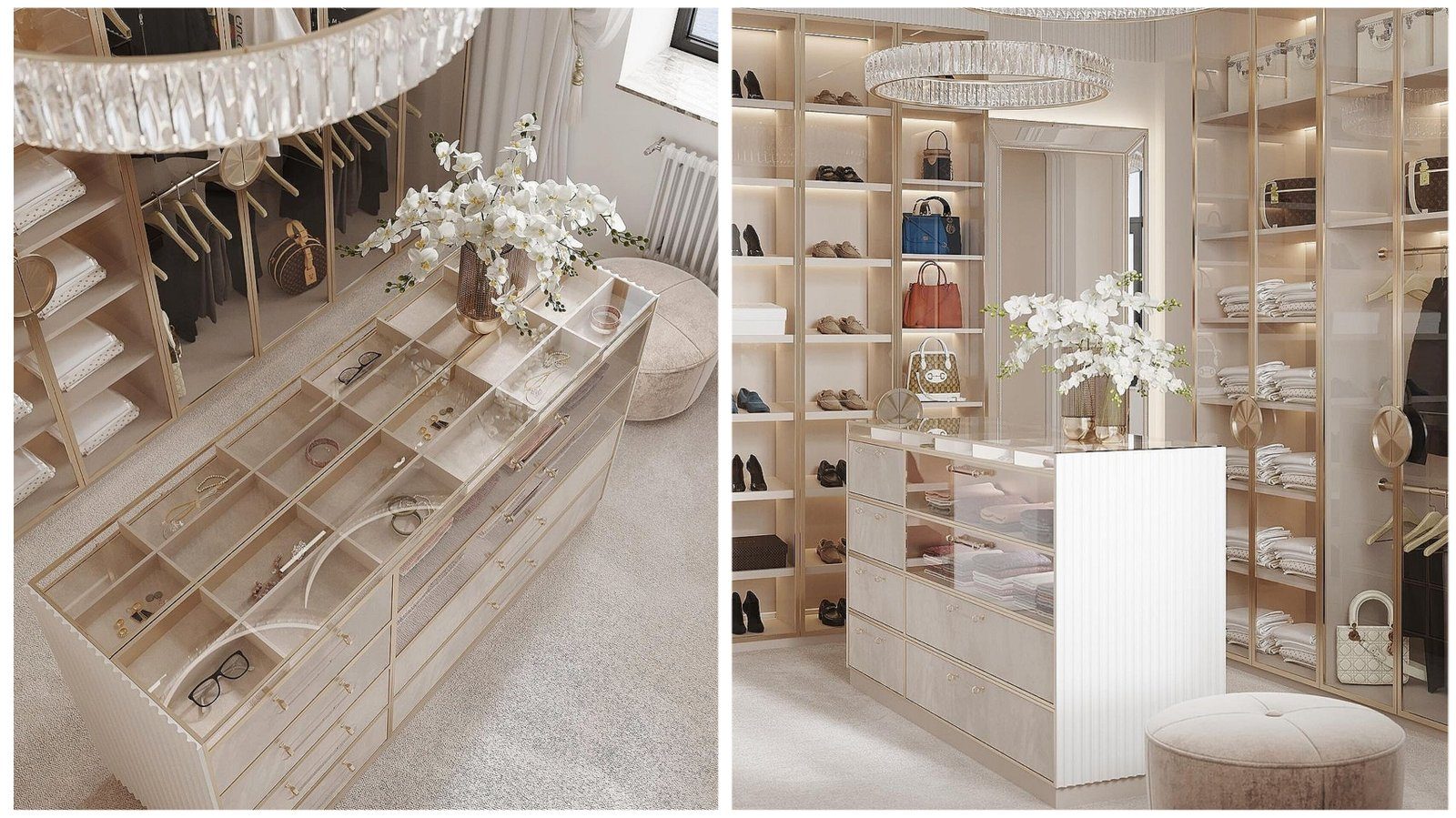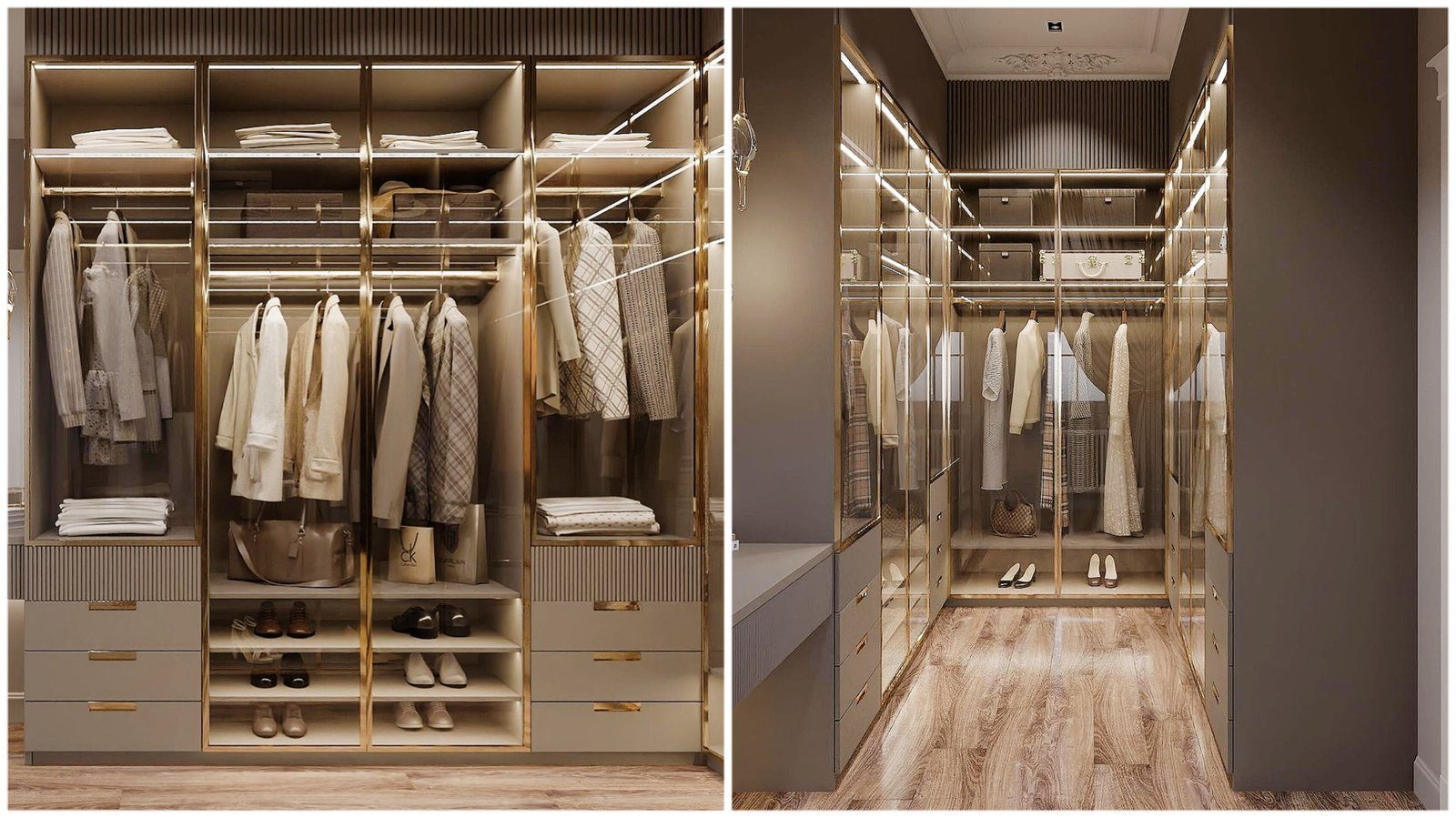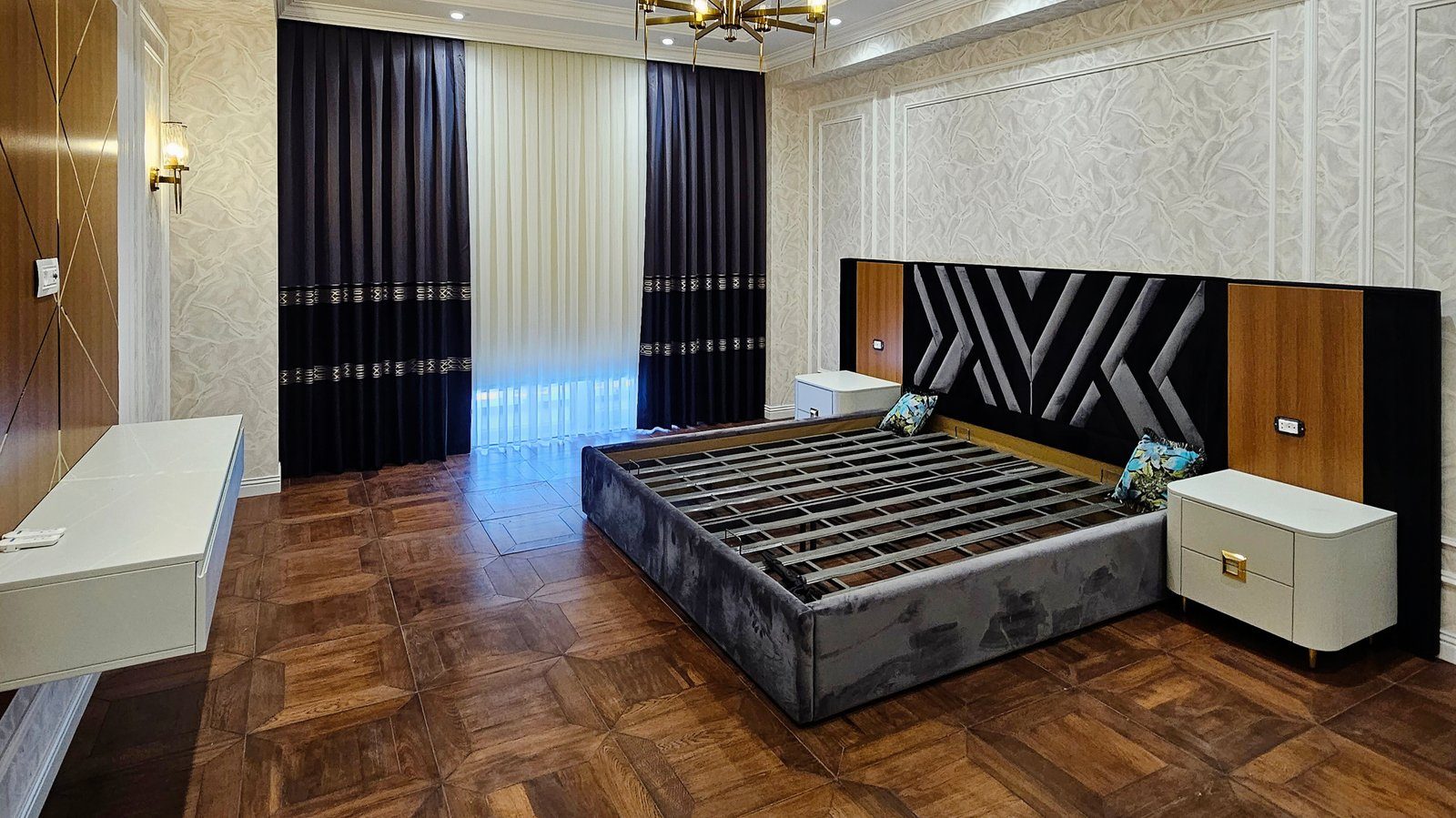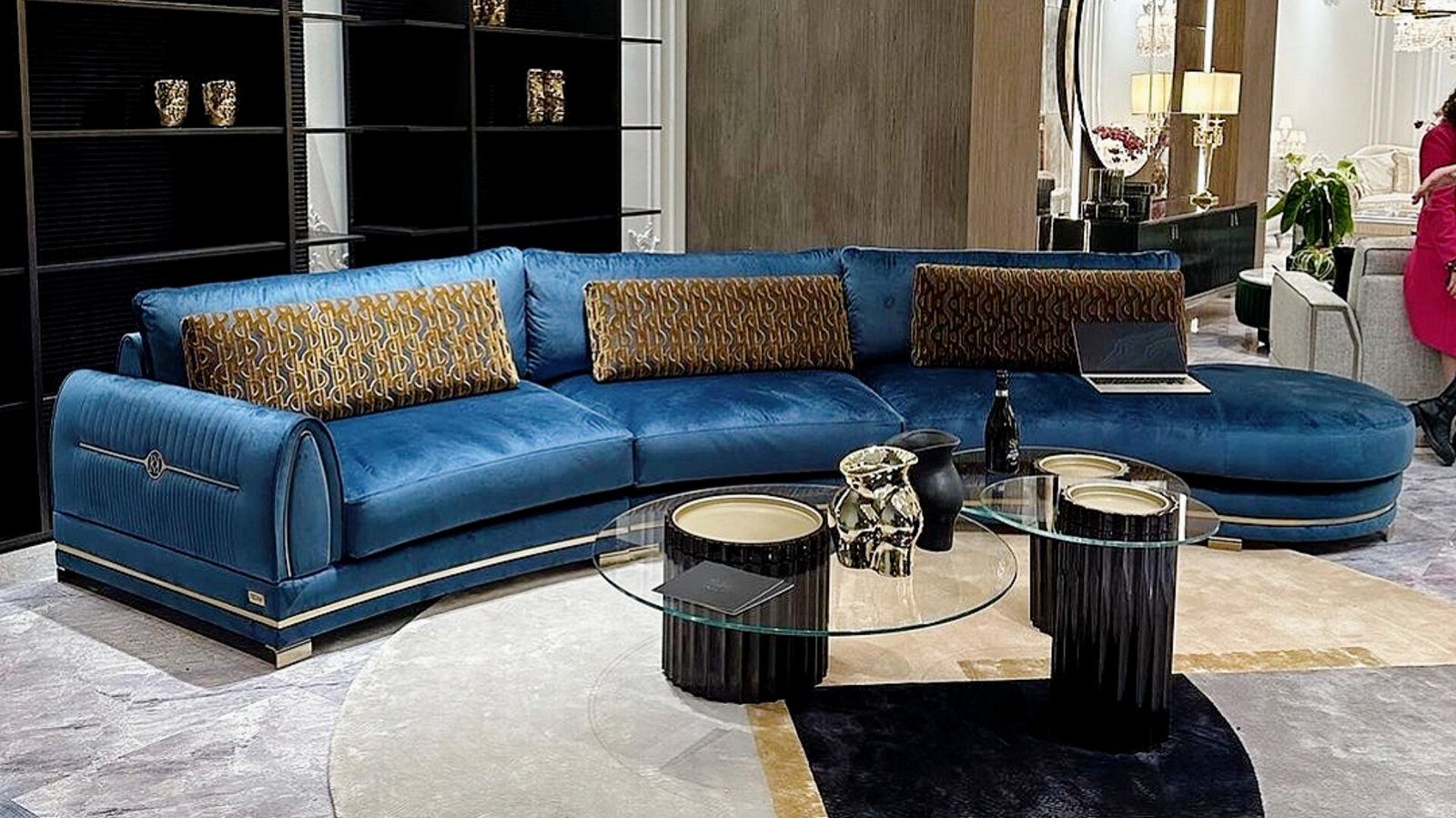

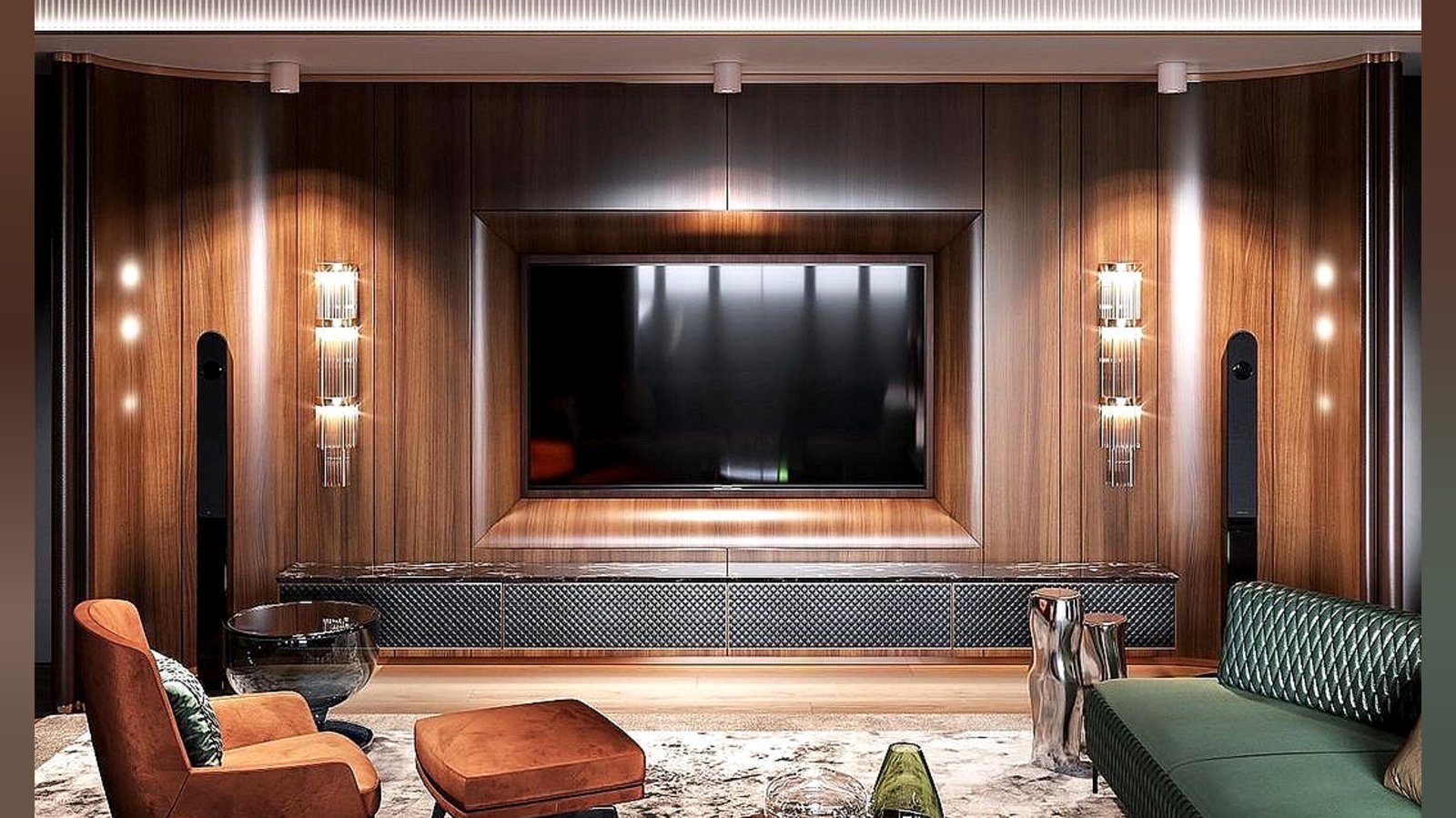
Brass handles, gold-tone profiles, metal caps on furniture legs and decorative strips on TV units bring a warm glow to an interior. After a few months, however, some of them show dark spots, fingerprints or uneven dullness. To understand what is normal and what can be prevented, you first need to know the metal itself.
Why metal darkens
Brass is an alloy of copper and zinc. Copper-based metals react with oxygen, moisture and sulphur compounds in the air, forming a thin layer on the surface. At first it simply deepens the tone; later it turns brownish and sometimes greenish. Sweat and skin oils speed up the process locally, which is why the most-touched part of a handle changes first.
In kitchens, steam, grease particles and residues of certain cleaning products also play a part. In humid flats and homes near the sea, tarnish can become noticeable sooner.
What kind of metal trim do you have
Before cleaning anything, identify the type of finish, because a product that helps one can ruin another.
- Bare, unlacquered brass. It develops a patina over time, which is natural for the material. It can be brightened again by polishing.
- Brass with clear lacquer. A protective film covers the surface. While the lacquer is intact there is almost no tarnish; where it is scratched, marks begin.
- Brass-effect plating. A thin layer applied by electroplating or PVD over steel, aluminium or zinc alloy. Rubbing with an abrasive can wear it away and expose the base metal.
- Gold-coloured powder coating. A paint with a metallic look. It needs gentle ordinary cleaning, never metal polish.
If you are not sure which type your handle or profile is, the most reliable way is to ask the supplier who made the furniture.
Everyday care
The safe starting point is the same for all of them: a soft microfibre cloth, warm water and a tiny amount of neutral soap. After wiping, always dry the part with a dry cloth, since droplets left on the surface leave marks as they evaporate. For fingerprints, a weekly wipe with a dry microfibre cloth is enough.
Things to avoid:
- all-purpose cleaners containing chlorine, ammonia or acids;
- scouring powders, the green side of a sponge, steel wool;
- metal polishing pastes on lacquered or plated trim;
- spraying furniture polish directly onto metal parts.
Polishing bare brass
If you dislike the patina on uncoated brass, a dedicated metal polish will bring it back. Test on a small hidden area first, apply the polish with a soft cloth and work along the direction of any brushed grain. Then remove all residue with a clean damp cloth and dry the part. If polish gets onto nearby laminate, lacquer or fabric, wipe it off immediately; where possible, unscrew the handle and clean it separately.
Some people prefer the opposite and keep the patina: soft, warm, slightly dull brass looks natural in classic and rustic interiors. That is a matter of taste and does the material no harm.
Habits that slow tarnishing
Switching on the extractor while cooking reduces the greasy vapour settling on metal trim. It also helps not to grab handles with wet hands and not to hang tea towels with detergent residue over them. In humid rooms, ventilation and keeping metal parts out of direct contact with water extend their life.
At the selection stage the decision is simple: if the shine should stay unchanged, choose protected or PVD-finished trim; if you like a surface that ages with character, bare brass is the better fit.
"Gold" details from different sources in one room, such as handles, a lamp base and a mirror frame, can differ noticeably in tone. Choosing them at the same time, laying samples side by side and deciding whether each metal should be polished or brushed prevents visual confusion. If you think you may need extra handles later, keep a note of the model name.
When selecting handles and decorative metal elements, Zaferoglu Mebel discusses the type of finish and the care it requires with the client in advance, so that expectations match everyday use.