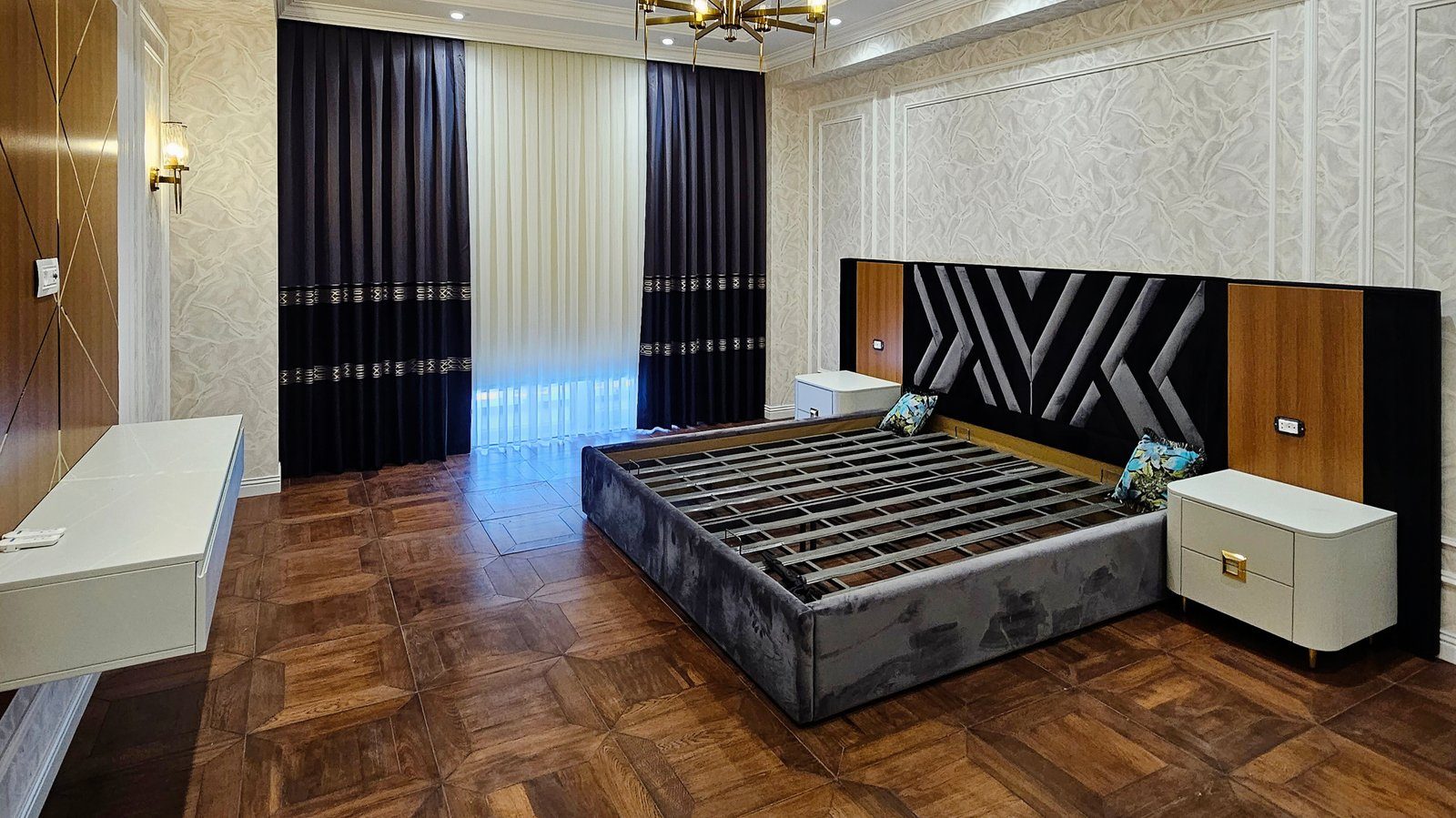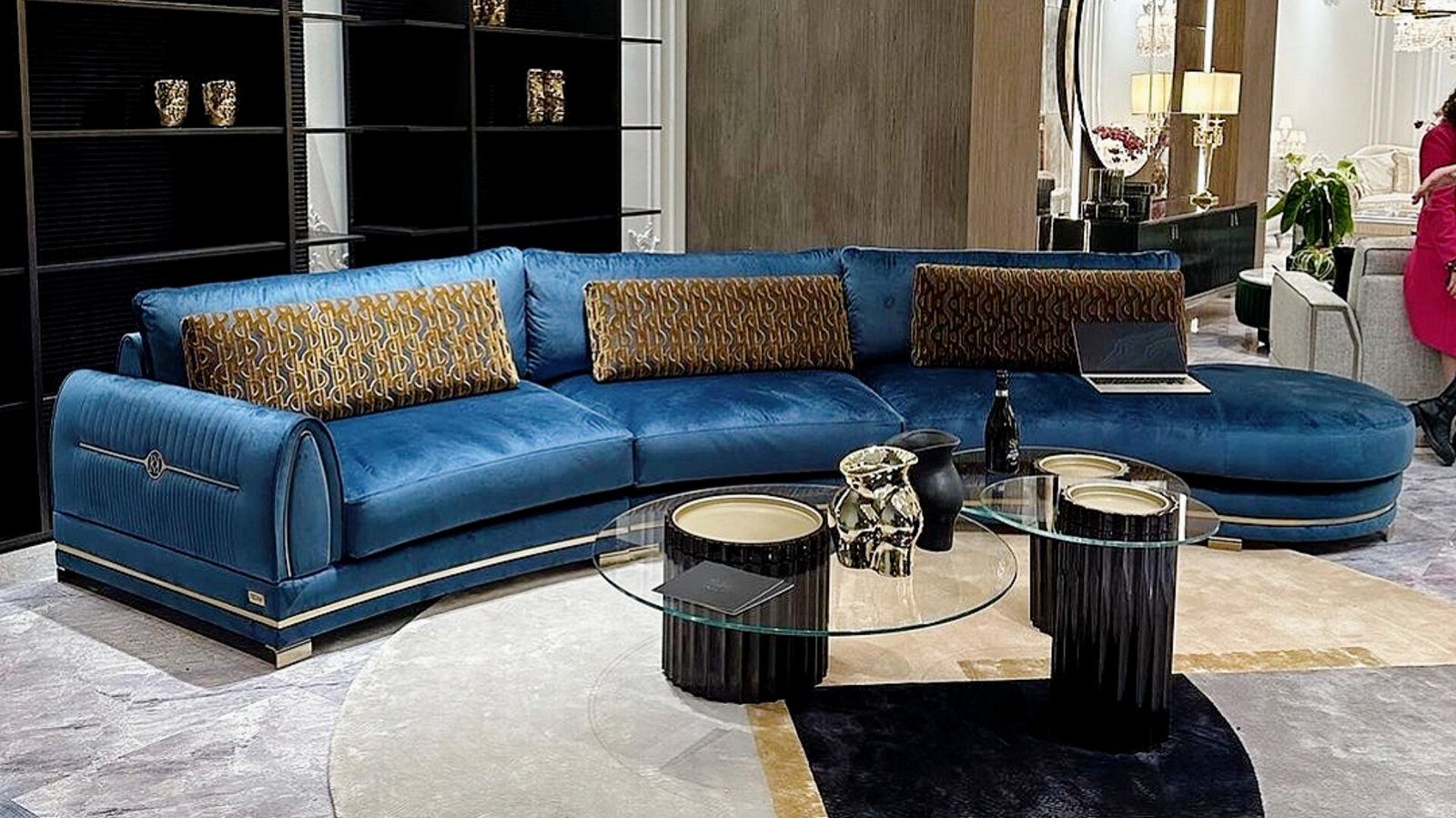

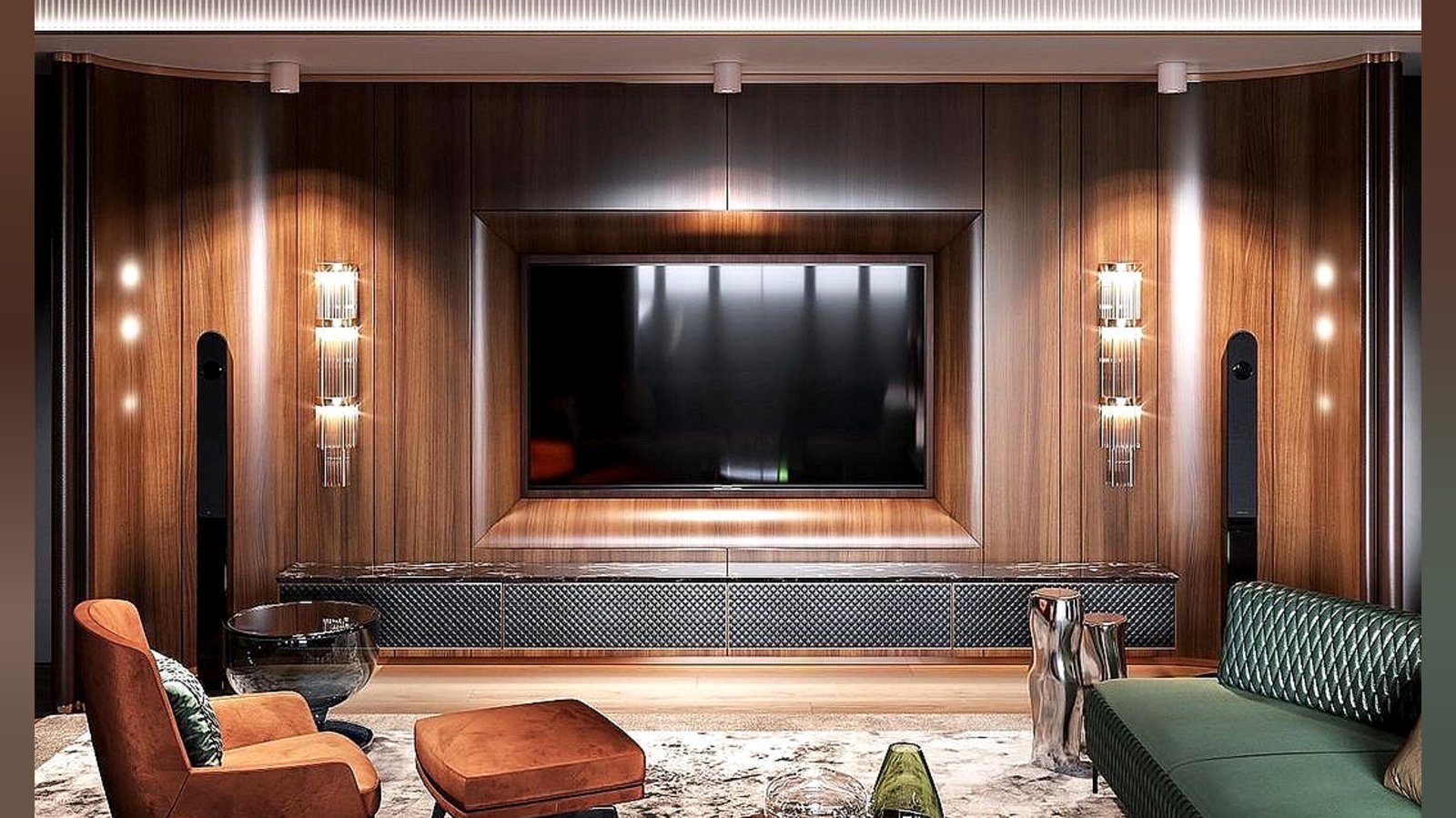
Wooden furniture looks finished the day it arrives, but in a sense it carries on living. Its fibres absorb moisture from the air and release it again, the finish reacts to light, and the colour deepens or fades over the years. These changes cannot be stopped entirely, but the owner can keep them slow and even. That is the whole point of caring for veneer and solid wood.
Veneer and solid wood: what changes in care
Solid wood furniture is made entirely of timber. When humidity changes, it expands and contracts through its full thickness, so the risk of cracks, warping and opening joints is higher. The upside is that the surface can be sanded and refinished several times.
Veneer is a thin layer of real wood bonded to a board. Because the core board is stable, veneered panels move far less. But the layer is thin: a deep scratch often cannot be sanded out, and water getting in at the edges can lift the veneer. With veneer, the key word is caution.
Room humidity
The greatest danger for wooden furniture is sudden change. In winter heating dries the air, and in summer air conditioning does the same. The general recommendation is to keep relative humidity in a moderate range, roughly 40–60 per cent. A simple hygrometer is enough to check.
If the air is very dry, a humidifier or regular airing helps. In damp rooms, such as a freshly plastered flat, do not push furniture tight against the wall; leave a small gap behind it for air to circulate. In a newly renovated room it is also wise to wait until the walls have fully dried before bringing in solid wood pieces.
Sunlight and heat sources
Direct sunlight changes the colour of wood unevenly. Lift a vase or a book that has sat in one spot on a table for months and a different-coloured patch is left behind. Moving objects around from time to time and using curtains or blinds during the brightest hours is a simple and effective remedy.
Radiators, fireplaces and the airflow from air conditioners dry the wood locally. Placing furniture too close to a heat source leads to cracking and a dulled finish. The cold stream from an air conditioner should not be aimed straight at wooden fronts.
Everyday cleaning
Dust with a soft microfibre cloth, dry or slightly damp, working along the grain. The cloth should not be wet: no droplets should be left on the surface, and it should be dried with a dry cloth straight away. Avoid:
- abrasive powders, hard scouring pads and wire brushes;
- glass and kitchen cleaners containing ammonia, chlorine or strong alcohol;
- silicone polishing sprays, which build up over time and make later restoration harder;
- putting hot dishes, wet cups or plant pots directly on the surface.
Coasters and table mats are the easiest way to prevent everyday water marks.
Seasonal check
Twice a year, at the start and end of the heating season, take a close look at wooden furniture. Check that doors still close squarely, drawers do not stick and joints have not opened. When humidity changes, a solid wood door can swell or shrink slightly and need a hinge adjustment; that is not a defect but the natural behaviour of the material.
On veneered surfaces, pay particular attention to edges and corners. A small lifted spot is easy to glue back early on, but if ignored, dust and moisture get under the layer and the damage spreads. The same check is a good moment to tighten the screws on table legs and bed joints.
Lacquered and oiled finishes need different care
On a lacquered surface the wood sits under a protective film. Rubbing oil into it achieves nothing, because the oil never reaches the wood. If the lacquer is damaged, repair is a job for a professional.
An oiled or waxed surface is more open and needs periodic renewal. When it turns dull, looks dry, or a drop of water soaks in instead of beading, it is time for a thin coat of the same type of oil. Finding out which finish was used when you buy the furniture, and noting it down, prevents choosing the wrong product later.
Small white water marks often sit only in the top layer of the finish and may fade on their own after a while. Before experimenting with a hot iron or harsh products, it is safer to ask a specialist.
At handover it is worth asking which materials and finish were used and noting them down. Zaferoglu Mebel names staying in touch with customers after handover among its principles, so if care questions come up, the company can be contacted for advice suited to the finish of a specific piece.